
Learn ➜ Interior Medicine Method ➜ Intro
The Interior Medicine Method: Introduction
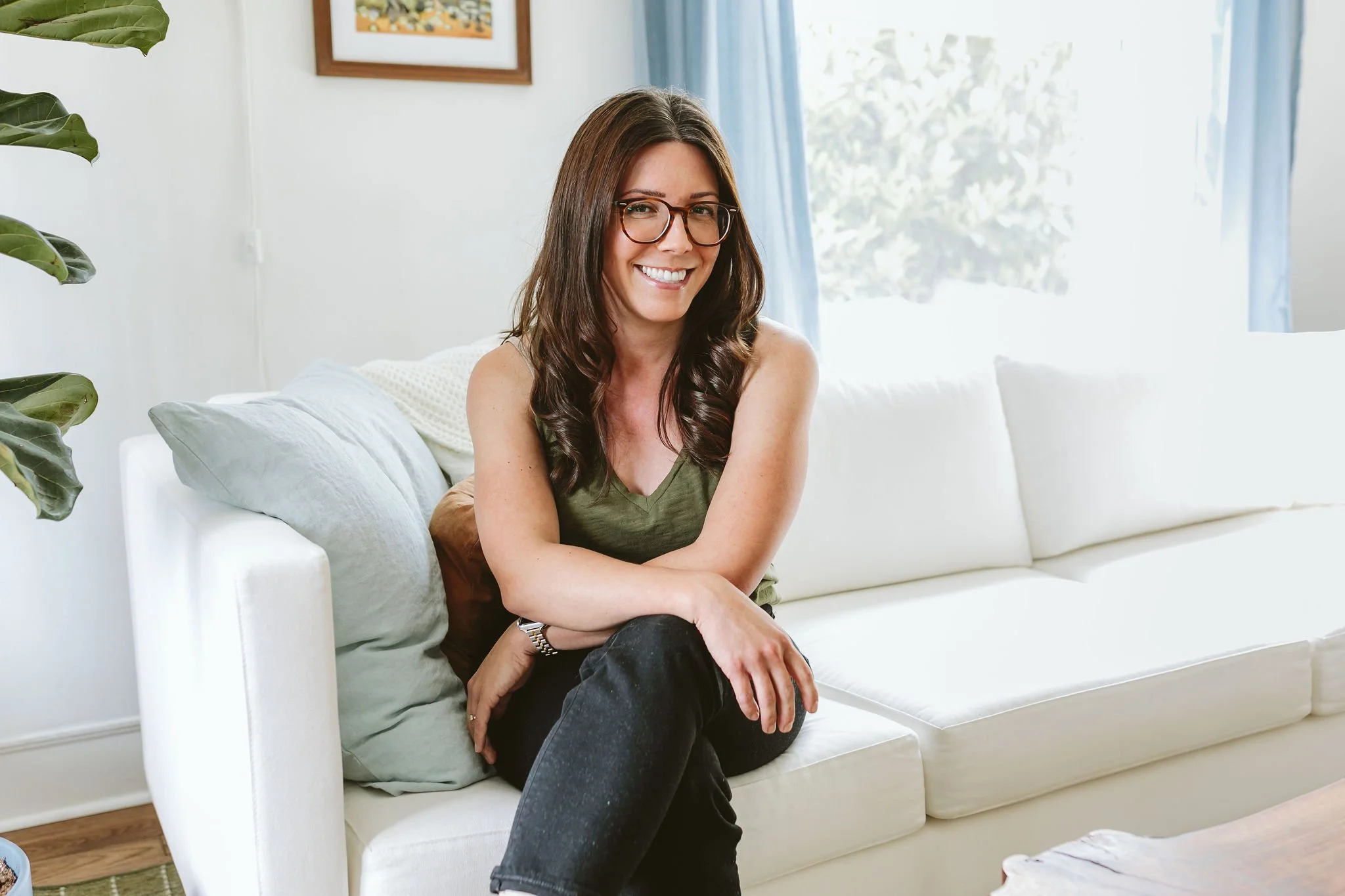
Welcome!
The Interior Medicine Method is a visual, completely free curriculum about how to evaluate materials, products, certifications, and the non-toxic advice circulating online.
It is both practical and philosophical: you’ll finish knowing how to assess almost anything, but it also explores how we think about risk, navigate uncertainty, and find balance in a polarized wellness landscape.
This curriculum has been percolating in my mind over the last five years — I have early sketches of the animations in notebooks from 2022. More than that, it draws from my 20 years of experience across research, medicine, and design, and is something I’ve really poured my heart into.
My hope is that it’s an antidote to fear. That when you finish, you feel calm, anchored, empowered, and like you have x-ray vision. Here’s what’s inside:
Read more below, or get started now with Part 1 (coming soon) ➜
Why I Made This
Most of us never learn how to evaluate health claims, read research, or think about chemical risk, and that gap is getting more consequential. I wanted to create a way to build that literacy without you having to go back to school or pay for an online course — something rigorous, but also enjoyable enough that you finish it, and feel genuinely empowered.
Misinformation about non-toxic living is rampant. So is the knee-jerk reaction in the opposite direction — dismissing any concern as wellness hysteria — with no useful middle ground. Almost no one is taking the time to explain the nuance, and while I know that doesn't do well on social media or for clickbait, it's my firm belief that hard science and open-mindedness aren't opposites. I hold both, and I want to contribute more to that middle ground.
Healthwashing is accelerating. Brands have figured out that people care about this, and "non-toxic" has become a marketing term with no standard definition. I don't want anyone to be misled into thinking something is safer than it is — and this method is a way to see through it.
My own non-toxic living arc started with earnest zealousness and has settled, over fifteen years and a lot of formal training, into something much more balanced. I hope this method helps accelerate that process for you, without the burnout.
The ultimate reason I made this is so that eventually you don't need me — the same way a good doctor works closely enough with you that, at some point, you don't need them anymore.
A Quick Note on Language
"Non-toxic," "chemical," and "toxin" are words I use throughout this method and this entire website, and they're all technically imprecise. “Non-toxic” does not have a standard definition. Everything is made of chemicals, and not all chemicals are harmful. "Toxin" technically refers to naturally occurring poisons (plant compounds, venoms), while "toxicant" is the more accurate term for synthetic chemicals with negative health effects.
I use these words anyway because they're the most culturally understood, descriptive, and searchable terms we currently have. Accuracy with vocabulary matters to me, so I want to be transparent about this intentional use of imprecise language. If better terms become standard, I'll update.
How to Use The Method
There are ten parts. You can skip around, but the sections build on each other, so going in order makes the most sense. Here's what's in each section:
Part 1: A Framework for Assessing Any Health Risk: The core toxicology framework that underlies everything else. If you only read one section, read this one.
Part 2: The Hidden Chemistry of Home Products: How to “see” every chemical in every layer of every product and understand whether they’re VOCs, sVOCs, other substances, and how small they really are.
Part 3: Making Sense of Conflicting Research: Why you see very legitimate-looking scientific research articles, including very alarming studies, that contradict others, and how to tell which one is right.
Part 4: What Your Home Exposes You To: Not a random list, but one built from what the WHO, IARC, and other major health agencies say actually warrants concern.
Part 5: How Exposures Reach You: We are neither completely porous nor completely protected. How exposures actually get into your body, or how your body blocks them out.
Part 6: What Your Body Does With Exposures: Once an exposure does make it into your body, what your organs do to protect you, where they fall short, and what bioaccumulation means.
Part 7: Why Most Risks are Still a Question Mark: There’s a lot we don’t know about environmental toxins. This is the crux of the wellness-versus-conventional-medicine debate, and how to make decisions in the face of uncertainty.
Part 8: Spotting Healthy Brands vs. Healthwashing: How to tell the difference between a brand doing the work and one using "non-toxic" as misleading marketing.
Part 9: Making Sense of Conflicting Non-Toxic Advice: How to evaluate sources, spot fear-based content, and hold multiple valid perspectives at once.
Part 10: The Big Picture: Where home exposures actually fit in your overall health, and why context matters as much as information.
This will all be available soon. Sign up for the Newsletter to be the first to know. Thank you!
Next: Part 1 — A Framework for Assessing Any Health Risk (Coming Soon ) ➜
Explore More Interior Medicine


Shop Healthier Design
Tools and References
About Interior Medicine
Material Health Guides
Learn ➜ Interior Medicine Method ➜ Intro