
Non Toxic Yoga Mats & Props
The safest yoga mats are made with cork, GOLS certified organic latex, or GOTS certified organic cotton, without vinyl, phthalates, or “eco-friendly” plastics. The best affordable non-toxic yoga mats are made with EVA instead of TPE or PVC. Ironically, the world of yoga mats is still farther behind than many home products in terms of healthy materials and healthwashing and greenwashing remain issues. I rate truly non-toxic yoga mats and props without VOCs or other harmful substances using consistent scales explained in my full methodology.
By Dr. Meg Christensen | Physician-founder of Interior Medicine, a non-toxic home resource built on her background in medicine, biochemistry, epidemiology, and clinical research.

Updated December 1, 2025
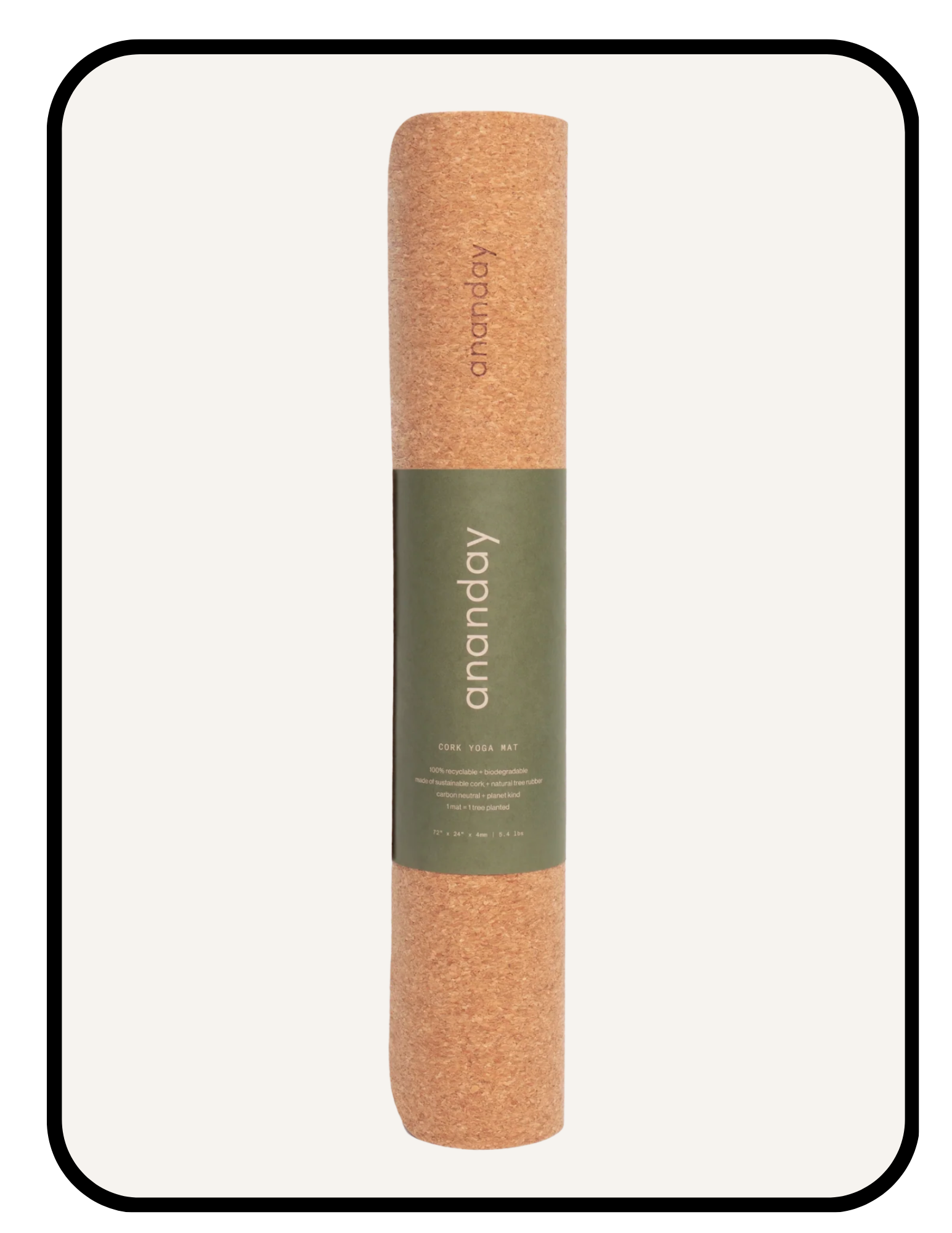

Ananday Cork and Natural Rubber Yoga Mat
I love this yoga mat! It’s what I use because it’s made without glues or binders. The cork front and natural rubber backing are bonded together by heat and pressure, with cotton mesh in between. As you sweat, cork becomes grippier, and it has the most satisfying weight and texture. An excellent PVC free yoga mat. 20% off with code INTERIORMEDICINE.
Avocado Organic Latex and Organic Cotton Yoga Mat
This non toxic yoga mat is the healthiest you can get— it’s made with a GOTS-certified organic cotton front, and a GOLS-certified organic latex non-slip backing. It’s absorbent, making it perfect for avoiding those microfiber hot yoga towels. Impressively, it’s machine washable.



If you want a more affordable less toxic yoga mat, or like the feeling of foam or how easy it is to clean, EVA is the way to go. EVA isn’t perfect, but it’s much better than PVC and TPE— you can read the details below. This Gaiam version is nice because 90% of the EVA is recycled, and importantly has GRS certification which ensures recycled materials still meet healthier standards. Super highly rated and inexpensive.
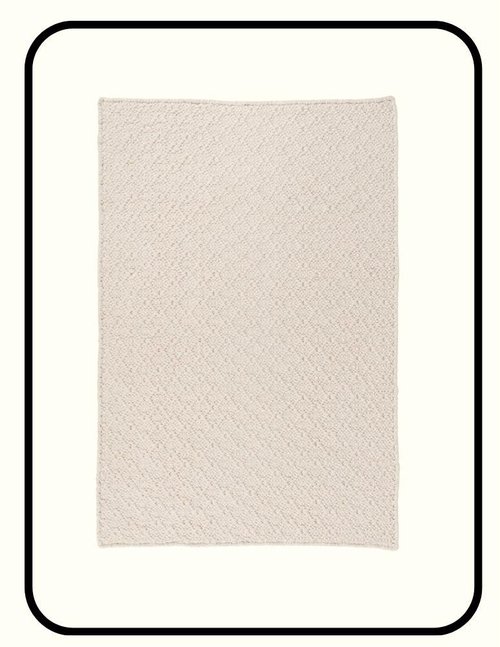
OKO Living Non Toxic Cotton Yoga Rug
OKO’s mats are made with organic GOTS-certified cotton, and then dyed with Ayurvedic medicinal plant dyes. I love the idea of choosing a mat based on what plant you resonate with. Natural rubber backing is melted, not glued on separately with adhesive, and the whole thing is OEKO TEX certified. Machine washable.
Ananday 100% Organic Cotton Yoga Strap
Ananday’s 100% GOTS-certified organic cotton strap is free of the usual dyes and chemicals found in standard yoga straps. The metal components are brushed zinc, and are lightweight for a peaceful and calm practice. 20% off with code INTERIORMEDICINE.
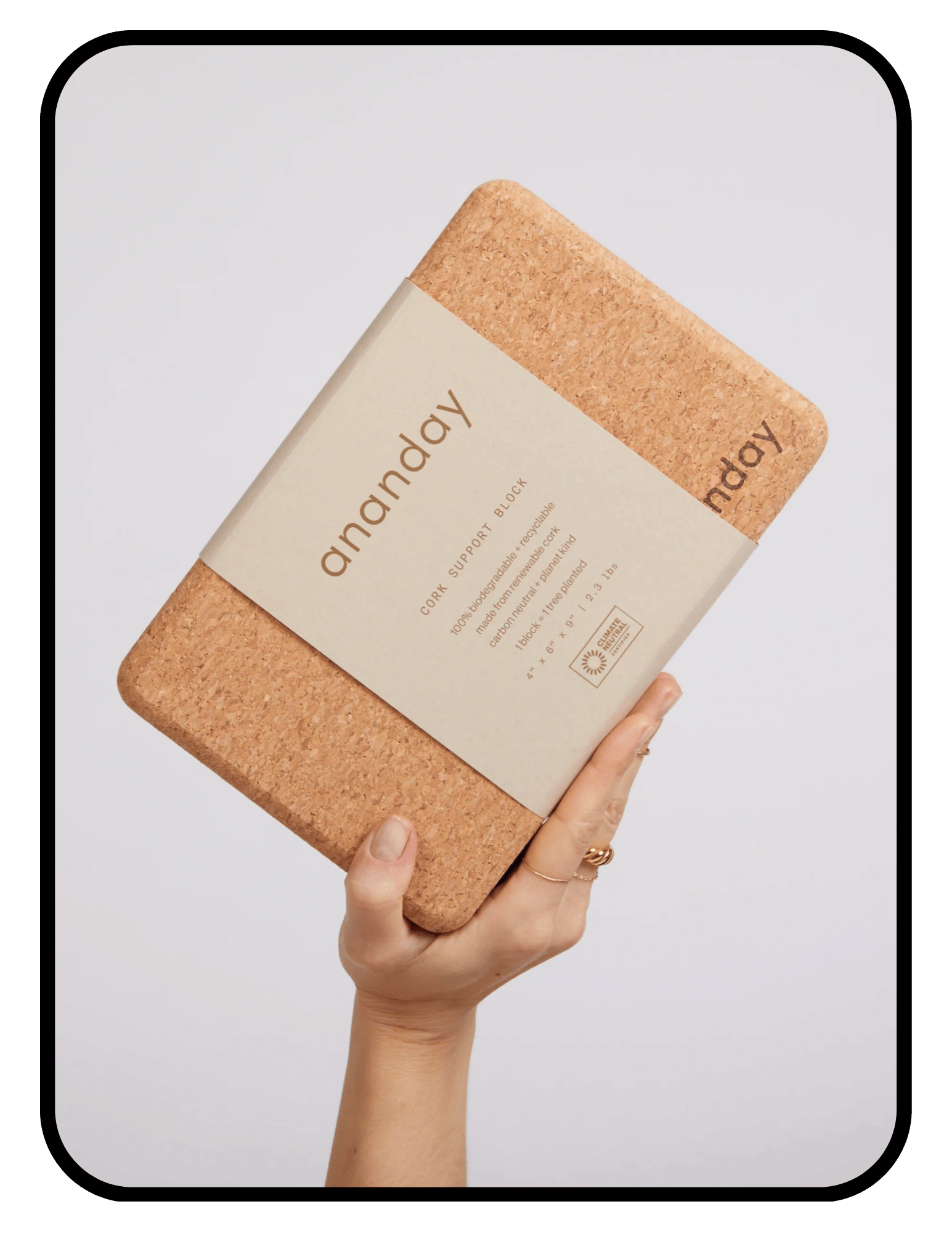
Plastic free yoga blocks made of renewable cork instead. Grippy and all natural. One tree planted for each block.


These non toxic yoga bolsters are filled with buckwheat and wrapped in GOTS-certified organic cotton. As always, Avocado’s ingredients are ultra-transparent. MADE SAFE certification ensures the buckwheat filling is also safe.
These solid balsa wood blocks are soft to the touch, adhesive-free, and have a beeswax finish. They have a satisfying weight and are a great alternative to the typical foam yoga blocks. 15% off with code INTMED15.

Don’t see what you’re looking for? Request a review, or check it yourself in seconds with the Second Opinion Product Checker. Spot something outdated? Let me know and I’ll update it. Join the spam-free newsletter for interesting info and to hear when new reviews are up.
FYI, “non-toxic” has no official definition, so I rate every product with the same method. It’s built on third-party certifications and published test data, not brand claims. For a deeper dive, my free course walks you through it.
Everything on Interior Medicine is educational information, not medical advice. Read my full disclaimer.
More Healthy Design For You

How Interior Medicine Rates Yoga Mats and Props
"Non-toxic" has no legal or scientific definition, so it's become a marketing word. I still think a healthier home is worth working toward, and the way to get there is with a consistent system. Every product on Interior Medicine is rated with the same method, based on its materials, ingredients, and third-party certifications. This makes it easier to compare products fairly, spot healthwashing, and make informed decisions.
The rating card under each product shows its Material Health. Every material is rated on its own scale, from Healthiest to Harmful, and each brand is rated on the healthiest option it offers. Differences between models are noted in the description.
The guides show what qualifies for each tier, what to look for, and what to ask a brand.
FAQ: More About Non Toxic Yoga Mats and Props
Are yoga mats toxic?
It is absolutely crazy, but the majority of yoga mats on the market are still made of polyvinyl chloride (PVC), which is a rigid plastic that requires chemical plasticizers—typically phthalates—to achieve the flexibility needed for a yoga mat. These additives create both health concerns and environmental problems, fundamentally contradicting yoga's principles of wellness and environmental care. I get it, they’re easy to clean, cheap, and grippy, but they come with real costs.
How do yoga mat chemicals enter my body during practice?
Chemical exposure from yoga mats occurs through three primary pathways: dermal absorption, inhalation, and ingestion. As mats degrade through regular use, processing chemicals are released either as volatile organic compounds (VOCs) that become airborne, or as heavier particles that settle into dust. During yoga practice, you absorb these chemicals through skin contact with the mat surface, inhale VOCs and airborne particles through your breathing passages, and ingest settled dust particles through hand-to-mouth contact—even if you wash your hands post-practice, some exposure occurs during your session.
Why do new yoga mats smell, and is the odor harmful?
The "new plastic" smell indicates volatile organic compounds (VOCs) off-gassing from the mat material. These VOCs are processing chemicals light enough to become airborne at room temperature. Natural material mats (cork, natural latex, organic cotton) have minimal to no off-gassing.
How long should I air out a new synthetic yoga mat?
A PVC mat should off-gas in a well-ventilated area—ideally outdoors or in a garage—for at least 48-72 hours before use. Some mats may require weeks to significantly reduce VOC emissions. However, off-gassing doesn't eliminate the underlying chemical content; it only reduces the most volatile compounds. Plasticizers and other additives remain in the material and continue to be released, albeit at lower levels, throughout the mat's lifespan. EVA mats are also synthetic, but safer, and typically off-gas much less.
PVC Yoga Mat Alternatives
What's the healthiest yoga mat material?
Natural rubber latex (as long as you don’t have a latex allergy), cork, and organic cotton are the safest yoga mat materials. Natural rubber latex mats provide excellent grip and cushioning without synthetic chemicals. Cork is grippy and durabile. Organic cotton mats, especially those with GOTS certification, ensure no pesticide residues or harmful processing chemicals. All of these options avoid the plasticizers, foaming agents, and VOCs present in synthetic versions.
What's the difference between PVC, TPE, and EVA yoga mats?
PVC (polyvinyl chloride) is definitely the least healthy option, requiring phthalate plasticizers for flexibility and chlorine in production.
TPE (thermoplastic elastomer) is a synthetic rubber blend that generally doesn't require phthalates but can still contain concerning additives depending on the specific formulation.
EVA (ethylene vinyl acetate) falls somewhere in between—better than PVC because it doesn't need phthalates or chlorine production, but foam versions typically contain formamide as a foaming agent, which raises health concerns when present in significant amounts.
Is EVA foam safe for yoga mats?
EVA foam presents a moderate-risk option—healthier than PVC but not as clean as natural materials like cork, natural latex, or organic cotton. While EVA fabric (used in shower curtains) has been evaluated as relatively safe by agencies including IARC, OSHA, and the National Toxicology Program, EVA foam is different because of formamide. It’s added to create the foam-like texture and softness, but potentially causes health effects at higher exposures.
Are TPE yoga mats better than PVC?
Generally yes, but TPE quality varies significantly by manufacturer. Thermoplastic elastomer blends typically don't require phthalate plasticizers, making them preferable to PVC. However, TPE is a broad category encompassing many different synthetic rubber formulations, some cleaner than others. You can't really verify which additives are present.
What does GOTS certification mean for organic cotton yoga mats?
The Global Organic Textile Standard (GOTS) is the most rigorous third-party certification for organic textiles made from natural fibers including cotton, wool, and linen. A GOTS-certified organic label guarantees that at least 95% of starting fibers are certified organic and that the textile maintains its integrity throughout the entire supply chain. This certification ensures safer dyes and processing chemicals for both human health and ecological systems, and prohibits harmful chemical finishes on the final product. For fabric yoga mats or yoga mat covers, GOTS certification provides the highest level of material safety assurance.
Do natural rubber yoga mats contain latex allergens?
Yes, but they are typically safe because they’re denatured when heated and baked into shape. Natural rubber latex can contains proteins that trigger allergic reactions in latex-sensitive individuals. If you have a severe latex allergy, avoid natural rubber mats and choose alternatives like cork or organic cotton. If you don’t have a latex sensitivity, or it’s mild, natural rubber is awesome for non-slip properties and cushioning in yoga mats, and removes the chemical concerns.
How do I clean a cork yoga mat without damaging it?
Natural materials require gentler cleaning than synthetic mats. For cork and natural rubber: use a spray solution of water with a small amount of mild, plant-based soap or white vinegar. Or, Ananday offers a specific cleaner for their cork mats. Either way, just avoid harsh cleaners and excessive moisture. Wipe with a damp cloth and air dry completely.
For organic cotton mats: many can be machine washed on gentle cycles with natural detergent. Just read the labels to be sure!
Non Toxic Yoga Mat Gray Areas
Are "eco-friendly" yoga mats actually healthier?
No, not necessarily. "Eco-friendly" is an unregulated marketing term that could refer to environmental sustainability, recyclability, or human health safety—or none of these! Some brands use this language while still using TPE or other synthetic materials with chemical additives. Look past the marketing language and instead look at material composition, third-party certifications, and ask the company for ingredients lists. A mat can be marketed as eco-friendly while still containing concerning chemicals. Interior Medicine makes a big deal about separating out what is eco-friendly from what is good for human health; they’re not always the same. You can read more on my About Interior Medicine page.
What about yoga mats labeled "phthalate-free"?
While avoiding phthalates is important, this single claim doesn't guarantee overall safety. Manufacturers can replace phthalates with alternative plasticizers or additives that aren't well-studied. Additionally, phthalate-free doesn't address other concerns like VOCs or other processing chemicals. Use phthalate-free as one criterion among many, not as a sole indicator of safety.
Are recycled rubber yoga mats a healthy choice?
Recycled rubber mats, typically made from reclaimed tire rubber, present health concerns. Tire rubber contains numerous chemicals including accelerators, antioxidants, and vulcanizing agents that provide durability for automotive use but aren't intended for extended skin contact. These mats often have a strong rubber odor indicating VOC off-gassing. While environmentally preferable to landfilled tires, recycled rubber mats aren't the healthiest choice for regular yoga practice.
FYI, natural rubber is very different! It comes from the latex tree.
Can I test my yoga mat for chemicals at home?
Yes, but it’s expensive. If you go this route, here are the kits I recommend.
Can I use a regular yoga mat if I place an organic towel over it?
A towel provides a barrier reducing direct skin contact with mat chemicals, but doesn't eliminate exposure. You'll still inhale VOCs off-gassing from the mat, and ingest dust particles that settle on surrounding surfaces. A towel over a toxic mat is better than direct contact, but replacing the mat with a non-toxic option provides more complete protection.