
Product Reviews ➜ Home Gym
Non-Toxic Home Gym: Complete Guide to Your Healthiest, Low-Plastic Workout Space
By Dr. Meg Christensen | Updated January 2026
Read the guide below, or click on a category to shop for healthier home gym products.

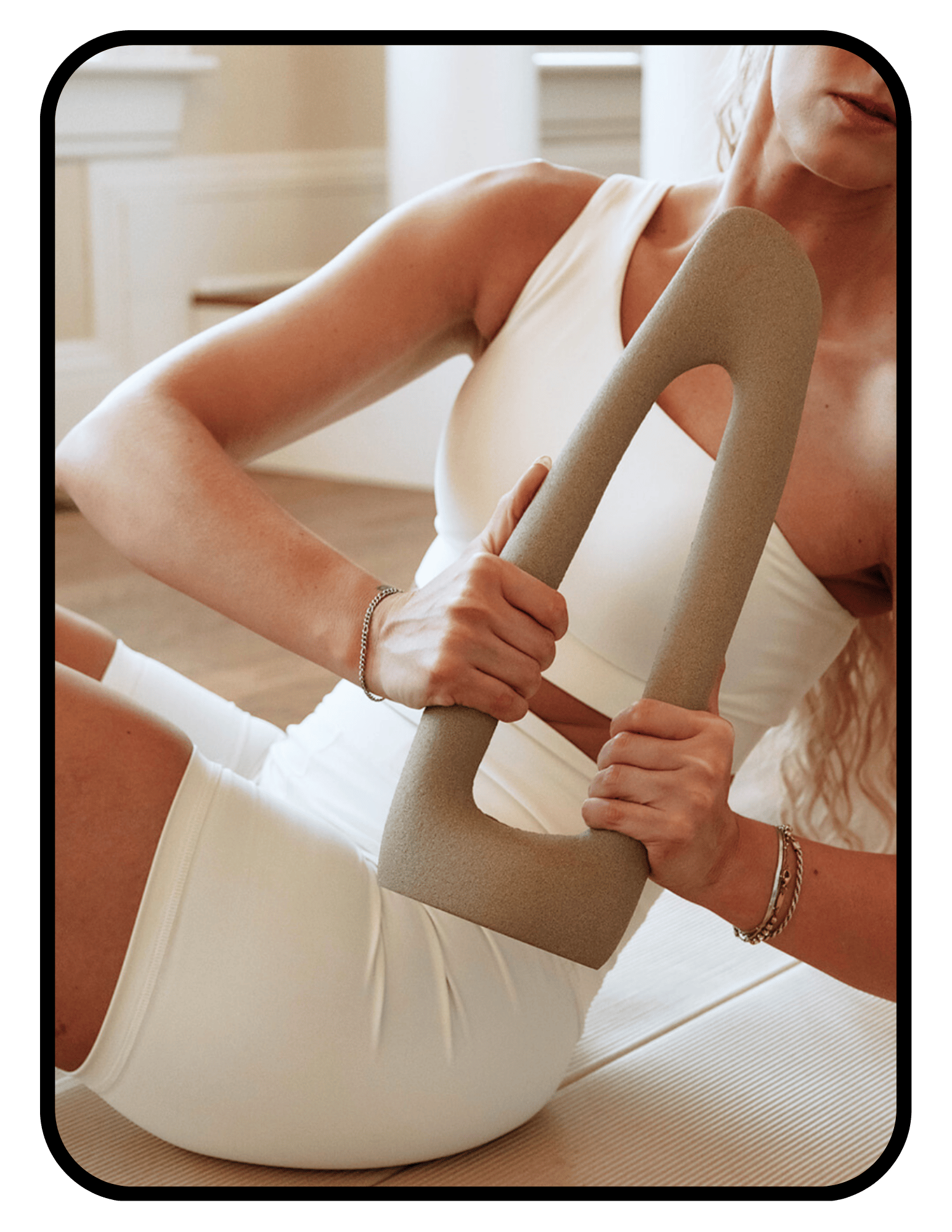
Natural Yoga Mats and Props
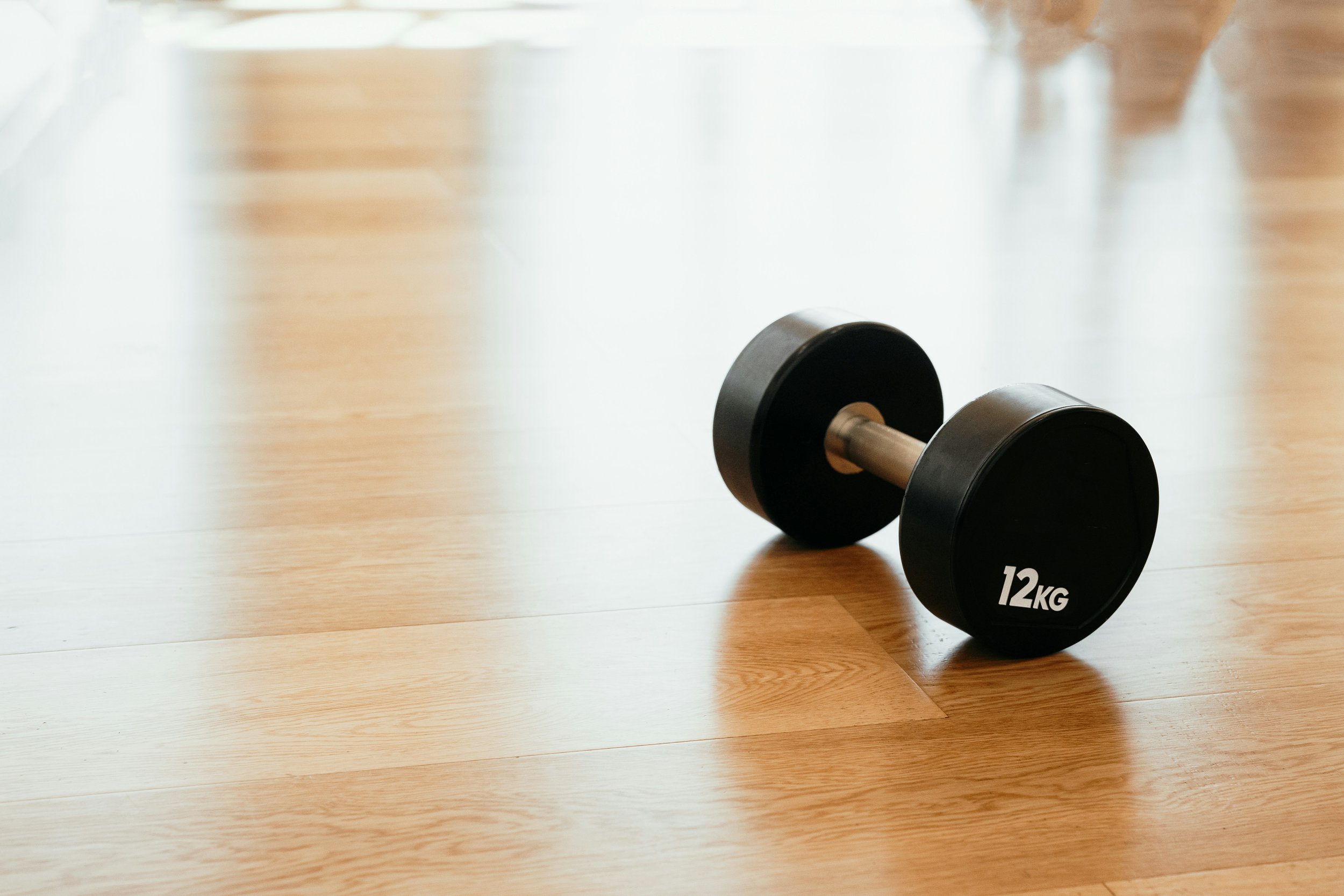
Plastic-Free Hand Weights
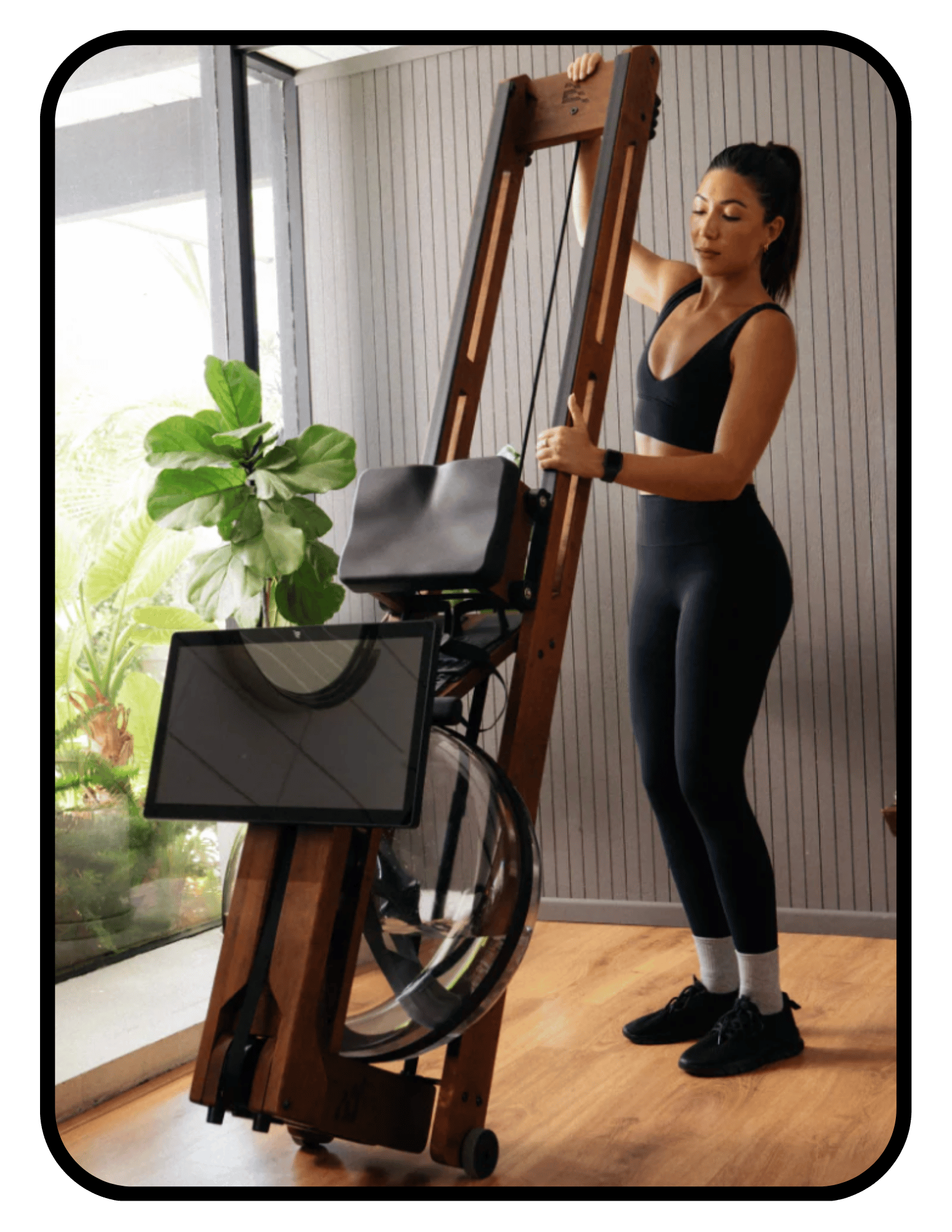

Coming Soon: Low-Plastic Cardio Equipment
Coming Soon: Post-Workout Recovery
Why Your Home Gym Environment Matters for Health
Your home gym requires different material considerations than other rooms because exercise creates unique exposure pathways, mainly via exaggerated inhalation and dermal absorption.
During workouts, you breathe faster and deeper (pulling in more airborne particles like PM 2.5 and VOCs.) Conventional yoga mats, foam props, and plastic-heavy exercise equipment release chemicals into the air you're breathing deeply during workouts. And, the typical home gym is also an enclosed space where not only off-gassing from synthetic materials concentrates, but CO2 builds up super quickly without proper ventilation.
Sweating increases dermal absorption of chemicals like PFAS and BPA, both common components of plastics, foam, and workout equipment coatings.
Beyond enhanced chemical exposure, most home gym equipment is made primarily from plastic and synthetic materials that shed microplastics during use, break down within a few years, and end up in landfills — think conventional yoga mats, plyometric boxes, and foam rollers. Durable, plastic-free alternatives made from natural materials, wood, and metal that last decades rather than years are becoming more common now, and are a major focus of this guide.
Last, home gyms also represent one of the easiest rooms to transition to plastic-free materials. Unlike kitchens where some plastic remains practically necessary, home gyms can be outfitted almost entirely with natural rubber, cork, wood, and metal—materials that perform better, last longer, and eliminate both chemical exposure and plastic waste.
The Main Health Concerns in Home Gyms
Understanding how exercise physiology affects material exposure helps you prioritize equipment choices for your non-toxic home gym.
Increased absorption during exercise through multiple pathways. Sweating opens pores and creates a moisture layer on skin that enhances dermal absorption of chemicals from yoga mats, equipment handles, and any surface you're touching during workouts. Body temperature elevation during exercise further increases absorption rates. Simultaneously, heavy breathing during cardio and strength training means you're inhaling 3-4 times more air per minute than at rest, pulling in more VOCs and airborne particles from off-gassing materials. Face-down positions during yoga, planks, and floor exercises place your nose and mouth inches from synthetic yoga mats releasing chemicals. These combined pathways—dermal and respiratory, in close proximity—create significant exposure during the 30-90 minutes you're exercising.
Microplastic generation from synthetic equipment during repetitive use. Most conventional fitness equipment uses synthetic rubber, foam, and plastic components that shed microplastic particles during the friction and compression of exercise. Yoga mats made from PVC or TPE release microplastic dust that becomes airborne during movement and settles on floors where it's tracked throughout the home. Foam yoga blocks and props break down with pressure and handling, shedding particles you're breathing and touching. Plastic-coated hand weights lose coating material over time. Resistance bands and foam rollers shed synthetic particles with every stretch and compression. These microplastics accumulate in home gym spaces and are inhaled during heavy breathing, contacted through skin, and tracked into other rooms.
Durability, longevity, and the plastic waste problem in fitness equipment. The fitness industry has normalized replacing equipment every few years despite natural materials offering decade-long durability. Conventional PVC yoga mats crack and degrade within 1-3 years. Foam props compress and lose shape. This creates continuous plastic waste while costing you more over time. Natural rubber yoga mats last 5-10+ years with proper care. Cork and wood props maintain structural integrity for decades. Cast iron and steel weights last generations. Choosing durable, plastic-free materials eliminates both ongoing chemical exposure and the environmental burden of disposable fitness equipment while providing long-term value.
How to Prioritize Changes in Your Non-Toxic Home Gym
Focus on the equipment you use most frequently and that creates the most direct contact during elevated absorption states.
Start with your yoga mat if you practice any floor-based exercise. Yoga mats create the most prolonged, direct skin contact in home gyms during the exact time when pores are open from sweating and you're breathing heavily with your face inches from the mat surface. Conventional yoga mats use PVC (releasing phthalates and VOCs), TPE (thermoplastic elastomer with undisclosed additives), or synthetic rubber with chemical stabilizers and plasticizers. Natural rubber yoga mats made from organic rubber trees eliminate synthetic materials and off-gassing while providing superior grip, durability, and performance. For those with latex sensitivity, organic cotton yoga mats or cork mats provide plastic-free alternatives.
Add natural yoga props second for supporting your practice. Yoga blocks, straps, bolsters, and blankets support your practice while also contacting your skin directly, though less thoroughly. Conventional yoga blocks use EVA foam (synthetic) with undisclosed additives that compress over time and shed microplastics. Cork yoga blocks and solid wood blocks provide firm, durable support without synthetic materials or degradation. Organic cotton yoga straps and blankets eliminate synthetic fibers and chemical treatments. Natural yoga props last years longer than foam alternatives while preventing microplastic generation during use.
Or, if you lift weight, replace hand weights second for durable, plastic-free strength training. Most hand weights use plastic coating over concrete, which chips and breaks, or neoprene covering over metal, which degrades and releases synthetic particles. Cast iron hand weights, steel weights, and wooden hand weights eliminate plastic entirely while providing superior durability and grip. Bare metal and wood develop patina over time rather than breaking down, and they'll outlast plastic-coated alternatives by decades. Just watch out for synthetic coatings applied to the wood or metal.
Consider plastic-free exercise equipment fourth for comprehensive home gym upgrades. As you expand your home gym, look for rowing machines, exercise bikes, and other cardio equipment made primarily from wood and metal rather than plastic-heavy construction. While it’s almost impossible to find a zero-plastic exercise machine, there are better options. Water rowers with wood frames, stationary bikes with steel construction, and similar equipment minimize plastic and foam components while offering better durability. This equipment category is more expensive than yoga mats and props, but choosing well-built, plastic-free options means buying once rather than replacing broken plastic equipment every few years. I’ll add specific exercise equipment models soon.
Natural Yoga Mats for Non-Toxic Home Gyms
Yoga mats create prolonged, direct skin contact in home gyms during the exact time when pores are open from sweating and you're breathing heavily with your face inches from the mat surface. Conventional yoga mats use PVC (releasing phthalates and VOCs), TPE (thermoplastic elastomer with undisclosed additives), or synthetic rubber with chemical stabilizers—all releasing chemicals into the air you're breathing deeply during practice.
Natural rubber yoga mats eliminate synthetic materials and off-gassing while providing superior grip when wet from sweat. For latex sensitivity, organic cotton yoga mats or cork yoga mats provide plastic-free alternatives. The home gym context makes material choice even more critical than casual yoga practice because enclosed spaces concentrate off-gassing and heavy breathing increases inhalation.
Shop natural rubber yoga mats with detailed material breakdowns, certifications, and specific product recommendations.
Yoga Props: Blocks, Straps, and Bolsters
While most props are made with foam, cork yoga blocks and wooden yoga blocks provide firm, stable support that doesn't compress or shed microplastics, lasting decades rather than years.
Likewise, organic cotton yoga straps with metal buckles eliminate synthetic webbing and plastic components.
Shop cork and wood yoga blocks, organic cotton straps, and natural yoga props with full material analysis.
Non-Toxic Hand Weights for Plastic-Free Strength Training
Cast Iron and Steel Weights Without Plastic Coating
Hand weights typically use plastic or neoprene coating over concrete or metal cores, which chips, breaks, and releases coating particles during use.
Cast iron hand weights and steel hand weights eliminate plastic entirely while offering better durability. With uncoated options, the bare metal develops a natural patina over time and can be easily cleaned without degrading a lacquer or coating. These weights last generations rather than years.
Wooden hand weights offer another plastic-free option, using solid wood construction for lighter weight options (1-5 lbs typically).
Shop cast iron hand weights and wooden hand weights for plastic-free strength training.
Plastic-Free Exercise Equipment
Wood and Metal Construction for Rowing Machines and Exercise Bikes
While yoga mats, props, and hand weights form the foundation of most home gyms, larger exercise equipment represents the next frontier for plastic-free fitness. Water rowing machines with wood frames, exercise bikes with steel construction, and similar equipment minimize plastic components and last longer.
These machines cost more upfront than plastic-heavy alternatives, but the investment pays over time through decades of use and a better health profile.
More specific exercise equipment models that prioritize wood and metal construction over plastic will be added soon. The same principles that make natural rubber yoga mats superior to PVC—durability, lack of off-gassing, elimination of microplastics—apply to larger equipment built from natural and metal materials.
Moving Forward With Your Non-Toxic Home Gym
Start with your yoga mat if you're practicing any floor-based exercise, then upgrade your props or hand weights as budget allows. Each upgrade eliminates ongoing chemical exposure during the elevated absorption that happens during workouts, while also reducing plastic waste and providing equipment that will last for years or decades rather than needing replacement.
The home gym represents one of the most straightforward rooms to make plastic-free, since natural alternatives perform as well or better than synthetic options across nearly every category. Your exercise should support your health, not undermine it through chemical exposure from the equipment you're using.

More Healthy Design for You


Non-Toxic Blackout Curtains
Organic Mattress Toppers
Shower Purifier Heads That Actually Work
Movement-Inspiring Desk Chairs
Product Reviews ➜ Home Gym