Articles
A collection of short articles I’ve written about home health.

Why Your Skin Gets So Dry in Winter (And What Actually Works)
Cold weather and dry indoor heat strip your skin's moisture barrier, leaving your face tight and your hands cracked. Learn how filtered shower heads, humidifiers, air quality monitors, and air purifiers prevent winter dryness better than moisturizers alone—keeping your skin soft and hydrated all season.

Top Five Ways To Reduce PFAS in Your Home
You can't avoid PFAS entirely, but you can dramatically reduce your exposure to these persistent "forever chemicals" found in 45% of US tap water and countless household products. This guide covers the five most effective interventions based on the science of how PFAS enters your body.
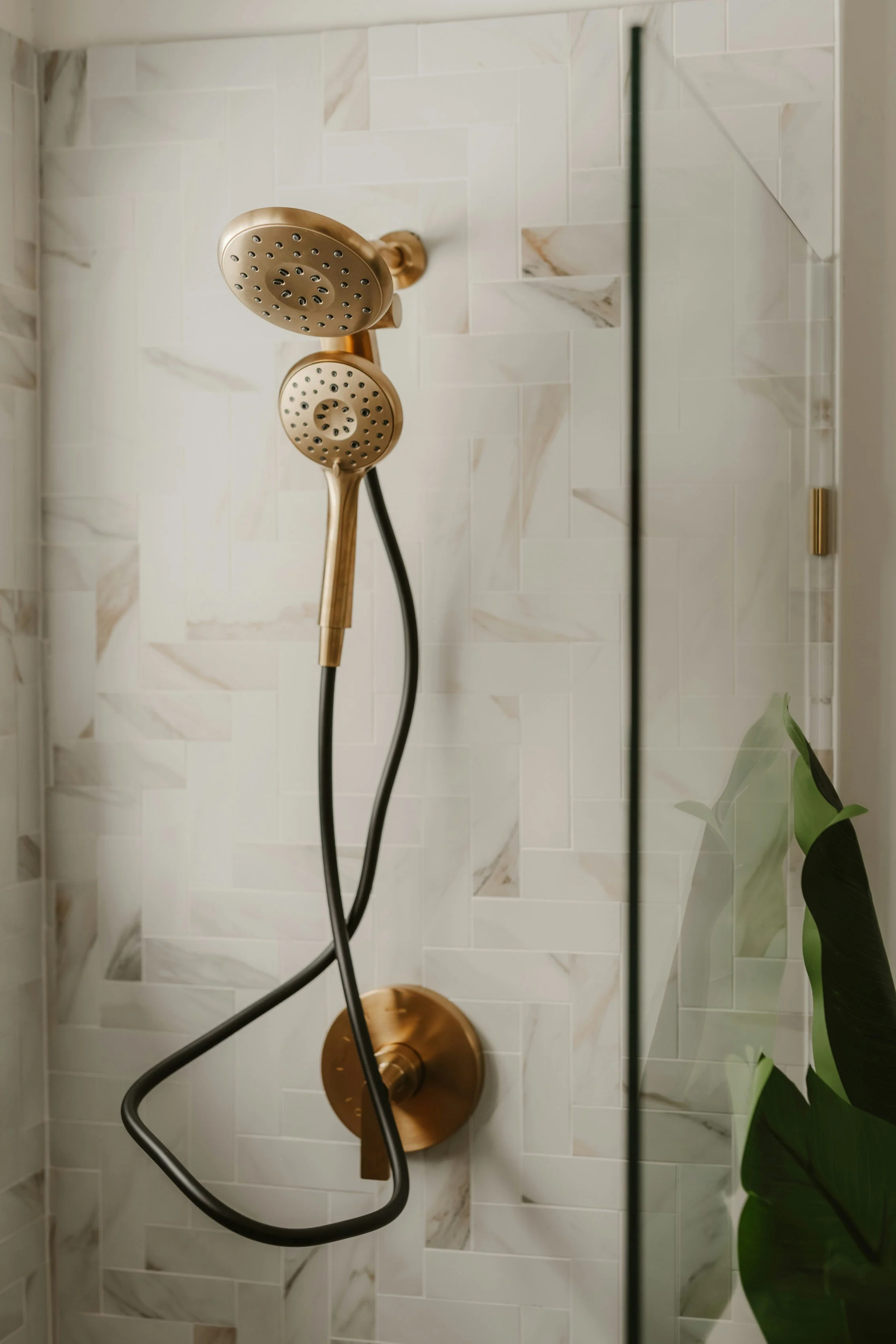
The Surprising Health Benefits of Using a Filtered Shower Head
Your daily shower could be damaging your skin, hair, and lungs—but most shower filters don't actually work. I explain the real health benefits of filtered water and how to find filters that are actually certified to remove contaminants.

Can Granite Countertops Release Radon? (And Other Surprising Sources No One Talks About)
Can granite countertops release radon into your home? What about well water or natural gas? I separate fact from fiction about uncommon radon sources—and explains why air purifiers won't fix the problem.

Why Radon Testing Is More Important Than You Think (And How to Do It Right)
Most people test for radon when buying a house—then never think about it again. But a 2019 study found that 99% of short-term radon tests are inaccurate, and without proper long-term monitoring, you could be living with dangerous levels without knowing it.

Do Air Purifiers Really Help with Dust? What the Science Says
Yes, air purifiers help with dust—but only if you choose the right filter technology and size them correctly. This guide explains what works, what doesn't, and how to create a comprehensive dust reduction strategy.

Air Purifiers During Wildfire Season: A Physician's Guide to Protecting Your Indoor Air
Wildfire smoke contains over 100 toxic compounds including PM2.5 particles, carbon monoxide, and volatile organic chemicals. Research shows indoor PM2.5 levels reach 30-100% of outdoor concentrations during smoke events, with respiratory hospitalizations increasing 5-12% per 10 μg/m³ exposure. This guide explains which air purifier features effectively remove both particles and gases, how to size units for maximum protection, and strategies to reduce indoor smoke exposure by 50-80%.

Sunrise Alarm vs. SAD Lamp: Which One Should You Use for Winter Blues?
Sunrise alarms and SAD lamps are both used for seasonal mood support, but they work in different ways. One shifts your circadian rhythm through gradual morning light. The other delivers a therapeutic light dose that directly affects serotonin and melatonin regulation. Here's how to decide which one you actually need, and why I use both.
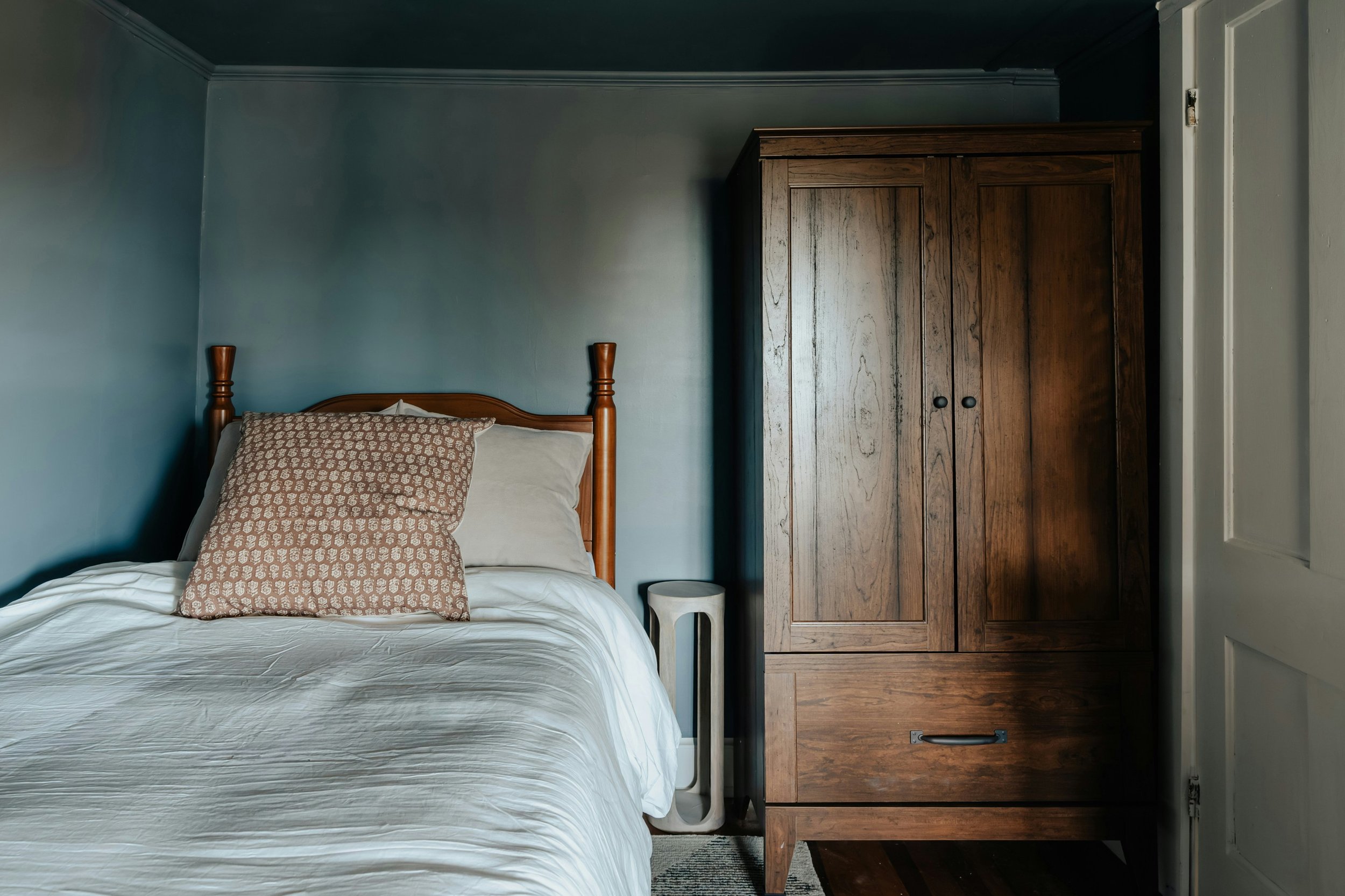
Why "Organic" Bedding Labels Don't Mean Much (And What to Look for Instead)
You might assume "organic" bedding is automatically the healthier choice. But, it's not, at least not without the right certification behind it. Fabric processing is surprisingly chemical-intensive, and "organic" only tells you about the starting fiber, not what happens to it afterward. Here's how to actually read a bedding label.

Are PFAS-Free Coatings on Furniture Safer Than PFAS? Here's What We Know
Furniture companies have been replacing PFAS with plant-based "C0 DWR" coatings — but the exact ingredients still aren't disclosed, even to the brands using them. Here's what we know, what we don't, and whether PFAS-free performance upholstery is worth it.

How to Reduce Blue Light Exposure in Your Home (Without Becoming a Pioneer)
You don't have to go full pioneer to reduce blue light exposure at home. A few targeted changes — TV display settings, the right bulbs, a dark alarm clock, and blackout curtains — make a real difference without much effort. Here's exactly what I do in my own house.

Blackout Curtains That Don’t Off-Gas
Most blackout curtains achieve their light-blocking through PVC or foam backing — materials that off-gas VOCs, especially when heated by sunlight in a window. Given that you're sleeping in the bedroom with them for eight hours a night, the material choice matters. Here's what the healthier options are actually made of.

Does the Color of Your Room Actually Affect Your Mood?
Color psychology is everywhere in interior design advice — paint your bedroom blue to feel calm, avoid red if you want to relax. The research behind these claims is much weaker than the confidence with which they're repeated. Here's what the science actually says, and what matters more than color choice.

Are Candles and Incense Toxic? (And How to Make Them Less Harmful)
Most candles release endocrine-disrupting chemicals when burned, and standard incense produces more particulate matter than a cigarette. That doesn't mean you have to throw them all out. There's a spectrum here, and several practical ways to reduce exposure while still enjoying scent and ambience at home.

How to Choose a Non-Toxic Couch
GreenGuard Gold doesn't mean non-toxic. Here's what that label actually measures, and what to look for instead when shopping for a healthier couch.

Why Do Some Sheets Make You Sweaty?
Whether you wake up drenched or sleep fine comes down to fiber structure, not thread count. Linen, wool, cotton, and polyester all behave differently at night — and the mechanisms are more interesting than you'd expect, especially when you see what they look like under a microscope.

What’s in Foam?
Polyurethane foam starts as petroleum and gets processed with a long list of chemical additives, some of which migrate out over time. Here's what's actually in it and what that means for your health.