Creating a Non-Toxic Kitchen: A Complete Guide to Healthier Cookware, Water Filters & Kitchen Essentials
Read the guide below, or click on a category to shop for healthier kitchen products.


Dining Tables
Dish Racks

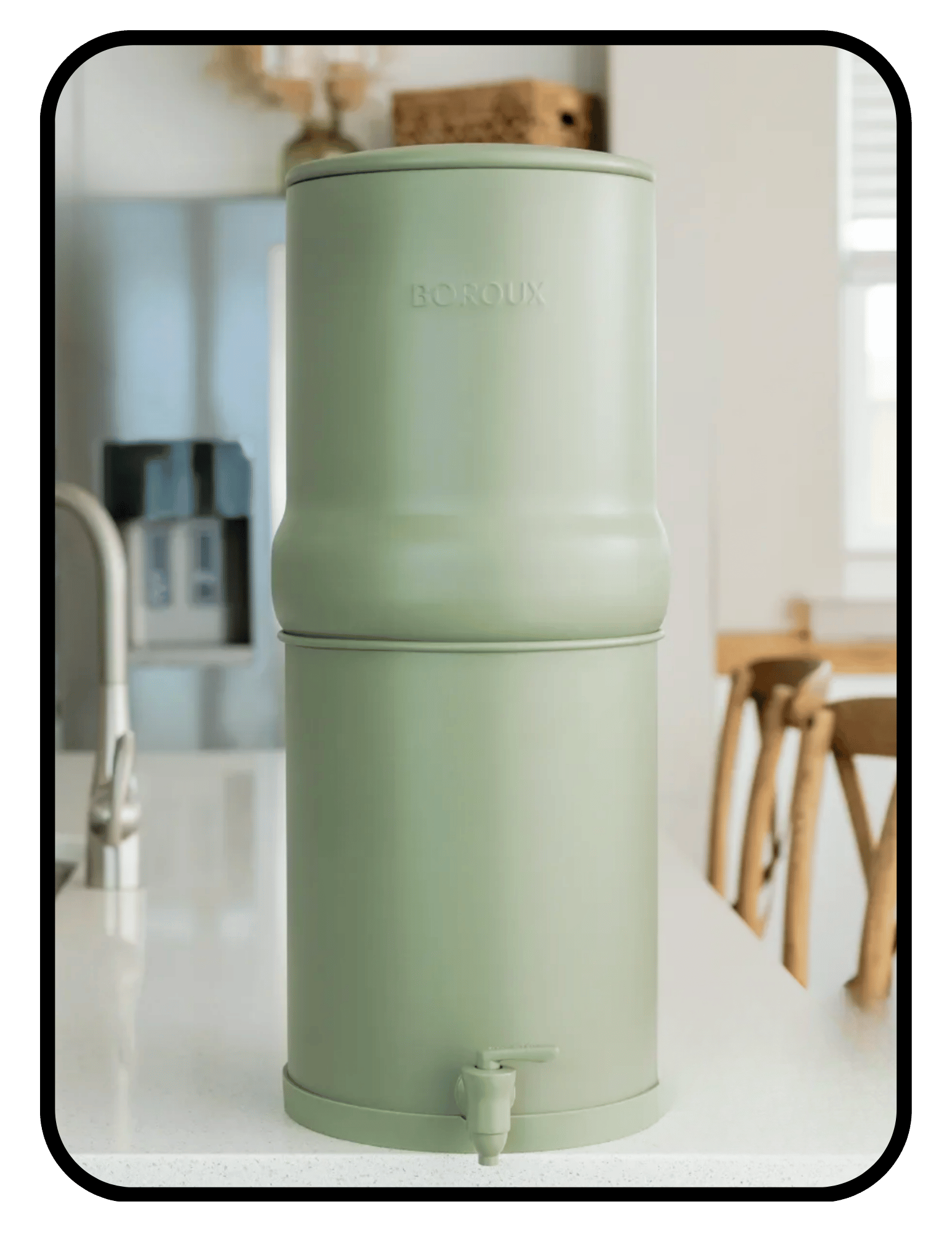
Under Sink Water Filters
Countertop Water Filters


Coffee Makers
Non-Toxic Cookware

Safe Dishware
Non-Toxic Bakeware
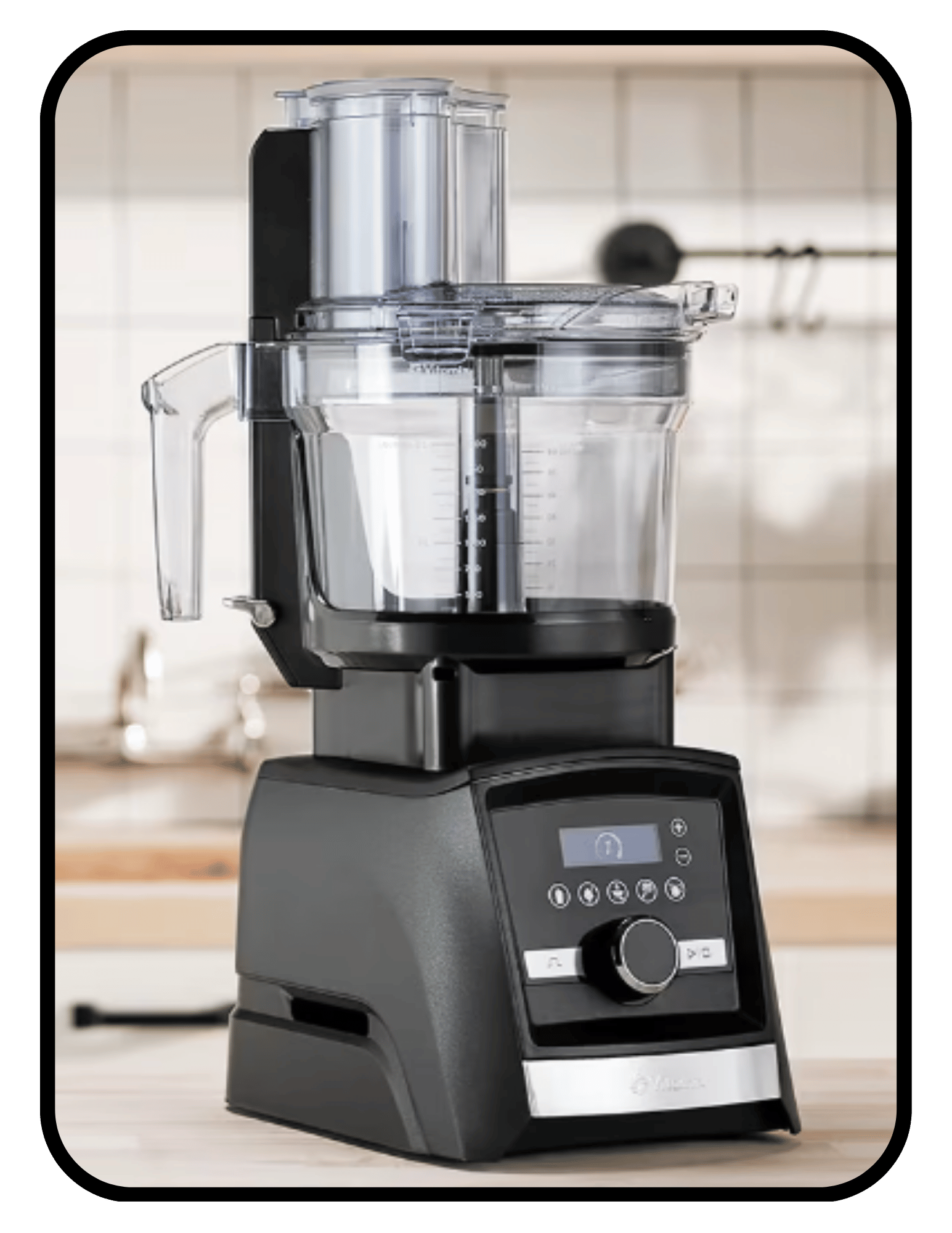

Food Processors
Slow Cookers


Cooking Tools
Safest Cutting Boards
Why Your Kitchen Environment Matters for Health
Apart from indoor air quality, your kitchen presents the most direct pathway for chemical exposure in your home: materials that touch your food and water become part of what you ingest. Unlike other rooms where exposure happens through inhalation or skin contact, kitchen materials move directly into the food you eat and water you drink, creating a bioavailable pathway where microplastics and chemicals enter your bloodstream through your digestive system.
This direct ingestion route makes kitchen material choices more critical than materials in other rooms. When non-stick cookware reaches high heat, PFAS coatings migrate into both your food and air. When water passes through contaminated pipes or comes from a less-than-healthy municipal supply, you're exposed to lead, chlorine, PFAS, and other contaminants. When hot food sits in plastic containers, phthalates and BPA leach into oils and acids.
Beyond ingestion, kitchens generate high humidity from cooking steam, poor air quality from combustion (gas stoves release NO2, CO, and particulates), and sustained heat that accelerates off-gassing from cabinets, flooring, and furniture. You're preparing the food that fuels your body in an environment that should support you as much as your nutrition does.

The Three Main Health Concerns in Kitchens
Understanding where kitchen health issues originate helps you prioritize effectively when creating a non-toxic kitchen.
Direct material contact creates ingestion exposure. Kitchen materials leach directly into what you consume, creating one of the most bioavailable exposure pathways in your home. Non-stick cookware coatings migrate into food at high heat or with scratching. Heavy metals from pipes contaminate drinking water. Plasticizers from food storage containers transfer into oils and acids. Ceramic glazes with lead or cadmium leach into hot, acidic, simmered foods. This ingestion pathway means chemicals go straight into your digestive system and bloodstream—a more direct route than inhalation or dermal exposure in most scenarios.
Air quality: high humidity and poor ventilation create multiple exposure pathways. Cooking generates substantial steam and humidity that, without proper ventilation, promotes mold growth and bacterial build up (you know this if you’ve experience a musty dish drying towel or sponge.) Gas stoves add combustion byproducts including nitrogen dioxide, carbon monoxide, and particulates that accumulate without proper ventilation. Heat from cooking accelerates off-gassing from conventional cabinets with formaldehyde-based adhesives, synthetic countertops, and vinyl flooring, though this is a secondary concern compared to direct food contact. This combination of humidity, heat, and combustion byproducts requires active ventilation management.
Water quality affects everything you consume. Municipal tap water commonly contains chlorine, chloramines, heavy metals (lead, copper, arsenic), PFAS, microplastics, trihalomethanes, nitrates, and pharmaceutical residues. Well water adds bacteria, parasites, pesticides, and agricultural runoff. Unlike bathroom water where exposure is through inhalation and skin absorption, kitchen water is ingested directly—in drinking water, coffee and tea, foods cooked in water, and produce washed in water. Unfiltered water means every glass, meal, and beverage introduces these contaminants into your body through the most direct exposure route.
How to Prioritize Changes in Your Non-Toxic Kitchen
Focus your efforts where exposure frequency has the greatest impacts on your health:
Start with exhaust ventilation if you can only change one thing. Running your range hood during all cooking—and for 20-30 minutes afterward—removes combustion byproducts from gas stoves (nitrogen dioxide, carbon monoxide, particulates), cooking fumes and particles from all stoves, and excess humidity that promotes mold growth. This single habit change costs nothing if you already have a range hood, and provides immediate reduction in respiratory irritants and mold risk. Gas stove combustion byproducts can spike indoor air quality to levels considered unhealthy by outdoor standards, and accumulate throughout your home without proper ventilation. It happens surprisingly quickly— see my short video showing how quickly my indoor air pollution rises cooking a regular meal here.
Address drinking water filtration second. Water is the most direct ingestion exposure in your kitchen— contaminants have a chance to affect you not just when you’re drinking water, but in coffee, tea, and foods cooked in water. Under-sink water filters or countertop filters with NSF certification for specific contaminants (lead, chlorine, PFAS, VOCs) provide measurable reduction in ingestion exposure. Water exposure is daily and unavoidable, affecting everything you consume.
Cookware comes third because of high-heat food contact. Non-stick cookware with standard non-stick coatings migrate PFAS chemicals directly into what you eat at cooking temperatures. Cast iron, stainless steel, ceramic, and enameled cast iron cookware are very safe for most people, unless you have an allergy to nickel or chromium, struggle with neurodegenerative disease, or are using vintage enameled cookware that may contain heavy metals. Since you're consuming whatever leaches from cookware surfaces, this creates significant cumulative exposure over years of daily cooking. Read more about the science behind this in my Metal Guide and Coatings Guide.
Dishware and food storage come fourth for acidic food contact. Plastic food storage containers and dishware leach phthalates and BPA into oils and acids, especially when heated. Glass or certified lead-free ceramic dishware plus glass food storage eliminate leaching during the extended contact time when food sits on plates or in containers. The exposure is lower than cookware because dishware isn't heated as intensely, but acidic foods still cause leaching over time.
Dining tables matter fifth for formaldehyde off-gassing during meals. Particle board and MDF dining tables release formaldehyde into the air you breathe. Solid wood dining tables with low-VOC finishes eliminate this off-gassing during the concentrated time when your family gathers around the table.
Bakeware, cutting boards, and cooking tools come sixth. Non-stick bakeware has the same PFAS concerns as cookware but typically sees lower temperatures and less frequent use. Plastic cutting boards and utensils shed microplastics and harbor bacteria many times longer than wood, steel, and titanium versions. These items matter but have lower priority than cookware and dishware with more direct food contact.
Kitchen appliances and small changes happen anytime. Coffee makers with glass or stainless steel components instead of plastic, food processors with stainless steel bowls, and dutch ovens and slow cookers with safe cooking surfaces all reduce plastic exposure during food and beverage preparation. Dish racks made from natural materials prevent prolonged water contact with coated metals or plastics. These improvements complement major changes but their priority will depend on how frequently you use them.
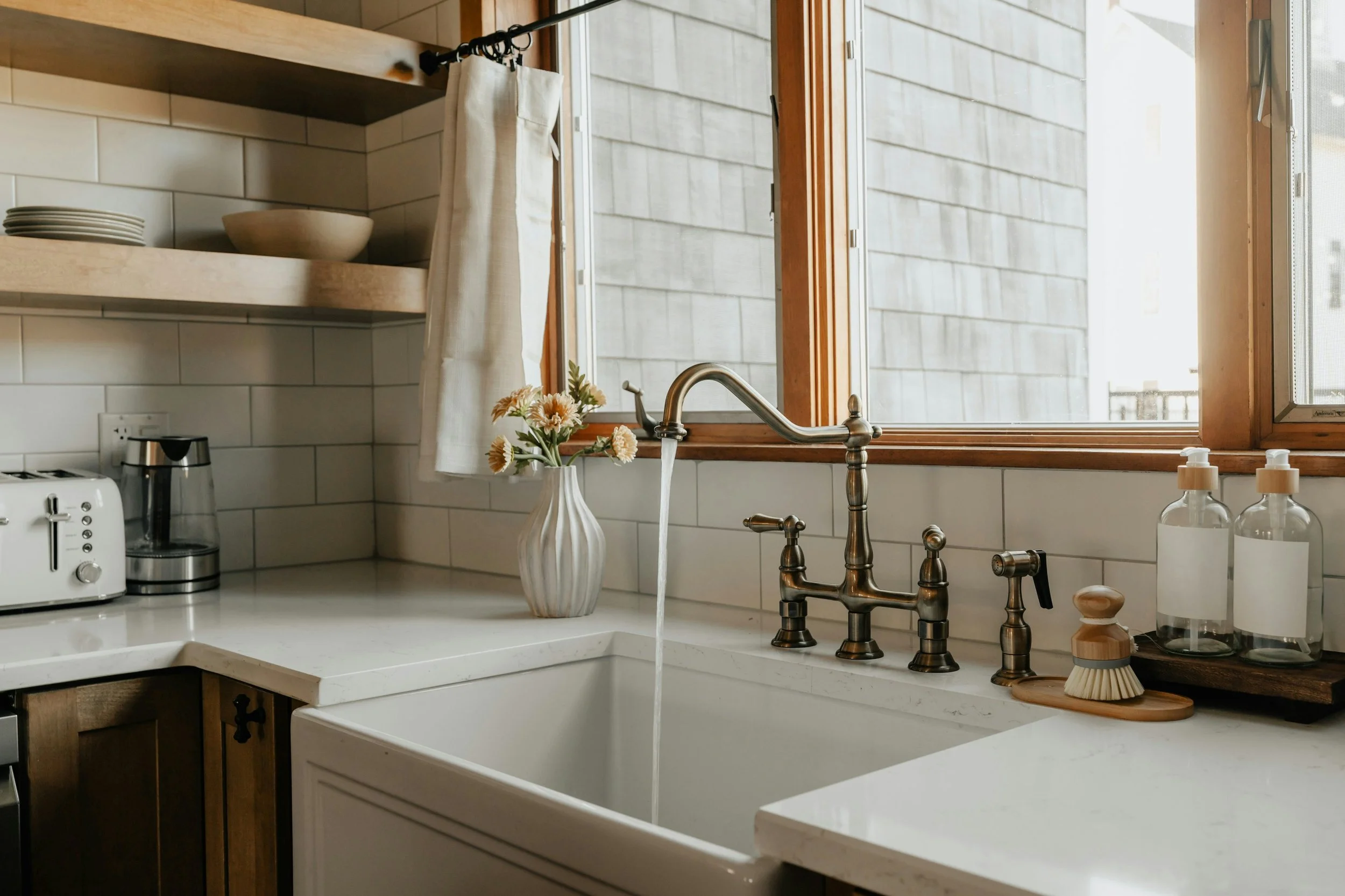
Water Quality and Filtration in Kitchens
Drinking Water Filters for Non-Toxic Kitchens
Water filtration deserves top priority in kitchen health because of the direct ingestion pathway—you're consuming contaminants in every beverage and food prepared with water.
Municipal tap water commonly contains chlorine and chloramines, heavy metals including lead from aging pipes, PFAS (forever chemicals increasingly detected nationwide), VOCs from industrial contamination, trihalomethanes (carcinogenic disinfection byproducts), and microplastics present in most water supplies. You can check what’s in your water by searching your zip code in the EWG Database.
Well water adds bacteria and parasites (E. coli, giardia, cryptosporidium), nitrates from agricultural runoff, pesticides and herbicides, and naturally occurring arsenic or uranium depending on geology.
The water filtration market is filled with exaggerated claims— so much healthwashing exists because water contaminants are invisible, and usually odorless and tasteless. Look for filters with NSF/ANSI certification for specific contaminants you want removed— and that display results about how long the filters removed them for. Without third-party testing, you're trusting manufacturer claims that may not reflect real-world performance.
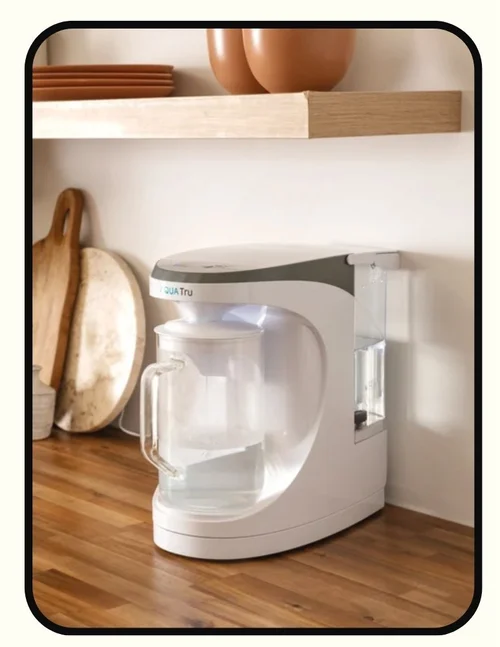
Under-sink water filters provide point-of-use filtration for drinking and cooking water, typically using multi-stage filtration (sediment, carbon block, and optionally reverse osmosis). Countertop water filters offer portable filtration without installation.
Since you're ingesting kitchen water directly multiple times daily in drinking water, coffee, tea, soups, pasta, rice, and washed produce, comprehensive filtration with verified performance provides the most important health intervention in your kitchen.
Shop NSF-certified under-sink water filters that actually work, and browse countertop water filters with contaminant removal comparisons— you might be surprised how few gallons some popular models work for!
Non-Toxic Cookware and Food Contact Surfaces
Safest Cookware Materials for Non-Toxic Kitchens
Cookware deserves second priority in kitchen health because materials in direct contact with food at high heat leach chemicals straight into what you eat. This isn’t always a bad thing, and using cast iron can even be helpful for some struggling with anemia, but there are some things to look out for:
Conventional non-stick cookware contains PFAS (forever chemicals) in coatings that break down at high heat and migrate into food. New “non-toxic non-stick ceramic” coatings are better, though still made of sol-gel and proprietary ingredients, so we don’t know exactly what we’re ingesting. Nickel and chromium in stainless steel are very safe for most people, but if you have an allergy, can cause skin rash after eating foods cooked in it. Aluminum is also very safe for most, but if you already have a neurodegenerative disease or serious inflammatory condition, it’s harder on your body. Read more about these details in my Metal Guide and Coatings Guide.
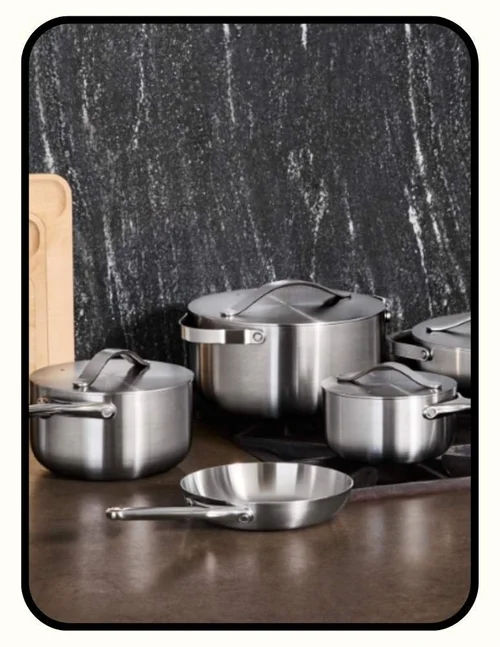
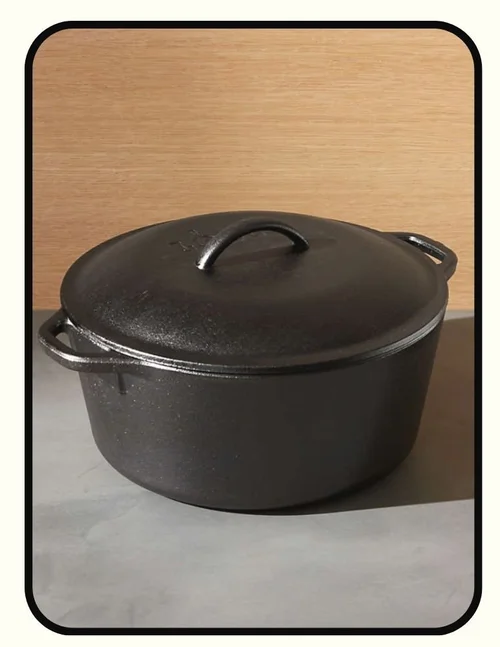
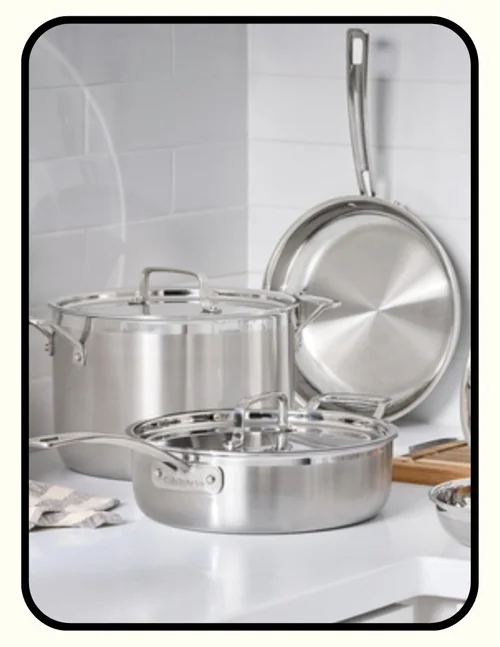
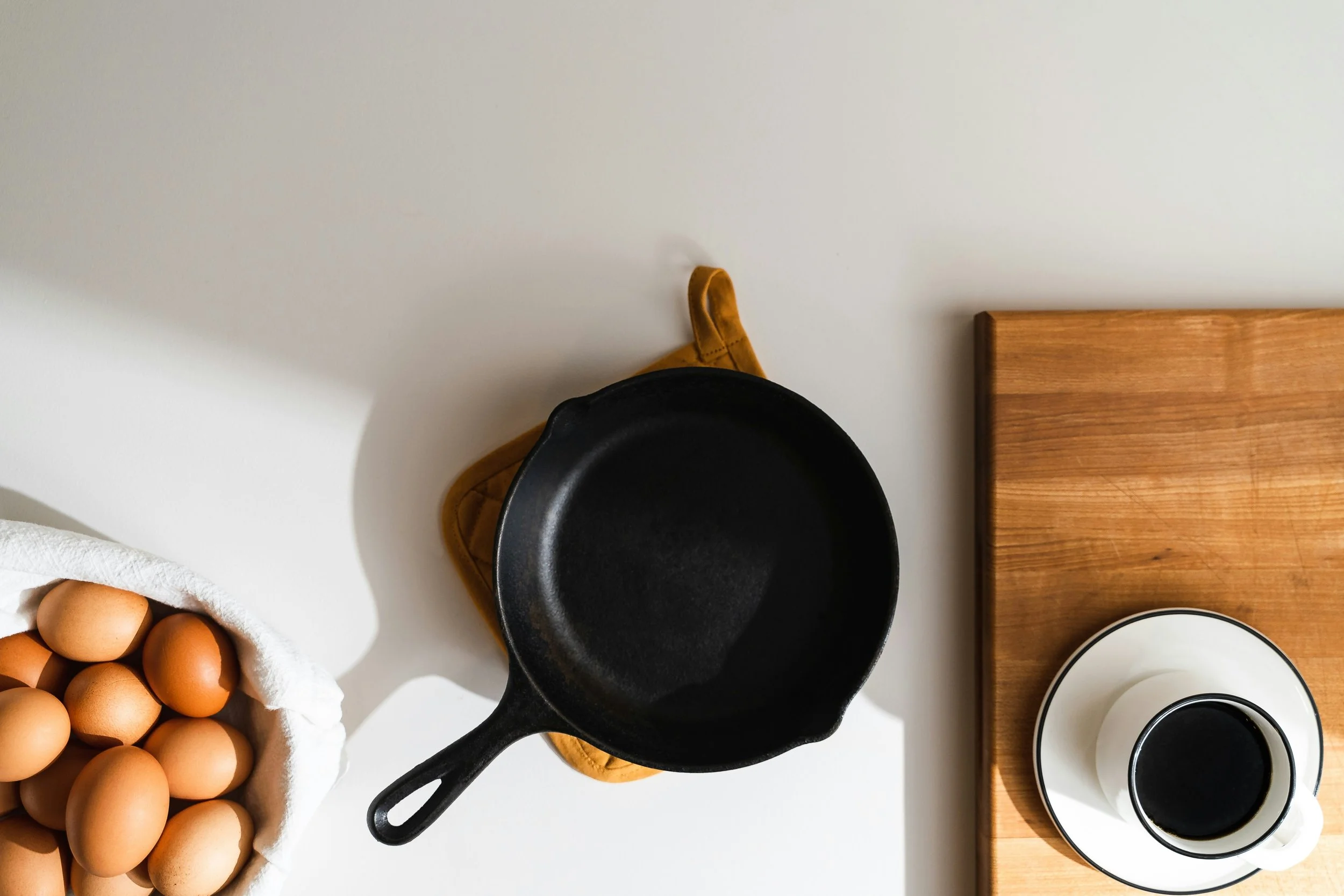
The safest non-toxic cookware materials include cast iron, stainless steel, titanium, carbon steel, and even ceramic.
Since you're consuming whatever leaches from cookware during the high-heat food contact that happens multiple times daily, choosing materials that don't release chemicals at cooking temperatures eliminates significant cumulative exposure over years of use.
Shop non-toxic cookware with material-specific use recommendations.
Safe Dishware and Plastic-Free Alternatives for Non-Toxic Kitchens
Dishware matters because acidic foods and hot liquids can cause leaching during the contact time when food sits on plates or beverages sit in mugs.
Melamine dishware is often marketed as non-toxic, but it is a type of plastic that often contains formaldehyde and melamine can leach into food when exposed to heat or acid. While each individual exposure from one meal is low, this adds up over time. Since it’s easy to avoid and use another material instead, I recommend doing so.
Bamboo dishware typically contains melamine-formaldehyde resin as a binder and has the same leaching concerns as pure melamine. Others contain other glues to hold the small strips of bamboo together. Although bamboo is technically eco-friendly and grows quickly, most bamboo plates and bowls should be avoided for this reason.
Plastic dishware leaches phthalates, BPA, and other plasticizers into food, especially when heated or in contact with fatty or acidic foods. "BPA-free" replacements are often similarly concerning and considered “regrettable substitutions.” Reducing plastic dishware is part of creating a plastic-free kitchen or low-plastic kitchen. Even when plastic doesn't directly leach harmful amounts into food, reducing overall plastic use eliminates potential microplastic generation and supports broader environmental health goals.
Ceramic and porcelain can contain lead or cadmium in decorative glazes—especially brightly colored, hand-painted, or imported pieces. Both heavy metals leach into acidic foods and hot liquids and accumulate in the body over time. Look for certified lead-free ceramic with third-party testing, preferably made in the US, Canada, or Europe where regulations are stricter.
Safe dishware options include glass (completely non-reactive), stainless steel (durable and safe for most uses), and verified lead-free ceramic with explicit testing documentation.
Shop safe dishware materials with testing information.
Non-Toxic Bakeware Without PFAS
Bakeware presents the same PFAS concerns as stovetop cookware but typically operates at lower temperatures and less frequent use. Conventional non-stick baking sheets, muffin tins, and cake pans contain PFAS coatings that can still break down at baking temperatures (350-450°F) and migrate into baked goods.
Safe non-toxic bakeware materials include stainless steel, cast iron, or glass. Some of the new, non-toxic non-stick ceramic options are healthier than others (some, like Great Jones, still contain PFAS.)
Browse non-toxic bakeware with material comparisons.
Plastic-Free Cutting Boards
Plastic cutting boards have a problem— knife grooves harbor bacteria and they shed microplastics directly into food during chopping —these microplastics end up in your food, your body, and our environment.
Studies show plastic boards harbor more bacteria than wood boards despite being "easier to clean." Wood cutting boards are naturally antimicrobial and kill bacteria completely within minutes (there are studies on this!) Titanium is also a safe choice, if you’d like the ease of dishwasher-safe material that is still non-plastic.
Kitchen Furniture and Storage
Solid Wood Dining Tables for Non-Toxic Kitchens
Particle board and MDF dining tables are made with wood dust mixed with formaldehyde-containing resins, and pieces are often held together with high-VOC glues. Many have plastic veneers attached to mimic the look of “real wood.” Some dining tables that are made with real wood are still finished in high-VOC stains and lacquers. See the brands of solid wood furniture I recommend here, assessed for the wood (or “wood”) itself, the stains and finishes used on it, and the adhesives holding it together— it’s more complicated than meets the eye.
Solid wood dining tables made from hardwoods like oak, maple, or walnut with water-based stains and zero-VOC finishes eliminate formaldehyde off-gassing during mealtimes. Look for GreenGuard Gold certification or explicit zero-VOC claims for stains and finishes.
Shop solid wood dining tables with finish details and material certifications.
Food Storage and Kitchen Organization
Food storage containers create extended contact between materials and food, especially when storing leftovers with oils or acids that accelerate leaching. Plastic food storage containers leach phthalates and BPA into foods, particularly when heated in microwaves or when storing fatty or acidic foods.
Glass food storage containers eliminate plastic leaching during the hours or days food sits in storage. Glass is completely non-reactive and doesn't retain odors or stains.
For longer-term kitchen organization and food storage, avoid plastic bins in favor of glass jars or stainless steel containers for dry goods storage.
Kitchen Air Quality and Ventilation
Cooking Fumes and Range Hood Ventilation
Cooking generates significant air quality concerns. Gas stoves release nitrogen dioxide (NO2), carbon monoxide (CO), and particulate matter (PM 2.5) that accumulate in enclosed kitchens. Even electric or induction stovetops produce particulates from cooking any food— just like with wildfire smoke, any time you combust or cook, you generate fine particles that enter your lungs and bloodstream. Since PM 2.5 exposure is linked with so many chronic disease issues— especially heart disease, and very likely, Alzheimer’s and dementia, it’s absolutely worth reducing as much as possible daily.
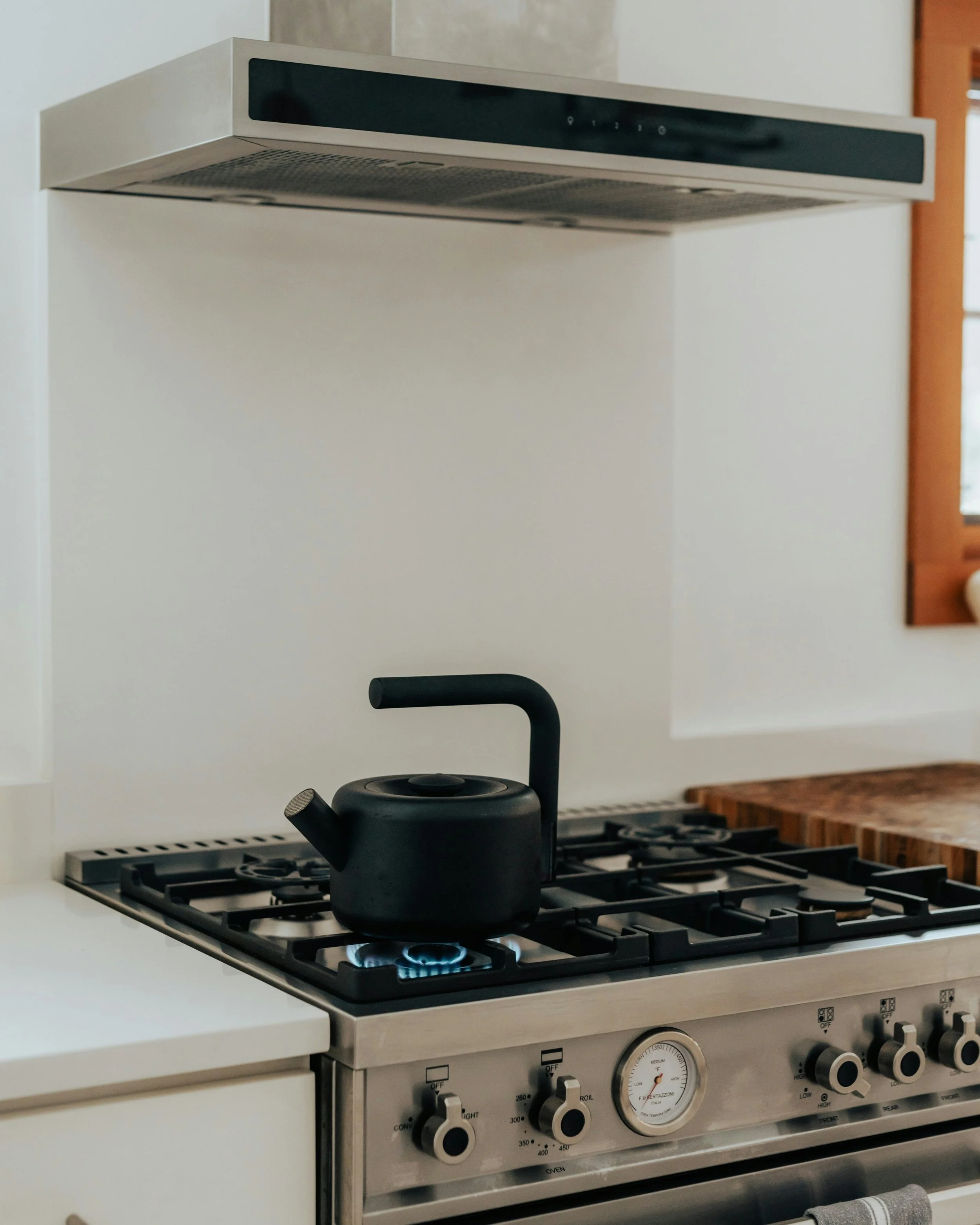
Range hoods that vent to the outdoors (not recirculating) remove cooking fumes, steam, and combustion byproducts before they accumulate in your kitchen and spread throughout your home. The hood should cover your entire cooking surface and operate at sufficient CFM (cubic feet per minute) for your kitchen size.
Use your range hood during all cooking, even on electric stoves, to capture particulates from cooking oils and food. Open windows when possible to supplement mechanical ventilation. This is the first, most important thing you can do in your kitchen!
Kitchen Humidity and Mold Prevention
Cooking generates substantial humidity from boiling water, steaming vegetables, and general food preparation. Like bathrooms, kitchens require humidity management to prevent mold colonization on surfaces, in corners, and under sinks.
Run exhaust fans during cooking and for 20-30 minutes afterward, particularly during boiling, steaming, or other high-moisture cooking. Wipe down surfaces that accumulate moisture, especially around sinks and cooking areas. Check under sinks regularly for leaks that create chronic moisture problems.
Monitor kitchen humidity with indoor air quality monitors to verify ventilation keeps levels below 60% even during cooking activities.
Kitchen Appliances and Small Equipment
Coffee Makers and Beverage Preparation
Most all coffee brewers and espresso machines use plastic water reservoirs, plastic tubing, and plastic brew baskets where hot water contacts plastic surfaces before reaching your coffee. Choosing low-plastic or plastic-free coffee makers reduces this daily exposure.
Safer coffee maker options include glass or stainless steel water reservoirs, minimal plastic in the water path, and stainless steel permanent filters instead of paper filters with bleach residue.
French press coffee makers with glass carafes and stainless steel filters eliminate plastic from the brewing process entirely. Pour-over methods with glass or ceramic drippers offer similar benefits.
Since coffee and tea are consumed hot daily—often multiple cups—and since hot water leaches chemicals more readily than cold water, choosing brewing equipment that minimizes plastic contact reduces daily chemical exposure in one of the most frequent beverage preparations.
Shop coffee makers with material breakdowns, with a focus on low-plastic brewing.
Food Processors and Small Appliances
Food processors, blenders, and other small kitchen appliances typically include plastic components that contact food. While avoiding plastic entirely in motorized appliances is difficult, and these are usually an occasional-use item, there are a few models that minimize plastic.
Dish Racks
While chrome-plated metal dish racks are generally safe for you, as it’s an inert finish once its applied, and plastic dish racks pose minimal risk of chemical transfer to dishes relative to other surfaces, choosing materials that are sustainable, dry quickly, and resist mold growth are beneficial to your health and the planet.
One of the main concerns with dish racks, aside from material health, is moisture retention—wet surfaces that stay damp for extended periods promote mold and bacterial growth that can transfer to your clean dishes.
Diatomaceous earth dish racks, wood, and stainless steel options all provide rapid drying and natural antimicrobial properties that reduce mold and bacterial colonization compared to conventional racks that stay wet longer. Quick-drying materials mean less opportunity for microorganisms to establish on surfaces that contact your clean dishes. It also reduces plastic use in your kitchen.
Shop natural dish racks made from diatomaceous earth, wood, or steel with quick-drying properties.
Moving Forward With Your Non-Toxic Kitchen
Creating a healthier, non-toxic kitchen means addressing the most direct pathway for chemical exposure in your home—materials that leach into the food you eat and water you drink. You now understand why kitchen material choices matter more than materials in other rooms due to the ingestion pathway, how high heat accelerates leaching, and where to focus your efforts first.
Whether you're starting with drinking water filtration to address daily ingestion exposure, replacing non-stick cookware to eliminate PFAS leaching during high-heat cooking, or upgrading to safer dishware, each change reduces the chemicals entering your body through the most direct route.
The most important step is addressing drinking water quality first, since this affects everything you consume multiple times daily. From there, tackle cookware materials, dishware safety, and dining furniture in order of food contact frequency and heat exposure.
For detailed buying guides with specific material comparisons, filtration performance data, lead testing information, and product recommendations for water filters, non-toxic cookware, safe dishware, and all kitchen essentials, explore the product pages linked throughout this guide.
Don’t see what you’re looking for? Request a review, or check it yourself in seconds with the Second Opinion Product Checker. Spot something outdated? Let me know and I’ll update it. Join the spam-free newsletter for interesting info and to hear when new reviews are up.
FYI, “non-toxic” has no official definition, so I rate every product with the same method. It’s built on third-party certifications and published test data, not brand claims. For a deeper dive, my free course walks you through it.
Everything on Interior Medicine is educational information, not medical advice. Read my full disclaimer.
More Healthy Design For You