
Product Reviews ➜ Light Quality ➜ Amber Lighting
Amber Lighting
Amber lighting sits in a useful middle ground between harsh white light and red light, casting a warm glow that supports melatonin production and stress recovery. Research backs this up: amber wavelengths have been shown to lower stress and cortisol faster than white, red, green, or blue light, while still avoiding the blue and green wavelengths that suppress melatonin. Options range from dedicated amber LEDs and vintage-style incandescents to smart bulbs that can be dialed all the way down to the warmest color temperatures.
By Dr. Meg Christensen | Physician-founder of Interior Medicine, a non-toxic home resource built on her background in medicine, biochemistry, epidemiology, and clinical research.
Updated January 1, 2026

Block Blue Light Sweet Dreams Amber 1800K LED Bulb
Block Blue Light’s Sweet Dreams light bulb casts a warm amber light, and is 100% blue light free, green light free, and flicker-free. These are nice if a red light bulb is too much for you— these cast a more natural evening glow than red, and are still ideal for evening hours, and circadian rhythm supportive. Perfect if you don’t want to adjust the Kelvin temperature or deal with an app. 10% off automatically applied through this link.
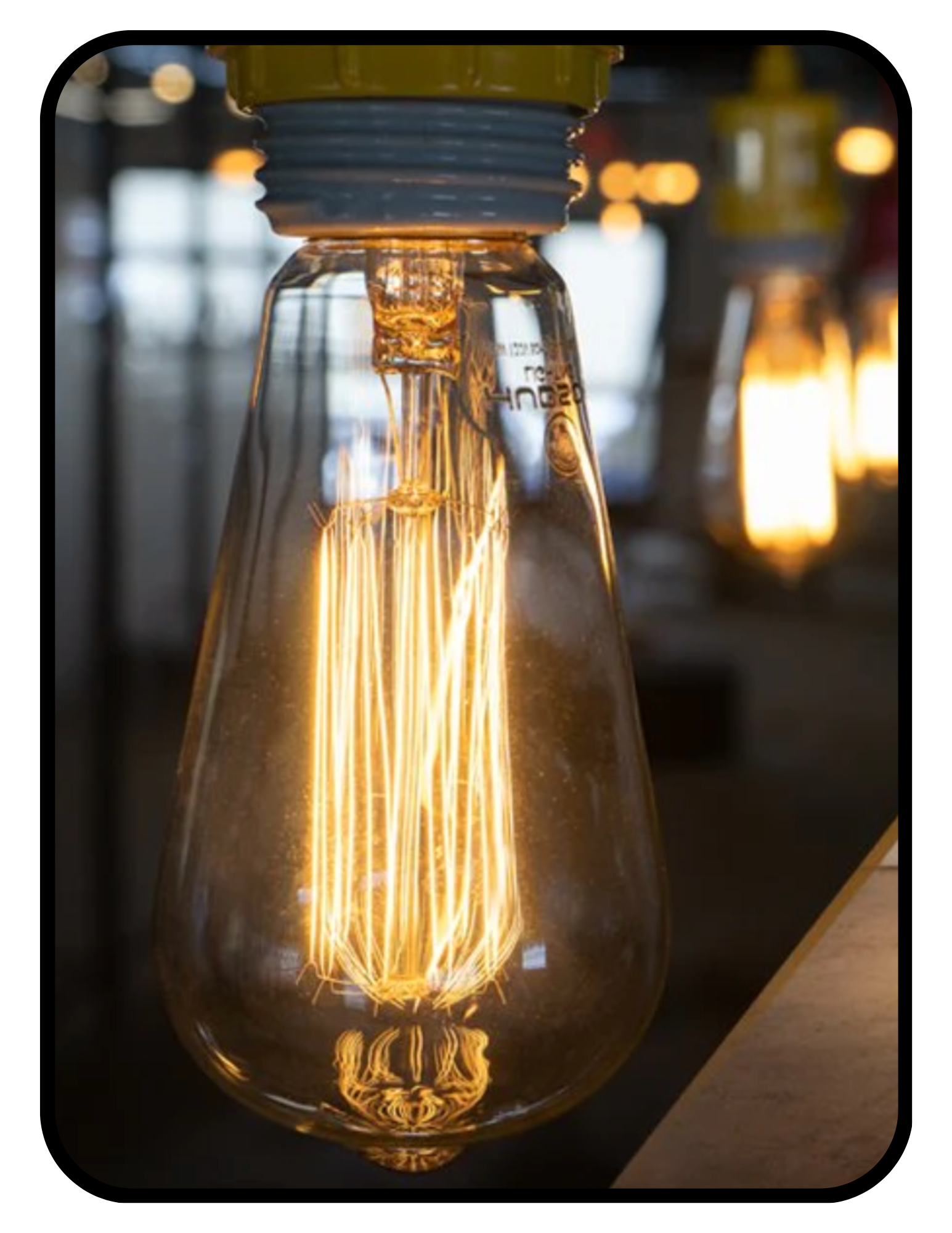
Hudson Bulb Co Incandescent Edison Light Bulb
I have these vintage incandescent Edison bulbs in just about every shape and size in my house because they’re the best amber lighting in my opinion. While regular incandescents have been phased out in the US, specialty incandescents can still be sold. Hudson Bulb Co makes both these, as well as dimmable amber LED Edison bulbs in the warm and cozy 2200K temperature.


Loftie, makers of circadian rhythm friendly sunrise alarm clock and lamps, also makes these sleep friendly night lights in amber (and red) light that keep you safe when going to the bathroom or moving around your home after dark. They turn on at dusk and off at sunrise automatically and plug directly into your wall so once they’re set up, you never have to worry about them again!
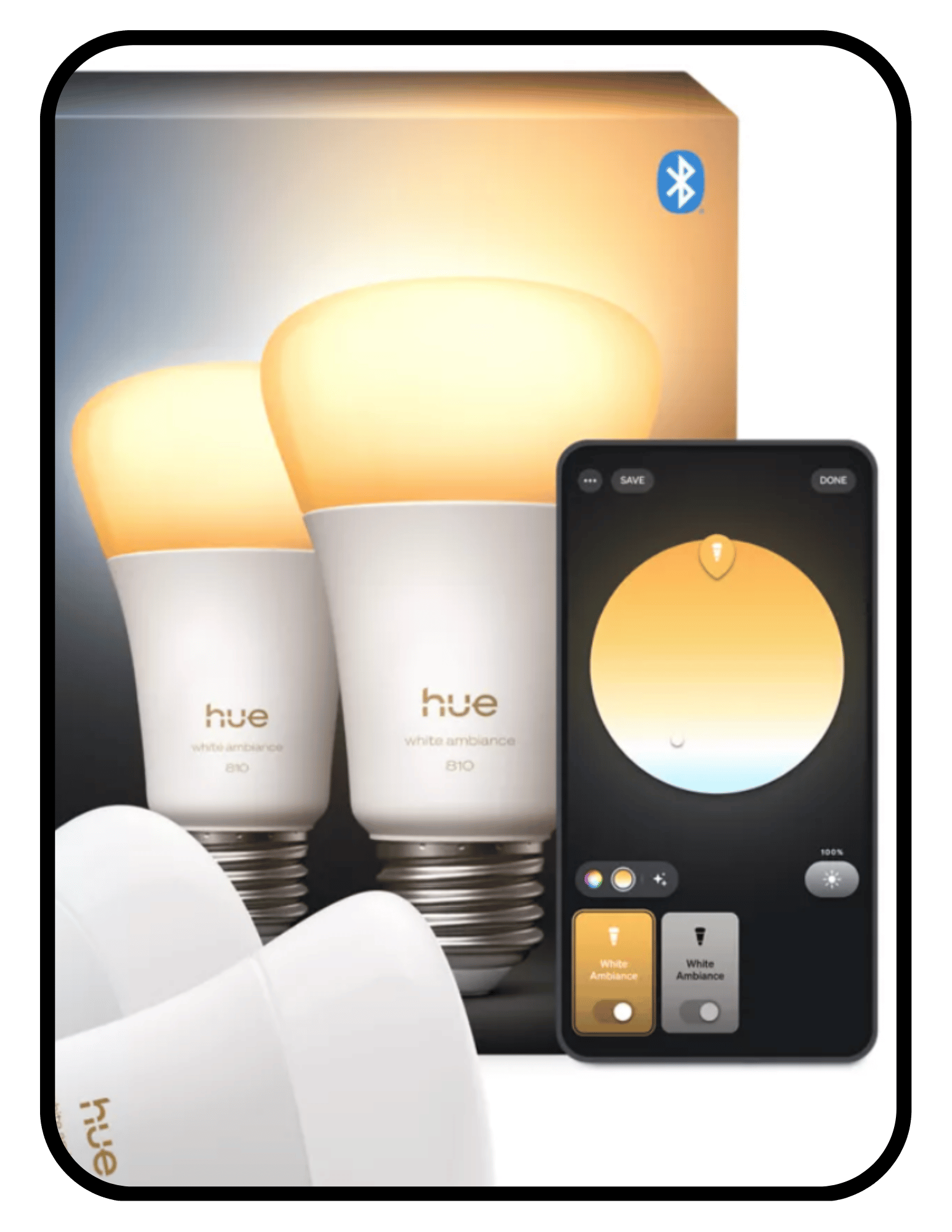
Philips Hue 1000K White Ambience Lightbulb
LED light bulb technology is getting better every year, and these new bulbs by Philips get down to 1000K— the warmest of warm temperatures. These are technically full spectrum bulbs, so you can also adjust them upwards to 20,000K, and adjust their brightness level in just as impressive a range. Smart bulbs that you control with an app.
Looking for something specific? If you don't see the product or brand you're curious about, you can request a review here, or run it through the Second Opinion Product Checker to evaluate it yourself. Want to go deeper? My free course covers how to evaluate any product's materials yourself.
Join the Newsletter
Join the Newsletter
More Healthy Design For You


What I Use in My Home


Blackout Curtains and Blinds
More About Amber Light Therapy
Is amber light therapeutic?
Yes, amber light has therapeutic properties that are supported by research. Studies show amber light can reduce stress and anxiety, support better sleep by minimizing melatonin suppression, and may even offer benefits for skin health.
What are the healing properties of amber light?
Amber light's primary healing properties include stress reduction, circadian rhythm support, and potential anti-inflammatory effects on skin. Research shows amber light activates calming neurological responses and has minimal impact on melatonin production, making it particularly beneficial for evening use. Some studies also suggest amber wavelengths may help reduce skin inflammation and support wound healing, though more research is needed in this area, and this would need to be a topically applied therapy rather than general room ambient light.
Does amber light reduce stress?
Yes, amber light can help reduce stress. Researchers in UC Davis’s Color Lab (!) found that amber light supports stress recovery and reduces anxiety on a physiological level. Participants in the study had their brainwaves monitored and cortisol levels assessed after an anxiety-provoking task (public speaking), and amber light was found to lower stress faster than white, red, green, or blue light.
Does amber light help with sleep?
Yes, amber light in the late afternoons and evenings supports better sleep. This is because it doesn’t contain the blue wavelengths that suppress melatonin production. Research shows that using amber lighting (or blocking blue light with amber glasses ) in the evening allows the body to begin natural melatonin production earlier, helping maintain healthy sleep-wake cycles. For best results, combine amber lighting and start dimming lights in the hours before sleep.
Amber LED vs Amber Incandescent vs Yellow LED light
Amber LEDs, amber incandescent lights, and yellow LED lights all look yellow, but actually emit different wavelengths:
Yellow LED lights will emit a very narrow and specific set of wavelengths around 560-590 nm. This means it won’t contain any blue or green wavelengths, or red or infrared ones. These will just have a single, sharp peak of yellow.
Amber LED lights have a broader emission spectrum, including yellow but also a little bit of orange and red, too.
Amber incandescent bulbs emit a smooth distribution of wavelengths instead of sharp peak. It naturally contains lots of orange, red, and infrared light. The difference between an amber incandescent bulb and a regular, “warm white” incandescent bulb is that amber bulbs filter out the albeit low, but still naturally present, blue and green wavelengths found in incandescent bulbs. This is why they emit a very warm glow.
Are there benefits to yellow LED light therapy?
Pure yellow LED wavelengths around 590 nm applied directly to the skin (rather than being in a lightbulb in a room) may offer some skin benefits including reducing melasma. There is not nearly as much research on yellow LED light as red light for the skin, but I expect we’ll learn a lot more as interest in light therapy continues to grow.
Product Reviews ➜ Light Quality ➜ Amber Lighting