
Non Toxic Paint
Non-toxic paint goes well beyond just checking for zero VOCs, since chemicals like PFAS, APEs, and synthetic antimicrobials don't off-gas but can still be absorbed through skin contact and shed into home dust with friction over time. The healthiest options are mineral-based paints like clay and limewash, or plant-based paints like linseed oil, since these are made from naturally breathable ingredients that resist mold without needing added fungicides. When a fully natural paint isn't practical, look for acrylic paints with transparency and certifications that address more than just VOC content.
By Dr. Meg Christensen | Physician-founder of Interior Medicine, a non-toxic home resource built on her background in medicine, biochemistry, epidemiology, and clinical research.

Updated November 1, 2025
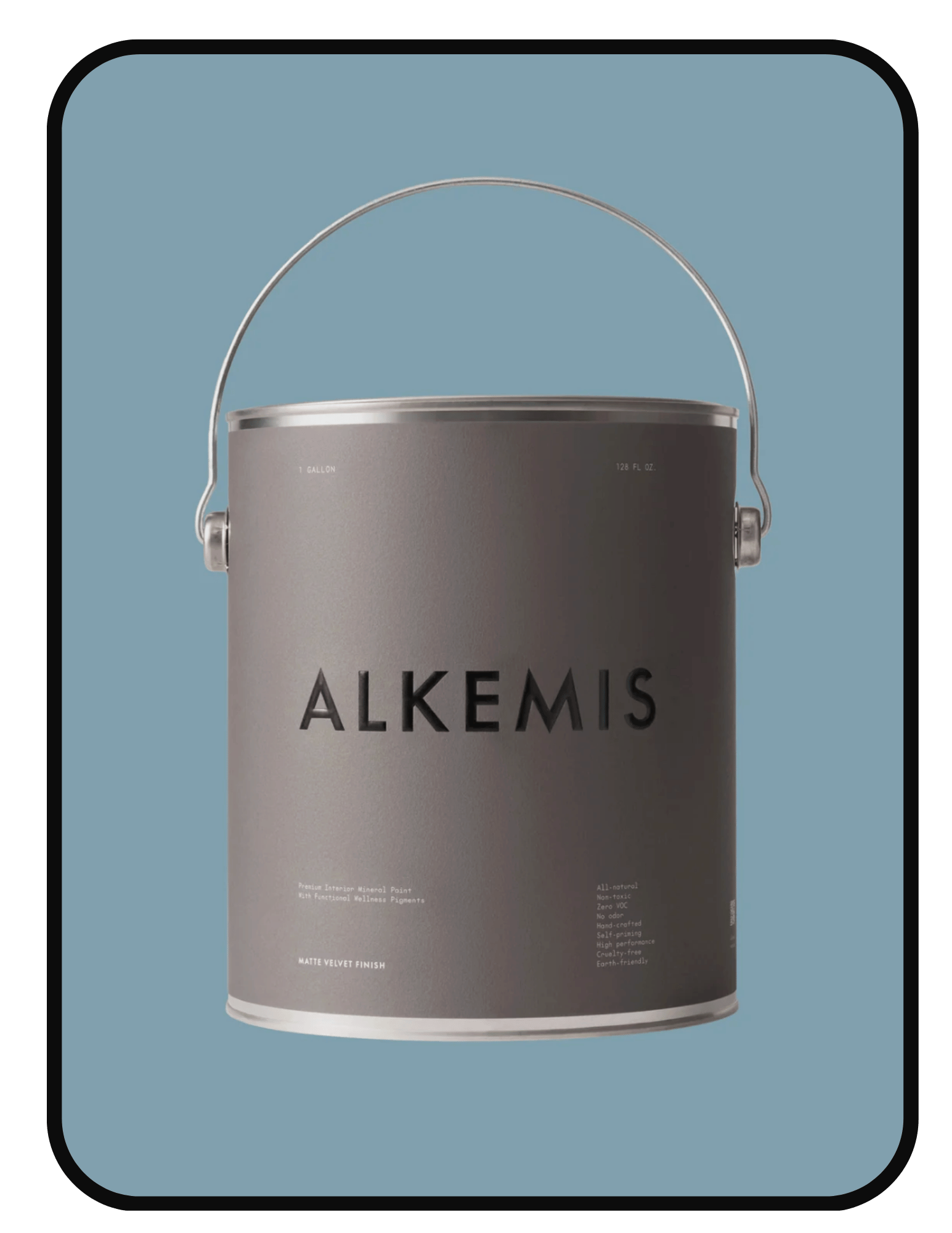

Alkemis makes mineral-based, safe non-toxic paint for walls that is easy for DIY home painting. This is probably the healthiest paint that doesn’t require any special skills or new techniques— because it’s mineral-based, you don’t need a primer in most cases! Also typically only needs one coat for coverage, so even though it’s more expensive up front, you need much less of it. Super durable and beautiful colors easily orderable from their website. Their all-natural wellness paint is Cradle 2 Cradle GOLD certified, which means that it is not only VOC free, but also free of solvents, plasticizers, synthetic pigments, preservatives or biocides. It has a small amount of acrylic, but is breathable and has a high pH so it resists mold naturally.
Keim Mineral Paint
Keim also makes super-healthy mineral-based paints, as well as limewash. Blended with a very minimal amount of acrylic (up to 5%) they have Cradle 2 Cradle GOLD certification and are GreenGuard certified as well, meaning not only will this be zero VOC, but also confirms the other additives are healthy too— no PFAS, biocides, or allergens. Extremely durable and breathable, this brand has been used in Europe since the 1800’s. Color palette comes from naturally occurring mineral pigments. You can order one of their colors online or use their search function to find a store in your area. Like Alkemis, will be more expensive upfront (around $100 for a gallon) but you will need less to cover the walls than with standard paint.


ECOS also makes healthy paint that is more affordable than most of the other less toxic paints listed here, and is well loved by DIYers, contractors, and designers because it feels exactly like painting with a regular can of paint, just healthier. VOC, PFAS, and APE free non-toxic acrylic paints in lots of colors, including free color-matching services, and in all finishes from matte to glossy. Transparent about their ingredients, with HPD, Declare, and SDS sheets easily available. They stated in an email they don’t use PFAS. They also have specialty paints like EMF-blocking, air-purifying, and chalkboard paints. I’ve used their color matching service for their air purifying paint and it turned out great!
This is a plant-based, less toxic acrylic paint. Like the first two non toxic acrylic paints listed, it is also APE, VOC, PFAS, and solvent free, though they don’t offer their own colors— you order online using the name of a color already picked out from another paint brand. Comes in flat, eggshell, or semi-gloss. They publish their full list of ingredients on an HPD, and they’ve had third party testing to confirm it is free of Red List ingredients including PFAS— a huge step for transparency.
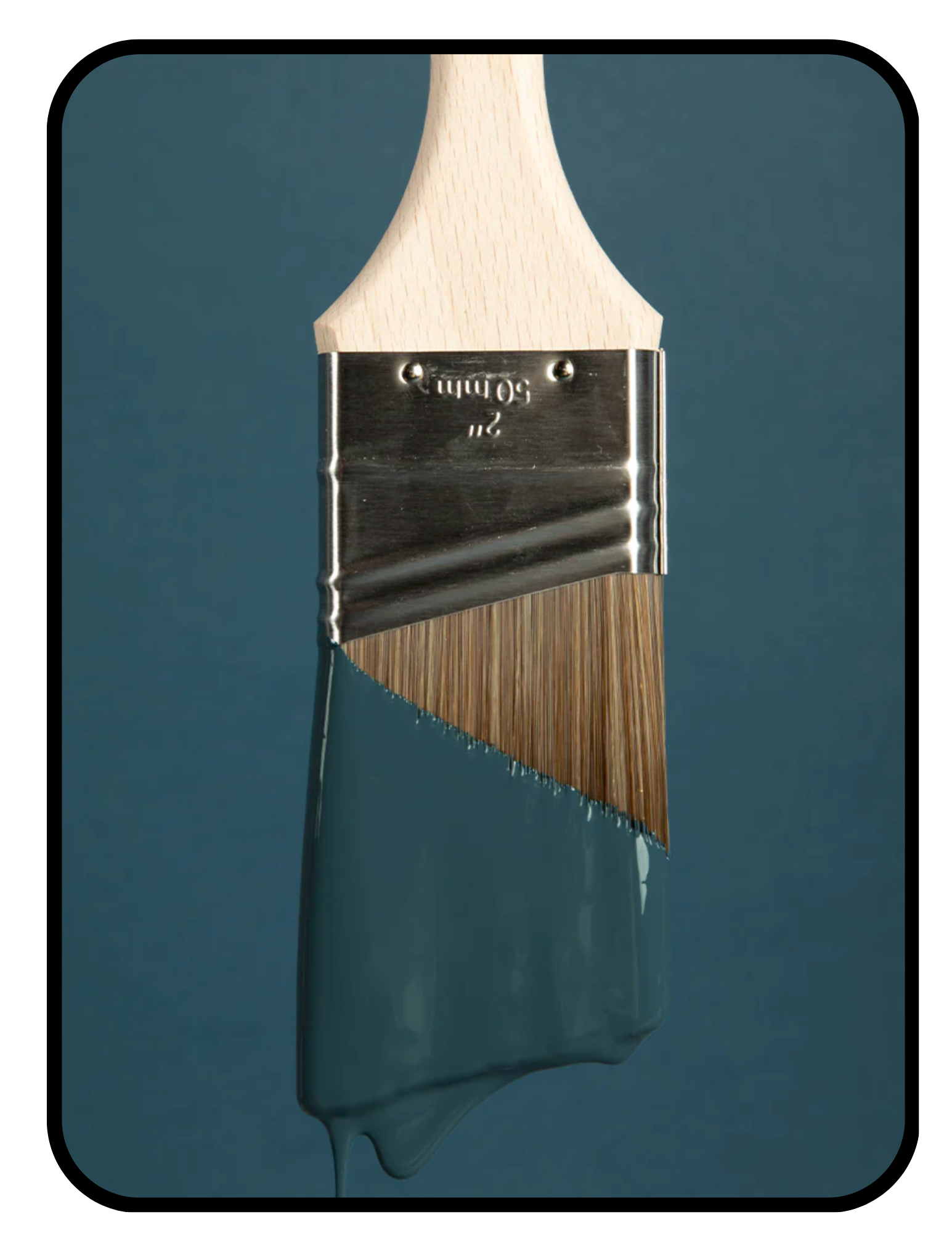
Is Clare paint non-toxic? They’re definitely a step in the right direction, and while they have less transparency and certifications than the first three brands on this list, they are also more affordable, and do not contain any of the EPA’s chemicals of concern, which includes PFAS. Their paints are GreenGuard GOLD certified to be zero VOC (they publish that they off-gas under 2g/L, which is well below the 5g/L zero-VOC cut-off!) Importantly they also use VOC-free colorants. Like every other paint, they do use a preservative at a concentration below 100ppm, as confirmed in an email. Appreciate their transparency.
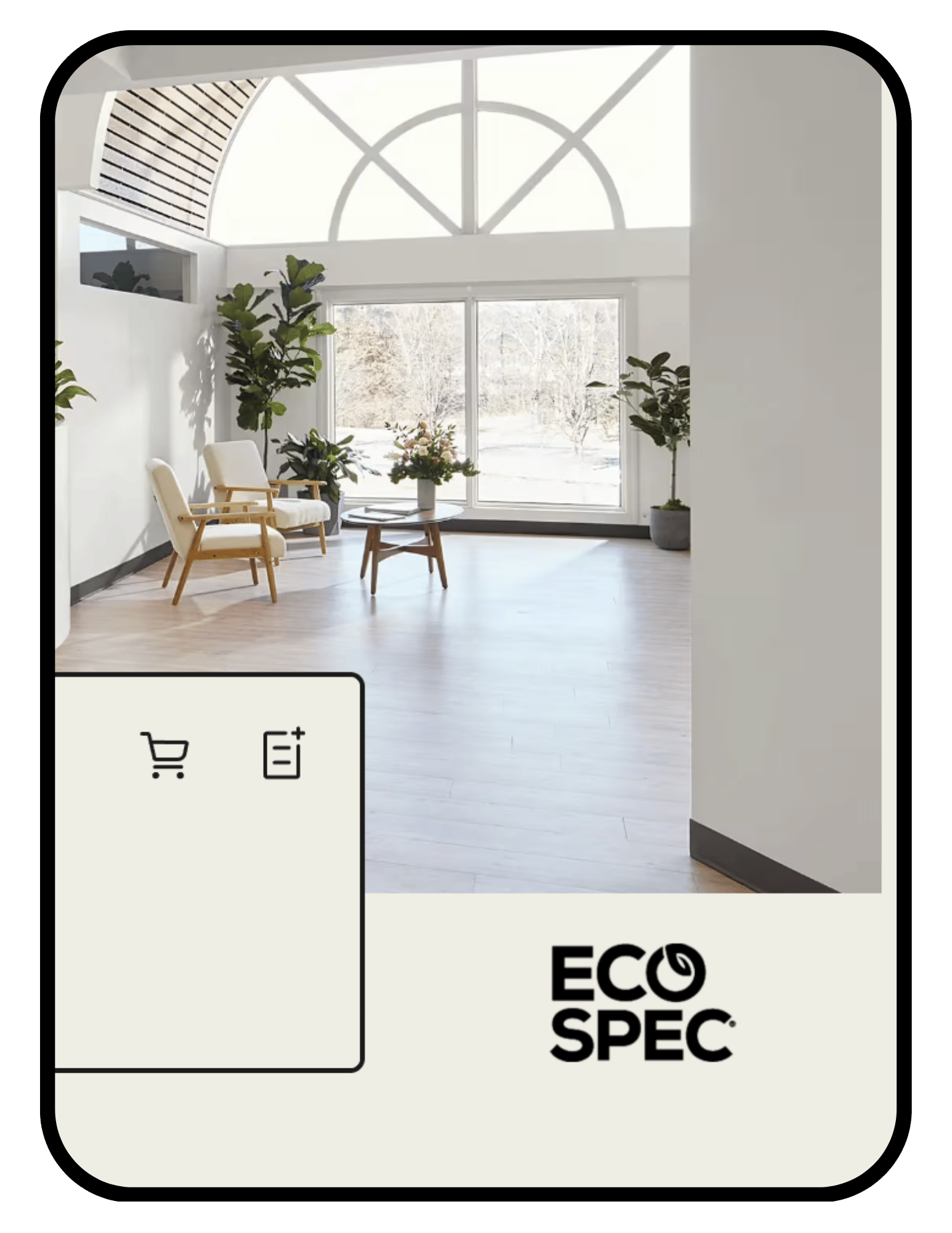
This is one of the best non-toxic interior paints because it has MPI, GreenSeal-11 certification (meaning its PFAS free) and Asthma and Allergy Friendly certification, which is important for acrylic paints, which typically release VOCs that can bother sensitive lungs. Eco Spec is Red List Free and has a Declare label published with all ingredients down to 100ppm. You can’t buy this online, but you can use this site to find where its sold near your zip code.
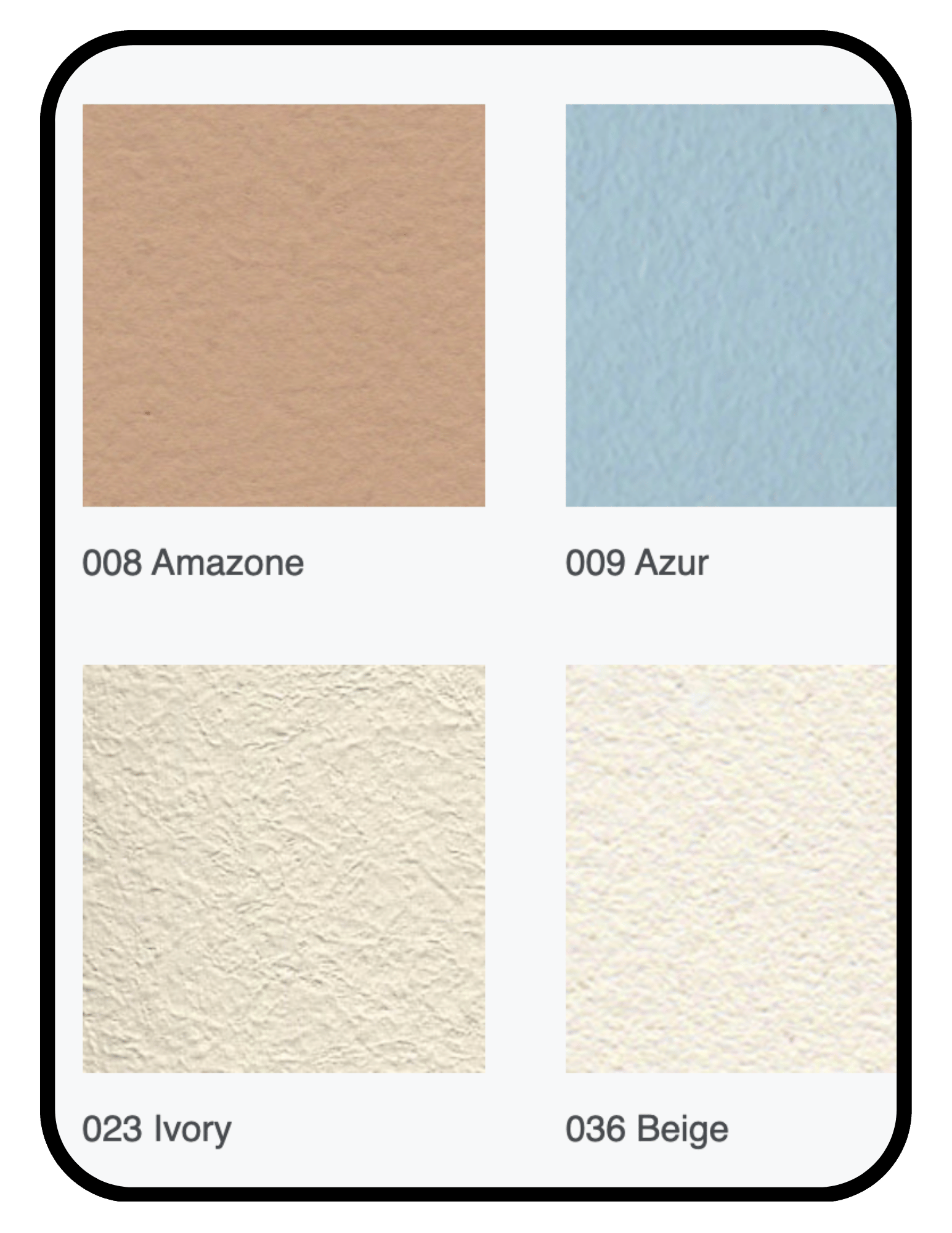
Clay paint is amazing because of how well it absorbs excess odors and moisture from the air. Bioshield offers a nice array of colors — earthy neutrals to some surprisingly bright options. They’re extremely healthy, without even a little bit of acrylic mixed in— their ingredients list is literally just water, clay, chalk, alcohol ester, cellulose, pigment, and a tiny bit of preservative that meets strict EU limits. I’ve loosely organized the paints page by balancing realistic home painting with healthier options, and while this is extremely healthy, it only comes in matte and you have to be a little careful with how you apply and treat clay paint— you can read the details in their guide here.
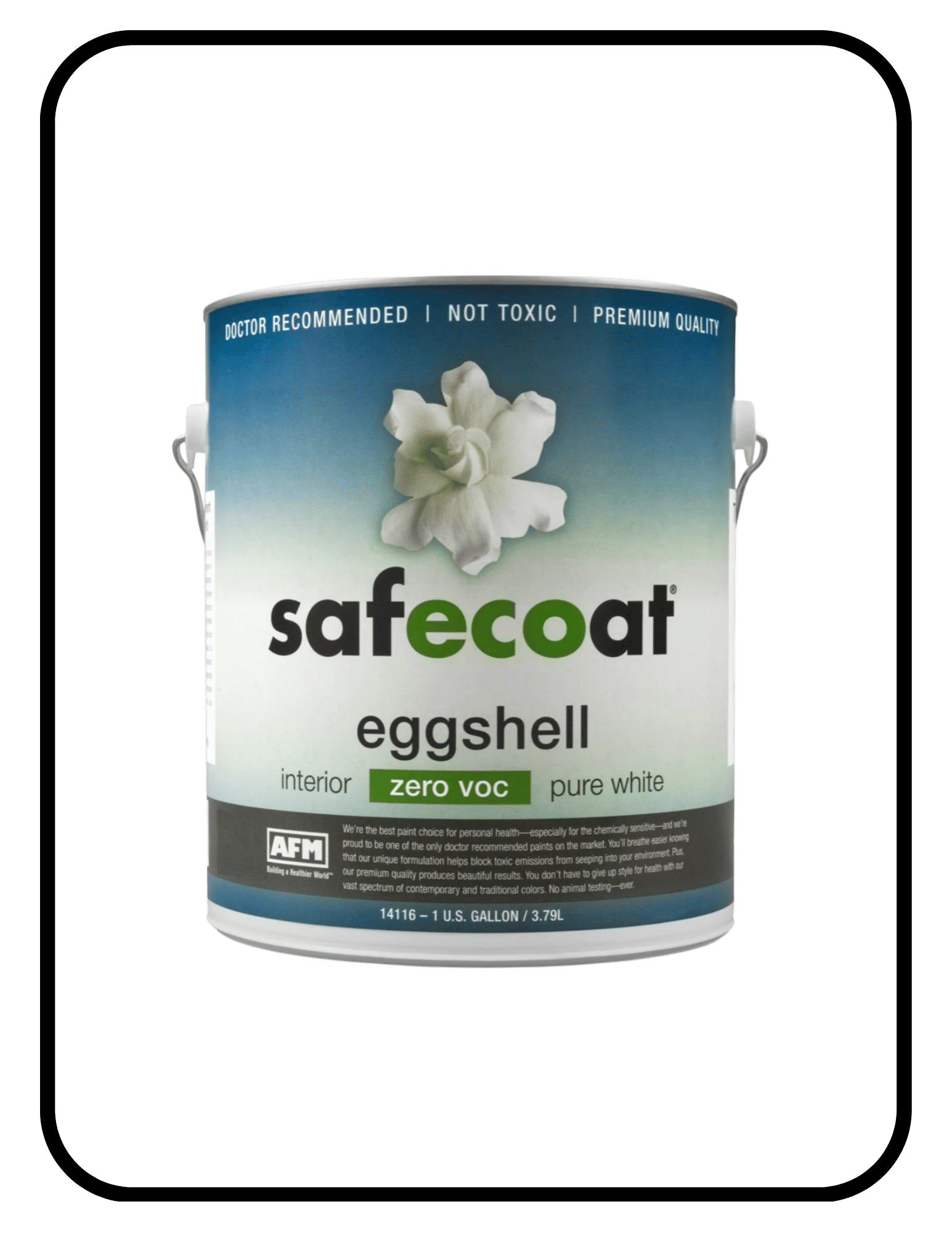
AFM Safecoat is an acrylic paint company started 40 years ago with a health focus. They recognized decades ago that zero VOC is the bare minimum for a healthy paint. They have an SDS sheet for each paint, and state that they have never added APEs or PFAS to any of their products. A healthier acrylic choice, just a little harder to get— you can’t buy this online, but you can use this site to find where to order it in your area.


Bauwerk Modern Limewash Paint
Bauwerk makes really beautiful, healthy limewash paints. Requires a bit of sanding prep if your walls are painted in anything but matte paint already, or can be painted directly onto drywall. Made with less than 5% acrylic for easier blending (that’s what makes it a modern limewash) it is otherwise made just from natural pigments and limestone. Decent transparency on their SDS sheet!
Don’t see what you’re looking for? Request a review, or check it yourself in seconds with the Second Opinion Product Checker. Spot something outdated? Let me know and I’ll update it. Join the spam-free newsletter for interesting info and to hear when new reviews are up.
FYI, “non-toxic” has no official definition, so I rate every product with the same method. It’s built on third-party certifications and published test data, not brand claims. For a deeper dive, my free course walks you through it.
Everything on Interior Medicine is educational information, not medical advice. Read my full disclaimer.
More Healthy Design For You
Non-Toxic Paint Questions: A Physician's Guide to Safer Interior Painting
What is non-toxic paint?
Non-toxic paint refers to interior wall paint formulated without harmful chemicals like high VOCs, PFAS, APEs, and synthetic antimicrobials. The healthiest non-toxic paints are made from natural ingredients like minerals, clay, or plant oils, though some low-toxicity acrylic paints with transparent ingredient disclosure also qualify as safer alternatives to conventional paint.
What is the healthiest paint for interior walls?
The healthiest paint for interior walls is made from natural mineral or plant-based ingredients without synthetic additives. Mineral paints (clay or lime-based) and plant- based paints are among the safest options because they contain no plastics, PFAS, or APEs, and they can actually improve indoor air quality by absorbing VOCs. However, they can be expensive and difficult to work with. For healthier, modern acrylic options, look for paints with full ingredient disclosure and certifications like GreenSeal-11 guaranteeing the most harmful chemicals (not just VOCs!) are excluded.
Why is it so hard to find non-toxic paint?
Completely 100% natural interior wall paints are quite rare. Even the majority of the healthiest brands, as you might have noticed above, will still have a small amount of petroleum-based acrylic or polymer incorporated into them. This helps bind the pigments with the rest of the ingredients, and for some brands, provides the shine or texture you see in a dried coat of paint.
Historically, many paint binders were made of animal proteins like collagen, egg whites, milk casein, or beeswax. Plant gums, resins, waxes, and cellulose have also been used. Polymers are largely favored today for their higher stability and durability, less reliance on plant and animal matter, and lower cost, which can be important when using paint in the larger volumes required for interior walls.
Why Natural Paints and Less Toxic Acrylic Paints Are Healthier Than Standard Acrylic
Natural paints and low-acrylic paints offer four key health advantages over standard synthetic acrylic paints:
Air Quality Improvement: In addition to not adding any harmful VOCs into the air, mineral and clay paints can also absorb VOCs, actually improving indoor air quality — similar to how baking soda absorbs odors. Less toxic acrylic paints will be made with zero or very low VOCs.
Mold Resistance Without Chemicals: Natural paints are breathable, making them resistant to mold, which requires trapped moisture to thrive. This means no antimicrobials or fungicides (which are endocrine disrupting chemicals) need to be added. Less toxic versions of acrylic paints can be made without biocides, too.
No Harmful Synthetic Additives: Natural paints avoid harmful additives common in standard paints including plasticizers, defoamers, stabilizers, benzene, toluene, chlorinated solvents (dichloromethane, trichloroethylene), xylenes, metals (cadmium, chromium, inorganic lead), styrene, PAHs, or aromatic azo dyes. Non-toxic acrylic paints will have fewer chemicals, and have certifications showing they don’t contain the most harmful ones.
Reduced Microplastic Exposure: Acrylic paints are one of the largest sources of microplastics in our environment, and they have made their way into most humans bodies, detected in blood samples. Non-toxic acrylic paints can be made with a mixture of mineral or plants and acrylic, greatly decreasing the overall amount of plastic while retaining some of the convenience.
Is zero VOC paint safe?
Zero VOC paint is safer than conventional high-VOC paint, but "zero VOC" alone doesn't guarantee a paint is non-toxic. Many harmful chemicals in paint don't release VOCs but are still hazardous to health, including PFAS, APEs, and endocrine-disrupting antimicrobials that can be absorbed through skin contact. The healthiest zero VOC paints also avoid these chemicals and provide full ingredient transparency.
What does zero VOC mean in paint?
Zero VOC (or no-VOC) typically means paint contains less than 5 grams of VOCs per liter, making the smell virtually undetectable. However, there's no formal standard for this term, and different companies define it differently. Not all VOCs have a smell, and some people with chemical sensitivities may still detect slight odors. The best zero VOC paints carry third-party certifications from Green Seal, GreenGuard GOLD, Master Painter's Institute (MPI), or SCS Indoor Advantage to verify their claims (read more on these certifications below.)
Why is zero VOC paint not the healthiest option?
Zero VOC paint eliminates smelly volatile compounds, but many dangerous paint ingredients don't release VOCs at all. Chemicals like PFAS (forever chemicals), APEs (endocrine disruptors), and synthetic antimicrobials (also endocrine disruptors) are absorbed through touch rather than inhalation. These non-VOC chemicals can be just as harmful to health, which is why the healthiest paints avoid both VOCs and these additional toxic ingredients. The term "zero VOC" addresses only one category of potentially harmful paint ingredients, which is why comprehensive certifications and ingredient transparency matter more than VOC levels alone.
What does low VOC mean in paint?
Low VOC paint typically contains less than 50 grams of VOCs per liter (as opposed to the zero VOC standard of 5 grams of VOCs per liter.) Again, there's no formal standard for this term, and different companies define it differently. Since there's no formal standard for "low VOC," look for third-party certifications from Green Seal, GreenGuard, MPI Green Performance, or SCS Indoor Advantage to verify a paint's VOC levels are truly low.
In practical terms, you might notice a slight paint smell—someone visiting might ask "did you paint recently?" but it won't be overwhelming.
What are APEs in paint?
APEs (alkylphenol ethoxylates) are surfactants used in paints to stabilize the liquid form and help pigments blend together. APEs were used in almost every paint until recently when their health effects became well known. APEs and the molecules they break down into don't biodegrade, are associated with reproductive disorders in rodents, and are suspected endocrine disruptors in people. The healthiest paints explicitly state they're APE-free.
Are there PFAS in paint?
Yes, PFAS (forever chemicals) are found in many conventional paints. This became widely known in 2023. While it's unclear exactly why manufacturers use PFAS in paint, they're suspected to be replacing APEs and are often used to make products more water-resistant or shinier. Starting in March 2025, GreenSeal-11 certification started guaranteeing zero PFAS in their products. Because there are very few GreenSeal paints available for home use, you can also look for paints with Health Product Declarations, Declare labels listing all ingredients down to 100ppm, or asking companies for complete ingredients lists, for the most transparency (read morea bout HPDs and Declare labels below.)
What is acrylic paint made of?
Acrylic paint is a mixture of polymers (plastics) and pigments, usually blended with water. Additional ingredients may include plasticizers, defoamers, stabilizers, benzene, toluene, chlorinated solvents (dichloromethane, trichloroethylene), xylenes, metals (cadmium, chromium, inorganic lead), styrene, PAHs, or aromatic azo dyes. These chemicals can off-gas or be absorbed through skin contact.
What is the difference between acrylic and latex paint?
Acrylic paint is made with acrylic polymers (plastics) and pigments, while latex paint uses different polymers, usually vinyl-based. The term "latex" here refers to synthetic lab-made latex, not natural rubber latex from trees. Both are plastic-based paints that can contain similar harmful additives, so there aren't significant health differences between the two.
What is mineral-based paint?
Mineral-based paint is made from natural minerals like clay or crushed limestone. Clay paints contain clay, pigments, and water, while limewash paint is made from crushed limestone and pigments. These paints have been used for thousands of years and are among the healthiest options because they're completely natural, breathable, and can actually absorb VOCs from the air.
What is plant-based paint?
Plant-based paint uses ingredients derived from plants rather than petroleum. Common examples include linseed oil paint (made from flax seeds), and soy-based paint. These plant-based paints avoid synthetic chemicals and plastics entirely, making them some of the healthiest paint options available.
What is limewash paint?
Limewash paint is one of the oldest paint types in the world, made from crushed and burned limestone (calcium carbonate) mixed with water. Limewash is extremely breathable, naturally antibacterial due to its high alkalinity, and creates a really pretty matte, slightly textured finish with subtle color variations on indoor walls. It's also particularly popular for exterior masonry. Unlike modern paints that sit on top of surfaces, limewash penetrates into porous materials and becomes part of them as it cures.
What is modern lime paint?
Modern lime paint is similar to traditional limewash but includes additional natural ingredients to improve workability, coverage, and durability. While traditional limewash is just lime and water, modern lime paints often contain casein (milk protein) as a binder, natural oils for easier application, and sometimes natural clays or minerals for enhanced opacity. These additions make modern lime paint easier to apply than traditional limewash—it typically requires fewer coats and has better adhesion to non-porous surfaces. Modern lime paint still retains the breathability, mold-resistance, and beautiful matte finish of limewash while being more user-friendly for contemporary applications.
What is clay paint?
Clay paint is made from natural clay minerals, pigments, and water, sometimes with small amounts of natural binders like plant cellulose or milk casein. Clay paint is very breathable, naturally mold-resistant, and has the unique ability to absorb VOCs and odors from indoor air—actually improving air quality rather than degrading it. The clay creates a soft, velvety matte finish with deep color. It regulates humidity naturally by absorbing excess moisture when humidity is high and releasing it when air is dry— it’s actually amazing because bathrooms don’t get foggy mirrors if they’re painted with clay! Has a very authentic, natural aesthetic. (FYI: clay paint is not the same as Roman Clay, which is a plaster you can also apply to walls, best done by a professional.)
What is the difference between limewash and lime paint?
Limewash is the traditional, pure form made only from lime (calcium hydroxide) and water. It's extremely thin and requires multiple coats (often 5-8) to build up opacity. Limewash must be applied to damp surfaces and requires specific application techniques. Modern lime paint includes additional natural ingredients like casein, oils, or clays that make it thicker, easier to apply, and more forgiving. Modern lime paint typically achieves good coverage in 2-3 coats and can be applied like regular paint. Both are breathable, mold-resistant, and naturally antibacterial, but modern lime paint is much more practical for most DIY applications.
Is natural paint better than acrylic paint?
Yes, natural mineral or plant-based paints are healthier than acrylic paint for several reasons. Natural paints can absorb VOCs to improve air quality, they're naturally mold-resistant without antimicrobials, they avoid harmful synthetic chemicals entirely, and they don't contribute microplastics to the environment. Natural paints may have different application properties and durability compared to acrylics, and they’re often more expensive.
Understanding Paint Certifications
What is GreenSeal-11 (GS-11) certification?
GreenSeal-11 is the most comprehensive paint safety certification available. Unlike certifications that only test for VOCs, GS-11 addresses multiple chemical hazards. VOCs are not the only dangerous component of paints, adhesives, and finishes—many chemicals that threaten health don't have a smell or release VOCs. Green Seal's GS-11 certification limits the levels of VOCs as well as carcinogens, reproductive toxins, triclosan, phthalates, heavy metals, and more. You can see the full restricted substances list here. GreenSeal has long prohibited long-chain PFAS and will prohibit all PFAS, including short-chain PFAS, starting in 2025. This makes GS-11 the gold standard for avoiding forever chemicals in paint.
What is GreenGuard GOLD certified paint?
GreenGuard GOLD certification verifies paint has low VOC emissions—specifically less than 220 micrograms per cubic meter. This is stricter than standard GreenGuard certification (under 500 ug/m3). Most people can very slightly smell low-VOC paint but find zero-VOC paint difficult to smell. However, GreenGuard certification only addresses VOC off-gassing, not other harmful non-VOC chemicals like PFAS or APEs. A GreenGuard certification does not mean the paint is healthy overall. It also does not mean there are no VOCs off-gassing from the product. That said, it's a step in the right direction and a useful certification when choosing between standard paint and one with GreenGuard certification.
What is SCS Indoor Advantage certification?
SCS Indoor Advantage is an independent third-party certification that verifies paint is truly low-VOC or zero-VOC. Similar to GreenGuard, it tests for VOC emissions in controlled laboratory conditions. It's a trustworthy certification but focuses only on VOCs, not other potentially harmful non-volatile chemicals in paint formulations.
What is MPI Green Performance certification?
MPI (Master Painter's Institute) Green Performance certification verifies paints meet low-VOC or zero-VOC standards. This certification is widely recognized in the professional painting industry and confirms VOC claims through independent laboratory testing. Like other VOC-focused certifications, it doesn't address non-volatile chemicals.
What are Health Product Declarations and Declare Labels?
Beyond third party certifications, which are still rare in the paint world, transparency documents are another way to know exactly what's in your paint. Health Product Declarations (HPDs) list all ingredients down to 100 parts per million (ppm), which equals 0.01% of total volume. An HPD provides unprecedented transparency about paint formulation. You can search for paint HPDs in the HPD Repository. Similarly, Declare labels disclose all ingredients down to 100ppm. Both HPDs and Declare labels only require disclosure of ingredients present at 100ppm or higher, which means PFAS or other chemicals could theoretically be present at levels below 100ppm (less than 0.01%) without disclosure. While not perfect, this level of transparency is far superior to standard paints that disclose nothing about their formulation beyond VOC content.
What certifications should I look for in non-toxic paint?
The most important certification is GreenSeal-11 (GS-11), which goes beyond VOCs to limit numerous harmful chemicals and banned all PFAS in March 2025. Also valuable are GreenGuard GOLD (for VOC emissions), Health Product Declarations or Declare labels (for ingredient transparency), and SCS Indoor Advantage or MPI Green Performance (for VOC verification). No single certification guarantees complete safety, so look for multiple certifications or full ingredient disclosure.
Paint Off-Gassing and Odor Concerns
What is paint off-gassing?
Off-gassing occurs when volatile organic compounds (VOCs) evaporate from paint into the air. This process happens most intensely during painting and continues as paint dries and cures. The strongest off-gassing occurs during the first 24-72 hours after painting. However, some VOCs continue to release for weeks or even months as paint fully cures. VOCs from conventional paint can include formaldehyde, benzene, toluene, xylene, and other chemicals linked to headaches, dizziness, respiratory irritation, and nausea in the short term. Long-term exposure to high VOC levels is associated with damage to the liver, kidneys, and central nervous system— more of a concern for people whose profession is painting than you, assuming you’re not painting your walls every single day :)
How long does paint off-gas?
The timeline depends on the type of paint and ventilation conditions. Zero-VOC paints may release some VOCs at much lower levels, with the smell typically disappearing within 1-3 days with proper ventilation, though sensitive individuals should still ventilate for at least a week. Low-VOC paints noticeably off-gas for 3-7 days, with the smell lingering faintly for 2-3 weeks. Standard high-VOC paints can off-gas noticeably for 2-4 weeks, with some VOC release continuing for months.
Natural paints like mineral-based (clay, lime) and some plant-based paints may actually improve air quality rather than degrade it. Clay paints can absorb VOCs from the air, similar to how baking soda absorbs odors. These paints typically have little to no smell and don't require extended ventilation beyond normal drying time.
Is paint smell dangerous?
Paint smell indicates VOC off-gassing, which can cause headaches, dizziness, respiratory irritation, and nausea in the short term. Long-term exposure to high VOC levels is linked to more serious health effects. Choose zero VOC or low-VOC paint to minimize smell and health risks. Remember that not all dangerous chemicals in paint have a smell, so look beyond VOCs to PFAS, APEs, and other non-volatile toxins.
When paint smell won't go away, what should I do?
If paint smell persists beyond expected timelines, several factors may be at play. Standard paints with high VOC content can smell for months, especially in poorly ventilated spaces—the solution is aggressive ventilation with open windows, continuous fans, and air purifiers with activated carbon filters. If you closed windows too soon or didn't ventilate adequately during drying, VOCs can become trapped in walls, carpets, and fabrics, which slowly release the absorbed VOCs back into the air. Address this by removing soft furnishings temporarily, deep-cleaning carpets, and washing all textiles like blankets and pillows, then resume intensive ventilation. Rooms with limited airflow like bathrooms without windows, closets, or basements may trap paint odors indefinitely—use fans to force air out, or install exhaust fans. Paint that was improperly stored or past its expiration date may smell worse and longer than fresh paint and can harbor bacterial growth. If this is the cause, the only solution may be repainting with fresh, low-VOC paint. Some individuals can detect VOCs at much lower concentrations than others due to chemical sensitivity—if the paint smell persists for you but not others, continue ventilation and use air purification, and consider whether you may need to repaint with natural mineral or plant-based paint.
How can I minimize paint off-gassing exposure?
If you can choose a zero-VOC, low-VOC, or natural mineral or plant-based paints, these will off-gas very little and you should not have to do much besides increased ventilation for 2-3 days.
If you can’t choose a low-VOC paint: Plan your project when you can temporarily relocate if pregnant or if young children are in the home, and empty the room of as many items as possible to prevent VOC absorption into fabrics. During painting, open all windows in the room and adjacent spaces, use box fans in windows to create cross-ventilation with one fan pulling fresh air in and another pushing contaminated air out, wear a respirator with organic vapor cartridges if you're sensitive to chemicals, take frequent breaks outside in fresh air, and never sleep in a room that was painted the same day. After painting, continue ventilating for at least 2-3 days minimum (ideally 1-2 weeks), use HEPA air purifiers with activated carbon filters to help remove VOCs, maintain airflow with fans even after windows are closed, wash any fabrics that were in the room during painting, and if you notice persistent headaches, nausea, or respiratory symptoms, extend ventilation time and consider staying elsewhere until symptoms resolve.
How long should I ventilate after painting with low-VOC paint?
Even with zero VOC or low-VOC paint, ventilate the space for at least 2-3 days after painting by opening windows and using fans. Some VOCs continue to off-gas as paint cures. Natural paints may actually improve air quality once dry, but proper ventilation during application is still important for optimal drying and to clear any initial odors.
How long after painting can I sleep in the room?
Even with low-VOC paint, wait at least 72 hours before sleeping in a painted room. For conventional paint, wait 1 week or grab a neighbor or friend that isn’t used to the paint smell and have them help you with a nose test to make sure it’s done off-gassing. Children's rooms and nurseries require extra caution—wait a full week with low-VOC paint, longer with conventional paint.
Mold and Paint
Are mold-killing paints safe?
No, mold-killing paints contain mildewcides and fungicides, which are antimicrobials known to be harmful to people. These are endocrine-disrupting chemicals that can interfere with hormone function. They're absorbed through skin contact and can also off-gas into the air you breathe. Some advertise "EPA registered mildewcides" to appear safer, but the EPA has only banned a handful of chemicals and still hasn't banned asbestos, so "EPA registered" is not an endorsement of safety in this case. In my opinion, this borders on healthwashing—using regulatory language to create a false sense of security. A better option is to mitigate the mold and use a breathable paint that won't lock moisture in the wall like a plastic-based acrylic one does. I like ACAC for finding evidence based mold professionals that won’t do gimmicky tests.
Can I use non-toxic paint in a bathroom?
Yes, but choose carefully since bathrooms have high moisture. Natural paints like clay or lime-based options are naturally breathable and mold-resistant without antimicrobials, making them excellent for bathrooms.
If using acrylic paint, ensure it's formulated without synthetic antimicrobials and avoid products marketed as "mold-killing" paint, which contain harmful fungicides.
Use bathroom exhaust fans during showers and for 30 minutes afterward, or open windows if you don't have an exhaust fan. Clean regularly to prevent soap scum buildup, which provides organic matter for mold to feed on.
What about basements and other moisture-prone areas?
Basements, like bathrooms, often have humidity issues. Use a dehumidifier to keep relative humidity below 50% and use breathable mineral paint rather than acrylic, which can trap moisture in the wall.
Lead Paint Concerns
When is lead paint a concern?
Lead was commonly added to paint until it was banned for residential use in 1978 in the United States. If your home was built before 1978, assume it contains a layer of lead paint somewhere within the walls unless testing proves otherwise. Lead was used because lead pigments provided vibrant, durable colors, helped paint dry faster, and acted as a fungicide to prevent mold growth. Lead exposure is particularly dangerous for children under six and pregnant women. Even low levels of lead exposure in children can cause developmental delays, learning difficulties, behavioral problems, and reduced IQ. In adults, lead exposure can cause high blood pressure, kidney problems, and reproductive issues. There is no safe level of lead exposure. However, you do not need to worry if there is a layer of lead deep in the walls— it will not jump out at you and is only an issue if the lead paint layer is peeling or disturbed— by drilling, renovations, or chewing on it (like with window ledges, etc.)
How do I test for lead paint?
Hire a certified lead inspector or risk assessor to conduct comprehensive testing. They'll use X-ray fluorescence (XRF) devices that can detect lead through multiple paint layers without damaging the paint. Professional testing costs $300-800 but provides definitive results and documentation. Home test kits (available at hardware stores for $10-30) can indicate the presence of lead but are less reliable than professional testing. Follow instructions carefully, test multiple locations, and understand that negative results don't guarantee absence of lead—they may just indicate low concentrations or improper testing technique. Testing is most important before any renovation project that will disturb paint (sanding, scraping, demolition), when paint is deteriorating, peeling, or chipping (especially in areas children can access), before moving into a pre-1978 home with young children, or when you notice unusual paint patterns or colors characteristic of old lead paint.
Can I paint over old lead paint?
Painting over intact lead paint with modern lead-free paint creates a barrier that prevents lead exposure. This is often the safest and most cost-effective approach called paint encapsulation. Ensure the existing paint is firmly adhered, clean it thoroughly without sanding, then apply two coats of high-quality paint. Use a non-toxic paint for the new top coats to avoid replacing one hazard with another. If lead paint is in good condition (not chipping, peeling, or chalking), it can often be safely left in place or encapsulated rather than removed. However, lead paint that's deteriorating, in friction areas (windows, doors), or in spots children can reach and mouth requires professional intervention. Never attempt DIY lead paint removal—the process creates lead dust that's extremely dangerous to breathe.
How is lead paint safely removed?
Lead paint removal requires EPA-certified renovation contractors who follow lead-safe work practices. They use specialized equipment including HEPA vacuums, containment barriers, and protective gear to prevent lead dust contamination. Certified contractors seal off the work area with plastic sheeting, use wet methods to minimize dust, wear respirators and protective clothing, carefully collect and dispose of all debris, and thoroughly clean the area with HEPA vacuums. They also test the area after work to confirm lead levels are safe. Professional lead abatement costs $8,000-15,000 or more depending on the extent of lead paint and home size. Standard renovation practices like dry sanding, scraping, or using heat guns on lead paint create dangerous lead dust that spreads throughout your home and remains hazardous for years. Even with professional lead abatement, pregnant women and young children should relocate during the work and not return until clearance testing confirms the home is safe.
Choosing the Right Paint for Your Space
What paint should I use for a nursery?
For a nursery or any child's room, use paint with the lowest possible chemical exposure. The best options are natural mineral or plant-based paints like clay paint. If choosing an acrylic paint, select one that's zero VOC, PFAS-free, APE-free, and has full ingredient disclosure through a Health Product Declaration or Declare label. GreenSeal-11 certification offers additional assurance.
What is the best non-toxic paint for bedroom walls?
The best non-toxic paint for bedrooms is natural mineral paint (like clay or lime-based) or plant-based paint (like linseed oil), as you spend significant time in this room breathing the air. These paints can actually improve air quality rather than degrade it. For acrylic options, choose paints that are zero VOC, PFAS-free, APE-free, and have transparent ingredient disclosure.
What is the best paint for high-traffic areas?
For high-traffic areas like hallways and kitchens, durability matters alongside health. Natural paints may require more frequent touch-ups than acrylics. If durability is a priority, consider a low-toxicity acrylic paint that's PFAS-free, APE-free, and GreenSeal-11 certified, which balances durability with health safety. Powder coating on metal surfaces is also extremely durable and safe.
How do I choose paint colors for a non-toxic home?
Paint color choice doesn't affect the toxicity of the paint itself—the pigments used across different colors in the same product line have similar health profiles. Focus first on choosing a truly non-toxic paint brand, then select any color you love. Some natural paint brands offer more limited color selections, while brands like ECOS can color-match any conventional paint color.
Where can I buy non-toxic paint?
Natural paints like mineral-based and linseed oil paints are typically purchased online from specialty retailers like Earth and Flax or directly from manufacturers like Auro. Some low-toxicity acrylic paints like ECOS can be ordered online, while Benjamin Moore Eco Spec is available at Benjamin Moore retail stores and some hardware stores. Few truly non-toxic paints are available at big-box stores like Home Depot or Lowe's.
Cost and Coverage Considerations
Is non-toxic paint more expensive?
Yes, as with most healthier products, non-toxic paint typically costs more than conventional paint. This price difference reflects more expensive natural ingredients, smaller production volumes, and third-party certification costs. However, the health benefits—especially for people with chemical sensitivities, children, or those spending significant time indoors—often justify the higher cost.
Does non-toxic paint cover as well as regular paint?
Coverage varies by paint type. Acrylic non-toxic paints like ECOS typically cover just as well as conventional acrylics—usually one or two coats. Natural paints like clay may require additional coats for full coverage, and application techniques can differ. Check manufacturer recommendations for specific products. Many people find the trade-off in coverage worth it for significantly improved indoor air quality.
Can I use a paint primer with non-toxic paint?
Yes, but choose a primer that's also non-toxic to avoid introducing harmful chemicals to your walls. Look for zero VOC primers that are PFAS-free and APE-free. Some non-toxic paint brands offer their own primer products. Using a healthy primer is especially important on new drywall or when covering stains, as primer seals the surface and can trap existing chemicals while providing a clean base for your non-toxic topcoat.
Is zero VOC paint from Home Depot or Lowe's healthy?
Hardware store zero VOC paints are better than conventional high-VOC paints, but they almost certainly contain PFAS, APEs, or other harmful additives. These paints address the one problem (VOC off-gassing) that consumers have learned to care about while ignoring the chemicals consumers don't yet know to avoid. If budget is a concern, an affordable zero VOC paint from a hardware store is still a better choice than standard paint. The unfair reality is that the healthiest paints cost more, though I hope this changes.
One technique I’ve used is buying zero-VOC paint from the hardware store to test it out and get that immediate gratification, then have it color-matched by a healthier paint company like ECOS—this way I can see and test the color in person at a lower cost, then invest in the healthier version for the actual painting project.
If you go with standard zero-VOC or low-VOC hardware store paint, that’s totally fine, just consider other ways to protect your indoor air quality like using air purifiers, and prioritizing non-toxic products in other areas of your home.
Practical Paint Project Tips
Before you paint
For standard paint: choose the right time to paint— plan projects when you can temporarily relocate if possible, especially if pregnant or if young children are in the home. Ventilation may create uncomfortable temperature extremes for several days. If you’re using a zero-VOC or natural paint, you will not need to relocate. Prepare the space by removing as much furniture, clothing, and fabric items as possible, as VOCs and paint particles can absorb into porous materials. What you can't remove, cover with plastic sheeting, not cloth drop cloths that can absorb VOCs.
Test colors carefully by painting entire sheets of poster board or large cardboard pieces and moving them around the room to see the color in different lighting conditions. Paint looks different on walls than on small paint chips, and this testing prevents the need to repaint if you don't like the color.
If your home was built before 1978, test for lead paint before any surface preparation that will disturb existing paint.