
Non Toxic Wallpaper
Non-toxic wallpaper is more complicated than it looks, since it's made of two separate layers, a backing with adhesive and a front sheet with ink and finishing coatings. Both can introduce its own chemical concerns. The biggest material to avoid is PVC, which requires added flame retardants and antimicrobials since it doesn't allow moisture to pass through, and has been linked to heavy metals and phthalates in independent testing. Breathable, PVC-free options with low-VOC water-based inks and full ingredient transparency avoid this problem entirely, since a wallpaper that lets air and moisture through doesn't need the same chemical additives to prevent mold. Look for brands willing to disclose their complete materials list, since PFAS and flame retardants aren't required to be labeled on wallpaper products.
By Dr. Meg Christensen | Physician-founder of Interior Medicine, a non-toxic home resource built on her background in medicine, biochemistry, epidemiology, and clinical research.

Updated December 1, 2025

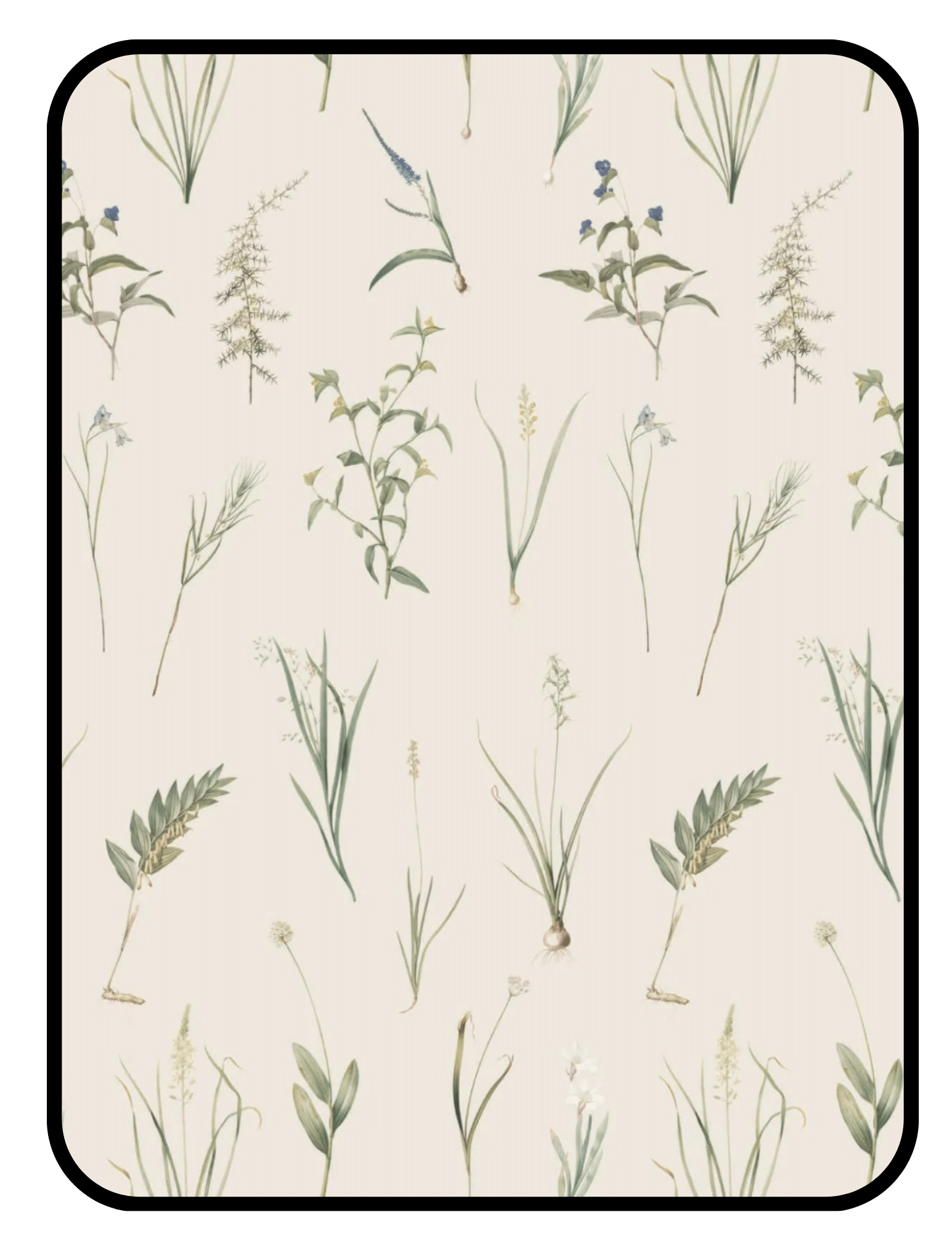
Wallism has great material transparency, and their prints range from fun to beautiful. They shared an abundance of information via email, including a full ingredients list (surprisingly hard to get for wallpaper!) They use certified low-VOC inks, kaolin clay finish instead of fire retardant chemicals, and OEKO TEX certified polyester and cellulose backings and layers.
Chasing Paper offers vinyl-free peel-and-stick with low-VOC water-based ink. Their residential options are phthalate-free. free of PVC, formaldehyde, heavy metals, chlorine, phthalates, and other chemicals commonly used in wallpapers. It is also made for breathability so doesn’t require antimicrobials or biocides.

Looking for something specific? If you don't see the product or brand you're curious about, you can request a review here, or run it through the Second Opinion Product Checker to evaluate it yourself. Want to go deeper? My free course covers how to evaluate any product's materials yourself.
Join the Newsletter
Join the Newsletter


More About Non Toxic Wallpaper
Wallpaper isn’t just paper. It’s made of two layers, and both have finishes. The backing often has adhesives to make it stick to the walls, and the front sheet has inks and often special coatings to make it waterproof or flame-retardant.
Non-Toxic Wallpaper Ink
Why are solvent-based wallpaper inks toxic?
Inks are made of either mostly water, or mostly solvent. Solvents are chemicals that dissolve other chemicals into solutions, and typically are very smelly, releasing harmful VOCs into the air. They come from petroleum, and some are made with known carcinogens like toluene, benzene, and formaldehyde. Because of this, solvents are one of the priority classes of chemicals to avoid. Other chemicals are mixed in to make sure the ink prints evenly, is shiny, and is fade-resistant. Look for wallpapers printed with low-VOC, water-based inks instead.
What is ECO-solvent ink in wallpaper?
ECO-solvent ink is still solvent-based, but it’s a milder solvent without as many VOCs as standard ones. They can be made with up to 50% plant-based materials like soy, or even the less-toxic portion of petroleum. Therefore, they are a better choice than standard inks, but not as healthy as those that are water-based.
What is the Nordic Swan Ecolabel?
This is a useful third-party certification for assessing the health of inks used on wallpapers.
In addition to strict ecological standards, this certification also covers several measures of health. For ink, it limits substances that are carcinogenic, toxic to reproduction, or damaging to DNA, and bans halogenated organic and fluorinated substances. It also limits the use of chemicals containing VOCs.
Why is titanium dioxide in wallpaper ink?
Titanium dioxide is a naturally-occurring mineral. It is sometimes used in inks, and in this format, is considered safe to touch. It’s used in sunscreens in both the EU and US and in the US, is often found in brightly colored processed foods, and pharmaceutical medications. The EU doesn’t allow it in food, but the US does.
Are clay-based coatings safe?
Generally, yes, but it might depend on whether other ingredients are mixed in with clay. Clay-based means clay is only part of the coating. The rest of the coating can be made with resins, polymers, and other undisclosed additives, so it’s good to check.
Toxic Wallpaper Additives
Are there heavy metals in wallpaper?
Yes, there are heavy metals in some wallpapers, usually PVC wallpapers. A 2010 investigative report found that over 50% of PVC wallpapers contained lead, cadmium, chromium, tin, and mercury.
Are there PFAS in wallpaper?
PFAS: PFAS chemicals are added to wallpapers to make them more water-resistant or stain-resistant. PFAS are linked with lowered immune function, metabolic issues, reduced fertility, and a host of other health problems. They are also “forever chemicals,” meaning they do not break down in the environment. Companies are not required to disclose whether their product contains PFAS.
Are there flame retardants in wallpaper?
Yes, especially in commercial or heavy duty wallpapers. Flame Retardants are well-known endocrine disrupting chemicals and do not meaningfully reduce flammability, but are still routinely added to wallpaper. Companies are not required to disclose whether their product contains Flame Retardants, so you have to ask.
Is there BPA in wallpaper?
Sometimes, yes, especially in PVC wallpapers. Plasticizers are chemicals added to wallpapers to make them more flexible and easy to hang. Phthalates and BPA are two well-known examples. They interfere with your hormones and are linked with a variety of reproductive and developmental issues.
Why is PVC wallpaper bad?
PVC is the most common wallpaper material, especially for commercial use, because it’s so durable. However, PVC is a priority chemical to avoid, as agreed upon by international groups because of its toxicity during its entire lifecycle— the production, use, and degradation stages. The US Green Building Council declares that PVC is “consistently among the worst materials for human health impacts.”
Vinyl chloride, the molecule used to make PVC, is an established carcinogen that causes lung, brain, liver, and rare cancers such as hepatic angiosarcoma. This is why the vinyl chloride spill in Ohio in 2023 was such cause for concern.
A 2010 investigative report found that over 50% of PVC wallpapers contained lead, cadmium, chromium, tin, and mercury. Phthalates are also added, as well as other chemicals to alter its rigidity, transparency, or softness. These are not chemically bound within the PVC structure, and easily leach out for absorption into the body.
At the end of its life, when people throw away PVC products into their trash, it is burned in municipal waste incinerators, releasing dioxins into the air. Dioxins are one of the most hazardous chemicals for people and the planet.
Last, vinyl wallpaper doesn’t “breathe” or allow air and moisture to pass through, necessitating use of a biocide, fungicide, or mildewcide coating. These antimicrobials disrupt hormone function, are associated with developmental and reproductive effects, allergen sensitivity, and antibiotic resistance.
Non-Toxic Wallpaper Adhesives
What are biocides and why are they in wallpaper adhesives?
Biocides, also called mildewcides, fungicides, or antimicrobials, are added to wallpaper that doesn’t allow for moisture to pass through (like PVC). They can help prevent the growth of mold and mildew, but they disrupt hormone function, are associated with developmental and reproductive effects, allergen sensitivity, and antibiotic resistance. For these reasons, they are considered one of the classes of priority chemicals to avoid. Inherently antimicrobial wallpaper is a healthier option— ones that have microventing for air and water permeability, or are made with natural, breathable cellulose.
Is EVA adhesive safe?
Yes, EVA based adhesives are very safe, especially in the context of wallpaper. EVA is short for ethylene vinyl acetate. Even though it has the word vinyl in it, it’s chemical structure and properties are very different than PVC (polyvinyl chloride, also just called “vinyl”). It is the sticky part of peel-and-stick wallpaper. It is not carcinogenic, and is generally a much safer plastic-based adhesive choice. You can read all about EVA and glues in my Adhesive Guide.