
Creating a Non-Toxic Living Room: A Physician's Guide to Healthier Furniture and Materials
Read the guide below, or click on a category to shop for healthier living room furniture.


Non-Toxic Couches
Natural Area Rugs


Curtains and Blinds
Coffee and End Tables
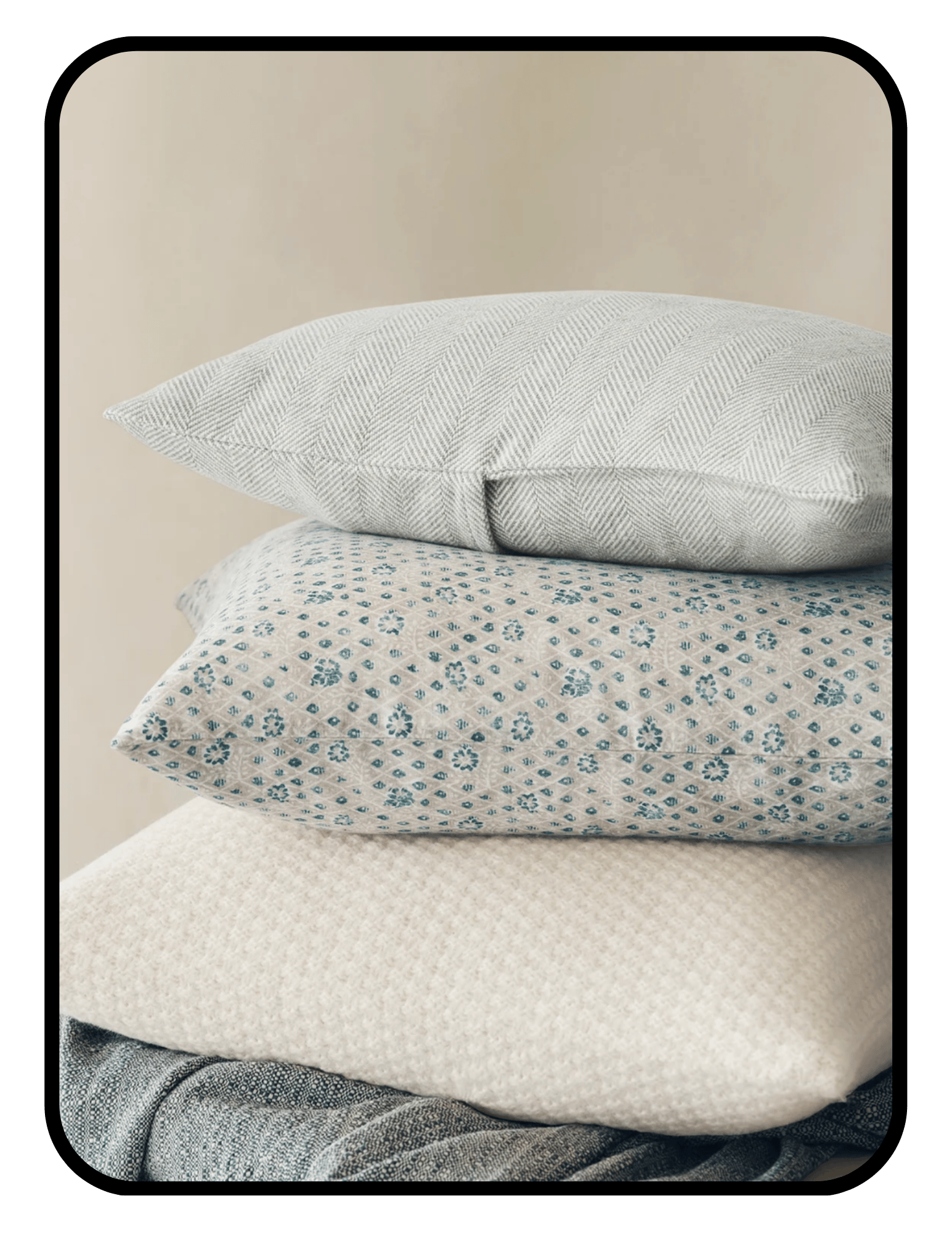

Organic Throw Pillows
Non-Toxic Candles
Why a Non-Toxic Living Room Matters for Health
Your living room is where you spend more waking hours than any other room in your home. The average American spends 2 hours daily in their living room, making it a powerful place to focus on for improving your health.
The living room also tends to be where multiple exposure routes converge. You're in direct skin contact with upholstered surfaces and throw pillows. You're breathing air that contains particles from degrading foam and fabric treatments. Children play on floors where chemical-laden dust settles from furniture breakdown. Every choice you make toward healthier furniture and a non-toxic living room reduces your family's total chemical exposure.
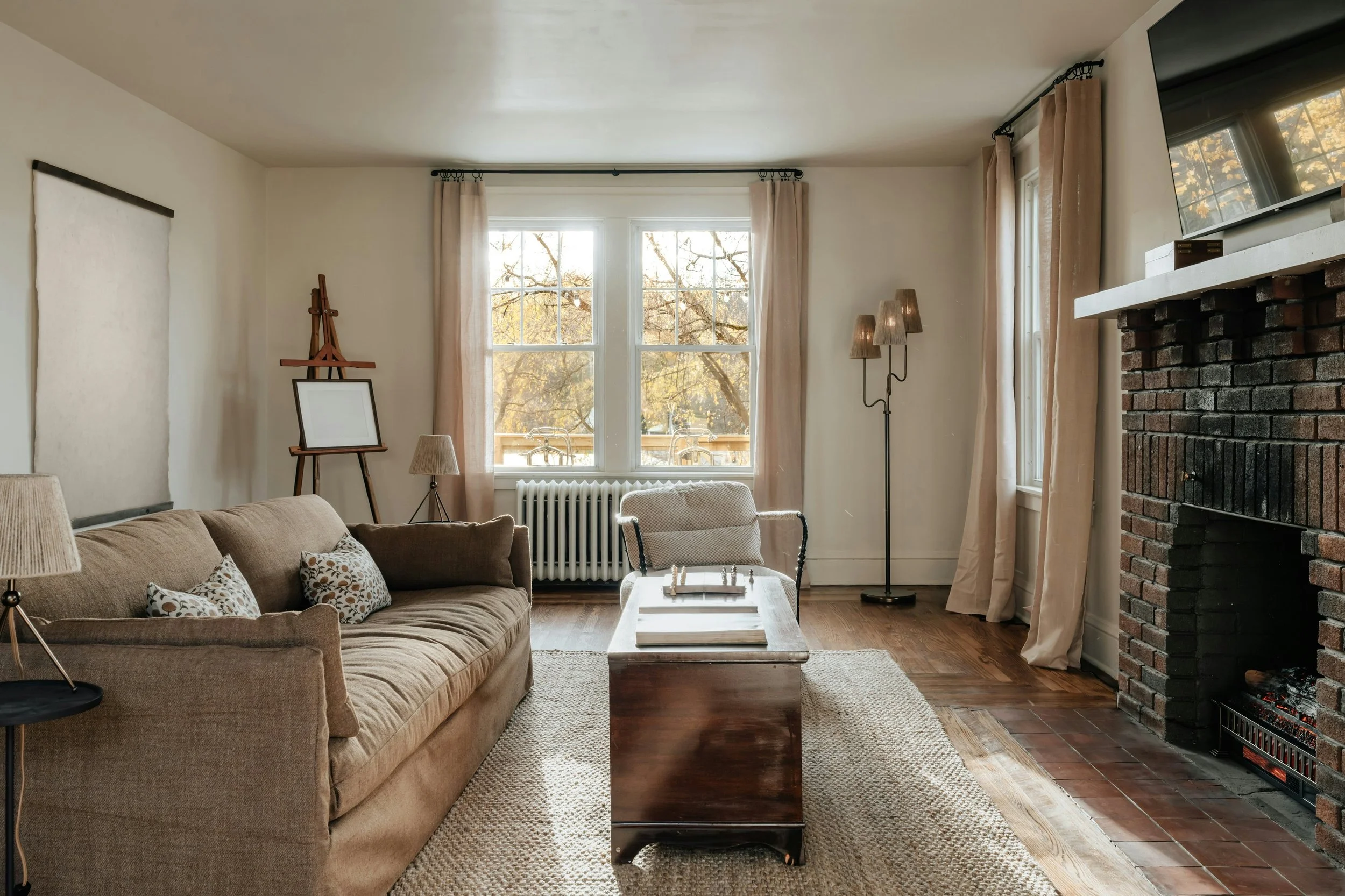
The Three Main Chemical Sources in Non-Toxic Living Rooms
Creating a truly non-toxic living room means understanding where harmful chemicals hide in conventional furniture and materials. Living room furniture typically contains chemicals from three main sources:
Adhesives and wood finishes hold frames together and protect surfaces, but conventional options release formaldehyde and other VOCs that accumulate in indoor air. Glues are often where that “new furniture smell” comes from! These chemicals off-gas most heavily in the first months after purchase, though some continue releasing at lower levels for years.
Foam and cushion fill in conventional couches contains the highest concentration of concerning additives. A single couch cushion contains flame retardants, catalysts, blowing agents, and dozens of undisclosed proprietary chemicals. As foam degrades from daily use and body heat, these chemicals migrate into household dust. This is why choosing organic couches with natural latex foam matters for creating a non-toxic living room.
Fabric treatments and finishes applied to upholstery, curtains, and rugs often include stain repellents, wrinkle resistance, and antimicrobials. Many conventional treatments use PFAS or formaldehyde-based chemicals that persist in your environment and accumulate in your body over time. Non-toxic upholstery and organic fabrics avoid these treatments.
Understanding these three categories helps you evaluate any piece of living room furniture, regardless of marketing claims about being "eco-friendly" or "green."
How to Prioritize Changes in Your Non-Toxic Living Room
Though it might be tempting, not everything needs to change at once when creating a healthier, non-toxic living room. Focus your efforts where they'll have the greatest impact on reducing chemical exposure.
Start with your couch if you can only change one thing. Choosing a non-toxic couch or organic sofa means you're addressing the piece of furniture you spend more time in direct contact with than any other. The combination of foam additives, fabric treatments, and frame adhesives makes conventional couches one of the highest sources of chemical exposure in your home. This is especially true if you have young children who play on the couch or if anyone in your household naps there regularly. Investing in an organic couch with natural latex foam and organic upholstery eliminates these concerns. If you can’t afford a couch, choose healthier throw pillows in the meantime, since you’re in the same level of close contact with these.
Address area rugs next, particularly in high-traffic areas. Rugs cover significant square footage and shed fibers and backing chemicals directly into the spaces where you walk, sit, and where children play on the floor. Most conventional rugs are made from plastic fibers and are glued to plastic backings, and some are treated with PFAS stain finishes. The constant friction from foot traffic accelerate the shedding process with conventional rugs. Natural area rugs, organic wool rugs, and even OEKO TEX -certified synthetic rugs made without toxic dyes are healthier options.
Coffee and end tables come third because of formaldehyde off-gassing from composite wood and conventional finishes. While you're not in constant skin contact with these pieces like you are with couches, particle board and MDF release formaldehyde into your living room air for months to years after purchase. If you're buying new furniture, prioritizing solid wood tables with natural oil finishes or zero-VOC water-based finishes eliminates this ongoing exposure. This matters more than window treatments because tables are typically closer to where you sit and breathe, and the off-gassing is continuous rather than intermittent.
Window treatments come fourth for most homes creating a non-toxic living room. While organic curtains and natural window treatments matter for air quality, you're not in constant direct contact with them the way you are with rugs and upholstered furniture. Focus here once major upholstered pieces are addressed, or prioritize earlier if someone in your household has strong chemical sensitivities.
Small updates can happen anytime. Items like organic throw pillows, non-toxic candles, and other healthy decor involve less expense than major furniture pieces. Baby steps in the right direction are good, even if you’re making smaller updates first.
If budget is limited, consider addressing the worst offenders in your current furniture through mitigation strategies while you save for non-toxic replacements. Frequent vacuuming with HEPA filtration, regular ventilation, and organic covers or slipcovers all reduce exposure from conventional furniture you already own.
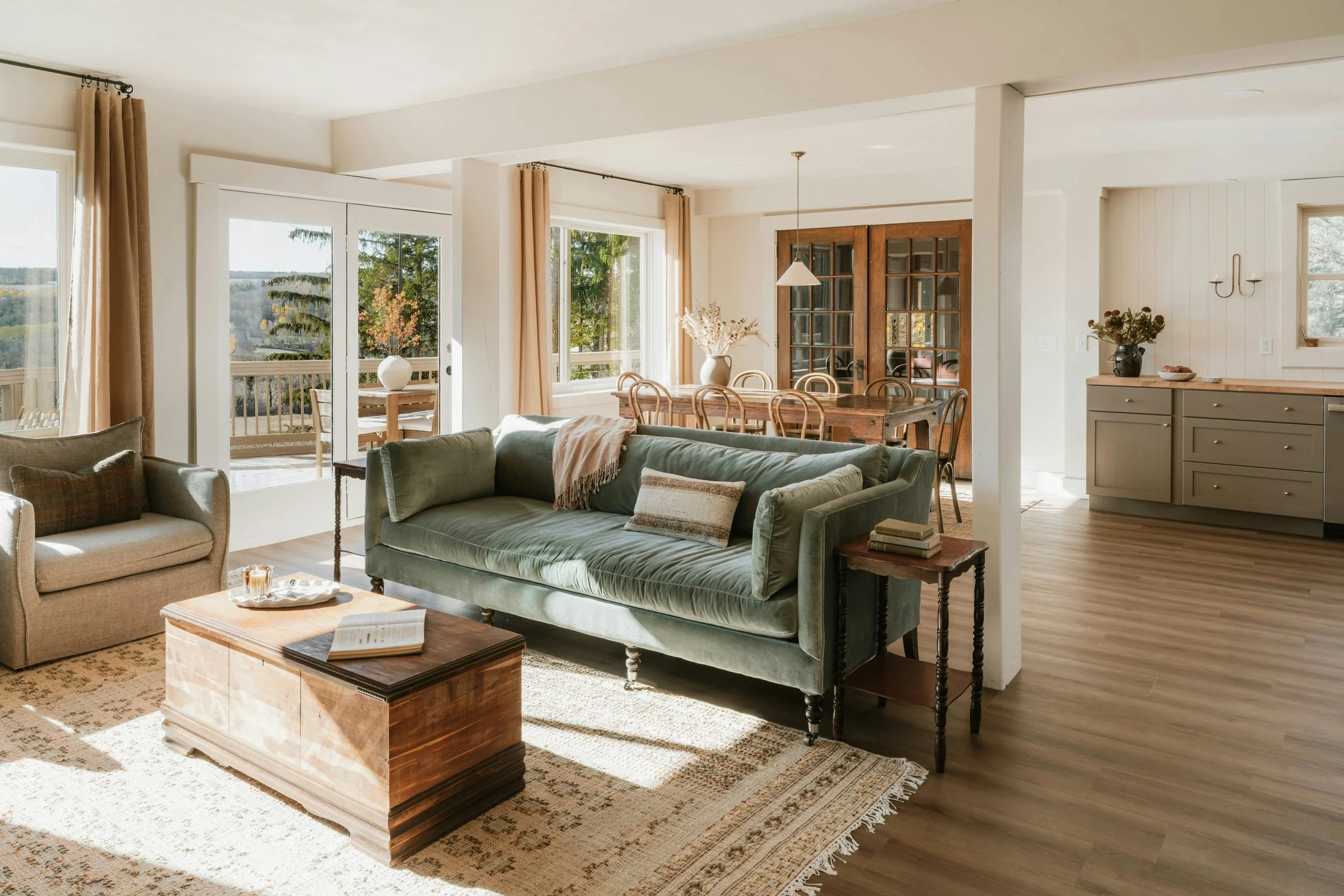
Your Living Room Furniture and Materials
Non-Toxic Couches and Organic Sofas
Your couch deserves the most attention in creating a non-toxic living room because of prolonged daily contact and the sheer volume of chemicals in conventional upholstered furniture. The average sofa contains formaldehyde-based adhesives in frames, flame retardants and undisclosed additives in foam, and stain treatments on fabric—all of which migrate out over time through off-gassing and foam degradation.
The health concern with conventional couches is particularly significant because these chemicals have multiple pathways into your body. You breathe VOCs from off-gassing foam while sitting. You absorb chemicals through skin contact during the hours spent lounging. You ingest flame retardants and other additives that settle into dust from foam breakdown. Young children face even higher exposure through floor play near furniture and more frequent hand-to-mouth contact.
Choosing an organic couch or non-toxic sofa with GOLS-certified organic latex foam, GOTS-certified organic upholstery, and solid wood frames eliminates these concerns. Natural latex foam, organic cotton or linen upholstery, and low-VOC wood finishes create healthier furniture without the chemical burden.
When you're ready to choose a non-toxic couch, see my complete guide to organic couches and non-toxic sofas for detailed material comparisons, certification explanations, and brand recommendations ranked by their potential impact on your health.
Natural Area Rugs and Organic Wool Rugs
Area rugs matter in a non-toxic living room because they cover substantial square footage in your living space and shed materials directly into areas where you walk and where children play. Conventional rugs contain formaldehyde in backing adhesives, stain-resistant treatments with PFAS, and harsh dyes in synthetic fibers. The constant friction from foot traffic accelerates fiber breakdown and chemical release into household dust.
Natural fiber rugs and organic area rugs eliminate many of these concerns, but require verification of processing methods. The term "wool rug" doesn't automatically mean safe—conventional wool may be treated with pesticides during farming, moth repellents during processing, and synthetic dyes during finishing. Look for OEKO TEX or GOTS-certified organic wool rugs or natural rugs with organic certification and natural backing.
Browse natural area rugs and organic wool rugs to see the options I recommend with organic certification, natural backing, and non-toxic dyes.
Non-Toxic Coffee Tables and Solid Wood Furniture
Wood furniture in your living room can introduce formaldehyde and VOCs from three sources: composite wood products like particle board or MDF made with formaldehyde-based adhesives, adhesives used to join solid wood pieces, and solvent-based stains and finishes.
Choosing non-toxic coffee tables and solid wood furniture matters because the off-gassing timeline is significant for planning. Most formaldehyde releases within the first two years, with highest levels in the first weeks to months. However, some chemicals continue off-gassing at lower levels throughout the product's lifetime. Temperature and humidity increase the rate, which is why new furniture often smells stronger in warm weather.
Solid wood coffee tables with natural oil finishes or zero-VOC water-based finishes avoid these concerns and create healthier furniture for your non-toxic living room.
Compare solid wood coffee tables and non-toxic furniture with natural oil finishes and low-VOC options.
Organic Curtains and Non-Toxic Window Treatments
Curtains and window treatments impact your living room primarily through the treatments and finishes applied to fabric. Conventional curtains often contain formaldehyde for wrinkle resistance, stain treatments with PFAS, and synthetic dyes. Some curtains marketed with special features contain nanoparticle coatings or flame retardants.
The concern is lower than with furniture you touch constantly, but still relevant over time, and especially because light and heat from windows hit chemically treated curtains more than other furniture in the living room, accelerating off-gassing of VOCs.
Organic curtains made from GOTS-certified organic cotton or OEKO-TEX certified linen avoid these treatments and provide healthier window treatments for your living room.
See organic curtain options and non-toxic window treatments made from GOTS or OEKO-TEX certified fabrics without harmful treatments.
Organic Throw Pillows and Non-Toxic Decorative Pillows
Decorative pillows are smaller than couches but still matter in a non-toxic living room due to their proximity to your face during use. Conventional throw pillows contain polyester fill, synthetic fabric covers, and fabric treatments. While the total chemical exposure is less than from a full couch, the face-contact scenario makes material safety relevant.
The main concerns are fill materials and fabric treatments in conventional decorative pillows. Standard polyester fill and memory foam contain similar additives to conventional couch foam, just in smaller quantities. Fabrics may have stain treatments or wrinkle-resistance finishes.
Organic throw pillows with natural fill materials like organic kapok, organic wool, or natural latex and GOTS-certified organic cotton or linen covers avoid these concerns.
Browse organic throw pillows and non-toxic decorative pillows with natural fill materials and certified fabric covers.
Non-Toxic Candles and Clean-Burning Candles
Candles impact your living room's air quality every time you burn them. Conventional candles release VOCs from paraffin wax combustion and synthetic fragrances, plus potential metals from wicks. Any combustion also releases PM 2.5 particles that can be inhaled into your lungs and pass into your blood stream.
The cleanest approach for a non-toxic living room is limiting how often you burn anything indoors. When you do want candles, the wax type, wick material, and scent source all matter for air quality. Non-toxic candles and clean-burning candles made from 100% beeswax, soy wax, or coconut wax with cotton wicks avoid paraffin and synthetic fragrances.
Shop clean-burning candles and non-toxic candles made from 100% beeswax, soy, or coconut wax with cotton wicks and essential oil scents.
HEPA Air Purifiers for Living Rooms
Even with non-toxic furniture, organic couches, and clean-burning candles, your living room needs air purification because daily activities generate particles and compounds that accumulate indoors. Cooking odors drift in from the kitchen. Pet dander and dust from foot traffic circulate continuously. Personal care products you're wearing release VOCs. Outdoor pollutants enter through doors and windows.
For a non-toxic living room, both true HEPA filtration to capture particles and substantial activated carbon filtration to absorb the VOCs and gaseous pollutants that HEPA can't capture is best, though even an inexpensive HEPA filter air purifier will meaningfully help. A quality HEPA air purifier designed for living room use addresses both particle and chemical air quality concerns.
Compare HEPA air purifiers and living room air purifiers with the right filtration for living room use.
Quick Wins You Can Implement Today
These strategies reduce chemical exposure from furniture you already own while you plan for eventual replacements:
Vacuum weekly with HEPA filtration to capture dust containing flame retardants and other chemicals that fall out of degrading foam and fabrics. Pay particular attention to areas around and under furniture.
Open windows daily when weather permits to allow off-gassed chemicals to escape rather than accumulating indoors. Cross-ventilation works best—open windows on opposite sides of your home to create airflow.
Wet-mop hard floors regularly to pick up settled dust that vacuuming alone misses. This is particularly important if you have children who play on the floor near furniture.
Use washable OEKO TEX certified or organic slipcovers on existing couches to create a barrier between your skin and treated fabrics or degrading foam beneath. This doesn't eliminate exposure but reduces direct contact. See the ones I recommend here.
Run a HEPA air purifier continuously if you have conventional furniture that's still off-gassing. Place it near your couch or in the room's main seating area for maximum benefit.
Prioritize natural materials when replacing items as they wear out. You don't need to replace everything at once. As throw pillows flatten or curtains fade, choose organic certified options for those specific replacements.
Moving Forward With Your Non-Toxic Living Room
Creating a healthier, non-toxic living room is about informed choices, not perfection. You now understand why certain materials matter more than others and where to focus your efforts first when choosing organic couches, natural area rugs, and healthier furniture. Whether you're replacing one piece of furniture or renovating the entire room with non-toxic materials, each change reduces your family's total chemical exposure.
The most important step in creating your non-toxic living room is just starting somewhere. Choose the one change that makes the most sense for your situation—whether that's adding organic slipcovers to your current couch, replacing conventional candles with clean-burning options, or saving toward a truly non-toxic sofa with organic upholstery and natural latex foam. Every healthier choice compounds over time.
For detailed buying guides with specific certifications, materials analysis, and brand recommendations for organic couches, natural area rugs, organic curtains, and all non-toxic living room furniture, explore the product pages linked throughout this guide. For more detailed information about materials, check out my extensive Material Health Guides.
Non-Toxic Bedroom
Air Purifiers

More Healthy Design for You


Non-Toxic Weights
Healthy Mold-Free Bathroom