
Non Toxic Cleaning Sprays
DIY cleaning spray ingredients, as well as third party rated non-toxic sprays, and safer disinfectants. Read more about some of the drawbacks and benefits of relying on EWG ratings, and my approach to choosing safer cleaners, at the bottom of the page.
By Dr. Meg Christensen | Physician-founder of Interior Medicine, a non-toxic home resource built on her background in medicine, biochemistry, epidemiology, and clinical research.

Updated April 1, 2026
Safest Cleaning Sprays
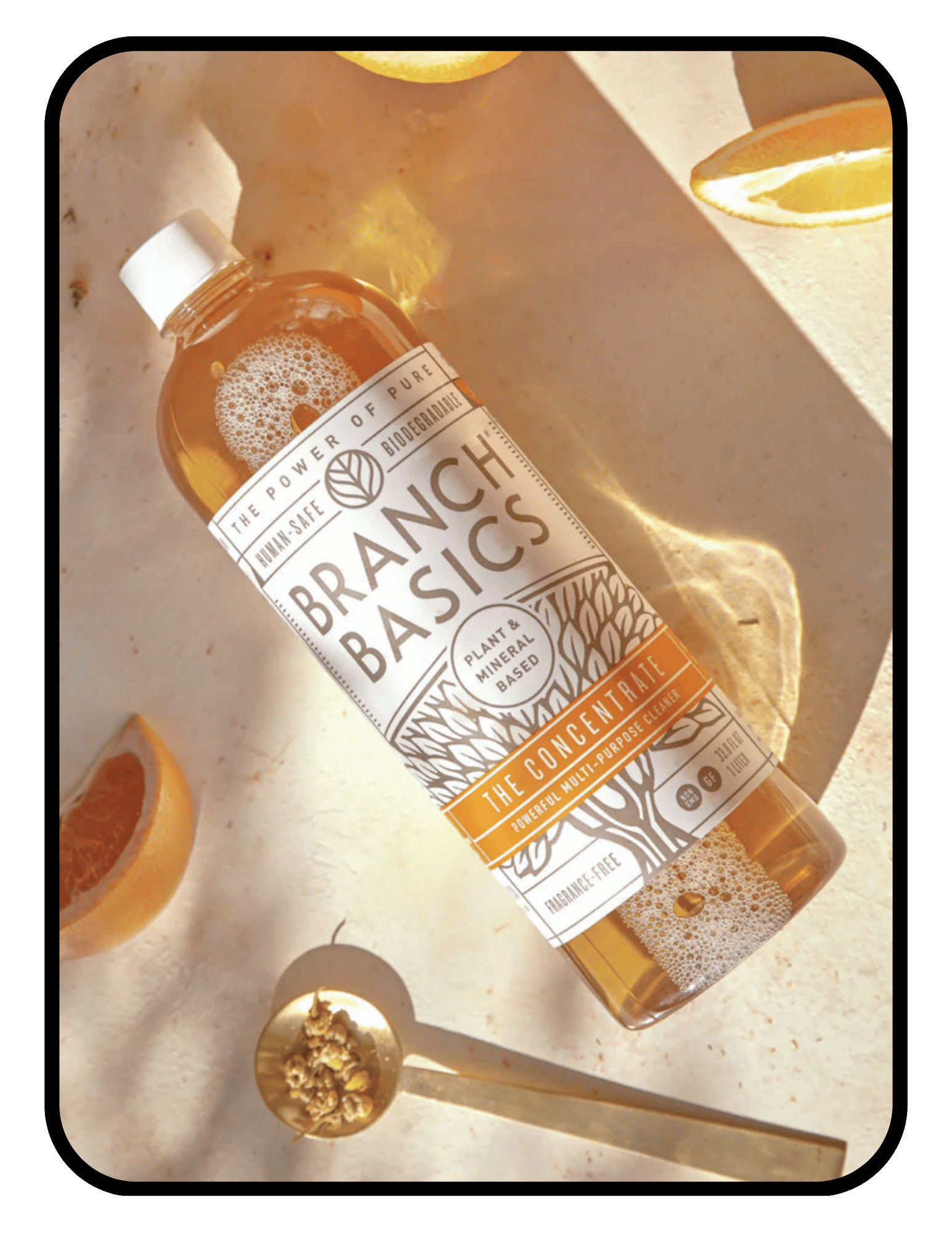
The Branch Basics concentrate earns an A grade in EWG and can be mixed in various ratios with water to make a countertop, glass, all-purpose, or bathroom spray. Its star ingredient is chamomile and I hear over and over that it’s well tolerated even by people with chemical sensitivities. The healthiest option is going with their glass bottle set, rather than plastic bottles, though I appreciate they have the two price points. I use their concentrate every day for my countertops, mirrors, windows, and as a pre-laundry stain treatment.
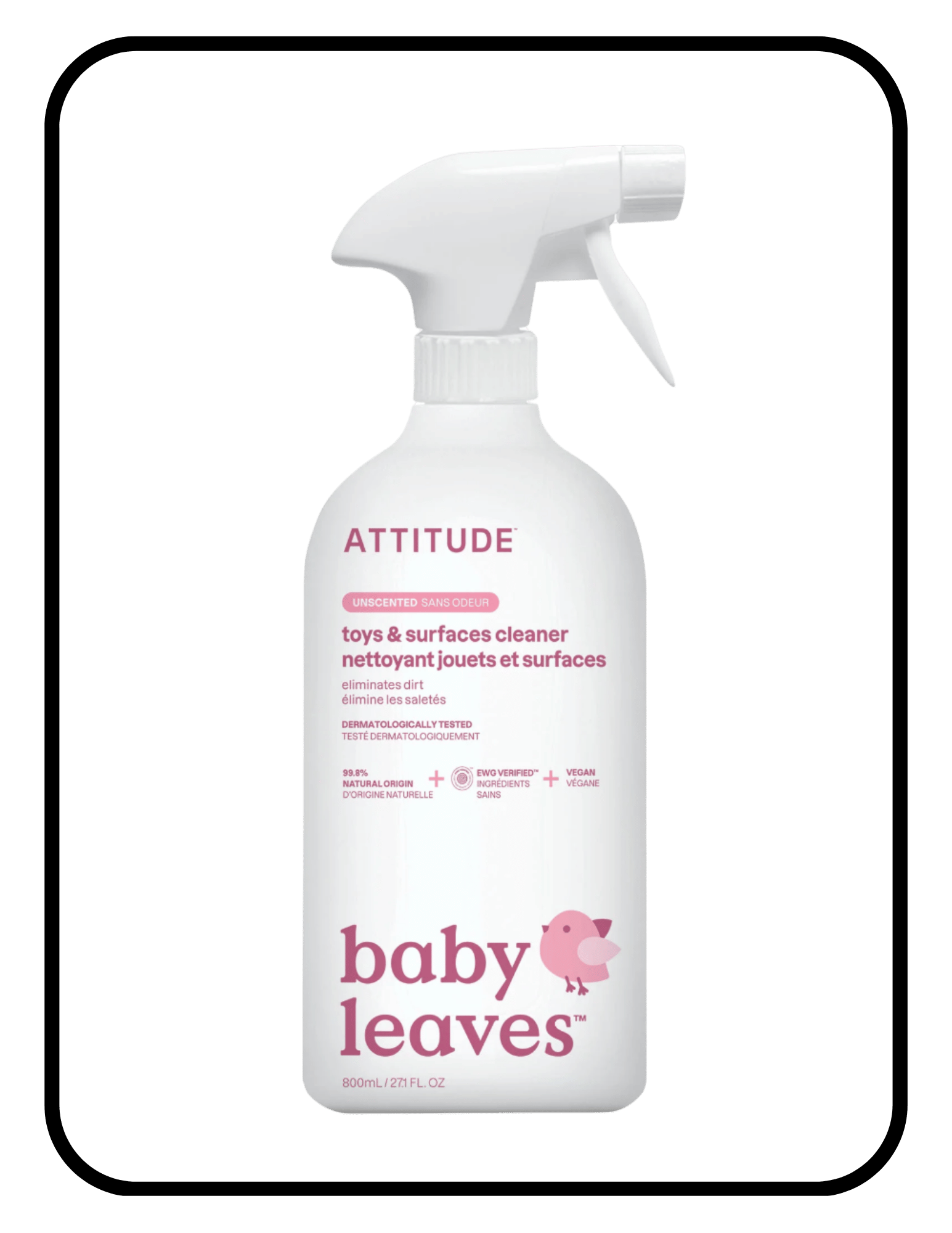
Attitude’s Baby Leaves cleaner is useful for cleaning many surfaces, not just for baby toys. It’s unscented, and its primary cleaning ingredient is actually soapnuts, like I have listed above. All of Attitude’s products are highly rated in EWG, and this is one of my favorites for how gentle and effective it is. If you need a countertop or mirror spray, I’d recommend those products specific for those tasks, but this is a great all-purpose cleaner.

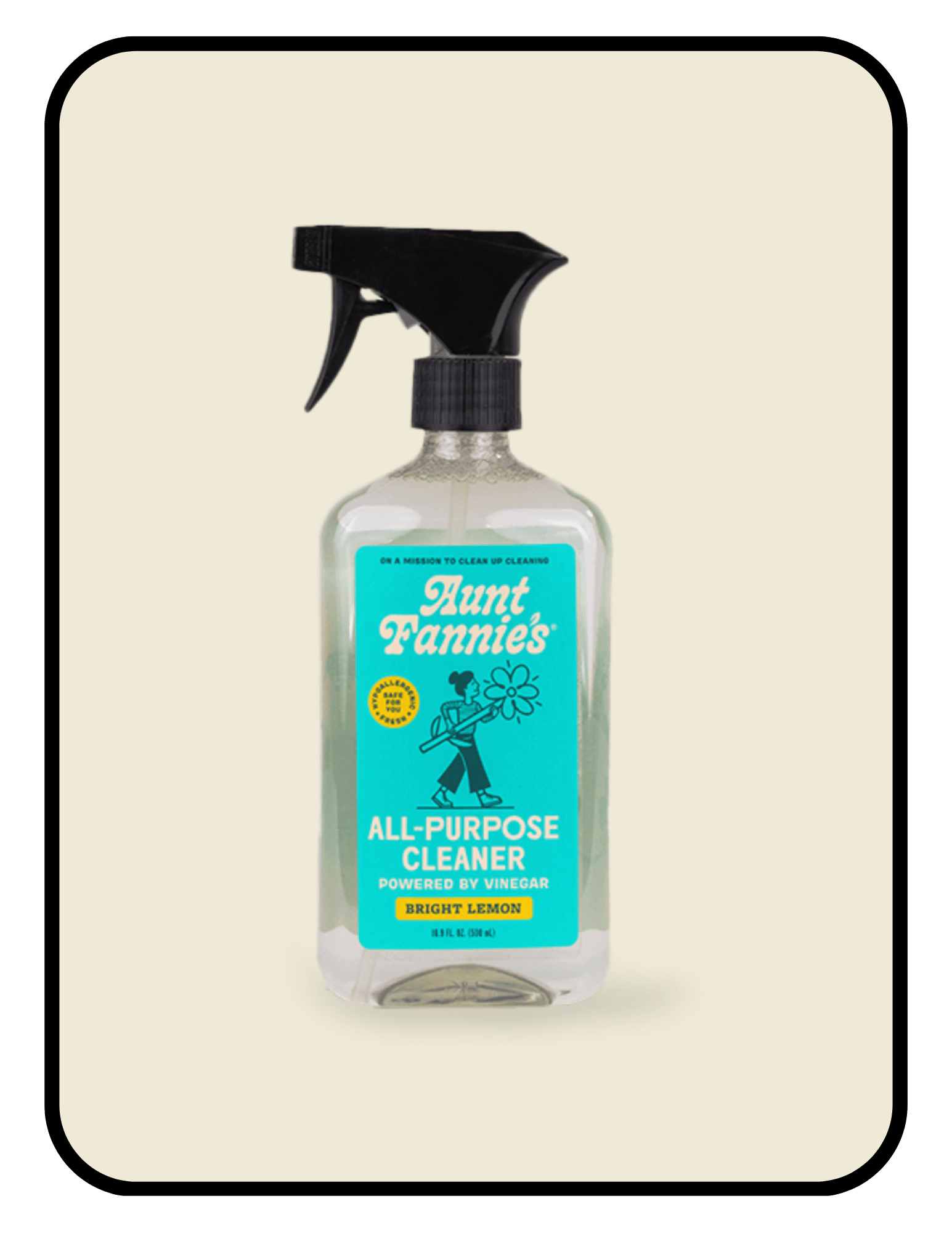
Aunt Fannie’s uses vinegar as their star ingredient, and as a result, every variety of their spray cleaners has an overall EWG grade of A. They do use essential oils, but if you’re not sensitive to them, these products are awesome. They have an all purpose cleaner as well as specifically formulated ones for granite and stone, stainless steel, wood surfaces, glass and windows, and more. I’ve used a few of them and appreciate that the fragrance is totally natural, light, and they work really well. I’m currently using their hardwood floor cleaner in my vacuum-mop and it’s fantastic.
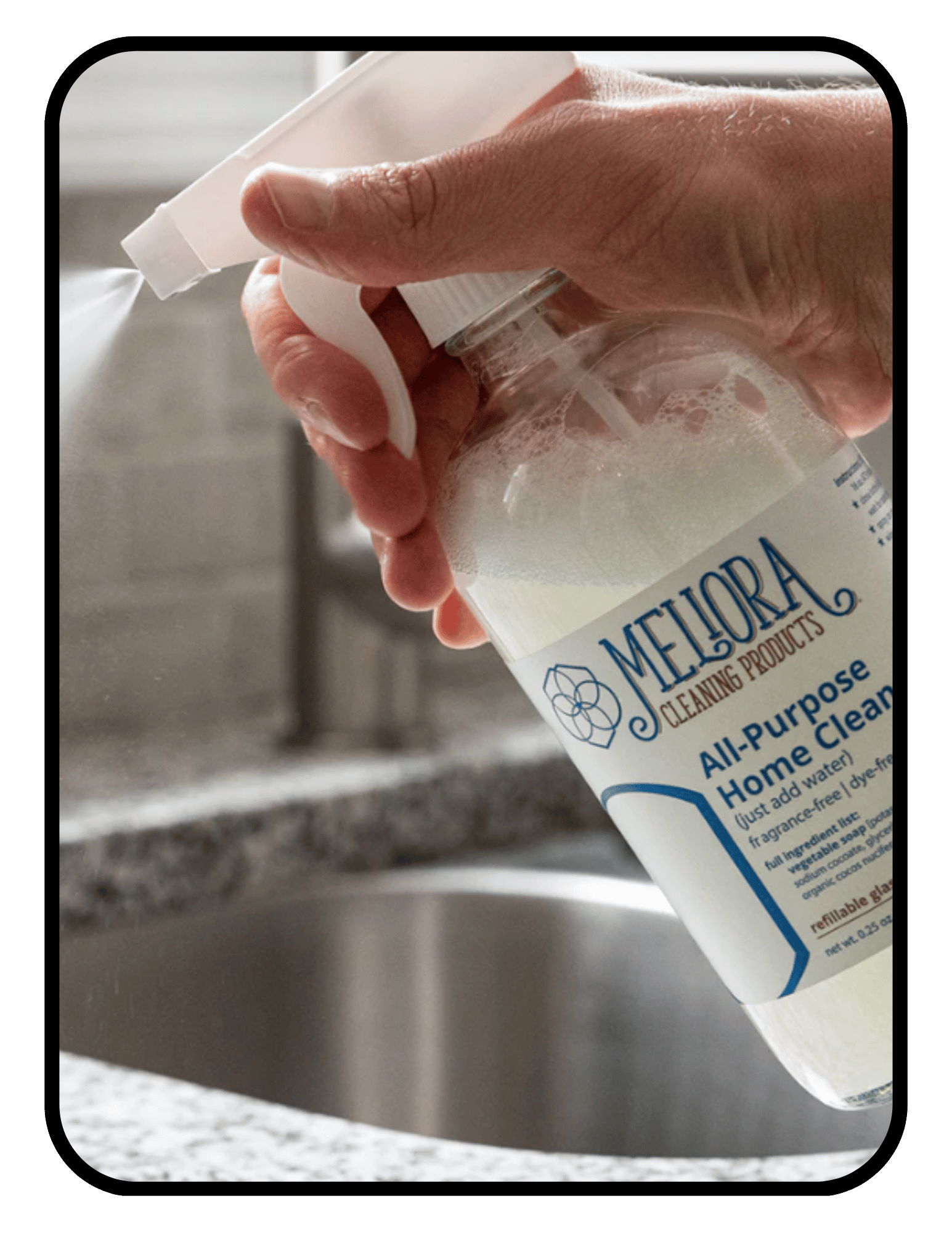
Meliora makes the cleanest of the clean cleaning sprays. Not only does it have an EWG overall grade of A, each of the ingredients on its list also has either A or B grades. Impressive. In general, Meliora’s philosophy on ingredient research, science, transparency, and accessible down-to-earth approach to healthier living aligns closely with Interior Medicine’s, so I’m a big fan. Spray refills come as tabs, and there’s almost zero plastic in their packaging. I use their all purpose spray and dish soap in my own home.
Unrated Cleaners
Safer Disinfectants
Blueland (and others)
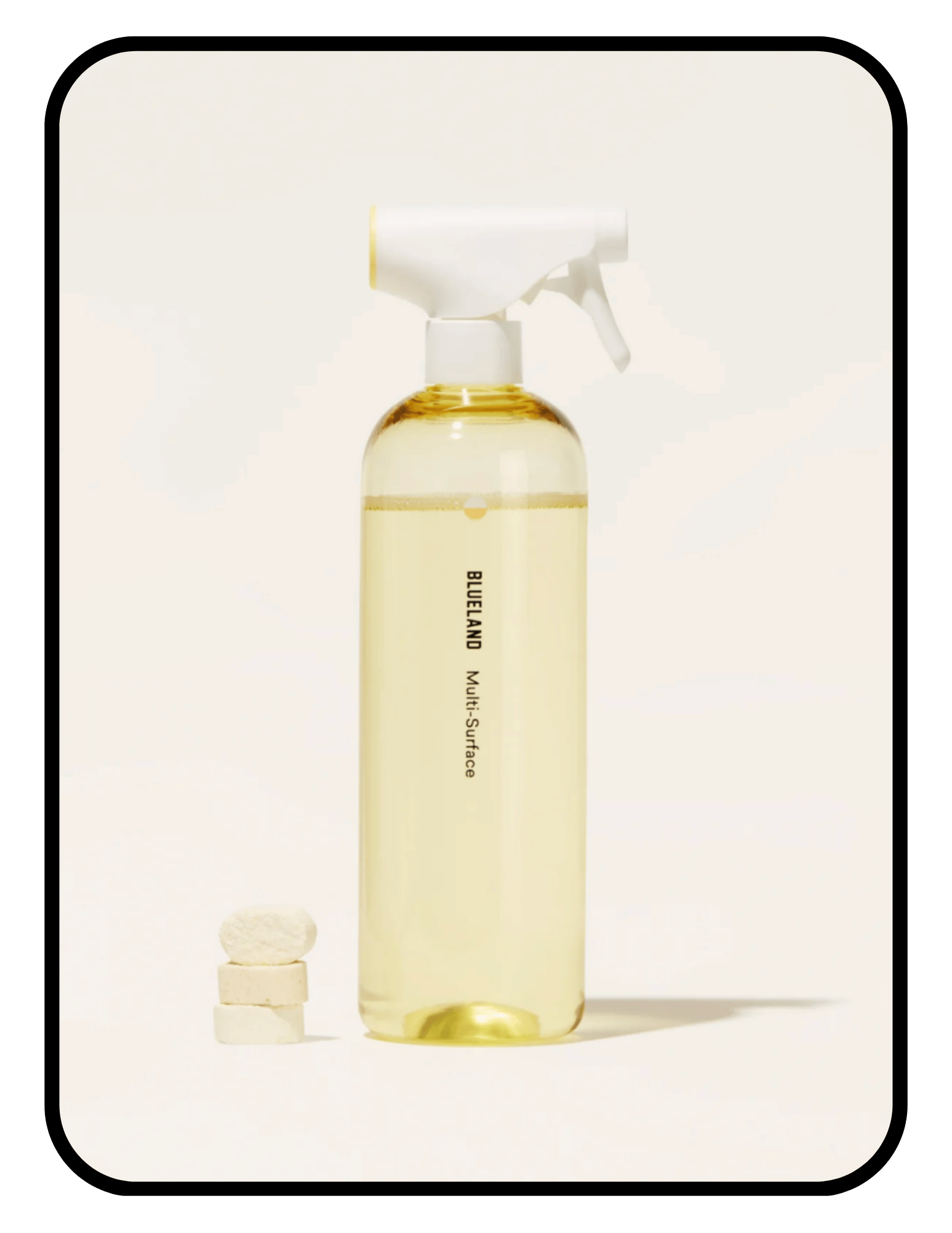
The less toxic, eco-friendly cleaning brands with millenial packaging like Blueland, Grove Co, and Mrs. Meyers are the equivalent of cookware companies Our Place, Caraway, and Made In, which I review on my Pots and Pans page. In short: they’re not great, but not the worst, from a human health perspective. Blueland and Grove Co’s sprays aren’t rated, and Mrs Meyers gets a D in the EWG. They all contain synthetic fragrance. But, overall, they still conform to an established standard that is higher than the average cleaning product (like Method, or Lysol, for example.) So, while not ideal, I include these three because I get questions about them, they work well, and because as always, I believe a healthier home is more about transparency than perfection. (I have to admit I still use Mrs. Meyer’s pine scented soap at Christmas time.)
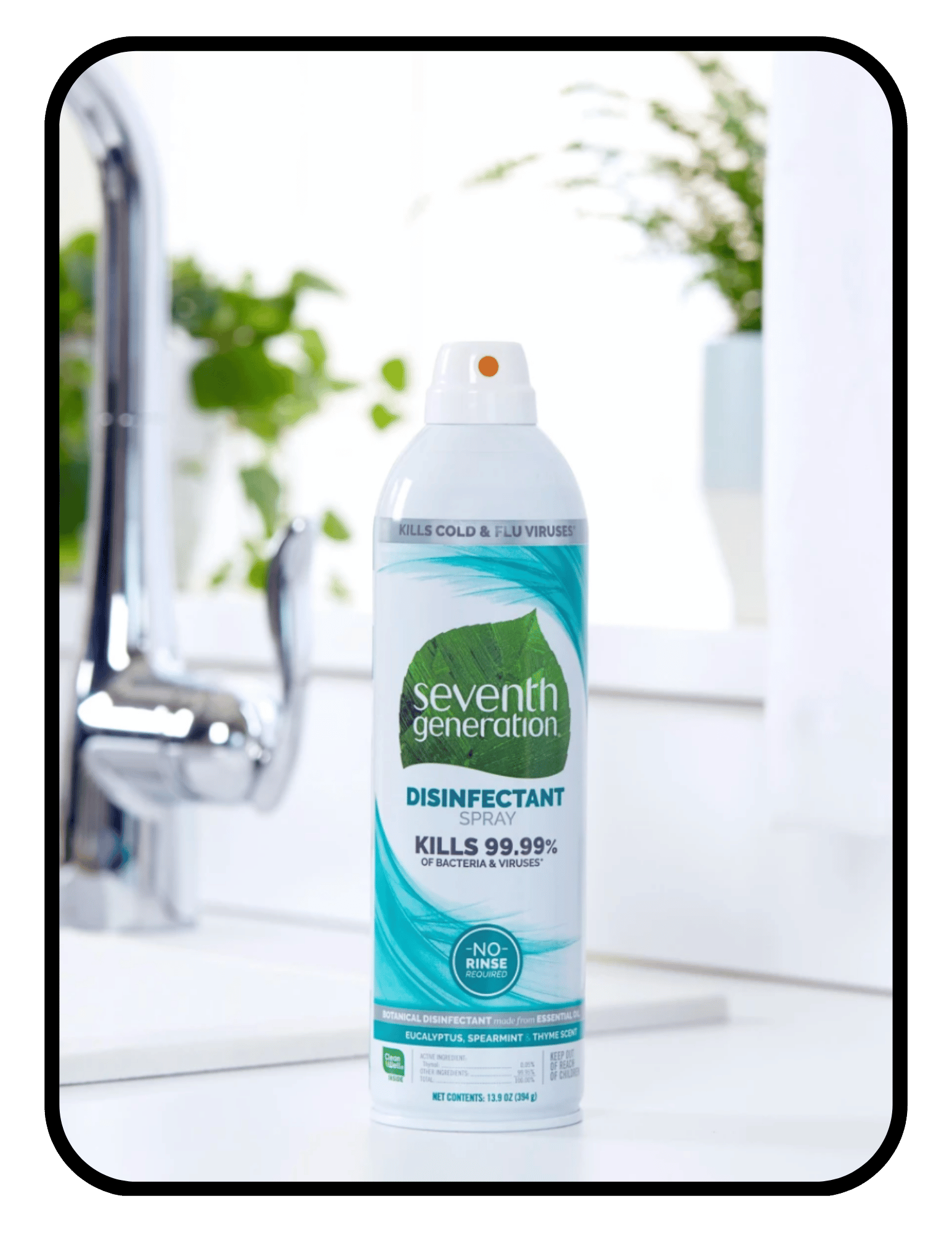
99% of the time, soap, or the cleaners above, are ideal for removing germs from surfaces, and they don’t bring the issues that disinfectants and antimicrobials do (read more below). However, there are times when you want a disinfectant in your toolkit— when someone in your house is sick, or for use on high-touch surfaces. The only disinfectant type with an overall A grade in the EWG is this one. It relies on thymol, a naturally derived antimicrobial that meets the EPA’s standard of killing 99.9% of germs and has GRAS status (Generally Recognized as Safe). It’s not perfect, it’s scented, and it’s in a compressed air style can, but it’s still safer than bleach.
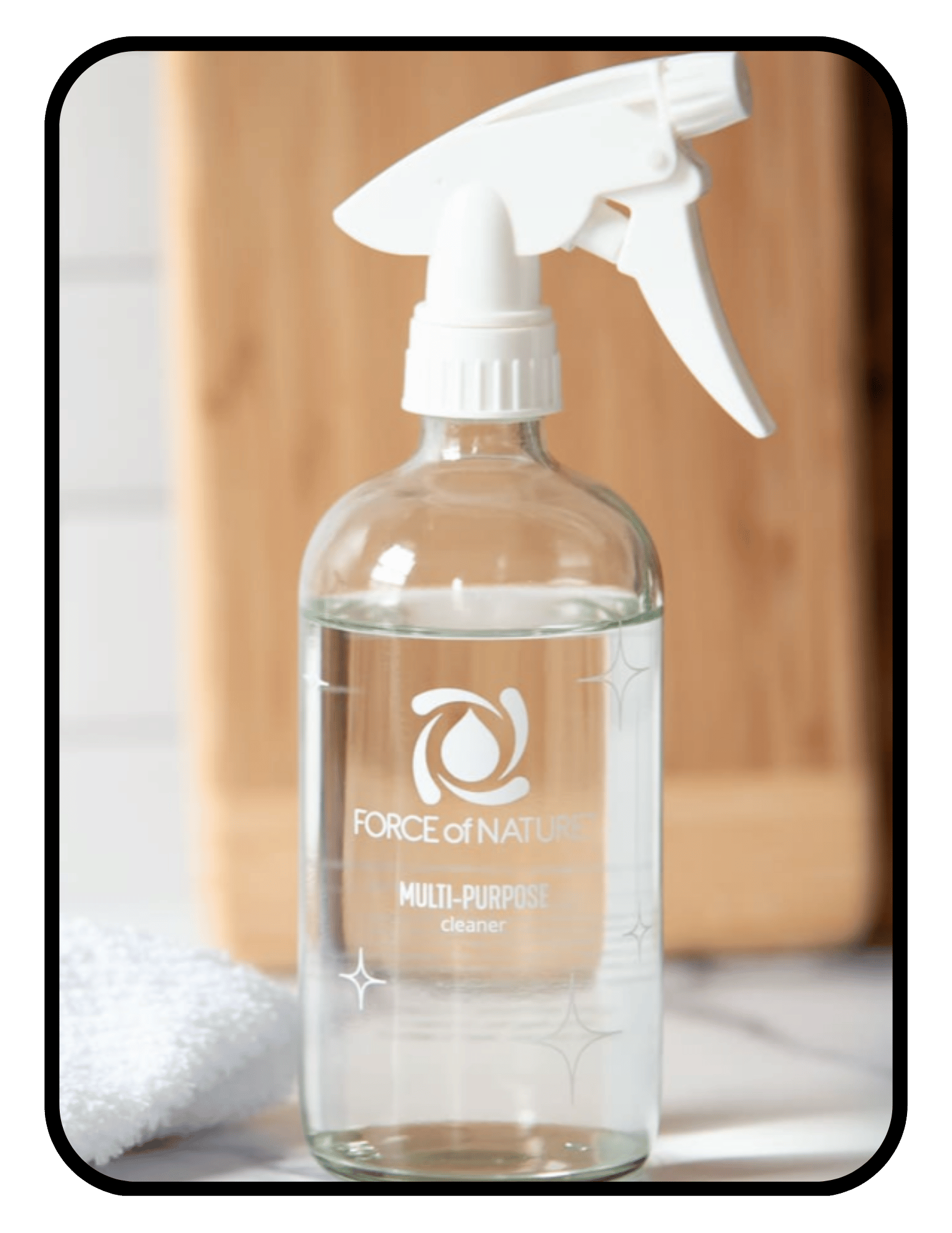
Hypochlorous acid (HOCl) is naturally produced by your immune system to kill bacteria, and it effectively kills 99% of bacteria, viruses, and fungi on surfaces, too. Only a few years ago did we discover how to make it in a stable, bottle-able way. It’s both gentle enough to spray on skin and is used in many skincare products, but is also powerful enough to sanitize in hospital situations. Super cool— read more about it here. Gets an EWG rating of 1-3, far better than bleach or other disinfectants. Force of Nature offers little pods so you can make a freshly stable batch in glass bottles for yourself. It smells very faintly of a chlorinated pool, but it is not bleach. It works really well for me (I also use this hypochlorous spray to help my eczema flares clear faster) but read their FAQs first if you’ve never used it before!
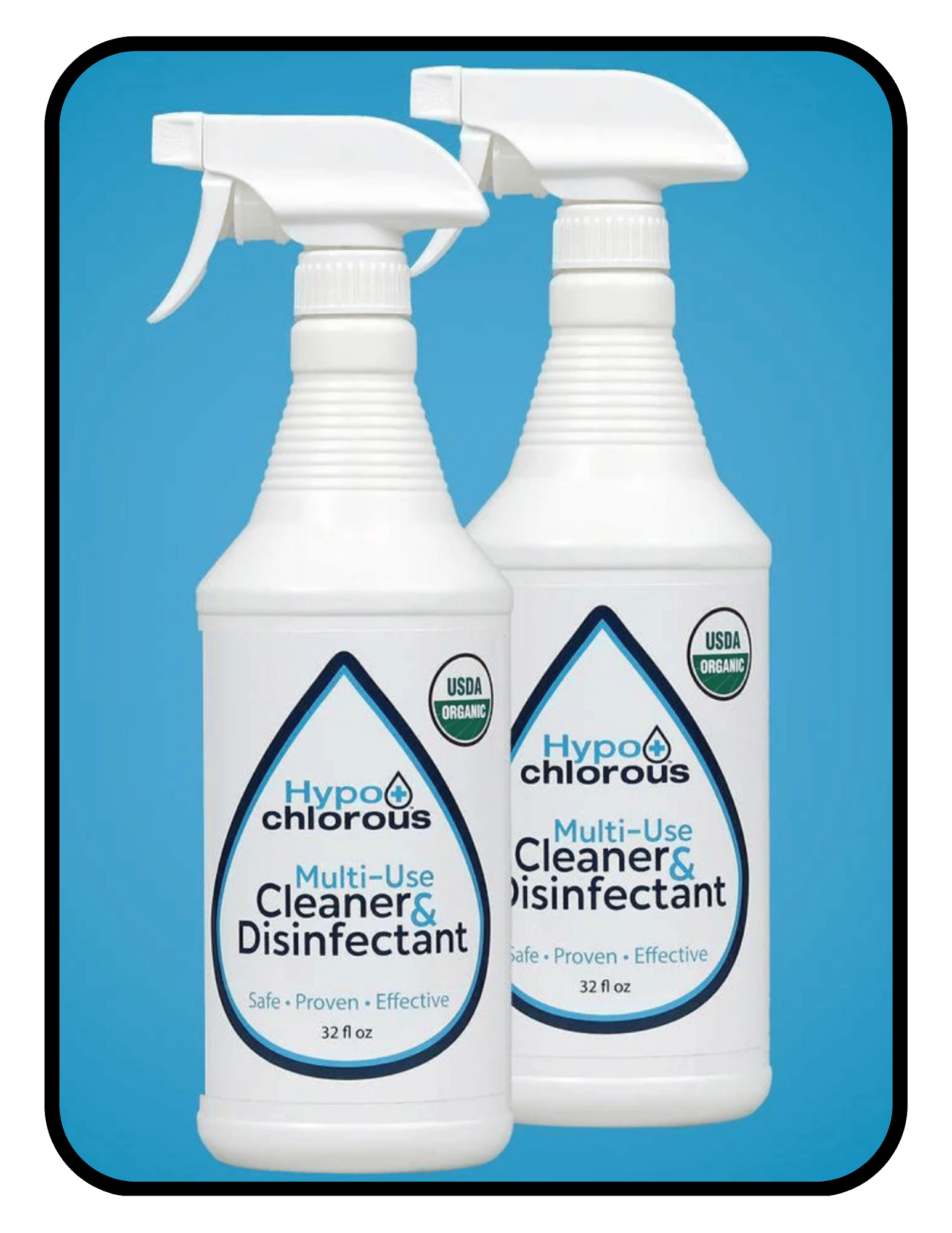
Another hypochlorous acid cleaning spray choice— this one comes packaged in a normal spray bottle so you don’t make it fresh each time. I recommend storing the bottles in a cool, dark place, and keeping them sealed, to prevent any breakdown that comes when exposed to air or sunlight (I don’t recommend buying a large jug and pouring it into spray bottles for this reason.) I use pre-bottled hypochlorous acid within 3 months, though it’s generally good for 1 year with proper storage.

DIY Cleaners

Grove Co
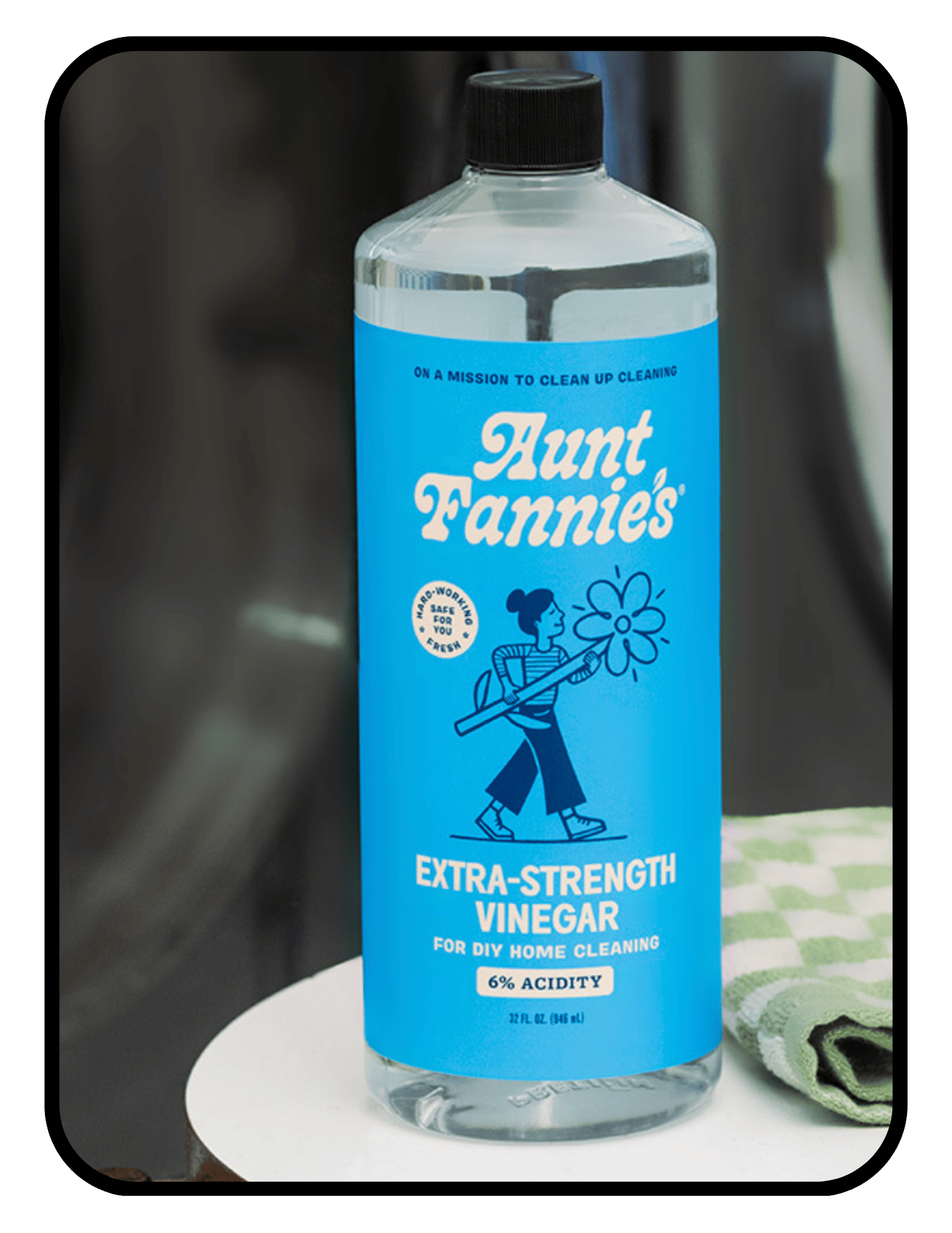
Grove Co has a great selection of ingredients for making your own cleaners, including Aunt Fannie’s Extra Strength Vinegar, baking soda, and refillable glass spray bottles. (To be clear, I don’t recommend the Grove Co branded cleaning liquids, which have undisclosed synthetic fragrance and no EWG hazard ratings, but I do like the Grove Co company for its fast shipping, good customer service, low plastic use, and big selection of actually healthy options and basic ingredients.)
Every pre-formulated cleaner option, even the very “cleanest” cleaners listed below, will have at least one unrecognizable term on its ingredients list. I think that’s OK, but I understand if it makes you uneasy, and cleaning sprays are one of the easiest places to take this approach since it’s do-able to make ones that are actually effective (unlike say, DIY laundry detergent). If you’d rather mix up your own cleaners, this is the book I’ve used many times for this purpose.
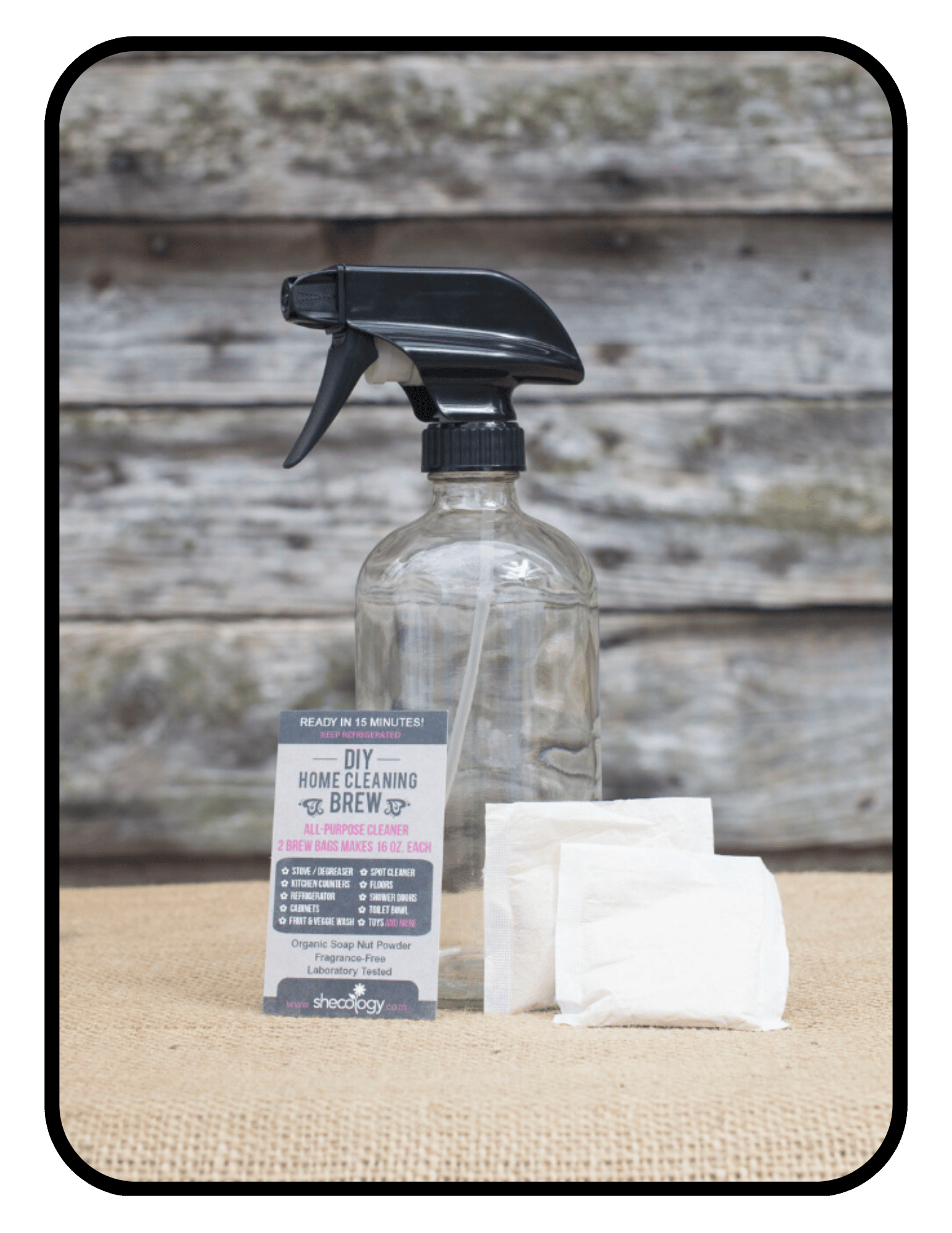
This is certainly my most “out there” DIY recommendation, but I wanted to include it because Soapnuts (actually berries, related to lychee) have a soapy outer shell full of natural saponin. They’re most commonly used in their whole form as a laundry detergent for people with eczema or other sensitivities, but this brand, Shecology, has cleverly ground them into a powder so you can mix your own cleaning spray with them. Affordable and ultra natural, these work even better as a spray cleaner than a laundry detergent.
Mountain Rose Herbs has an incredible and comprehensive selection of pure essential oils, many of which are USDA certified organic. Perfect for scenting your own cleaning sprays. I order from Mountain Rose all the time— spices, herbs, essential oils, and more.
Looking for something specific? If you don't see the product or brand you're curious about, you can request a review here, or run it through the Second Opinion Product Checker to evaluate it yourself. Want to go deeper? My free course covers how to evaluate any product's materials yourself.
Join the Newsletter
Join the Newsletter


More About Safer Cleaning Sprays
Why are some of the ingredients lists on some of the cleaners you recommend unpronounceable?
Sodium hypochlorite is one of the most toxic ingredients in cleaners, sodium oleate is one of the safest, dihydrogen oxide is the chemical term for water…in short, when it comes to liquid products, the pronounceability of the ingredients doesn’t necessarily equate with how healthy they are.
Add in the complex chemistry of mixtures, and that ingredients list becomes incredibly nuanced, and I defer expertise on the overall health impacts of the pre-made cleaning products I use and recommend to EWG and ECHA.
If you’re still concerned by unpronounceable ingredients, I’d recommend the DIY approach, as every formulated option, even the very “cleanest” cleaners, will have at least one nuanced aspect to, or unrecognizable term, on its ingredients list.
Why do you trust EWG?
I do not blindly trust the EWG, and I am very aware of the complaints that they apply hazard assessments inconsistently. I also know that they are doing hazard assessments, not risk assessments, and I know how different these things are. In fact, I wrote about it at length in my course, What “Non-Toxic” Actually Means.
I am using the EWG despite these issues, as a baseline for understanding safety because I am not a chemist. Pretending I understand complex liquid chemical combinations would be a misrepresentation of my knowledge, and it’s beyond my scope. While avoiding every hazard is potentially silly, and we have to consider exposure, dose, dose-response, and our individual susceptibility in a true risk assessment of how that spray will affect us, for cleaners, I fall back on the basic hazard data until better risk assessments are available.
(It’s also the best resource available so far. I’ve also used Clearya but it’s a little less user friendly and doesn’t yield different results than EWG for cleaners. Please let me know if you find something better than EWG and I’m more than happy to look into it!)
How did you decide which cleaners to feature?
For the multipurpose cleaners I recommend, I chose these for three reasons: first, because they have an EWG grade of A; second, I’ve personally used them and find they work well; third, they have good reviews for effectiveness across multiple platforms. I am not a cleaning product mixture chemist, and so rely on a third party (EWG) to tell me about hazard data. I also want to ensure that they actually work, so I use my own personal experience, and back that up with more general effectiveness ratings— especially from sources that aren’t necessarily as “naturally minded”. I look at reviews of these products across Amazon, Walmart, and Target, for example, to confirm that these are useful for everyone, not just folks that might be willing to sacrifice effectiveness for something non-toxic, and therefore be more biased in their review. There are very likely more brands that meet the non-toxic and effective criteria, but I don’t have experience with them (yet!) I’ll add more when I do.
For the multipurpose cleaners I don’t recommend whole-heartedly (like Blueland, Mrs. Meyers, etc), I included these for two reasons: first, I get questions about these brands often, and second, because they exist in the “grey area” that I accept as an imperfect, practical part of less toxic living. These brands are marketed just sleekly enough that you question, “are these really non-toxic?” — which is likely why they get more questions than their obviously toxic counterparts. And, like I state above, I use unscented, super-natural cleaning products 11.5 out of 12 months of the year, but cannot resist things that smell like Christmas tress in the second half of December. Mrs. Meyers is still a better choice than many for this situation. If you love scented products year round, there are other things you can do to make your home healthy and find a balance between enjoying the smells you love and non-toxic. It doesn’t have to be perfect or rigid.
Finally, for the disinfectants, I chose these for two reasons: first, thymol and hypochlorous acid are the two compounds that are healthy, natural, and qualify for the EPA’s definition of what a disinfectant is— namely, that it is capable of killing 99.9% of germs on a surface. Second, again, I’ve used them and can recommend them personally. I also use rubbing alcohol and hydrogen peroxide on occasion, which meet the disinfectant criteria, but they’re not practical for most situations and there aren’t any products with good third party ratings for these.
What are antimicrobials? How are they different from disinfectants?
Antimicrobials is an umbrella term that includes disinfectants. (It also includes antibiotics and antiseptics— these two of course, are related to use in and on the body.) Antimicrobials include naturally-occurring substances like copper and thyme essential oils, as well as lab-made compounds like triclosan.
Antimicrobials can exist in solid form, but disinfectants are always liquids. For example, copper is a natural antimicrobial, and you’ve probably seen Microban-coated fixtures before, like door knobs and toilet flushers.
Antimicrobials can both kill microbes and slow their growth— for example, some get into bacterial cell walls and prevent them from replicating. Disinfectants only kill.
What are disinfectants?
Disinfectants are a type of antimicrobial that are able to kill 99.9% of common household germs that are on surfaces— this is the Environmental Protection Agency (EPA) standard to qualify. Soaps, or cleaners, don’t actively kill bacteria— they remove it by being “soapy,” and then it is washed or wiped away. Vinegar can actively kill bacteria, but only a narrow range of types of bacteria, so it doesn’t qualify as a disinfectant.
The official list of disinfectants is relatively short and includes alcohol, hydrogen peroxide, chlorine (bleach), formaldehyde, glutaraldehyde, iodine, quaternary ammonium compounds, peracetic acid, and a few others— most of which are hazardous, or can’t be used in household cleaning (hydrogen peroxide and isopropyl alcohol are the exceptions, though hydrogen peroxide isn’t always color-safe, and there are issues with alcohol, too.)
Finally, there is thymol! This is naturally derived from the thyme plant, and is both recognized by the EPA as a disinfectant and has GRAS status (Generally Recognized as Safe).
Should I limit my use of disinfectants and antimicrobials at home?
Disinfectants and antimicrobials are super important for surgery to prevent infection, for cleaning hospitals where there are aggressive strains of bacteria and viruses, along with immunocompromised people— generally, they’re appropriate in cases when your body’s immune system isn’t able to handle the level of bacteria or microbes being thrust upon it. Outside of that, they’re unnecessary and routine use can be harmful: overuse of antimicrobials is the main cause of the development of drug-resistant pathogens, and bacterial antimicrobial resistance (AMR) was directly responsible for 1.27 million global deaths in 2019 and contributed to 4.95 million deaths.