
Best HEPA Vacuums
The best vacuums for health have a HEPA filter and an allergy seal so that the dust, toxins, and allergens they pick up aren’t released back into the air as you use them, a common problem in standard vacuums. Since dust is a major source of shed toxicants from household products, and is considered hormonally active, the best vacuum is simply the one you’ll use the most often. All of these have HEPA filters, allergy seals, or wet-mopping action to permanently trap what they pick up, and come in a variety price points and functionalities depending on what fits your life. I’ve personally tested each one, and can vouch for their effectiveness.
By Dr. Meg Christensen | Physician-founder of Interior Medicine, a non-toxic home resource built on her background in medicine, biochemistry, epidemiology, and clinical research.

Updated May 1, 2026
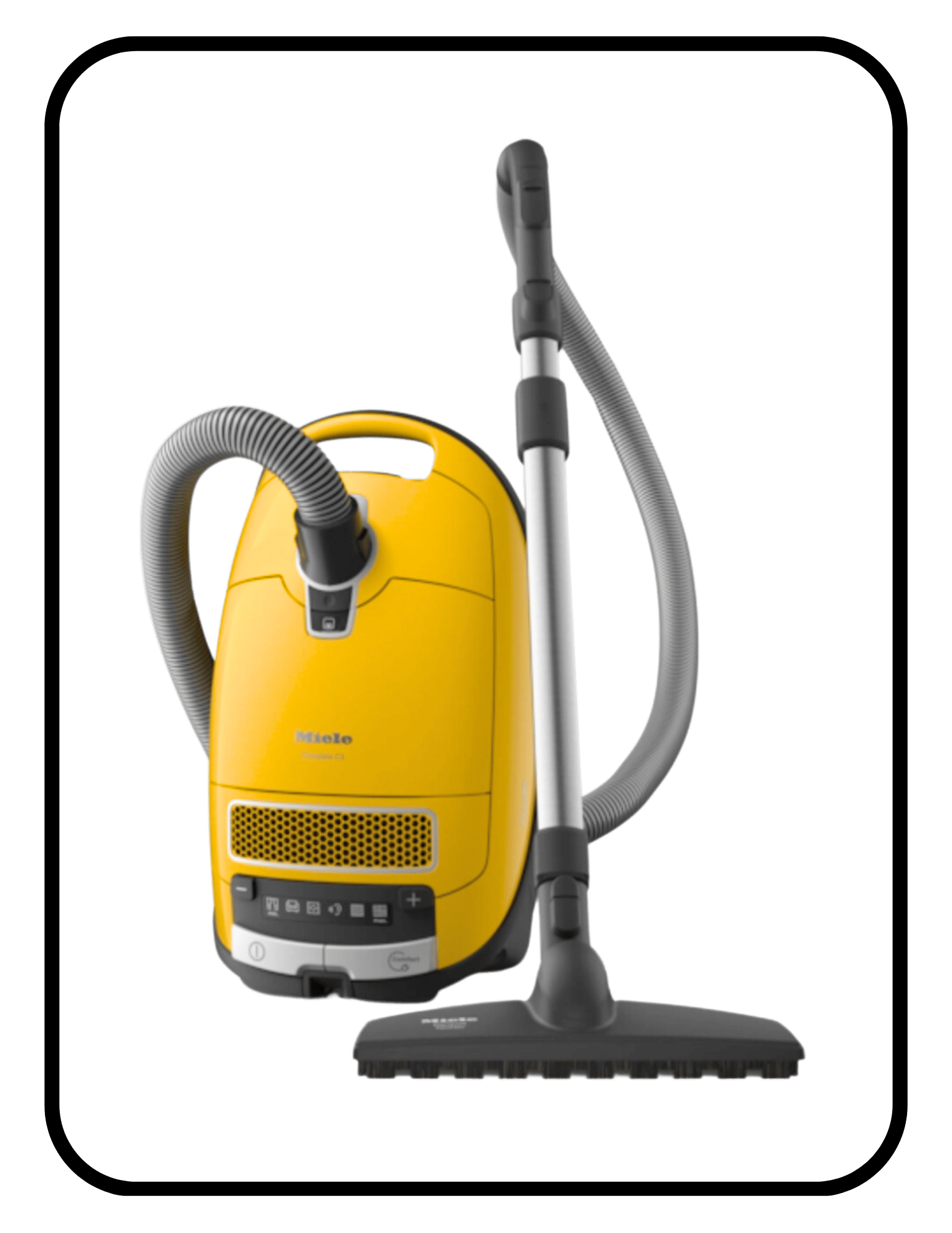
Miele’s Complete C3 Calima vacuum has a HEPA filter and allergy-seal bag and is top of the line, rated highly across every platform for years and years. I can speak to its effectiveness— not because I own one, but because my parents do, haha, and I use it when I clean up at their house. It easily reaches under furniture, and it has cleaning attachments hidden in the case so you can vacuum up the maximum amount of toxins, germs, and allergens possible— and you won’t be exposed to any when you empty it. One step up is their Complete C3 Kona, which has the same features, plus deep-cleans carpets.
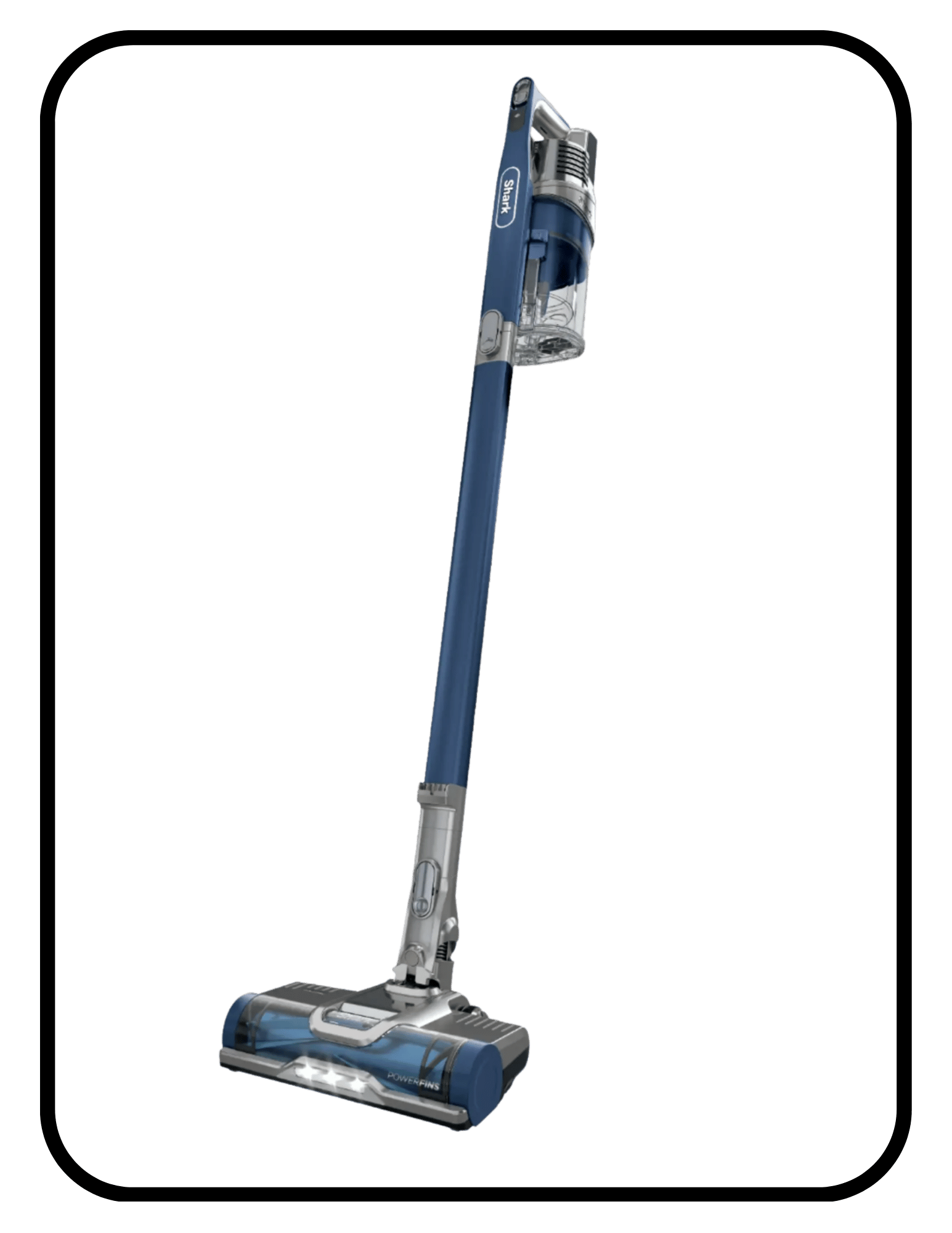
I upgraded from the upright Shark to this cordless model and love it. It’s lightweight, cord-free, reaches under my bed, dresser, and couch to collect dust bunnies, and the battery lasts long enough I can easily do the whole house in one charge. The light is so useful; I can see how much dust I’m picking up. Importantly, it has a HEPA filter and a complete allergy seal. Made for pets, but works great for reducing my year round allergy triggers.
The Tineco iFloor is the best vacuum- mop combo I’ve found. I use it to clean my hardwood floors because I found I was never up for vacuuming first, then using an olde tyme mop second— it took too much time. The Tineco does it all at once and the result is sooo satisfying, in part because of the shocking color of the water it collects in the canister (SO DARK)— and big bonus— it cleans itself when you’re done. I use my own cleaning solution, a teaspoon of Aunt Fannie’s and warm water, instead of the provided one.



Looking for something specific? If you don't see the product or brand you're curious about, you can request a review here, or run it through the Second Opinion Product Checker to evaluate it yourself. Want to go deeper? My free course covers how to evaluate any product's materials yourself.
Join the Newsletter
Join the Newsletter
More Healthy Design For You
Bakeware

Organic Mattresses, Rated and Ranked
Storage Containers


More About Vacuums
Why is dust reduction important for a healthy home?
Dust contains both allergens and chemicals that are too “heavy” to float in the air. These heavy sVOCs, or semi-Volatile Organic Compounds, include flame retardants and phthalates, and can be absorbed through our skin.
Harvard Healthy Building researchers describe hormonally active dust as “a stew of dozens of chemicals that migrate out of furnishings and that can interfere with sperm counts, fertility, successful birth, and the timing of puberty and menopause.” This is why I take dusting seriously.
Which vacuum is the best?
The one you’ll use! I’d go for the Miele, but I don’t have closets in my tiny craftsman home, and lugging any vacuum up the basement stairs is a feat— so I went with the lightest cordless option available. I went with the Shark Upright for its affordability when I was in grad school, and it was great at cleaning my one bedroom apartment because I only had to plug it in once. It just depends on your situation and habits!
What about Dyson?
I’m sure Dyson is great. Their upright and cordless models tend to cost up to twice as much as Shark’s models, but from a health perspective, I doubt there is twice as much benefit. If you do go with a Dyson, choose a HEPA filter and allergy seal model that you’ll enjoy using.