
Product Reviews ➜ Bedroom ➜ Pillowcases
Non Toxic & Organic Pillowcases
The best non-toxic pillowcases are made from GOTS-certified organic silk, cotton, or linen, or OEKO-TEX certified fabrics tested for over 1,000 harmful substances. Your pillowcase touches your face, mouth, and airways for roughly eight hours a night, more skin contact than almost anything else you own. But pillowcase marketing can be murky: brands use unverifiable "organic" claims or sell polyester as "satin" without disclosing the fiber. So I evaluate every fabric using the same method for each, all explained in my full methodology.
By Dr. Meg Christensen | Physician-founder of Interior Medicine, a non-toxic home resource built on her background in medicine, biochemistry, epidemiology, and clinical research.

Updated July 6, 2026
Organic Silk and Satin Pillowcases
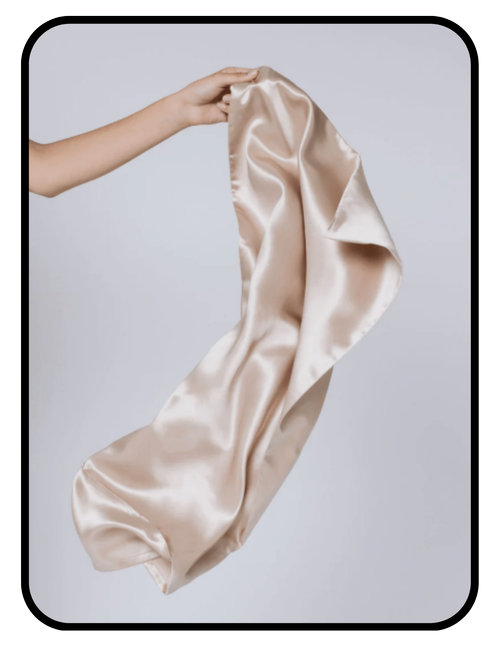 Clementine GOTS Certified Organic Silk Pillowcase
Clementine is the only organic silk pillowcase brand so far that transparently displays their GOTS certification number (most don’t, or have unverifiable or sketchy organic claims.) This means they’re truly organic and stay that way throughout dyeing and fabric processing steps. The pearl white color is even undyed, and they have OEKO TEX certification for their dyes in addition to GOTS. Impressive! Healthy for you, and great for your skin and hair. They recommend washing these by hand (or delicately) with cold water. In short, this is the best non toxic silk pillowcase out there.
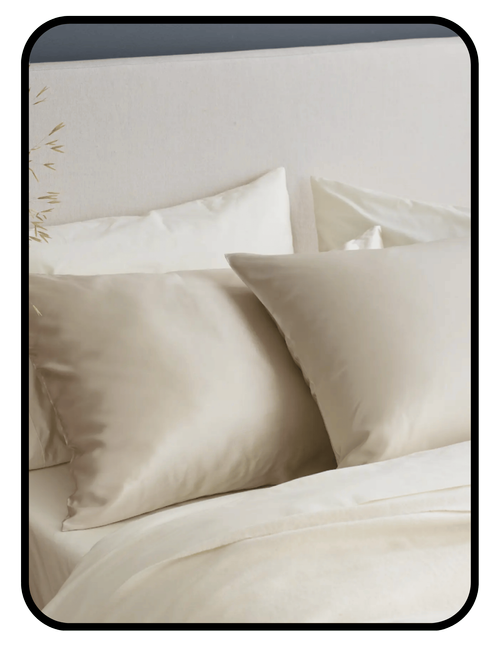 Quince OEKO-TEX Certified Silk Pillowcase
Quince’s silk pillow cases are not strictly organic, but they are more affordable, and their OEKO TEX certification ensures they’ve been tested for over 100 harmful chemicals and are dyed with safe dyes. This is still so much better than most silk pillow cases! I appreciate that they’re not exaggerating with fake or unverifiable GOTS symbols, like so many silk brands do. Silk is completely natural and gives you a breathable, friction-free surface that can be helpful if you struggle with acne or dry skin (read more below.)
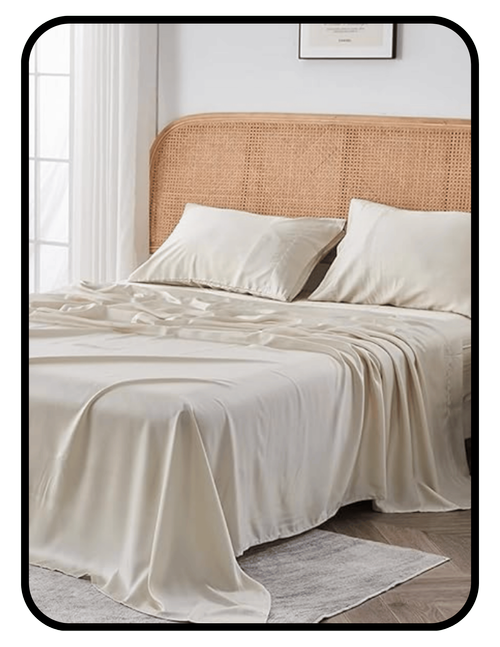 SIJO Eucalyptus TENCEL Pillowcase
If you want a non-toxic, sustainable, silk-like pillowcase that’s affordable and that you can throw into the washer and dryer, SIJO uses eucalyptus TENCEL with OEKO TEX certification. These are vegan, smooth and silky feeling, and much better for the environment than bamboo (read more in the FAQ below). Consistently high ratings. Use INTMED20 for 20% off.
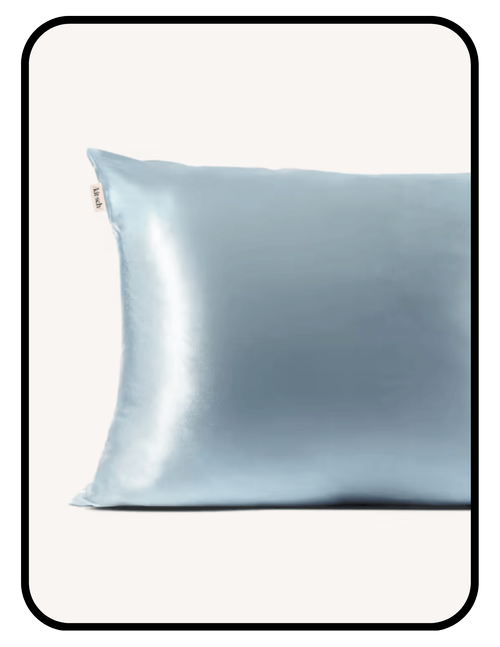 Kitsch OEKO-TEX Certified Satin Pillowcase
Satin isn’t a type of fabric; it’s a type of weave. Kitsch’s satin pillowcase is made of polyester, and importantly has OEKO TEX certification. It’s smooth like silk, so is a nice, frictionless surface for your skin and hair, and has the advantage of being easily machine washable. If you tend to get hair or skin products on your pillow or have allergies, being able to launder frequently on the warm setting (optional to dry on high heat to kill dust mites) this is ideal. Affordable, and with ridiculously high ratings, too.
Organic Cotton Pillowcases
 AIZOME GOTS Certified Organic Cotton Pillowcase
AIZOME makes the best organic cotton pillowcases for a few reasons. You likely know that cotton can start organic, but the processing is so intense, that it quickly becomes an unsustainable and unhealthy choice. AIZOME does a really good job ensuring it stays sustainable and healthy the whole time as they make their cotton pillowcases. I appreciate how transparent they are about sourcing and they have third party certification for each step, including the rare ZDHC certification. They use GOTS certified organic cotton as their fiber, and instead of using synthetic dyes, use plant dyes or have undyed options. Their final pillows have Class 1 OEKO TEX certification, and they have a dense weave, so they’re durable and last a lot longer than cheaply woven alternatives.
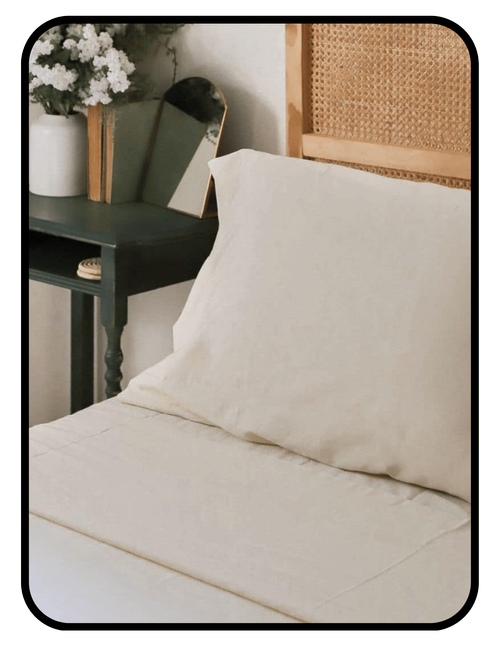 Savvy Rest GOTS Certified Organic Cotton Pillowcases
Savvy Rest also makes GOTS certified organic cotton pillow cases, and one of their advantages is that they come in a relatively affordable bundle deal. You can buy them as separates, or with their affordable organic bedding bundle that includes the sheets plus an organic waterproof mattress protector and 2 natural latex pillows—great if you’re building a complete non-toxic bed. Made with smooth, long-staple GOTS certified organic cotton. Savvy Rest sheets are soft, breathable, durable, and highly rated for comfort.
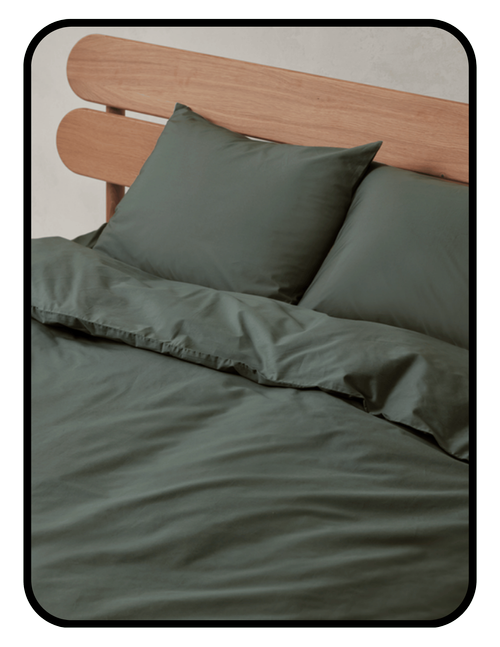 Pact GOTS Certified Organic Cotton Pillowcase
The most affordable GOTS certified organic cotton pillowcase is from Pact. They also have three weaves—sateen (smooth and silky), percale (crisp and cool), or jersey (soft and stretchy)—in lots of pretty colors. Perfect if you’re looking for an organic cotton pillowcase on a budget.
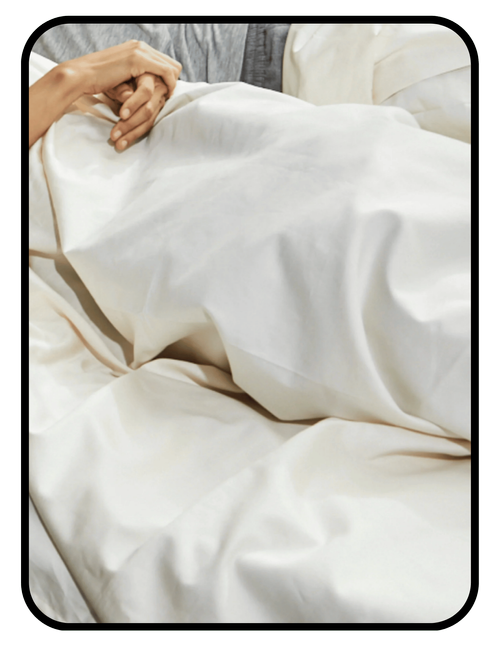 Avocado GOTS Certified Organic Cotton Pillowcase
Avocado’s GOTS certified organic cotton pillowcases are nice because they’re woven to a super smooth texture and almost look and feel like silk, but have the washability advantages of cotton. They also come in a good variety of sizes; standard, queen, king, and even the side sleeper ergonomic pillow shape. I always love Avocado for how transparent they are about their materials. Soft, breathable, and consistently highly rated.
Organic and OEKO TEX Linen Pillowcases
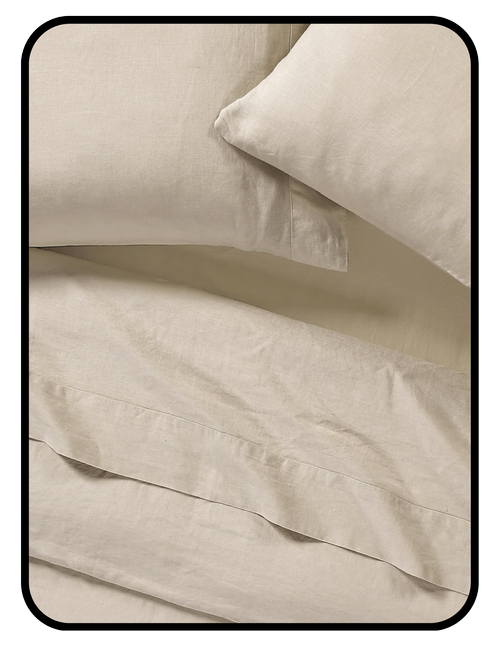 SIJO GOTS Certified Organic Linen Pillowcase
Linen is breathable and temperature regulating year round, but it’s really hard to find organic versions. But, SIJO has truly GOTS certified organic ones! They’re actually quite affordable, too. GOTS is an even higher standard than OEKO TEX, and I’m really impressed. Perfect if you want breathability, like the look of linen, have allergies, or are prioritizing the highest standard of material health.
 Magic Linen OEKO-TEX Certified Linen Pillowcases
I’ve used and loved Magic Linen sheets and pillowcases for years, before Interior Medicine was even an idea. They’re special because they use a heavier weight of linen at 190gsm (others are around 170gsm), striking a nice balance between affordability, quality, and aesthetics. These are OEKO TEX certified for safety and get sooo soft over time. I have some on my bed, couch, and guest room.
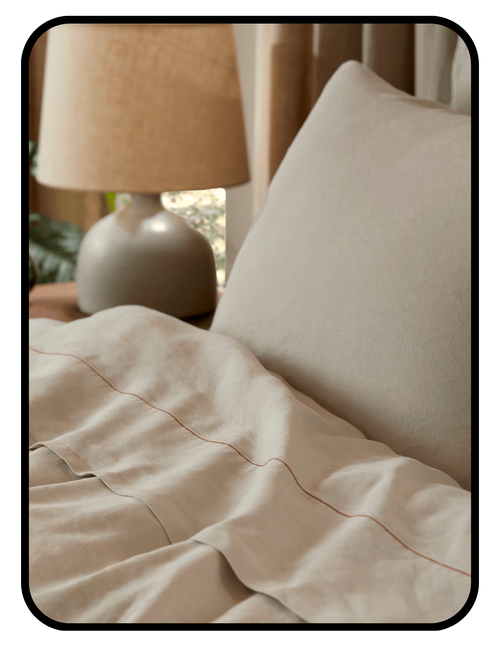 Parachute OEKO-TEX Certified Linen-TENCEL Blend Pillowcases
These pillowcases are exceptionally breathable, a combination of 58% TENCEL and 42% linen. I have a set of these and they’re perfect for summer, and I appreciate that even though I’ve washed them on the hot setting over and over again to minimize my allergies, they’ve remained really durable and held up well. The linen provides natural moisture-wicking, and TENCEL makes them even softer and more breathable. Great for summer, hot sleepers, or anyone easing into the world of linen. Class 1 OEKO TEX certified, they come in a few different sizes and closure types.
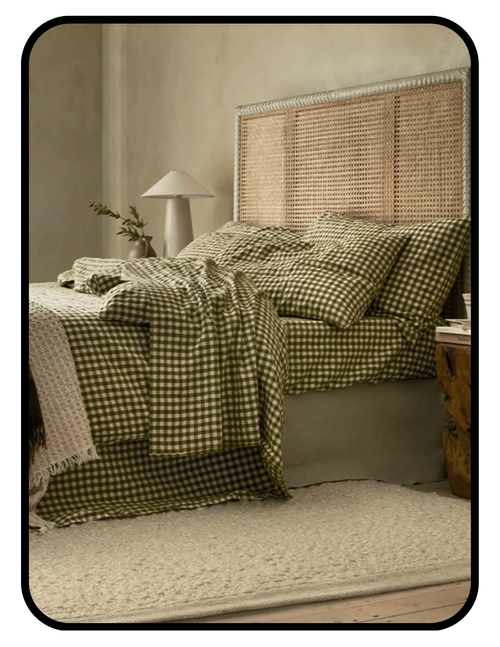 Piglet in Bed Natural Linen Pillowcase
Another great OEKO TEX certified linen option, these are the softest linen sheets I’ve tried so far. While all linen gets soft over time, if you’re nervous about it, these come pre-washed. They also have linen-cotton blend pillowcases, too. All are OEKO TEX certified and unique for having fun, olde-tyme farmhouse-feeling patterns in bold colors. An aesthetic and healthy choice.
Looking for something specific? If you don't see the product or brand you're curious about, you can request a review here, or run it through the Second Opinion Product Checker to evaluate it yourself. Want to go deeper? My free course covers how to evaluate any product's materials yourself.
Join the Newsletter
Join the Newsletter
More Healthy Design For You
Sunrise Alarm Clocks
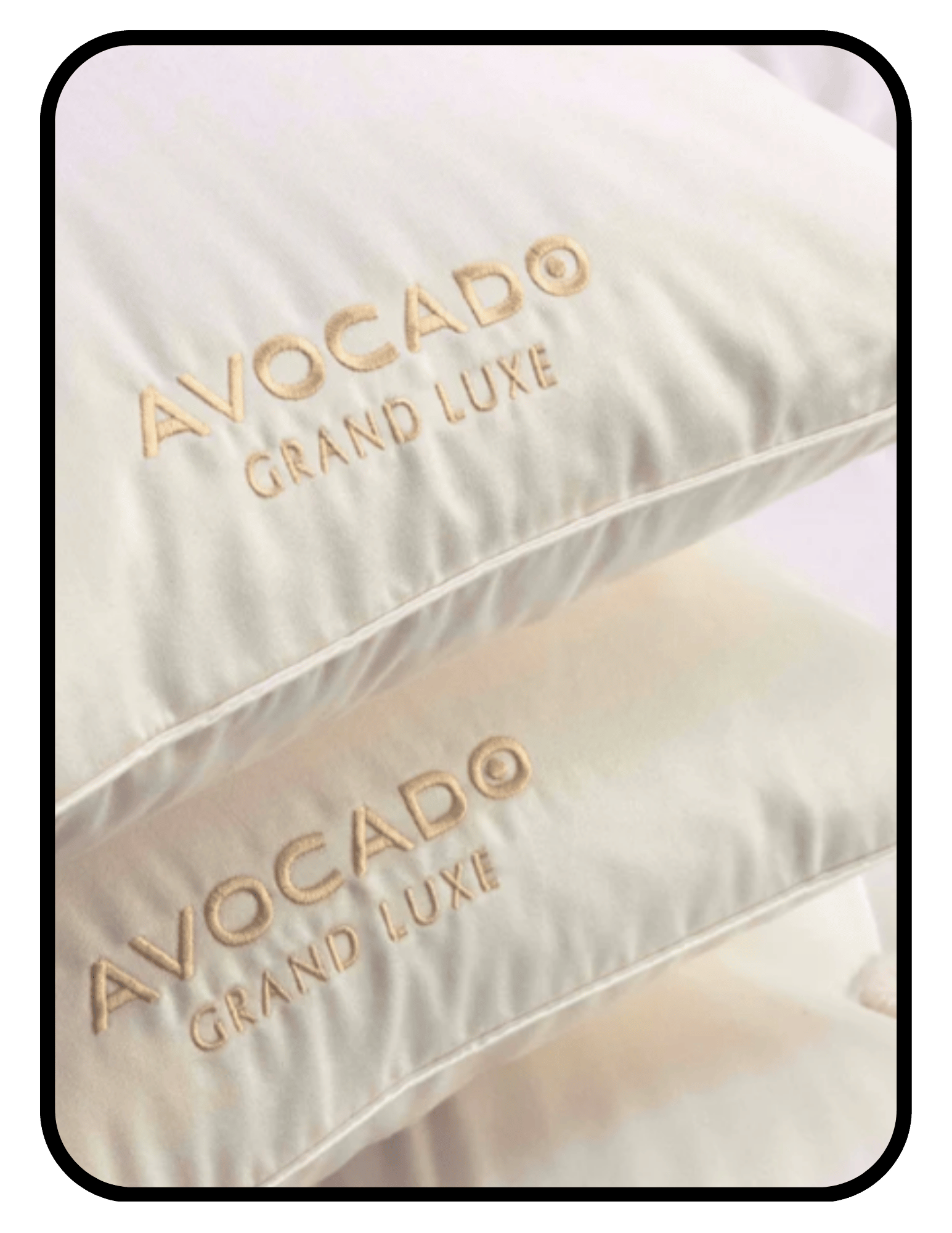

Non-Toxic Pillows
More About Non-Toxic and Organic Pillowcases
Do organic pillowcases really matter for health?
Yes. Your pillowcase is the object your skin touches most closely, and for one of the longest stretches, in your entire home. I recommend a healthy pillow as the first place to start when creating a healthier home, and a clean pillowcase protects that investment.
A pillowcase affects your health through three main pathways:
Toxicant exposure: A non-toxic pillowcase reduces the fabric-processing chemicals (dyes, finishes, and residues) sitting in direct contact with your nose, mouth, airway, and skin for roughly eight hours every night. GOTS-certified organic and OEKO-TEX certified fabrics are tested to be free of the additives that raise the most concern.
Skin and hair health: The fabric against your face all night can either irritate your skin or leave it alone. Smoother, certified non-toxic fabrics create less friction and carry fewer chemical finishes, which supports your skin barrier and can reduce tugging on your skin and breakage in your hair.
Allergen reduction: Pillowcases collect dust mites, sweat, and skin cells. Choosing a washable fabric you can launder hot, and washing it often, keeps your allergen load low if you tend to wake up congested or sneezing.
Do organic pillowcases really make a difference for skin health?
Yes, in three ways:
Toxicants that can irritate anyone's skin: GOTS-certified organic and OEKO-TEX certified options are free from formaldehyde finishes, carcinogenic azo dyes, pesticides, and other chemical additives that can irritate skin. Formaldehyde-based resins used in wrinkle-resistant pillowcases can cause contact dermatitis and allergic reactions, and certain azo textile dyes commonly used on polyester have been linked to skin sensitization.
Breathability that keeps moisture from getting trapped: Natural fibers like cotton and silk are more breathable than synthetics like polyester or rayon. This allows better air circulation and moisture regulation, both of which help support a healthy skin barrier overnight and keep the warm, damp conditions that aggravate breakouts from building up against your face.
Friction that can irritate skin: A smoother fabric moves with your face instead of dragging against it as you shift position at night. Lower friction means less mechanical irritation and less of the inflammation that can worsen reactive or acne-prone skin. This is why silk and satin are so often recommended for sensitive, inflamed, or acne-prone skin.
Do dirty pillowcases cause acne?
This one gets stated as fact constantly. There are four theories behind it, but only three have any evidence:
The idea behind bacteria making your pillow case dirty and causing acne is reasonable, but the reality is more interesting: your face sheds oil (sebum) onto your pillowcase, and that sebum can theoretically feed Cutibacterium acnes, the bacteria involved in acne. The idea sounds intuitive, but the mechanism doesn't hold up: acne is fundamentally an inflammatory disease. C. acnes lives in everyone's skin, deep in the oil-rich, low-oxygen part of the follicle, and what actually drives breakouts is your immune system's response to it, not its presence on your skin. That response depends on which strains of C. acnes dominate, and how your immune system answers them, not on how many C. acnes happen to be sitting on a fabric surface. That's why transferring bacteria from a pillowcase to your face isn't a well-supported route to acne, and why you carry C. acnes no matter how often you wash your case.
A slightly better theory is fabric and friction: As for the popular claim that silk pillowcases clear acne, the evidence isn't there yet, but it’s not totally ruled out yet, either. The studies usually referenced either used antimicrobial-treated silk fabric (so any benefit could be the antimicrobial finish, not the silk) or tested a synthetic "silk-like" pillowcase rather than real silk, and none has published a clean result. A true 100% silk versus cotton pillowcase trial has been registered but has not reported findings. The reason silk or silk-like fabrics might be helpful is because of friction: dermatologists have long recognized a condition called acne mechanica. These are breakouts triggered by pressure, rubbing, and friction against the skin, but are usually due to sports gear, wearing hats, or your hands rubbing your face too much. A smoother, lower-friction surface like silk or satin potentially means less of that mechanical irritation, which is a reasonable, low-cost reason to prefer a smoother fabric even though it hasn't been proven to clear acne on its own.
Another better theory is warm, damp conditions: your face spends about eight hours pressed into fabric every night, and that contact creates a small warm, occluded microclimate which, out in the real world, dermatologists connect to friction-related breakouts. Your sebaceous (oil) glands are temperature-sensitive: sebum output climbs roughly 10% for every 1°C rise in skin temperature. A one-year study in a tropical climate found that patients' acne flared in the hotter months and tracked with rising temperature and humidity, and broader reviews find acne is more common in hot, humid regions than in temperate ones. Is this directly transferrable to your pillowcase? No, but again, choosing a breathable pillowcase fiber might be a low cost way to reduce heat and humidity on your face.
The best theory is hair products: Hair oil, hairspray, curly creme, pomade, and other hair styling products transfer from your hair to your pillowcase and back onto your face all night. Many hair products contain comedogenic ingredients that can clog pores, and dermatologists have known this since the early 1970s. It’s called acne cosmetica. A 2021 study found that switching to a non-comedogenic hair care routine improved facial acne in about half of participants, without changing anything else. If you break out along your hairline, forehead, or the cheek that meets your pillow, your hair products (and how well they rinse before bed) are worth a closer look.
So, if you're acne-prone, wash or swap your pillowcase every two to three days rather than weekly, cleanse before bed so you're not depositing makeup and oil onto the fabric, keep hair products off your face, and consider a smoother, breathable, lower-friction fabric. These steps probably won't clear acne on their own, but they remove a few plausible irritants while your actual treatment does the heavy lifting.
What’s the best pillowcase for acne?
Silk or satin pillowcases are most often recommended for acne-prone skin because their smooth surface creates less friction against your face, though there are no studies definitively proving this. Silk is highly breathable, too, reducing dampness and heat on your face, which could potentially increase breakouts, though again, research is only very loosely connected.
Organic cotton and linen pillowcases are often recommended for acne because they are highly breathable, and don’t have as many chemical irritants left as residues.
Whatever fabric or weave you choose, wash or swap your pillowcase every two to three days if you're breaking out, cleanse before bed, and use a gentle, fragrance-free detergent when you wash it.
No pillowcase will clear acne on its own, despite some marketing claims, but the right fabric with good washing practices removes a possible irritant while your actual treatment does the more important background work.
How should I choose between a silk, Tencel, satin, cotton, or linen pillowcase?
The best pillowcase material depends on your skin, hair, budget, health, and washing preferences:
Choose an organic silk pillowcase if you have dry skin or frizzy hair and are prioritizing an organic or natural fabric. Silk's smooth surface can reduce friction and moisture loss overnight, which is also why it's the most-recommended fabric for acne-prone and sensitive skin.
Choose an OEKO-TEX certified satin or Tencel pillowcase if you have dry skin or frizzy hair but you're vegan, or you're prioritizing affordability and easy machine washing over organic fiber. Best washed warm, but can be dried on high heat to reduce any allergen load.
Choose a GOTS organic cotton pillowcase if you like a smooth, soft, breathable feel without the silky look, at an easily washable, more affordable price. Cotton is the best pick if you have a dust mite allergy, since it can be washed hot at the 130°F needed to kill mites.
Choose a linen pillowcase if you want the most breathable, temperature-regulating natural fiber and don't have particularly dry skin or hair. It has a textured look, and like cotton, linen tolerates the hot 130°F washes that kill dust mites (though expect some softening and relaxed texture over time).
Satin vs silk pillowcases: what's the difference?
Satin is a weave, not a fiber. It's the tight, glossy weave structure that creates that signature slippery surface, and most satin pillowcases are woven from polyester or rayon.
Silk is a fiber. It’s a natural protein fiber produced by silkworms, most commonly sold as mulberry silk and measured in momme weight.
That means a "silk pillowcase" tells you what it's made of, while a "satin pillowcase" only tells you how it's woven (in fact, silk woven in a satin weave is called charmeuse).
Both offer the low-friction surface associated with less hair frizz and less tugging on skin, but silk is a natural fiber with breathability and temperature regulation, while polyester satin is a synthetic that costs less and machine-washes easily.
Are satin pillowcases good for skin?
Yes, satin pillowcases can be good for skin because their smooth, low-friction surface can reduce overnight moisture loss and tugging, which is also why they're popular for frizzy or curly hair. Most satin is made from polyester or rayon, which makes it affordable and easy to wash. Look for OEKO-TEX certification, because it verifies the finished fabric has been tested for residual chemicals from dyeing and finishing (the processing step where synthetic fabrics pick up most of their chemical load.)
Are silk or satin pillowcases better for your hair?
They can be. Silk and satin both have a smooth, low-friction surface that lets your hair glide rather than snag, which can mean less overnight tugging, tangling, and breakage than a rougher cotton weave. They're also less absorbent than cotton, so they pull less moisture from your hair and scalp. Silk is a natural protein fiber, while most satin is a polyester or rayon weave, so if you want the low-friction benefit in a natural, certified fabric, organic silk is the option to look for.
Bamboo vs eucalyptus pillow cases
Both bamboo and eucalyptus cellulose can be made into semi-synthetic fabrics. Cellulose is the rigid part of these plants, and either can be chemically dissolved and re-spun into fiber. The difference that matters for your health is the processing.
"Bamboo" pillowcases are almost always bamboo viscose, made with carbon disulfide chemistry, while "eucalyptus" pillowcases are almost always Tencel lyocell, made in a closed-loop system using a non-toxic solvent (NMMO) that gets recovered and reused.
That makes eucalyptus most often the cleaner of the two, both for the workers making it and for residues on the finished fabric. TJe rule isn’t airtight: always look for OEKO-TEX certification on the finished product.
How often should you wash your pillowcase, and does water temperature matter?
Wash your pillowcase about once a week as a baseline.
For allergies, consider water temperature when washing: dust mites are killed by hot washes around 130°F (54°C), which sturdy natural fibers like cotton and linen tolerate well. Tencel, and polyester satin prefer cooler washes, so to reduce their allergen load, tumble dry on high heat instead of washing hot. For silk, air dry but pair with a pillow encasement and wash that on hot to reduce dust mites, pollens, and other allergens.
Wash every two to three days if you have acne-prone or very oily skin, since that limits how much oil and bacteria build back up against your face.
Whatever the fabric, a non-toxic, fragrance-free detergent is the safest choice.
Product Reviews ➜ Bedroom ➜ Pillowcases