
Learn App Product Reviews About
Product Reviews ➜ Bathroom ➜ Toilet Paper
Non Toxic Toilet Paper

Dr. Meg Christensen is the physician founder of Interior Medicine, a non-toxic home resource built on her background in medicine, biochemistry, epidemiology, and clinical research.
➜ Most conventional toilet paper contains trace PFAS, gets bleached with chlorine, often carries added fragrance, and is held together with wet-strength chemistry. The brands below don’t!
Updated May 2026

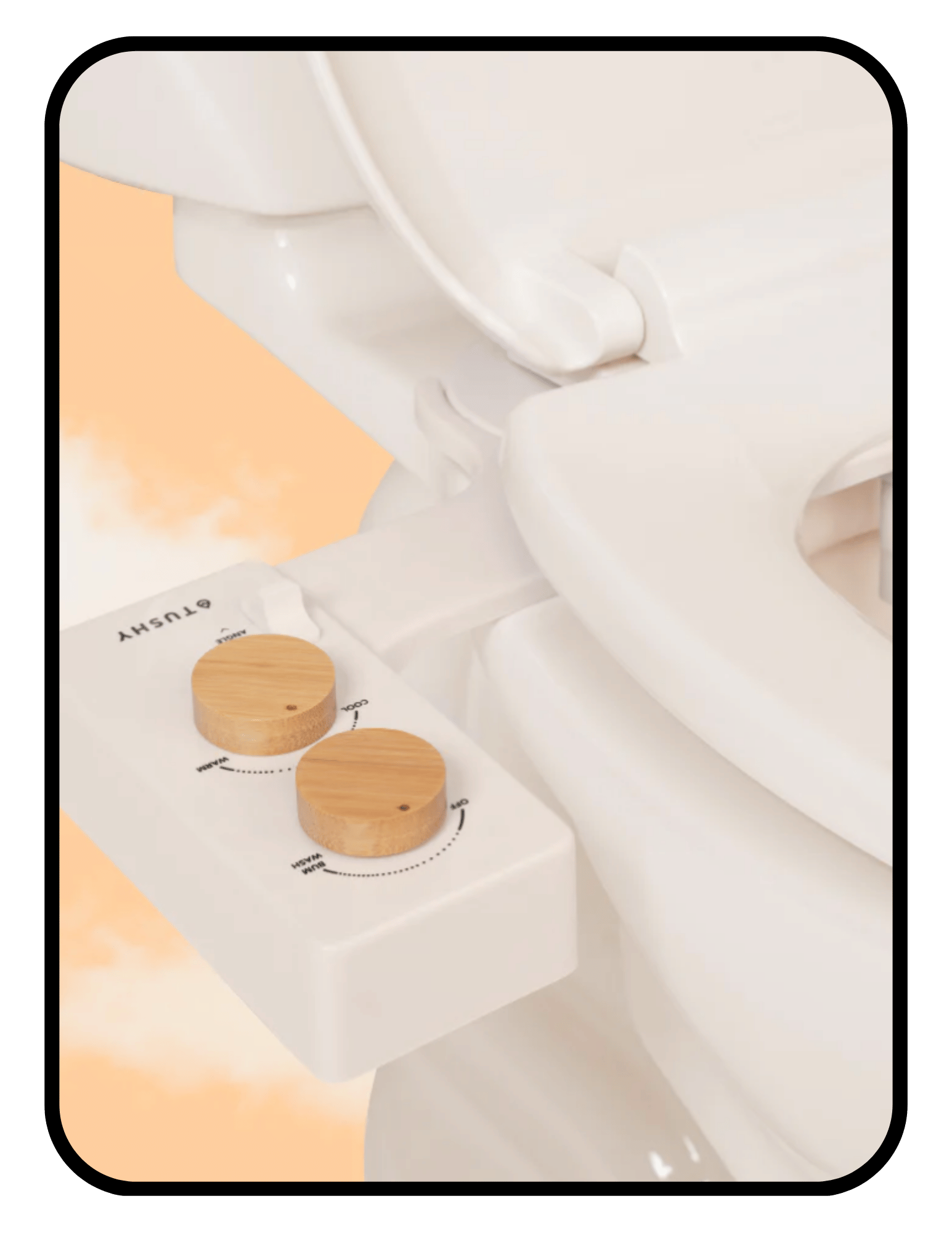
TUSHY Bidet and Reusable Toilet Rags
You can always go without toilet paper, or use less of it. TUSHY’s bidet attachment is easy to install on your existing toilet, and aesthetically pleasing. You can use their soft, washable bamboo “bum cloths” to wipe away any excess water post-bidet spray, use your own organic cloths, or just use less toilet paper than you would otherwise.
Plant Paper Safer Toilet Paper
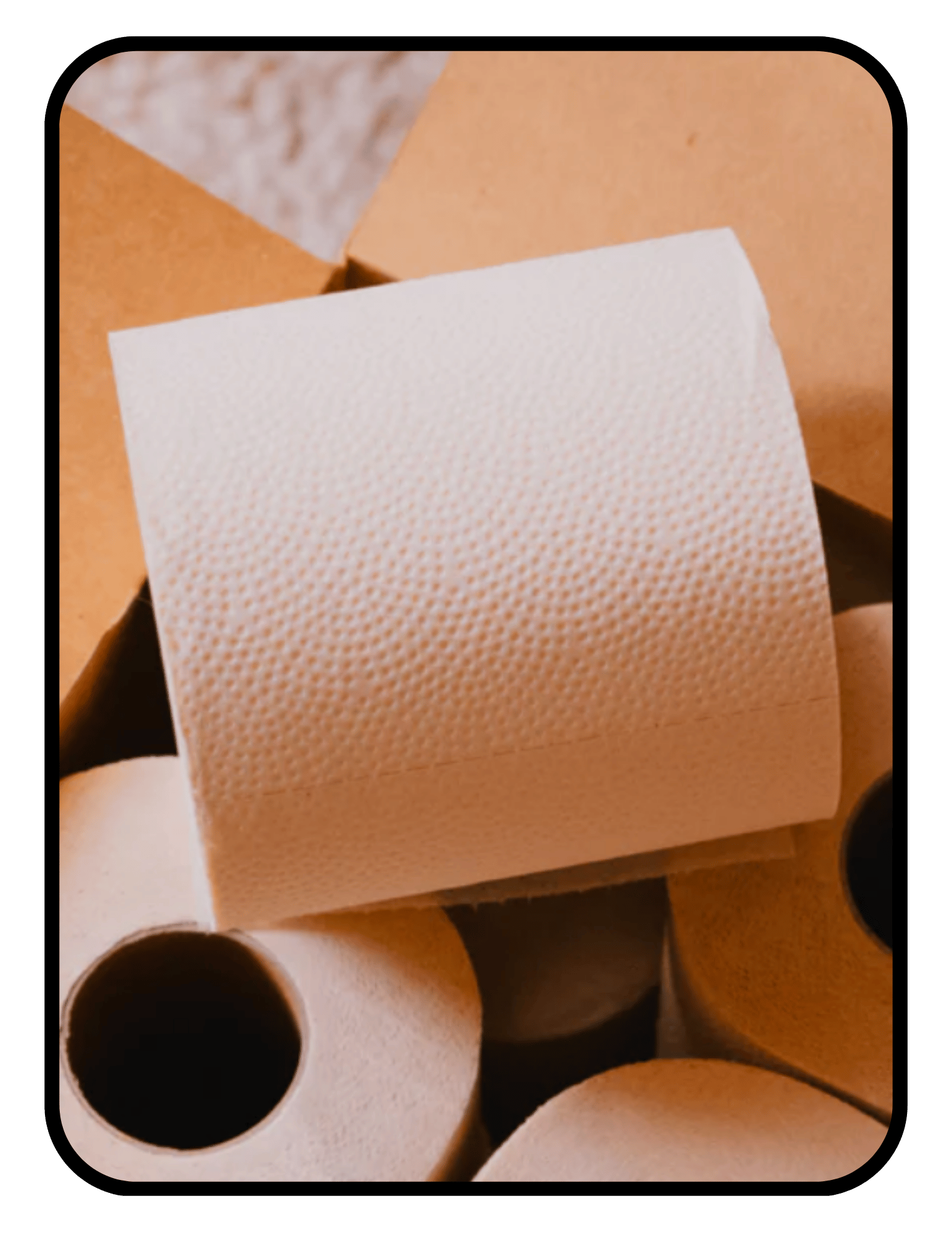
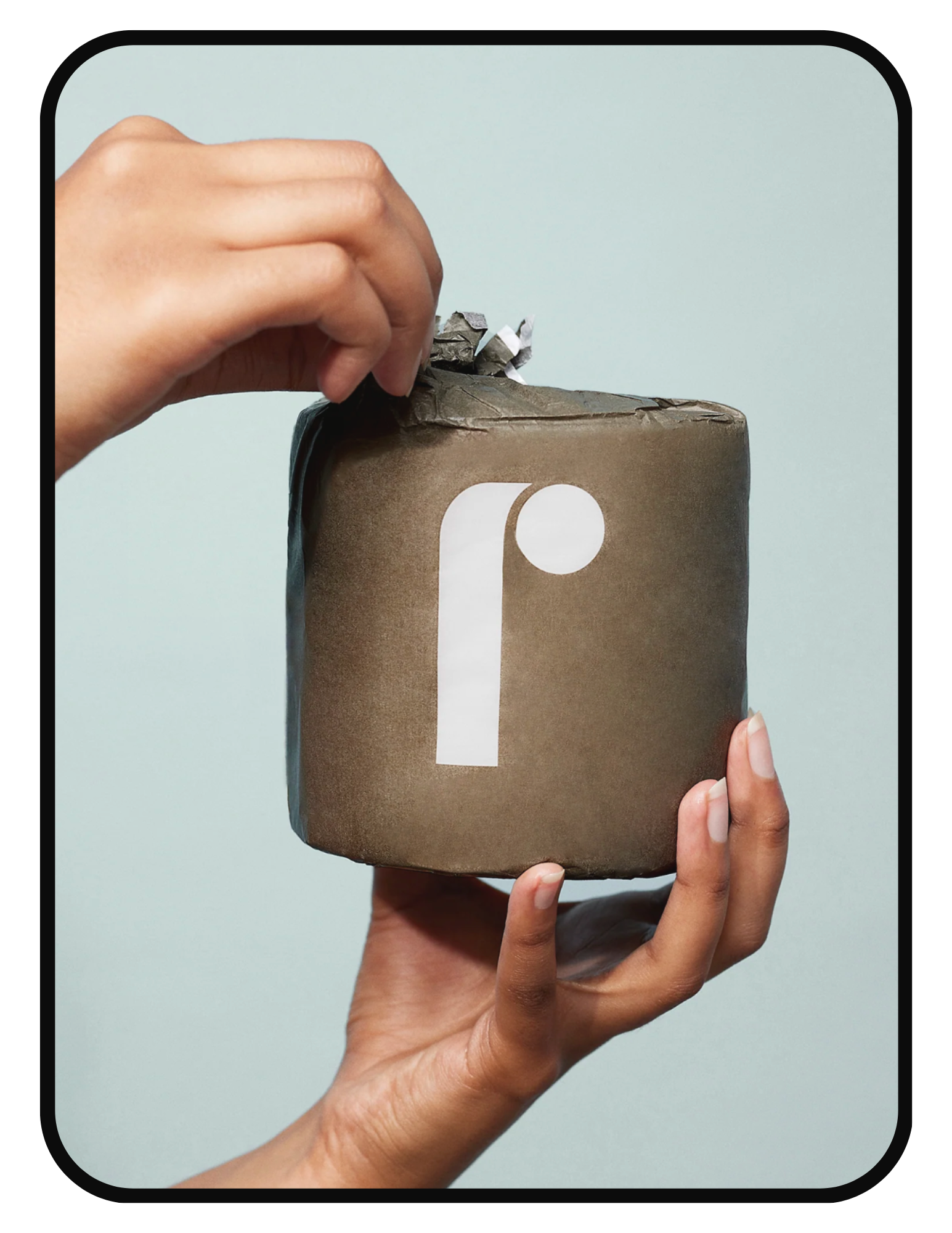
Totally unbleached, this paper is a tad more expensive than the other options here, and has a light brown color as a result, but it is the healthiest since no chlorine is used whatsoever. Also PFAS, BPA, fragrance, formaldehyde, dye, and lint free.
Save Trees Non-Toxic Toilet Paper
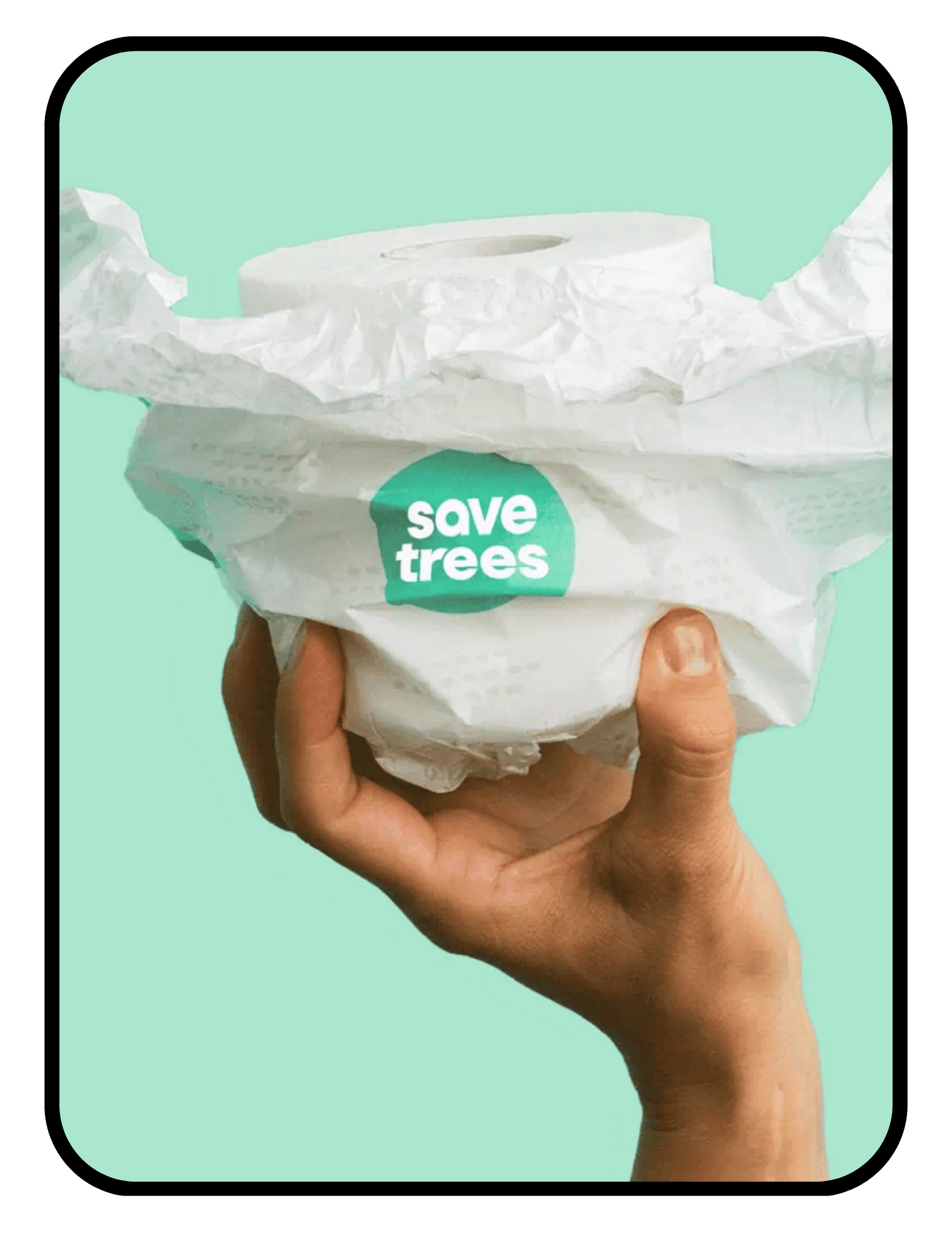
Similar to Reel, Save Trees paper is also 100% bamboo and plastic, PFAS, BPA, dye, formaldehyde, and fragrance free. They also use an elemental chlorine-free bleaching process to make white paper and it doesn’t produce lint. From a health perspective, Save Trees is equal to Reel products. You might compare their sustainability, ownership, pricing, subscription options, or even how their packaging and branding matches your bathroom (haha) to make a final decision.
Reel Products PFAS Free Toilet Paper
Reel makes tree-free toilet paper from 100% bamboo fiber, packaged in 100% plastic-free packaging. Their paper has been tested and confirmed PFAS-free, and is also marketed as BPA-free, fragrance-free, formaldehyde-free, and dye-free, putting it ahead of most conventional toilet paper. They use an elemental chlorine-free bleaching process that's safer than standard chlorine-based bleaching but still delivers white paper if that's your preference. Doesn't produce lint.
Looking for something specific? If you don't see the product or brand you're curious about, you can request a review here, or run it through the Second Opinion Product Checker to evaluate it yourself. Want to go deeper? My free course covers how to evaluate any product's materials yourself.
Join the Newsletter
Join the Newsletter
More Healthy Design For You
Shower Curtains

Organic Mattresses, Rated and Ranked
Material Health Guides


More About Non Toxic Toilet Paper
Does toilet paper have PFAS in it?
Yes, most conventional toilet paper has trace amounts of PFAS, generally in the parts-per-billion range. A 2023 study at the University of Florida tested toilet paper rolls from North America, South and Central America, Africa, and Western Europe, and found PFAS in nearly every sample (specifically 6:2 diPAP, or 6:2 fluorotelomer phosphate diester.) It’s not necessarily an intentional addition, thouogh: the leading explanation is that PFAS-containing additives are used during pulp processing and end up as residual contamination in the finished paper, rather than being deliberately added to the toilet paper itself.
Recycled-content toilet paper did test higher for PFAS in the same study, which makes sense because recycled fiber feedstock can carry PFAS contamination from other paper products in the recycling stream. In North America, toilet paper contributes around 4% of the 6:2 diPAP entering wastewater. Cosmetics, textiles, and food packaging still contribute more.
Do the PFAS in toilet paper affect health?
Potentially. There are three PFAS exposure pathways worth thinking about:
First, direct skin contact. Dermal absorption of PFAS is an active research area, and current evidence suggests it's a small contributor to total body burden compared to ingesting it. But, more study is needed because this is especially relevant for the more sensitive skin of the vulva, where daily contact can occur.
Second, lint and dust generated by toilet paper can be inhaled or settle into household dust and reach the gut via hand-to-mouth contact. This could be a source of PFAS.
Third, wastewater: PFAS flushed down the toilet enters wastewater systems, contributes to environmental PFAS load, and can show up in drinking water if it isn't fully removed by treatment plants. This is more of a community-level exposure than a personal one, but it adds to the broader environmental PFAS concern.
On 6:2 diPAP specifically, one cross-sectional study of 902 men in China found inverse associations between plasma 6:2 diPAP and androgen levels, meaning more PFAS = lower androgen. It’s possible that the type of PFAS in toilet paper has effects on testicular Leydig cell function and testosterone production. That finding is consistent with higher-dose animal studies showing reproductive toxicity. But, this is just one epidemiological study, so it's considered emerging evidence still, not an established effect.
Why do some natural and chemical free TP brands still have PFAS in them?
This is probably due to contamination somewhere along the supply chain. PFAS are very persistent and pervasive (that’s why they’re called “forever” chemicals) and show up in products even when they're not intentionally added, including products from brands actively trying to keep them out. This affects many industries, including furniture, not just the non-toxic toilet paper industry. The brands with the most credible PFAS-free claims are the ones that test their finished product and publish the results, since "we don't add it" doesn't rule out trace contamination from upstream materials.
Does toilet paper have formaldehyde in it?
Probably not in any meaningful sense anymore, despite what you've likely read online. The "formaldehyde in toilet paper" claim is widespread but rests on outdated paper chemistry. Modern tissue products use something called polyamideamine-epichlorohydrin (PAE) wet-strength resins, which replaced the older formaldehyde-based resins (urea-formaldehyde and melamine-formaldehyde) in tissue manufacturing decades ago. That’s because PAE works at a neutral pH, and because formaldehyde is regulated by OSHA as a workplace hazard. The peer-reviewed paper-chemistry literature is actually very consistent about this, though there are so many wellness blogs that still say formaldehyde is used.
Formaldehyde-free wet-strength chemistry can still be an issue, however. PAE can leave residual byproducts on the finished toilet paper, including trace organic halogens (AOX) like residual epichlorohydrin and 1,3-dichloropropanol, both of which have some possible health issues (epichlorohydrin is a known animal carcinogen and a probable human carcinogen per IARC, and 1,3-DCP may be toxic to DNA). Modern PAE manufacturing has reduced these residuals, though they’re still not completely gone.
So "formaldehyde-free toilet paper" is technically probably true for all toilet paper in the US today, regardless of whether the brand markets it that way.
Can toilet paper cause chronic vulvar irritation?
Potentially, yes. If you have an allergy to formaldehyde and you’re using toilet paper that contains formaldehyde, which is very rare now, it’s possible. A 2010 case report described one patient with a confirmed formaldehyde allergy whose chronic vulvar irritation resolved after switching toilet paper. That's a single case report of a person with a confirmed allergy, not population-level evidence that toilet paper causes vulvar irritation. Vulvar irritation has many more common causes (yeast and bacterial infections, hormonal changes, fragrance and preservative allergies in personal care products), and toilet paper is far from the most likely source for most people.
Product Reviews ➜ Bathroom ➜ Toilet Paper