Creating a Non-Toxic Bathroom: A Physician's Guide to Healthier Materials and Better Water and Air Quality
Read the guide below, or click on a category to shop for healthier bathroom products.

Shower Curtains and Liners
Bath Stones and Mats


Organic Bath Towels
Non-Toxic Air Fresheners
Best Shower Filters
Bath Filters That Work

Under-Sink Water Filters
PFAS-Free TP

Hand Soaps
Cleaning Sprays
Indoor Air Quality Monitors
Why Your Bathroom Environment Matters for Health
Your bathroom combines several conditions that don't overlap quite the same way in other rooms: water that's been treated with disinfection chemistry, high humidity that climbs into the 70-90% range during hot showers and baths, poor ventilation that often can't keep up with the volume of moisture and aerosols generated, and a small enclosed space where VOC off-gassing and chemical dust concentrate rather than dissipating.
Hot showers and baths create a triple exposure route to whatever is in your tap water. Compounds can reach you through dermal absorption (skin contact), through inhalation as hot water aerosolizes volatile chemicals like chlorine and disinfection byproducts directly into the air, and to a smaller degree through ingestion (though that's more relevant for bathroom sink water than the shower itself). This is what makes bathroom water exposure structurally different from drinking a glass of filtered water in the kitchen.
The same heat and moisture that aerosolize water contaminants also accelerate chemical off-gassing from materials in the room, including PVC shower curtains, vinyl flooring, conventional paint, and particleboard vanities. And humidity that lingers between showers promotes mold, bacteria, and mildew growth (if you've ever been in a "musty"-smelling bathroom, this is why).
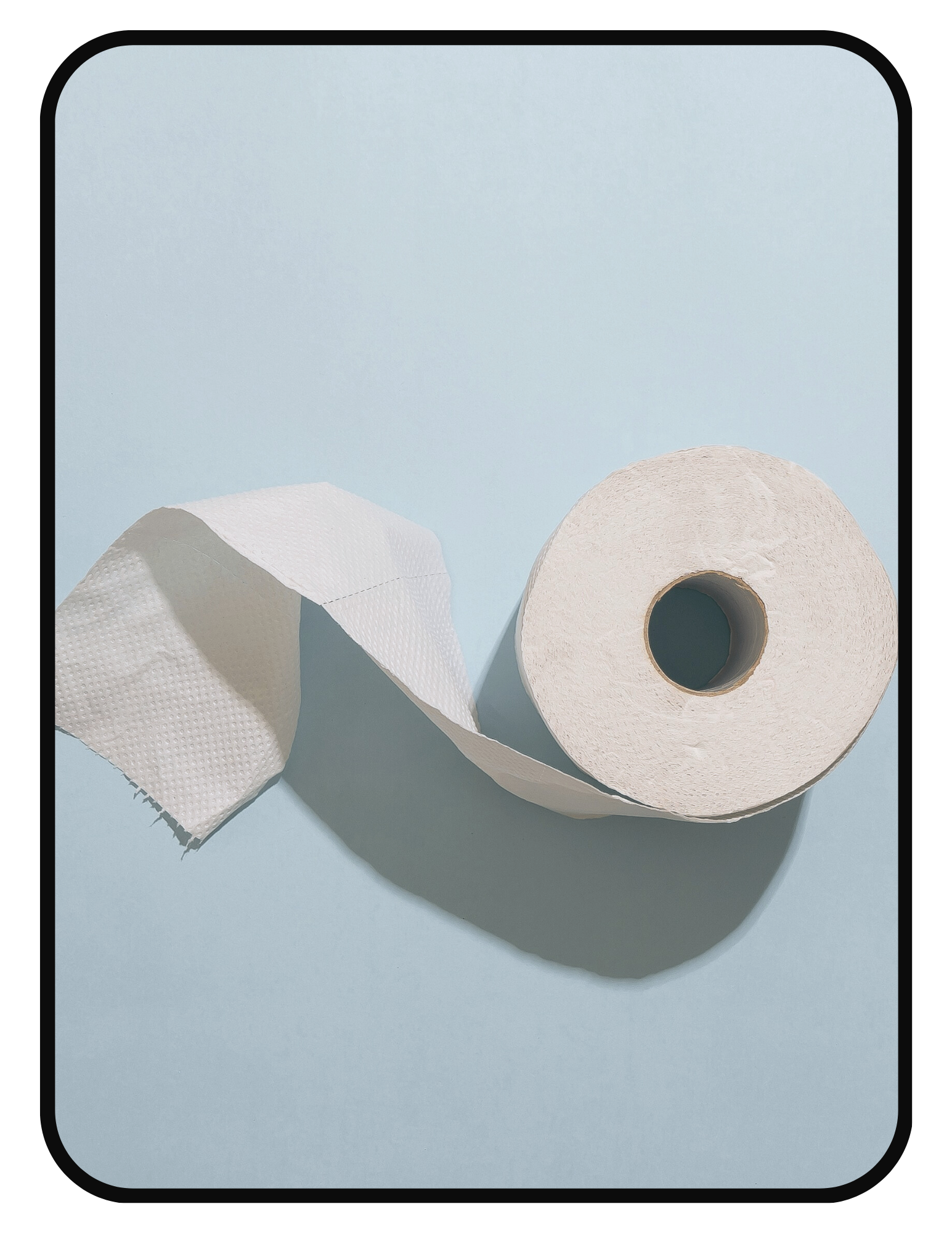
Modern toilet paper is held together by wet-strength resins, and many brands are contaminated with PFAS.
Beyond the physical exposure picture, your bathroom is also where you're in contact with the most intimate parts of yourself. Even brief glances in the mirror during your daily routine can shape mental wellbeing and self-perception, and for anyone who uses bath time or bathroom time for self-care and unwinding, the environment itself shapes whether those moments actually feel restorative. A bathroom that feels safe and comfortable, free from chemical odors, mold concerns, and harsh materials, lets self-care do what it's meant to do rather than adding subtle stress to physical and emotional wellbeing.
Addressing bathroom health is its own project because you're working across water quality, air quality, humidity levels, material choices, and the harder-to-quantify question of how the space feels to be in, all in a small and poorly ventilated room.
The Three Main Health Concerns in Bathrooms
Understanding where health issues originate helps you prioritize effectively when creating a non-toxic bathroom.
Water contaminants become airborne and absorbed. Municipal tap water typically contains residual chlorine or chloramines from disinfection, disinfection byproducts like trihalomethanes (THMs) and haloacetic acids (HAAs), trace volatile organic compounds (VOCs), microplastics, and depending on local source water and infrastructure, varying levels of PFAS and lead (lead in particular is mostly an aging-plumbing issue rather than a treated-water issue, but the result for the person showering is the same). Well water adds its own list, including bacteria, parasites, nitrates, and agricultural pesticides depending on what the surrounding land is used for.
Unlike drinking water, where you control exposure by choosing filtered water at the tap, shower and bath water reaches you through three pathways at once: dermal absorption across your entire body, inhalation of volatile compounds and disinfection byproducts that aerosolize from hot water into the air you're breathing, and direct contact with mucous membranes.
Humidity and poor ventilation create chronic mold exposure. Bathrooms cycle between very high humidity during use and ideally return to normal levels between uses. But, that doesn’t always happen, and when humidity stays above 60% for extended periods, mold can colonize on surfaces (grout, caulk, drywall, sometimes behind shower walls and under flooring) and eventually release spores and microbial volatile organic compounds (mVOCs) into the air.
The health effects from indoor mold are both allergic and irritant: allergic reactions, asthma exacerbations in people with existing asthma, upper respiratory irritation, and worsening of chronic sinusitis. The small confined bathroom space concentrates whatever airborne mold-related compounds are present, which makes humidity control and ventilation the practical priority regardless of which pathway you weight more.
Synthetic materials off-gas and fall into dust in enclosed conditions. PVC shower curtains, vinyl flooring, particleboard vanities, conventional toilet paper, and synthetic air fresheners are common sources of phthalates (technically semi-volatile organic compounds, or sVOCs), VOCs, and trace PFAS in bathroom air and bathroom dust.
The wet-strength chemistry and residual PFAS in conventional toilet paper are part of the microscopic toilet paper particles of bathroom dust, which become part of what you breathe and what settles on surfaces.
Synthetic fragrance products, including plug-in air fresheners and scented sprays, release additional VOCs and phthalate-carrying fragrance compounds on a continuous basis, even when the bathroom isn't being used. High humidity and heat from hot showers accelerate off-gassing from all of these sources, and poor ventilation in a small contained space allows the resulting compounds to accumulate in air and settle into dust rather than disperse.
How to Prioritize Changes in Your Non-Toxic Bathroom
Focus your efforts where exposure is highest and health impact is most significant.Focus your efforts where exposure is highest and health impact is most significant.
Address humidity and ventilation first. It's free. Run exhaust fans during and 20-30 minutes after showers, open windows when you can, and keep humidity below 60%. This prevents the conditions mold needs to colonize.
Start with shower filtration if you can only change one thing. You're inhaling aerosolized shower water and absorbing it through your skin for 10-20 minutes daily. A shower filter reduces that exposure immediately. See my shower filter reviews for what each product is verified to do.
Replace vinyl shower curtains second. PVC curtains release VOCs and contain phthalate plasticizers like DEHP and DINP, both well-established endocrine disruptors. Switch to OEKO-TEX certified polyester, PEVA (chlorine-free, phthalate-free), or organic cotton or hemp.
Bath filtration comes third for families who bathe regularly. Children especially benefit because of higher surface-area-to-body-weight ratios and more permeable skin, plus longer skin contact than showers.
Bathroom textiles like organic towels come fourth. Direct skin contact after every shower when your skin is most permeable, but shorter exposure than shower or bath time. GOTS-certified organic towels skip the formaldehyde-based easy-care resins, optical brighteners, and synthetic dyes used in conventional textile finishing.
Air quality improvements can happen anytime. Skipping synthetic air fresheners removes a phthalate and VOC contribution immediately. If you want scent, beeswax or coconut wax candles or essential oil diffusers work, with ventilation either way.
Water Quality and Filtration in Bathrooms
Shower Filters for Non-Toxic Bathrooms
Shower filtration deserves top priority in bathroom health because of the triple exposure pathway: you're breathing aerosolized water contaminants, absorbing them through skin, and irritating your skin’s surface.
The shower filter market is filled with exaggerated claims and minimal regulation. Many brands claim "99% removal" without independent verification. Without third-party testing, you're trusting manufacturer claims when in real life, the filter may only work at a 99% rate for a day or two.
Look for shower filters with NSF/ANSI certification (especially NSF/ANSI 177 for chlorine removal), published third-party test results showing actual removal percentages for specific contaminants, and KDF or activated carbon filtration media that actually work. Avoid filters with vague marketing claims or gimmicky materials.
I’ve gone through all of the top shower filters and ranked them by how effective they actually are — shop third-party tested shower filters with detailed filtration media explanations and performance comparisons.
Bath Filters for Families with Young Children
Bath filters can provide meaningful chlorine and chloramine reduction during extended skin contact, but understanding their limitations is helpful.
The challenge with bath filtration is volume and speed. Bath filters must process 25-50 gallons very quickly to fill a tub in reasonable time (10-15 minutes). This rapid flow rate means water rushes through too quickly for optimal contaminant removal even with ideal filtration media. Many bath filters also use ineffective gimmicky materials or have too little actual filtration media.
Effective bath filters require relatively large amounts of legitimate filtration media like calcium sulfite, KDF, or activated carbon, and must force all water to flow through the media rather than allowing water to bypass around edges.
Bath filters that actually work can reduce chlorine and chloramines (primary benefit), making bath water gentler on skin especially for eczema or chemical sensitivities. They cannot provide comprehensive filtration like under-sink drinking water systems, cannot remove fluoride, and should not be expected to eliminate all contaminants.
Young children benefit most from bath filters because they have higher surface-area-to-body-weight ratios and more permeable skin, increasing dermal absorption relative to adults. For families prioritizing bath time, especially for young children with eczema or sensitive skin, removing chlorine and chloramines provides noticeable improvements in skin comfort.
Browse bath water filters with filtration media analysis and realistic performance expectations.

Non-Toxic Bathroom Materials
Shower Curtains and Liners Without PVC
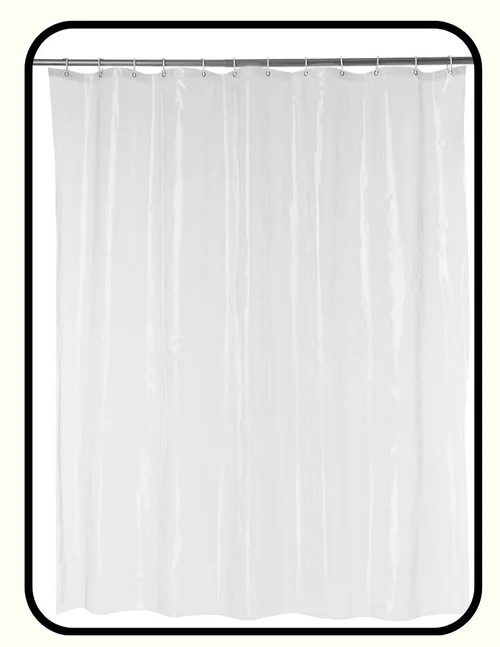
Vinyl (PVC) shower curtains are one of the most problematic items in bathrooms because they off-gas phthalates and VOCs continuously, especially when heated by hot shower steam. Research analyzing new vinyl shower curtains found they released over 108 different VOCs into bathroom air, with concentrations high enough to exceed indoor air quality guidelines.
The "new shower curtain smell" is off-gassing chemicals. Hot shower steam heats the vinyl and accelerates chemical release in your enclosed bathroom where you're breathing this air during and after every shower.
Vinyl shower curtains contain phthalates (plasticizers that make PVC flexible, linked to hormone disruption and reproductive issues), VOCs that off-gas for months or years, and organotins (antimicrobial additives that are endocrine disruptors).
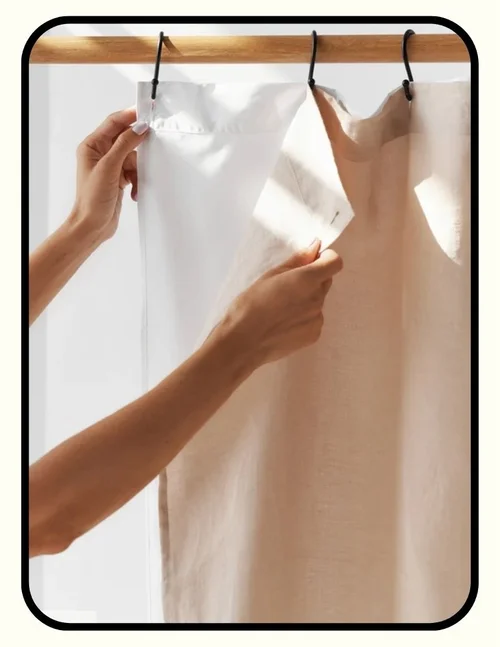
The safest non-toxic shower curtain options depend on your maintenance preferences and bathroom ventilation. GOTS-certified organic cotton or natural hemp curtains are naturally grown and processed without toxic chemicals, but require regular washing to prevent mildew. OEKO-TEX certified polyester curtains test the finished product for over 1,000 harmful substances and require less maintenance, though you’ll still have to wash it. PEVA offers the lowest maintenance for bathrooms prone to mold because it doesn't require chemical additives to make it flexible like PVC does.
Because shower curtains hang in humid bathrooms where they're repeatedly exposed to hot steam, and because they cover large surface area directly where you breathe, choosing curtains made from certified materials protects daily air quality.
Shop OEKO-TEX certified and organic shower curtains with very clever maintenance strategies for each material type described at the bottom of the page.
Organic Bath Towels and Certified Bathroom Textiles
Bathroom towels have direct skin contact after every shower when your skin is most permeable from hot water and steam. Conventional towels contain formaldehyde resins (added for wrinkle-free properties and color setting), optical brighteners (synthetic chemicals that make whites appear brighter), synthetic dyes (can contain heavy metals), and softening chemicals (reduce absorbency and can irritate sensitive skin).
GOTS-certified organic towels are grown without pesticides and processed without toxic chemicals, with strict limits on dyes and finishing treatments. The certification ensures the entire supply chain from farm to finished towel meets health standards. OEKO-TEX certified cotton or linen towels test the finished product for over 1,000 harmful substances, ensuring what you're rubbing on permeable skin is free from dangerous chemicals.
Certified organic bath towels or OEKO-TEX options eliminate unnecessary chemical exposure during vulnerable post-shower contact when skin absorption is highest.
Shop GOTS-certified organic towels with fabric type comparisons.
Diatomaceous Earth Bath Stones and Quick-Dry Bath Mats
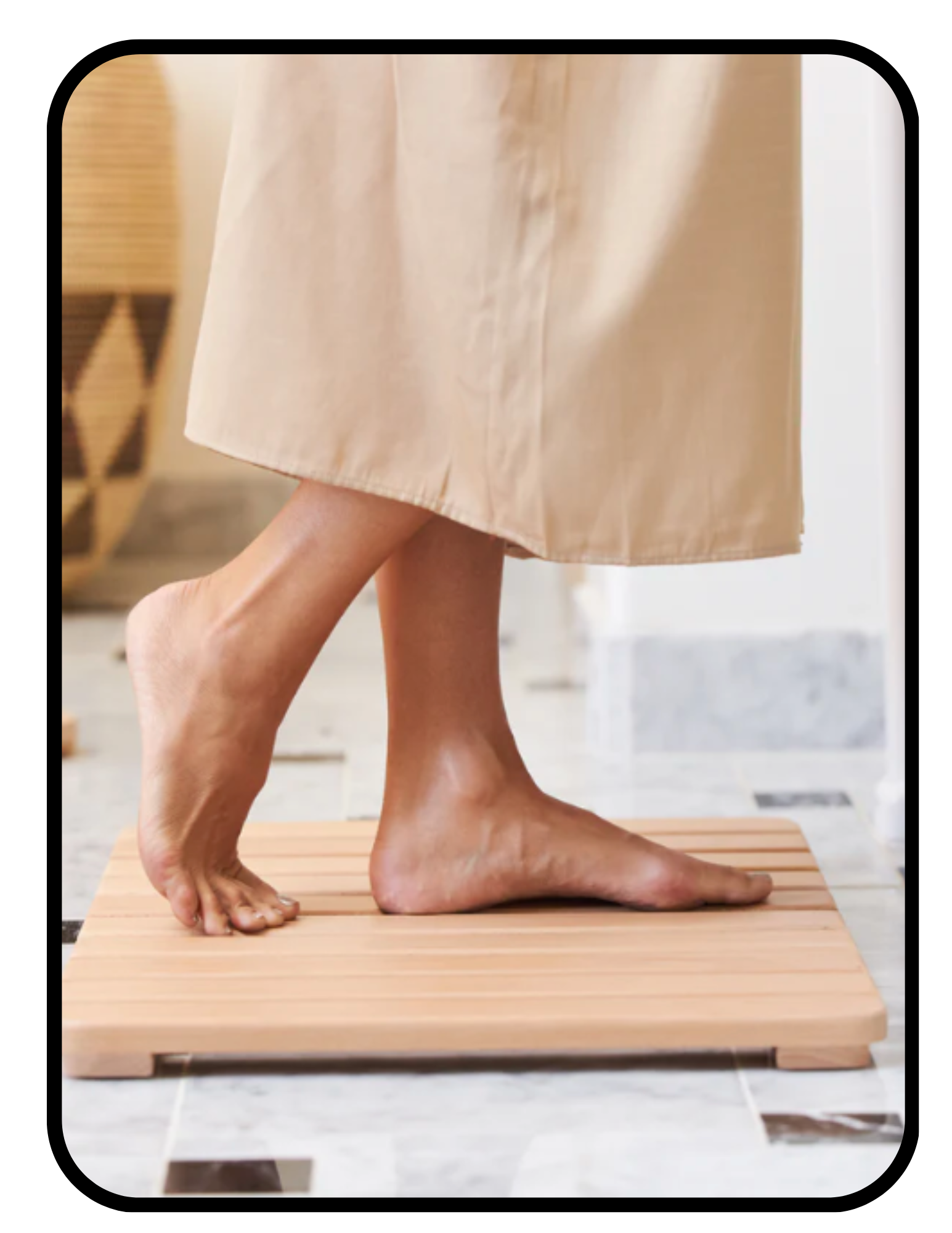
Traditional fabric bath mats contribute to bathroom humidity and mold problems. They absorb large amounts of water after showers, stay damp for hours creating consistently moist surfaces that promote mold and bacterial growth, add humidity back into bathroom air as they slowly dry, and can develop musty odors from repeated dampness. They also contribute to more frequent laundry and dryer use.
Diatomaceous earth bath stones offer a better alternative for most bathrooms. Diatomaceous earth is a naturally porous sedimentary rock made from fossilized algae with microscopic pores that rapidly absorb water through capillary action then release it through evaporation.
DE bath stones absorb water from your feet in seconds then dry themselves within minutes, preventing the moisture buildup that mold needs. Unlike fabric mats, DE stones dry quickly and don't contribute to prolonged humidity that allows mold to colonize bathroom surfaces, making them naturally antimicrobial.
Shop diatomaceous earth bath stones or quick-dry organic bath mats if you prefer fabric options.
Toilet Paper, PFAS, and Bidet Alternatives
Toilet paper is an often-overlooked source of daily chemical exposure in bathrooms. Conventional toilet paper is processed with resins to add wet strength, preventing the paper from disintegrating during use. PFAS (forever chemicals) are sometimes still added to keep toilet paper intact until after flushing, creating water resistance that serves the same function.
Modern toilet paper is held together by wet-strength resins, and the dominant chemistry in tissue products today is polyamideamine-epichlorohydrin (PAE), which replaced older formaldehyde-based resins (urea-formaldehyde, melamine-formaldehyde.) The switch happened decades ago because PAE works better at neutral pH. But, PAE has its own residual-byproduct concerns, including trace AOX compounds and residual epichlorohydrin in the finished paper, so "wet-strength chemistry" is a real exposure question even if "formaldehyde in toilet paper" is a bit outdated.
Separately, recent testing has found PFAS residues in many toilet paper brands, with the leading explanations pointing to PFAS-containing processing aids during pulp production and contamination from recycled fiber feedstock rather than deliberate addition. The practical result is daily contact with paper that may carry trace residues on intimate skin, plus chemical dust from the paper that becomes part of bathroom air.
The health concern extends beyond direct skin contact. Toilet paper creates constant dust in bathrooms—microscopic paper particles that become airborne during use, storage, and when rolls are changed. This dust contains the resins and PFAS used in processing, creating a daily inhalation exposure in your enclosed bathroom space.
Bidets offer a solution that eliminates toilet paper use entirely, removing these resin and PFAS exposures while reducing bathroom dust. For those who prefer to continue using some toilet paper, choosing unbleached options and combining with a bidet reduces both chemical exposure and the volume of treated paper in your bathroom. I have options listed on my Toilet Paper page.
Bathroom Air Quality and Humidity Control
Managing Humidity to Prevent Mold in Bathrooms
Bathroom humidity directly affects respiratory health and determines whether mold can colonize surfaces you'll be exposed to daily. When humidity stays above 60% for extended periods, mold spores colonize surfaces and release spores and mycotoxins that trigger allergic reactions, asthma attacks, respiratory irritation, and chronic sinusitis.
Preventing mold requires controlling humidity through immediate actions after showering: run exhaust fans during and for 20-30 minutes after showers (or longer if you don't have a window), open windows if weather permits, squeegee glass shower walls to remove standing water, hang wet towels with space for air circulation, and leave bathroom doors open after use.
Indoor air quality monitors help you understand your bathroom's humidity patterns and verify ventilation strategies are working. Ideally, bathroom humidity should return to below 50-60% within 30-60 minutes after showering. If it stays elevated longer, you need better ventilation or dehumidification.
In bathrooms without windows or with inadequate exhaust fans, small dehumidifiers maintain healthy humidity levels between shower uses. This is especially important in humid climates or if multiple family members shower consecutively, keeping humidity elevated throughout the day.
Because bathroom humidity determines whether mold can thrive and directly affects respiratory health during daily routines, managing moisture with monitoring and dehumidification prevents problems before they start.
Browse indoor air quality monitors for humidity tracking and see the dehumidifier I recommend at the bottom of my shower curtains page, sized for bathroom spaces.
Non-Toxic Air Fresheners and Bathroom Scents
Conventional air fresheners are among the most concerning products for bathroom air quality. Most air fresheners—including sprays, gels, plug-ins, and automatic dispensers—contain phthalates (used to make scents last longer, hidden under "fragrance" on labels), synthetic fragrances (can contain hundreds of unlisted chemicals), and VOCs including formaldehyde, benzene, toluene, and styrene.
The problem intensifies in bathrooms because the enclosed space concentrates chemicals, high humidity and heat from showers increase evaporation rates into air, and automatic dispensers release chemicals continuously even when bathrooms aren't in use.
Air fresheners don't actually freshen air—they mask odors by overwhelming your sense of smell with strong fragrances or coating nasal passages with oils that inhibit odor detection.
The best approach is addressing odor sources rather than masking them: improve ventilation with exhaust fans and open windows, address any mold or mildew issues, clean regularly with non-toxic cleaners, and ensure toilets and drains are clean and functioning properly.
For optional pleasant scent, use natural odor absorbers like baking soda, diffuse pure essential oils with proper ventilation, or light non-toxic candles made from beeswax or soy with cotton wicks and adequate ventilation.
Products labeled "natural," "green," or "eco-friendly" may still contain synthetic fragrances and phthalates. Look for products that list all ingredients (not just "fragrance") and use pure essential oils rather than "fragrance" or "parfum."
Shop non-toxic air fresheners and bathroom scents with ingredient transparency.
Maintaining Your Non-Toxic Bathroom
Maintaining your healthier bathroom requires ongoing attention to humidity control, cleaning practices, and ventilation:
Control humidity after every use. Run exhaust fans during and for 20-30 minutes after showers, open windows when possible, and use dehumidifiers if humidity stays elevated. Monitor humidity levels with air quality monitors to verify your ventilation strategies keep levels below 60% within an hour of showering.
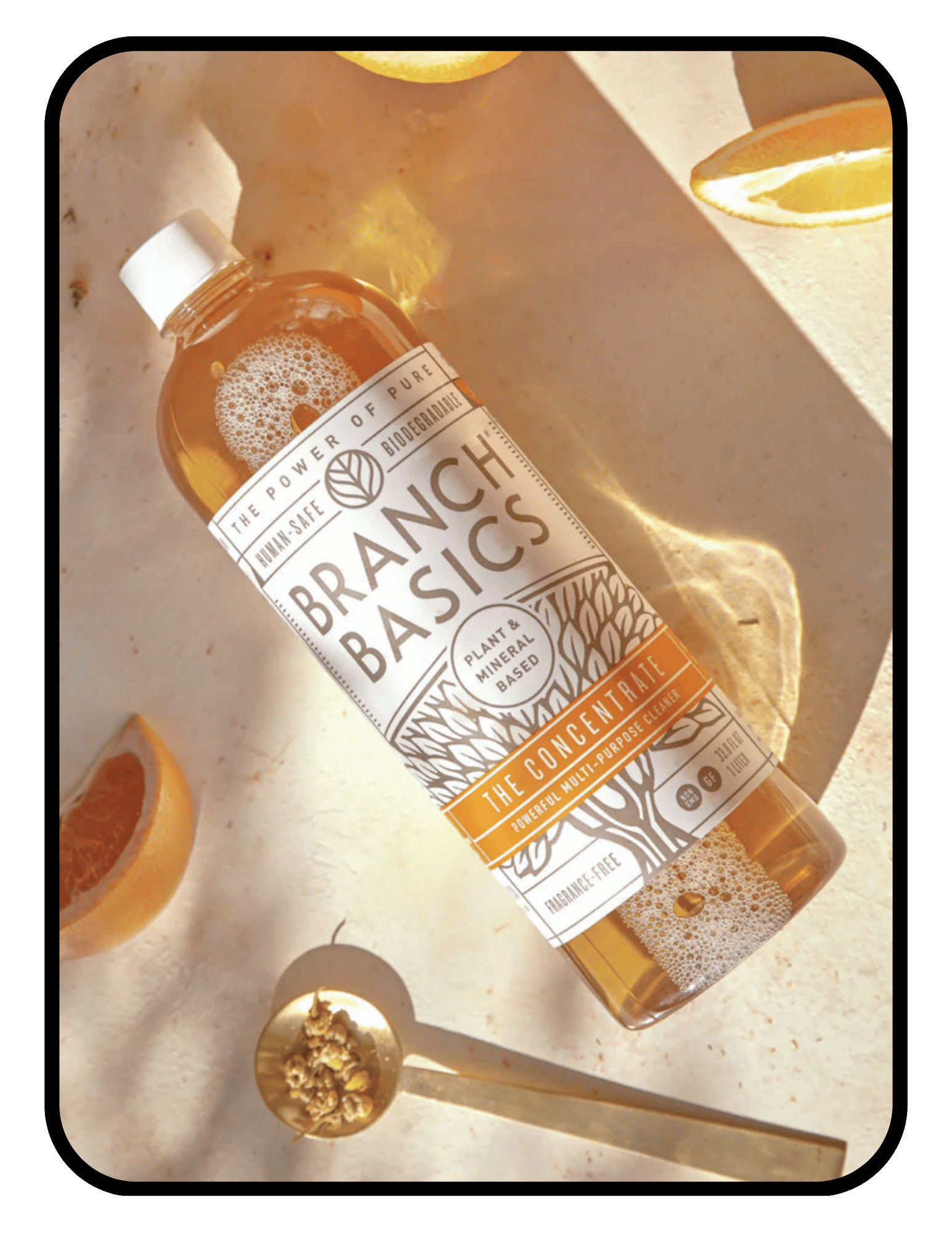
Clean with non-toxic products. Use safe cleaning products like vinegar, baking soda, and plant-based cleaners to avoid introducing new chemicals into your bathroom air. Clean regularly to prevent mold and mildew before they colonize surfaces.
Replace shower filter cartridges on schedule. Shower filters lose effectiveness as filtration media becomes saturated. Follow manufacturer recommendations for cartridge replacement, typically every 6-12 months depending on water quality and usage.
Maintain bath stones and mats. DE bath stones require occasional light sanding to refresh the surface. If using fabric mats, wash weekly and ensure they dry completely between uses.
Ventilate during and after cleaning. Open windows and run exhaust fans when cleaning to allow cleaning product fumes to disperse rather than accumulate in your enclosed bathroom.
By addressing water quality through filtration, eliminating PVC and synthetic materials, managing humidity to prevent mold, and improving ventilation, you create a bathroom environment that supports health rather than compromising it during your daily routines.
Moving Forward With Your Non-Toxic Bathroom
Creating a healthier, non-toxic bathroom means addressing the unique combination of water contaminants, high humidity, and small space that make this room's health challenges distinct from other spaces. You now understand why shower filtration matters more than drinking water filtration due to inhalation exposure, how humidity control prevents chronic mold exposure, and why enclosed space makes material choices critical.
Whether you're starting with a shower filter to address water contaminants, replacing vinyl shower curtains to eliminate phthalate off-gassing, or installing humidity monitoring to prevent mold growth, each change reduces your family's exposure during the daily routines that happen in this concentrated environment.
The most important step is addressing shower water quality first, since this provides immediate reduction in the triple exposure pathway of inhalation, dermal absorption, and ingestion. From there, tackle vinyl shower curtains, humidity control, and bathroom materials in order of exposure duration and health impact.
For detailed buying guides with specific certifications, filtration media comparisons, and product recommendations for shower filters, non-toxic shower curtains, organic towels, and all bathroom essentials.
Don’t see what you’re looking for? Request a review, or check it yourself in seconds with the Second Opinion Product Checker. Spot something outdated? Let me know and I’ll update it. Join the spam-free newsletter for interesting info and to hear when new reviews are up.
FYI, “non-toxic” has no official definition, so I rate every product with the same method. It’s built on third-party certifications and published test data, not brand claims. For a deeper dive, my free course walks you through it.
Everything on Interior Medicine is educational information, not medical advice. Read my full disclaimer.
More Healthy Design For You