
Non Toxic Bath Stones & Bath Mats
The safest non-toxic bath mat is either GOTS-certified organic cotton or unfinished solid wood, both of which dry quickly without the synthetic backings, dyes, or antimicrobial treatments common in conventional mats. The best bath stones are made of diatomaceous earth and a safe binder like paper or other minerals. Stone bath mats dry the fastest of all and resist mold well, but the mineral powder has to be bound into a rigid shape somehow, and not every brand discloses what that binder is, so ingredient transparency varies more in this category than in most others I cover. Every product here is evaluated using my full methodology.
By Dr. Meg Christensen | Physician-founder of Interior Medicine, a non-toxic home resource built on her background in medicine, biochemistry, epidemiology, and clinical research.

Updated August 31, 2026
Non-Toxic Bath Stones
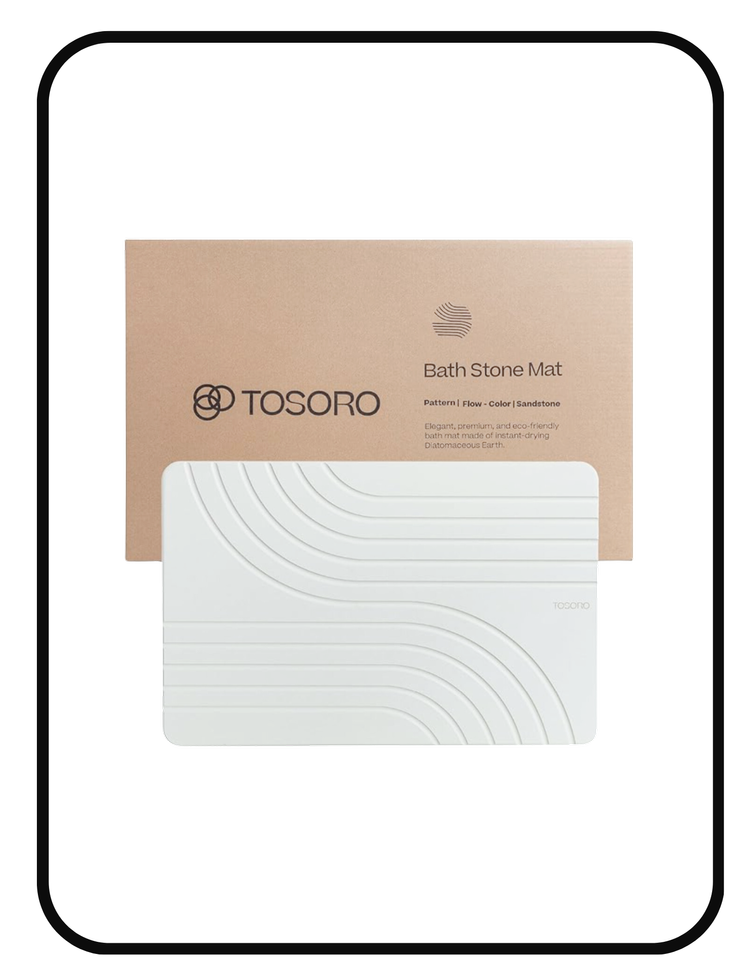 Tosoro Bath Stone Mat: Most Affordable Bath Stone
Amazon has a variety of stone bath mats. The Tosoro brand is the best rated bath stone on Amazon for durability, still with consistently affordable pricing. They do not disclose what is combined with the diatomaceous earth, though I will update if I hear back. Sutera is similar, also stating 100% diatomaceous earth, which I find hard to believe, and would create a very brittle mat. Momo says 100% DE but in the fine print on their website also states vegetable fibers and hydrated lime (the mineral) are used. All three are still fast-drying mold-resistant bath stones, just with less ingredient transparency than premium brands offer.
Product rating
See the rating scales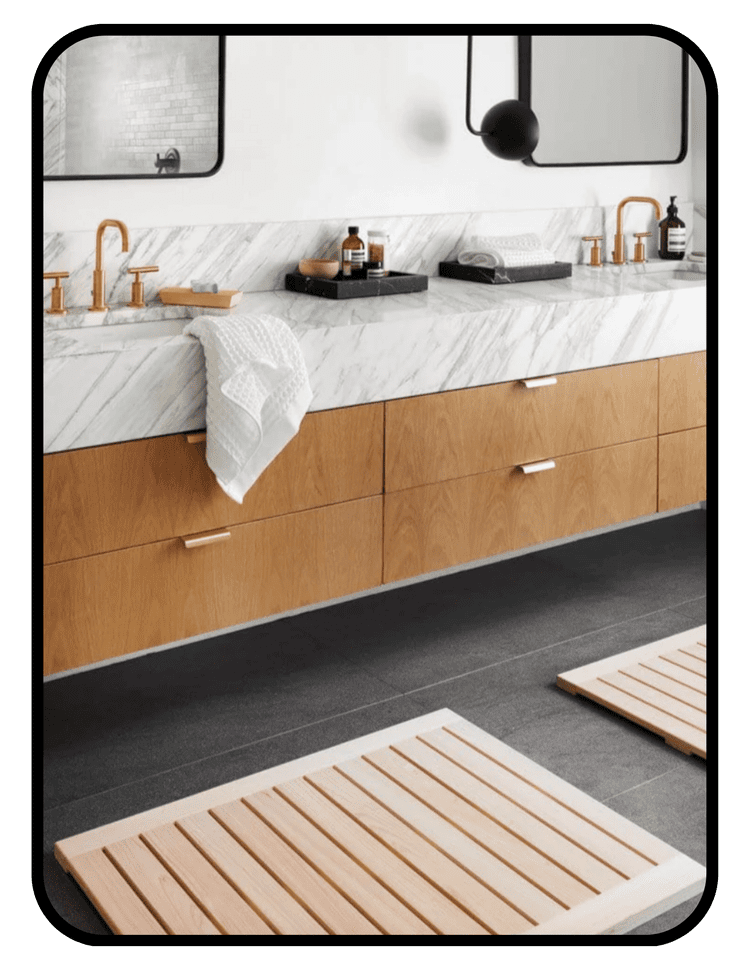 The Citizenry Wooden Bath Mat: Best for Dry Climates
A wooden bath mat makes sense if you live in a drier climate, and still want to reduce bacterial build-up and laundry. Because some water will drip through the slats, it’s best for warmer, fast-drying bathrooms. What’s special about a wood bath mat without a waterproof finish is that it’s actually antibacterial: the water that is absorbed by the wood will have its bacterial count naturally eliminated, in the same way a raw wood cutting board is actually the most hygienic option. The Citizenry offers this finely sanded Hinoki cypress one, which also smells really good.
Product rating
See the rating scales GEM Bath Stone: Best Bath Stone for Minimal Ingredients and Transparency
A high quality, minimalist, and beautiful stone bath mat. GEM adds vermiculite, another mineral to the DE. Then, high pressure compresses them together into shape. This actually works because when heated, vermiculite turns into an accordion-like flaky structure that interlocks and mechanically self-bonds under pressure. That’s something DE doesn’t do on its own. There are several patents and materials-science papers that describe this process, confirming that vermiculite products can hold their shape without binders when compressed under enough pressure.
Product rating
See the rating scales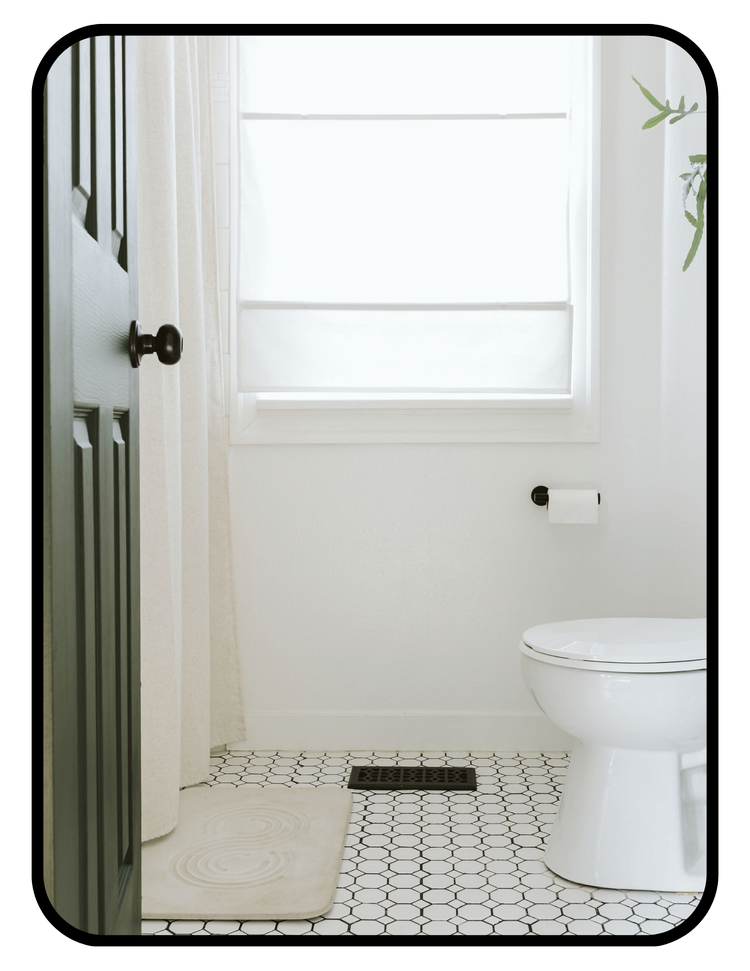 Dorai Stone Bath Mat: Best Bath Stone for Size and Practicality
I’ve had the Dorai for a little over 5 years, and can attest to how durable it is. It does not crack, in part because the compressed diatomaceous earth is blended with paper fibers. Generally very healthy, though paper is slightly less straightforward ingredients-wise than the mineral vermiculite is. It feels neutral-temperature and soft (not hard or cold) under my feet and dries instantly. I use some sandpaper and let the sun blast its UV rays on it every few months. I love not washing a bath mat every week. High quality, and Dorai has the most size and style options to choose from with new colors and shapes coming out often.
Product rating
See the rating scalesOrganic and Non-Toxic Bath Mats
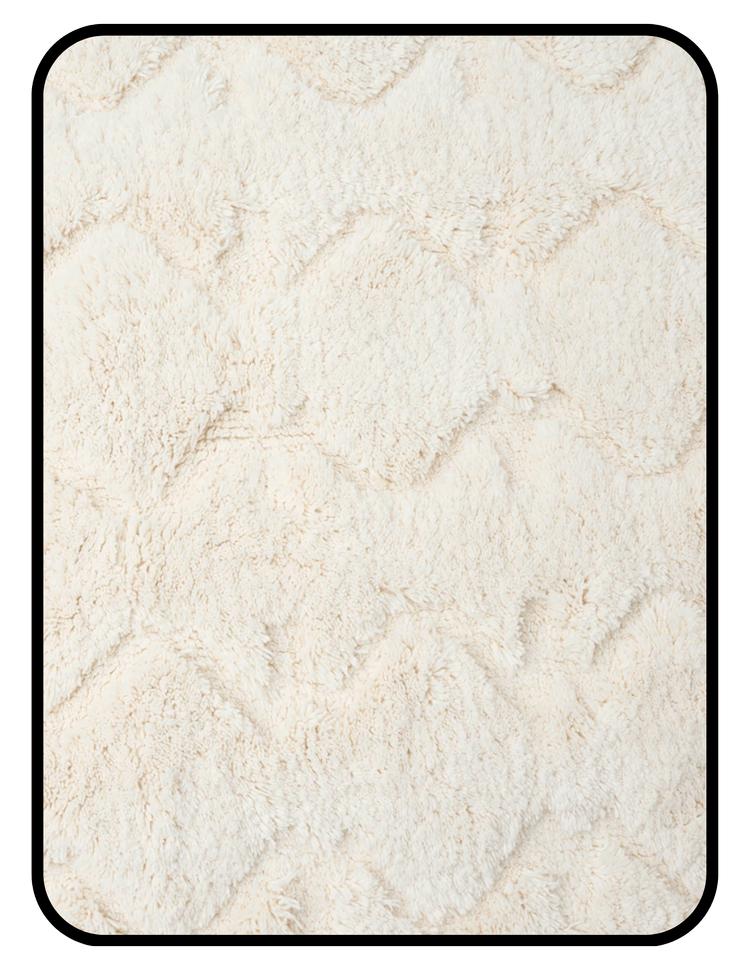 Coyuchi Organic Bath Mats
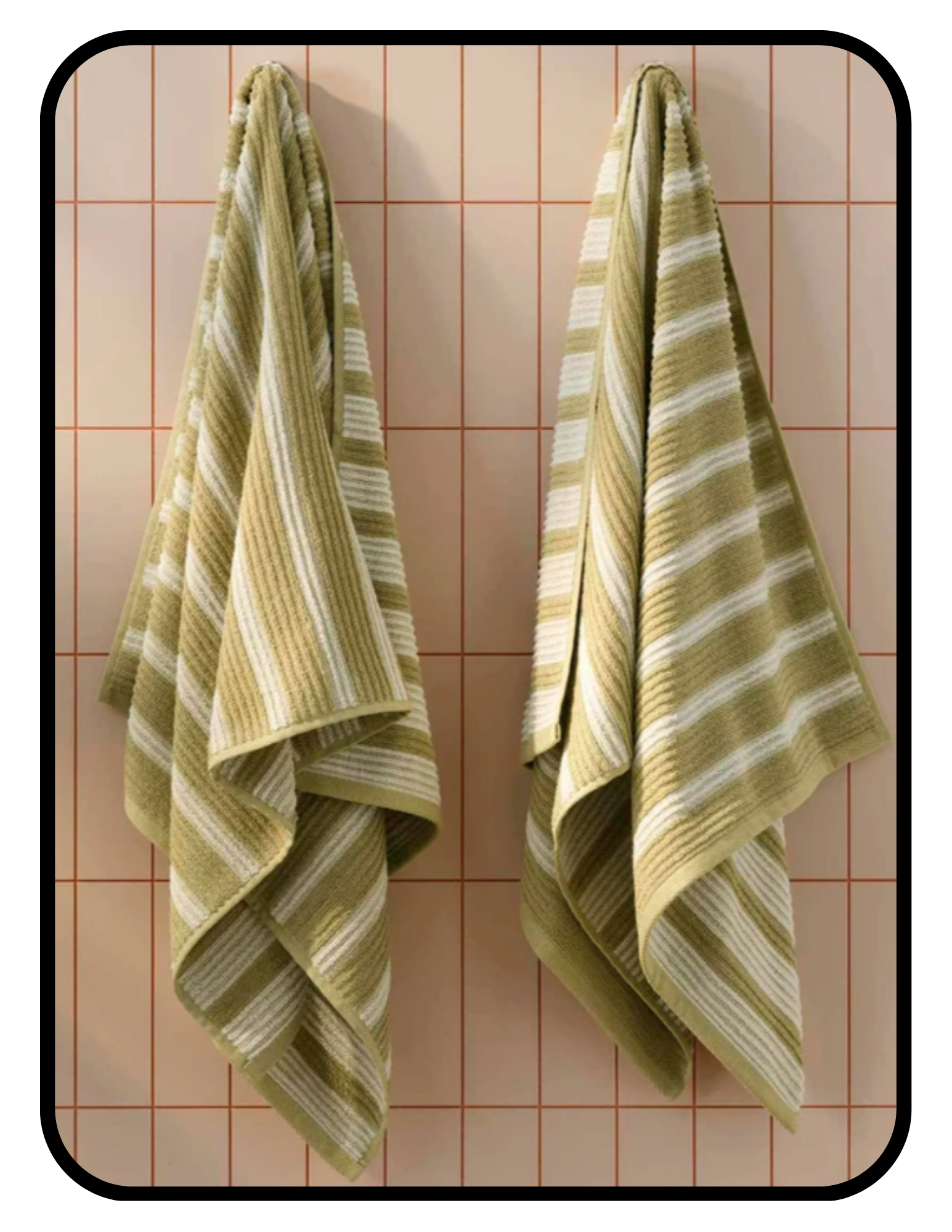
If you aren’t interested in a bath stone or wooden bath mat, and love the feeling of a plush mat when you step out of the shower, Coyuchi has super healthy 100% organic GOTS certified cotton bath mat options in lots of colors and styles. No toxic PVC backing, memory foam core, or endocrine-disrupting antimicrobial treatments applied to the fabric.
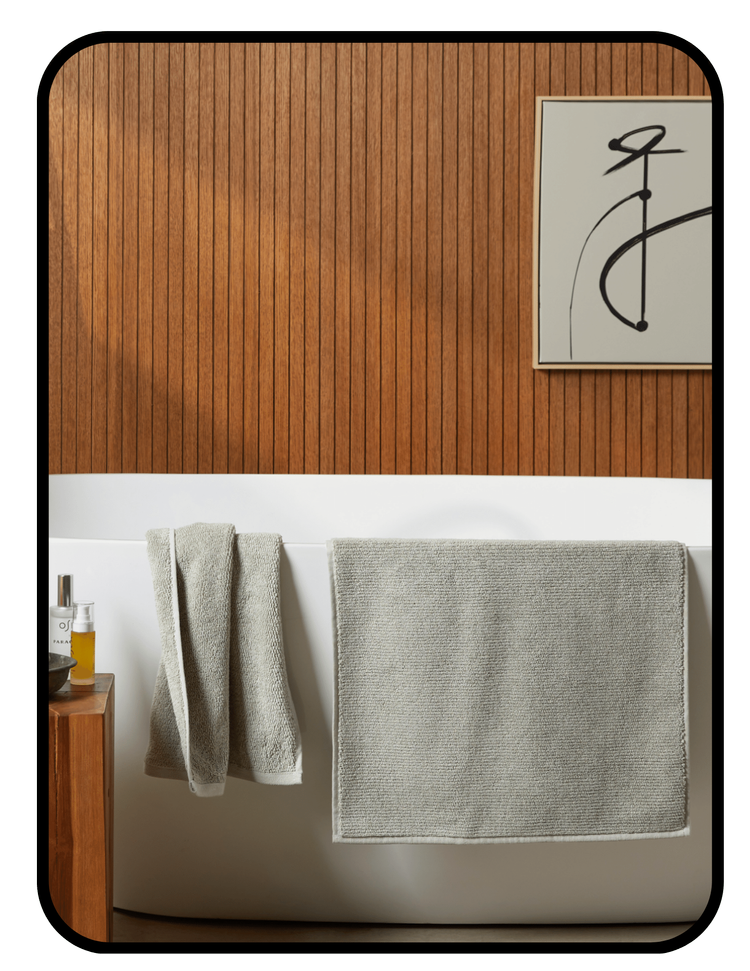 Parachute Non-Toxic Bath Mats
Parachute has a mixture of 100% organic cotton bath mats with GOTS certification, as well as OEKO TEX certified ones in lots of colors and styles. Health certifications are important for bath mats, which often contain harmful dyes, antimicrobial finishes, or waterproofing treatments. Quick-drying and lightweight machine washable options.
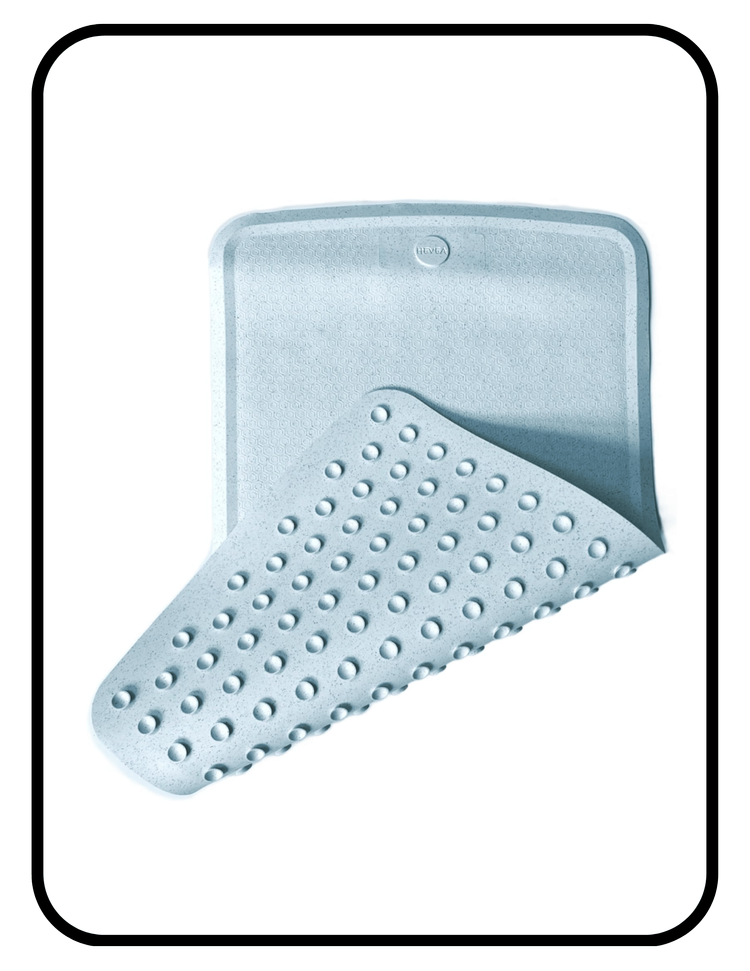 HEVEA Non-Slip Mat
Originally made for a safe, anti-slip surface inside of the tub, these Danish-designed 100% natural rubber latex mats also work really well under a cloth bath mat to keep it in place. A great alternative to PVC “rubber” anti-skid backings on most bath mats. Suction cups keep it sturdily attached to the floor. Comes in lots of colors and sizes and are multi-functional.
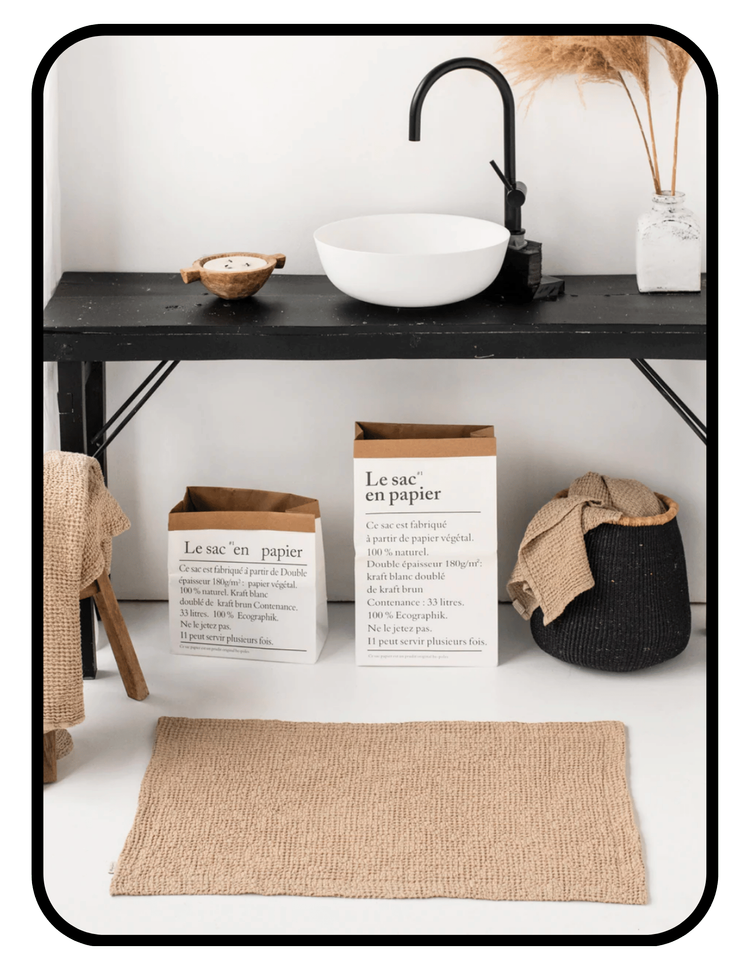 Magic Linen Fast-Drying Waffle Bath Mats
These are the fastest drying natural fabric bath mats. Linen in a waffle weave will absorb water easily, but dry quicker than cotton does. Lightweight and OEKO-TEX certified, these come in a few colors that match Magic Linen’s great shower curtains, as well.
Looking for something specific? If you don't see the product or brand you're curious about, you can request a review here, or run it through the Second Opinion Product Checker to evaluate it yourself. Want to go deeper? My free course covers how to evaluate any product's materials yourself.
Join the Newsletter
Join the Newsletter
More Healthy Design for You


More About Non-Toxic Bath Stones and Mats
What is diatomaceous earth?
Diatomaceous Earth (DE) is a naturally occurring powder that comes from fossilized diatoms, a type of hard-shelled algae. It’s mostly made of the element silica, and is very safe for people.
How do diatomaceous earth bath stones dry instantly?
Diatomaceous earth has millions of microscopic pores. These were left behind by the fossilized diatom shells, and it creates a very high surface area relative to its size. When water hits the surface, it's pulled into these pores by capillary action almost immediately, then evaporates back out into room air quickly instead of staying on the surface.
What are diatomaceous earth bath stones held together with?
Diatomaceous earth powder doesn’t hold together on it’s own, so it has to be bound together with a second ingredient to hold a rigid shape. Different brands use different materials to do this, but not all state what they use.
GEM adds vermiculite, another mineral to the DE. Then, high pressure compresses them together into shape. This actually works because when heated, vermiculite turns into an accordion-like flaky structure that interlocks and mechanically self-bonds under pressure. That’s something DE doesn’t do on it’s own. There are several patents and materials-science papers that describe this process, confirming that vermiculite products can hold their shape without binders when compressed under enough pressure.
Dorai uses a mixture of DE and paper fibers, and they state no other binder is used.
Other brands like Tosoro and Sutera claim they are 100% diatomaceous earth, though that is difficult to believe, as the powder, when compressed, is very brittle. Momo says they use 100% DE in some of their copy, and vegetable fibers and lime (the mineral) in other places.