Foam Guide
Interest in organic and non-toxic mattresses, couches, and other foam furniture has grown fast, and healthwashing and misinformation have kept pace with it. This evidence-based guide untangles confusing certifications like CertiPUR and FSC Latex, what's actually known about EVA versus TPU safety, and whether foam in old furniture is safer than new. No matter what kind of foam, it’s safety always comes down to both the starting material and how it was processed, since even organic materials can be contaminated with harmful or undisclosed additives. The clearest materials to avoid outright are PVC foam, banned flame retardants, and fiberglass fire barriers. The Foam Guide is one of the rating systems that makes up the foundation of the Interior Medicine Method.
By Dr. Meg Christensen | Physician-founder of Interior Medicine, a non-toxic home resource built on her background in medicine, biochemistry, epidemiology, and clinical research.

Published March 1, 2021 | Updated Sept 29, 2026
Foam Rating Scale
These scales are a summary of all the information below. They also keep me consistent and unbiased as I rate and rank products for their potential impact on your health, and they’re meant to organize the information in a straightforward way for you, too.
The scale captures a complete picture of foam’s potential impact on your health health by considering both what the starting material was, and how it was processed. Keep reading for the full breakdown on the reasoning behind it, and how to make smart decisions about foam in your home.
Foam Rating Scale
TIER 01
Healthiest
Description
Certified organic latex
- GOLS-certified organic latex (at least 95% from Hevea brasiliensis trees grown without pesticides), with GOLS verifying both the organic latex sap and the full processing chain against a banned-substance list
- Applies to Dunlop process only, since Talalay can only be natural, not organic
Look for
- GOLS logo with a certification number verifiable in the public GOLS database
Ask the brand
- Can you share the GOLS certification number?
In practice
- Common for latex mattresses, toppers, and pillows from high-end organic brands
- Watch for "GOTS-certified latex" or "GOTS-approved latex," which trades on the visual similarity to GOLS. GOTS (Global Organic Textile Standard) is a textile certification that accepts latex as a component without verifying it as organic. GOLS (Global Organic Latex Standard) is the actual organic latex certification.
TIER 02
Healthy
Description
Natural rubber latex with whole-product safety certification
- Natural rubber latex (Dunlop or Talalay) with C2C Gold or Platinum certification or ecoINSTITUT certification on the finished product, both of which require 100% ingredient disclosure and verify safety against published limits
Look for
- C2C Gold or Platinum logo
- ecoINSTITUT logo
Ask the brand
- Is the latex Dunlop or Talalay?
- For Talalay, what processing additives were used?
- Do you source GOLS-certified latex without carrying your own certification due to cost?
In practice
- Where most premium natural latex products land when they aren't GOLS-certified
- Certified Talalay sits here since it can't be GOLS
- Some small brands source GOLS-certified raw latex without carrying the certificate themselves due to cost, which is a separate situation from the GOTS-as-GOLS healthwashing in Tier 1 and is a defensible trust call when the brand is transparent about their supplier
TIER 03
OK
Description
Synthetic foams with some certifications, or natural latex without third-party verification
- MADE SAFE certified mattresses and foam components
- OEKO-TEX Standard 100 certified natural latex
- TPU, EVA, or IXPE foam with disclosed third-party lab testing for at least formamide, formaldehyde, phthalates, and heavy metals
- True 100% plant-based foam
- Natural latex marketed as "100% natural" (typically Talalay) without third-party certification
You'll see
- MADE SAFE logo
- OEKO-TEX Standard 100 logo
- Third party lab report covering at least formamide, formaldehyde, phthalates, and heavy metals or OEKO-TEX certification
- "100% natural latex" claim without third-party verification
Ask the brand
- What is the foam made of?
- For uncertified natural latex, can you provide processing additive disclosure or supplier information?
In practice
- A wide tier with multiple paths
- MADE SAFE is more commonly applied to whole mattresses than OEKO-TEX, which originated as a textile certification and shows up more on latex and play mat foams (TPU, EVA, IXPE) than on PU foam directly
- MADE SAFE doesn't publish residue limit values the way OEKO-TEX does, but its coverage of foam-containing products is broader
TIER 04
Use Caution
Description
Synthetic foam with minimal or no certifications
- Uncertified polyurethane foam, including memory foam
- CertiPUR-certified PU foam
- Soy or bio-based foam (typically 95% PU with 5% plant content despite marketing)
- TPU, EVA, or IXPE foam with no third-party test data available
- FSC-only latex (which allows synthetic latex mixing)
- GreenGuard Gold-only PU foam (tests VOC emissions only, doesn't catch flame retardants or non-volatile additives)
- Graphene-infused foam (a nanomaterial with limited long-term human safety data, distinct from graphite)
- Phthalate-free PVC foam with a published third-party test panel and a disclosed non-phthalate plasticizer (the plasticizer's own safety profile and residual vinyl chloride remain open questions that don't apply to tested TPU, EVA, or IXPE)
You'll see
- "Polyurethane foam," "memory foam," or "plant-based foam" without 100% plant disclosure
- CertiPUR logo
- GreenGuard Gold without other certifications
- FSC latex without GOLS
- "Graphene-infused" foam
- "Phthalate-free PVC" with a posted lab report and a named plasticizer
Ask the brand
- Is the foam polyurethane, plant-based, TPU, EVA, IXPE, or graphene-infused?
- For "bio" or "soy" foam, what percentage is actually plant-derived?
- Are flame retardants added?
- Any fiberglass fire barrier?
- For PVC, which plasticizer is used, and does testing cover residual vinyl chloride?
In practice
- The industry default for affordable mattresses, couches, and padded furniture
- True 100% plant-based foam exists and is becoming more available, though most "bio" or "soy" marketing refers to the partial version
TIER 05
Harmful
Description
Foams containing known harmful chemistry
- Untested PVC and vinyl foam, or PVC with an undisclosed plasticizer (can off-gas phthalates and residual vinyl chloride monomer)
- Foam with confirmed banned-class flame retardants like PBDEs (mostly pre-2013 furniture still in homes)
- Antimicrobial-treated foam carrying quats or triclosan
- Foam with fiberglass fire barriers, which shed airborne glass shards when the cover wears or is breached and embed in carpet, clothing, and HVAC systems with no effective home cleanup
- Foam with nanosilver
You'll see
- "PVC foam," "vinyl foam," "vinyl-coated"
- Pre-2013 mattresses without confirmed retroactive testing
- "Antimicrobial," "odor-resistant," "anti-stink"
- "Fiberglass" or "FR barrier" disclosed inside a mattress (frequently in budget mattresses from Zinus, Linenspa, and similar brands)
- "Nano-silver" or "silver-infused" foam
Ask the brand
- Are flame retardants added, and which class?
- Any antimicrobial finish?
- What is the fire barrier made of, and where is it located in the construction?
In practice
- Budget play mats (PVC), older mattresses and couches (PBDE-era), and conventional budget mattresses with fiberglass barriers, which is a widespread and growing concern
- Once fiberglass is loose in a home, it spreads aggressively and is essentially impossible to remove without disposing of the mattress and often the surrounding carpet and bedding
HAZARD
Decoder
Prop 65
A Prop 65 warning on a foam product means the brand either knows a listed substance is present above a regulatory limit, or is labeling as a legal precaution. It measures whether your potential exposure meets a certain limit. Each chemical can look alarming on first glance, but there's more nuance to whether you need to worry. Read below to see what each chemical actually means and what to do about it.
The most common possibilities for a Prop 65 warning on foam are:
- Glasswool fibers: fiberglass fire barriers in budget mattresses, hazardous via inhalation when the barrier is breached or the cover is removed.
- Phthalates (DEHP, DINP): PVC foam in play mats, faux leather, pool floats, and air mattresses.
- Vinyl chloride: residual monomer in PVC foam products.
- Antimony trioxide: flame retardant synergist still present in some plastics and treated components, though less common in residential furniture foam since California's 2020 ban on the brominated flame retardants it was typically paired with.
- Toluene diisocyanate (TDI): a manufacturing precursor in polyurethane foam that mostly reacts away during curing. Rarely the trigger for a Prop 65 warning on finished products, but trace residuals occasionally cross the threshold.
Prop 65 Foam
What should I do about a Prop 65 warning on foam?
Companies will essentially never tell you exactly which chemical is present in their product to warrant a Prop 65 label, but your response can be the same no matter what: don’t buy it and choose one without a Prop 65, or use wet-dusting, HEPA vacuuming, and mopping to reduce exposure.
If you do get information, the chemical possibilities sort into two groups by how much they actually warrant action in a home environment:
Worth a moderate response. These chemicals are present at low or very low levels in finished foam products and respond well to airing out and routine cleaning. They shouldn’t be ignored, but aren’t as urgent as the ones below them.
Antimony trioxide: A possible human carcinogen by inhalation, linked to respiratory effects in occupational exposure studies. Used as a flame retardant synergist in some plastics and treated components. Less common in residential furniture foam since California's 2020 ban on the brominated flame retardants it was typically paired with, but can still appear in plastic foam components, some imported products, and items outside the residential furniture category. Migrates into dust rather than off-gassing, so wet-dusting and HEPA vacuuming help.
Toluene diisocyanate (TDI): A respiratory sensitizer and possible human carcinogen, linked to occupational asthma in foam manufacturing workers. A manufacturing precursor in polyurethane foam that mostly reacts away during curing. Rarely the trigger for a Prop 65 warning on finished products, but trace residuals occasionally cross the threshold. Off-gassing is highest in the first few weeks; airing the product out in a ventilated space before installing reduces exposure.
Worth your attention: These chemicals move out of foam products over the life of the product, sped up by heat, friction, acidic body fluids like sweat, and time. They show up most in PVC foam (play mats, faux leather, pool floats, air mattresses) and in budget mattresses with fiberglass fire barriers.
Phthalates (DEHP, DINP): Reproductive and developmental toxicants and probable human carcinogens, with effects on the male reproductive system shown across animal studies and human bio-monitoring. Used as plasticizers in PVC foam to keep the polymer flexible. Phthalates migrate into household dust and onto skin over the life of the product rather than off-gassing into the air, so ventilation does little. Wet-dusting, HEPA vacuuming, and mopping can reduce phthalates in dust, but for large-surface PVC foam items (a baby play mat, a faux leather couch), the better move is to choose a different material.
Vinyl chloride: A known human carcinogen linked to a rare liver cancer (angiosarcoma) and other liver disease. Present as a residual monomer in PVC foam products, meaning a trace amount of the starting material that didn't fully react during manufacturing. Off-gassing is highest when the product is new and decreases over the first weeks to months. Worth avoiding rather than mitigating, particularly for items used by children or in sleep environments.
Glasswool fibers (fiberglass): Listed for inhalation exposure, with effects on the respiratory tract shown across occupational studies. Used as a fire barrier in budget mattresses (Zinus, Linenspa, and similar brands), wrapped around the foam core under the cover. Safe while the barrier is intact, hazardous when the cover is removed, washed, or wears through, at which point loose glass fibers shed aggressively into bedding, carpet, clothing, and HVAC systems with no effective home cleanup. The only meaningful action here is to confirm before purchase whether a fiberglass barrier is present, and to choose a mattress that uses wool, rayon, or another non-fiberglass barrier instead.
What does a Prop 65 warning on foam mean?
A Prop 65 warning means the product contains, or might contain, a substance on California's list of chemicals known to cause cancer or reproductive harm. It does not necessarily mean the product is dangerous to use. That's because Prop 65 is a right-to-know law, not a product safety law. It requires warnings at levels 1,000 times below the level that could cause harm.
There are three reasons a brand might put a Prop 65 sticker on a foam product:
The first is liability. Prop 65 enforcement runs primarily through private lawsuits, and the penalties for failing to warn can be steep. Many brands apply the sticker preemptively, even when they aren't certain a listed chemical is present at exposure-triggering levels, because labeling is cheaper than litigating. This is why the sticker isn't a reliable signal of high exposure.
The second is actual presence. The foam, or another component in a foam-containing product, contains a known Prop 65 listed chemical at levels the brand has tested for and confirmed exceed the threshold. Phthalates in PVC foam play mats is a common version of this. Fiberglass barriers in budget mattresses is another.
The third is material-level uncertainty in a multi-material product. A couch might carry a Prop 65 sticker because of formaldehyde in the plywood frame, not because of anything in the foam itself. A mattress might carry one because of the fire barrier rather than the foam core. Brands often can't or don't separate which component triggered the warning, which makes the sticker harder to interpret than on a single-material product.
The result is that a Prop 65 sticker on a foam product tells you something is possibly present, not that something definitely is, not which component it's in, and not which something it is.
Polyurethane Foam Certifications
What is CertiPUR foam?
CertiPUR foam is polyurethane foam certified by the CertiPUR-US program, which prohibits, or limits, a handful of harmful chemicals while allowing most other toxic mattress additives (that remain undisclosed.) See their latest 2025 standards update here.
What does CertiPUR ban in foam?
Some flame retardants (not all): the few flame retardants that are confirmed carcinogenic, mutagenic, or reprotoxic including PBDE, DMMP, HBCD, PBB, PCT, and TDBPP.
Some blowing agents: CFCs, HCFC, and methylene chloride
Chlorinated phenols
What chemicals are still in CertiPUR foam?
CertiPUR still allows many known harmful chemicals in mattress foam. But, the following must be under certain limits:
Formaldehyde
Benzene, Toluene, Styrene, vinylcyclohexene and other VOCs
Aromatic hydrocarbons
Stannous octoate
Heavy metals
New flame retardants
What CertiPUR says "should not be used" (unclear if banned or limited):
Azo-based colorants and azodyes
Is CertiPUR actually non-toxic?
No, not in my opinion.And it is definitely an opinion because the foam and CertiPUR industries are very tightly guarded secrets. There have been no deep-dive investigative journalism reports, rigorous academic studies, or other true third party consumer protection evaluations of foam, and especially of CertiPUR.The closest thing has been the Duke Superfund study, which accepted samples from anyone’s mattress or couch in the US and analyzed them for flame retardants because, as they stated, academic lab testing was the only way to know what chemicals were in the mattresses. That’s still true.
Part of the problem is that CertiPUR-US is not a true third-party certification. The CertiPUR standards were created by the polyurethane foam industry itself (through the Alliance for Flexible Polyurethane Foam) and they use industry-selected labs for testing. This means foam manufacturers and the polyurethane foam industry sets their own standards, which is a major conflict of interest and does not have human health as its driving motivator.
The biggest problem is that yes, a small number of things are banned, but we still don’t know what is in it. Considering more types of flame retardants and other untested chemicals are created daily, in the context of a bad track record, this is concerning.
You could argue that CertiPUR is a step in the right direction! But, I’m deeply skeptical, and I think the word PUR (pure) is misleading.
Some brands say they test their CertiPUR foam for flame retardants. Does that mean it's safer?
It definitely can, but the value depends on what's being tested, how, and whether the brand publishes the results.
CertiPUR-US bans the older confirmed-harmful flame retardant classes including PBDE, PBB, PCT, HBCD, DMMP, and TDBPP, but allows newer flame retardants that haven't been studied long enough to be banned. A brand that commissions independent third-party testing on their CertiPUR foam, screening for the major flame retardant classes (brominated, organophosphate, chlorinated) and publishing the results with the lab name and methodology, is doing more verification work than CertiPUR alone provides. That's a meaningful step.
Some brand-led FR testing is done without the supporting documentation. If you encounter a brand that says they test their CertiPUR foam for FRs, the questions to ask are: which independent lab performed the testing, which compounds or compound classes were screened, what were the detection limits, and are the results published anywhere I can read? A brand with confident, transparent answers to those questions is more trustworthy than CertiPUR alone.
What is MADE SAFE foam certification?
MADE SAFE certification maintains a banned/restricted list of 15,000 chemicals based on combining European Union standards, the Red List, and other international agencies setting human health standards. The list isn't absolute, and we don't know its contents. They state that, "some substances may have category specific allowances or technically unavoidable content, in which case either additional testing or threshold requirements may apply" here, but these limits aren't published, nor is the list itself accessible.
While I'm confident a MADE SAFE product is safer than untested alternatives, I now rate it as "OK" until limits and lists become more transparent.
What is OEKO-TEX foam?
OEKO-TEX typically applies to fabrics but can include foam when it's part of a finished textile-containing product. OEKO-TEX certified foam means the final product has been tested and verified to contain very low levels of specific harmful chemicals. It applies only to finished products, so manufacturers aren't required to disclose every single ingredient throughout the production process. OEKO-TEX can certify organic, natural, and synthetic products—whether pure latex foam or polyurethane foam. You can review OEKO-TEX limits, which update annually, here.
Does OEKO-TEX foam contain flame retardants?
No, OEKO-TEX foam doesn't contain chemical flame retardants. It may include safe, non-chemical fire barriers like wool or graphite. OEKO-TEX requires companies to apply for special exceptions when using flame retardants—for example, firefighters' uniforms require flame retardants but can still achieve OEKO-TEX certification if otherwise meeting health standards.
For foam specifically, is MADE SAFE or OEKO-TEX better?
In the foam and mattress world, MADE SAFE shows up more often than OEKO-TEX, and that broader coverage earns it a bump in my foam scale that it doesn't get in my fabric scale.
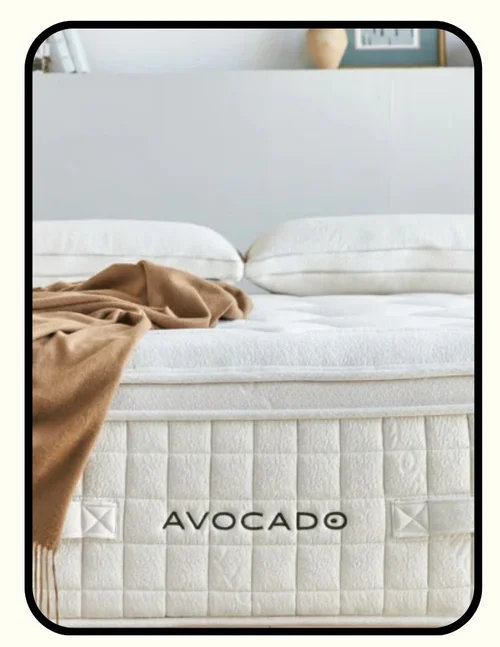
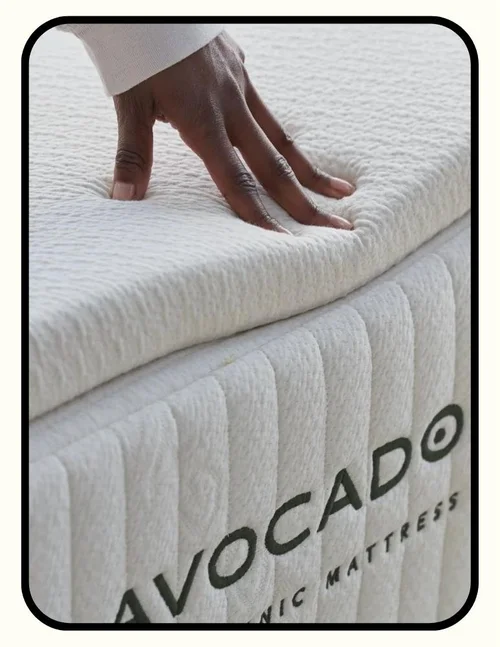
MADE SAFE certifies whole products, which fits mattresses well. A MADE SAFE certified mattress has had all of its components, including the foam, screened against the MADE SAFE banned and restricted list. Many natural mattress brands carry MADE SAFE, including Avocado, Naturepedic, and PlushBeds. The certification is doing real work, and MADE SAFE explicitly excludes fiberglass barriers, which closes one of the worst risks in the budget mattress market.
OEKO-TEX is fundamentally a textile certification. It can extend to foam when the foam is a component of a finished textile-containing product, and it does test foam alongside fabric, threads, and other components when the whole product is certified. But OEKO-TEX is less commonly applied to PU foam directly than to natural latex or to the fabric components of a mattress. It shows up frequently for play mat foams (TPU, EVA, IXPE) and for latex toppers, less often for PU mattress cores.
MADE SAFE has the limitation that residue limit values aren't published the way OEKO-TEX's annual criteria catalogue publishes them, which makes the residue side less verifiable. In the fabric world I lean OEKO-TEX for this reason. In the foam world, MADE SAFE's broader coverage of mattresses and its explicit fiberglass exclusion offset the transparency gap, and I treat them as roughly equivalent at Tier 3.
If a product carries both, that's the strongest signal.
Is GreenGuard GOLD foam non-toxic?
No, GreenGuard Gold certification does not mean foam is non-toxic or chemical-free. It only means the foam off-gasses volatile organic compounds (VOCs) below a certain threshold—not that it contains no harmful chemicals.
What GreenGuard and GreenGuard Gold means:
Standard GreenGuard: VOC emissions must be less than 500 µg/m³
GreenGuard Gold: VOC emissions must be less than 220 µg/m³
Why GreenGuard Gold doesn't equal "healthy":
Lower VOC emissions are definitely better than high emissions, but this certification has significant limitations for foam safety. Many harmful chemicals in polyurethane foam don't off-gas as VOCs, so they're not measured by GreenGuard testing. This includes:
Flame retardants
Plasticizers and stabilizers
Catalysts and blowing agents used in foam production
These chemicals may remain in the foam long-term without off-gassing, meaning you're still exposed through skin contact. Some brands misleadingly claim "It's GreenGuard Gold certified, so it's non-toxic!"—this is healthwashing in my opinion. However, GreenGuard can still be useful, even if it’s limited.
When GreenGuard Gold certification is useful:
If you're choosing between conventional foam mattresses or couches and can't afford an organic version, GreenGuard Gold is a step in the right direction. It ensures lower chemical off-gassing than uncertified foam, making it a better option.
Latex Foam Certifications
What is GOLS certified latex?
GOLS, the Global Organic Latex Standard, is the gold standard third-party certification for organic rubber latex. Latex with the GOLS-certified organic label means 95% of the final product is organic latex and ensures that processing stages (mixing, baking, etc.) are safe for human and ecological health. Only Dunlop-processed latex can be GOLS certified. To be sold as GOLS latex, the distributor must also be GOLS certified, ensuring they didn't add anything after receiving and before shipping to customers. This can be an expensive certification, so you'll see it more with large companies.
What is GOTS approved latex?
GOTS certifies textiles (fabrics and upholstery), not latex. However, GOTS will accept latex in "GOTS certified products" if it's either organic, organic-in-transition, or sustainable (see the fine print here.) This is somewhat like having OEKO-TEX certified polyurethane foam. While it's legal for a company to advertise their "GOTS certified organic latex mattress" without also having organic certification for the latex itself—which comprises the bulk of the mattress—I think it's somewhat deceptive considering "GOTS" looks so much like "GOLS." GOTS is highly respected, and this may be a healthwashing tactic for customers not examining details closely. Alternatively, depending on perspective, it can represent another nuanced shade of grey in the evolving natural foam landscape. While it's not organic latex, it does help meet rising latex demand overall, and it’s still natural latex.
What is FSC-certified latex?
FSC, or Forest Stewardship Council certification, focuses on responsible forest management. For latex, it means the trees meet forest management standards, indigenous people's rights are respected during harvesting, and old growth forests remain undisturbed. It's an excellent certification for environmental and community impact, but FSC-certified latex can still be mixed with numerous health-harming chemicals like styrene-butadiene rubber (synthetic rubber). I don't consider it any healthier than standard for this reason.
What is C2C certified latex?
C2C (Cradle to Cradle) is a comprehensive third-party certification with four levels: Bronze, Silver, Gold, and Platinum. For latex foam, it means that:
100% ingredient disclosure required andall ingredients in the latex were assessed for human and environmental health safety. No carcinogens, mutagens, or reproductive toxins are allowed.
The latex foam has very low VOC emissions
Why C2C Gold/Platinum matters for Talalay: Since Talalay can't achieve GOLS organic certification, C2C Gold/Platinum provides the next-best assurance by requiring full ingredient disclosure and safety verification. For example, a mattress or pillow made with Talalay latex that has C2C Gold certification means that 100% of the ingredients its made with have been declared by the manufacturer, and then assessed by C2C to be verified safe for humans and the environment (no synthetic rubber has been added).
C2C vs. CertiPUR-US: C2C is true third-party certification requiring full disclosure and prohibiting harmful chemicals entirely. CertiPUR-US is industry self-certification that allows harmful chemicals under limits.
What is ecoINSTITUT certified foam?
EcoINSTITUT is a German third-party certification for foam products with rigorous standards: What ecoINSTITUT guarantees:
100% ingredient disclosure required
Very low harmful substance thresholds and very low VOC emissions
Independent third-party oversight
Why it matters: EcoINSTITUT certification is valuable for Talalay latex toppers that can't achieve GOLS organic status. It provides transparency about all processing additives.
You'll never see polyurethane foam with ecoINSTITUT certification—disclosing 100% of chemicals would reveal proprietary chemical mixtures, and likely, many harmful substances.
Why is OEKO-TEX a lower standard for foam than C2C and ecoINSTITUT?
C2C and ecoINSTITUT require full disclosure of every ingredient used throughout the entire production process. OEKO-TEX focuses only on the finished product.
What foam certifications should I prioritize when shopping?
For natural latex: GOLS certification is the gold standard. C2C Gold or Platinum, or ecoINSTITUT are second best and still require rigorous testing and disclosure.
For any foam including polyurethane: Look for OEKO-TEX. GreenGuard GOLD is better than nothing but only addresses VOCs. Be skeptical of CertiPUR and MADE SAFE until they improve transparency. Always verify certifications directly rather than trusting marketing claims. I’ve gone through the all of the organic and “organic” mattress brands— see them here.
Understanding Polyurethane Foam
What is polyurethane foam made of?
Foam, also called polyurethane foam, is made from petroleum-based chemicals. The two primary ingredients are polyols and isocyanates, which react together to form the basic foam structure, then many chemical additives are mixed in to make it easier to work with in the factory, and more comfortable for people to sit on.
Polyols + Isocyanates + Chemical Additives = Foam
What are polyols and isocyanates?
The two main building blocks of foam are polyols and isocyanates:
Polyols are small molecules that typically come from petroleum, though plant-based sources have emerged recently.
Isocyanates are highly reactive compounds like toluene diisocyanate (TDI) and methylene diphenyl diisocyanate (MDI).
Are polyols and isocyanates toxic?
Polyols: Relatively harmless to you. Beyond their reliance on petroleum refineries, polyols in finished foam products won't directly impact your health through normal use.
Isocyanates: Relatively harmless to you, if properly combined with polyols. Isocyanates are well-documented to cause asthma and lung damage in workers when exposure occurs without proper protection, and accidental release of isocyanate gas from factories has killed people. The National Toxicology Program and International Agency for Research on Cancer have both declared TDI, an isocyanate used to make flexible foam, a possible carcinogen, though this is based on animal studies, not human. MDI is considered safer, and is used in denser foams, like mattresses. All that said, if isocyanates are properly reacted with polyols to make foam, their structure changes and should not be harmful to you, the user of the foam.
Polyol + Isocyanate mixture: These should be mixed in the correct ratio during foam manufacturing, and if they are, they undergo a chemical reaction called "curing" that makes them chemically inert. (An analogy that might work well for you— think of curing like water: hydrogen and oxygen are highly reactive on their own, but once combined as H₂O, they're stable and harmless.) However, if the foam mixture isn't perfectly balanced during production, unreacted isocyanates can remain in the finished mattress and off-gas over time, potentially causing respiratory irritation or allergic sensitization.
Industry-funded study (2012): Researchers assessed whether sleepers were exposed to unreacted isocyanates from mattresses. The results showed no health effects—but the study was conducted by employees of Dow Chemical Company, the International Isocyanate Institute, and BASF Polyurethane (major foam manufacturers). Read the study here.
Independent study (2015): University of Texas researchers tested 20 crib mattresses and found that many contained unreacted isocyanates along with other volatile chemicals. Read the study here.
I'd love to see more unbiased studies on isocyanate levels in finished mattresses and long-term exposure effects and will update this information if and when that occurs.
What chemicals are in foam?
Mixing just polyols and isocyanates creates 1 type of relatively rigid foam (see my 60 second video about what’s in foam here), so chemicals are needed to soften it and give it different textures. And, foam is made in huge quantities in a factory, so more additives are added to make foam manufacturing a smoother process.
Performance-modifying chemicals are added to change how the foam feels and functions:
Softening agents: make memory foam plush
Gel beads or phase-change materials: for "cooling" foam
Flame retardants: to meet fire safety standards
Antimicrobial treatments: used to appeal to our need to be clean
Colorants and dyes: for different colors of foam
Density modifiers
Other proprietary additives: manufacturers aren't required to disclose all chemicals used in foam production
Factory processing chemical additives are added to make foam puff up, and then move out of molds smoothly and quickly:
Surfactants: control bubble size and foam texture
Blowing agents: create air pockets that puff the foam into its fluffy structure
Catalysts: speed up the chemical reaction between polyols and isocyanates
Curatives: Help the foam set into a stable, moldable shape that releases from factory molds
The final product is a complex chemical mixture that off-gasses volatile organic compounds (VOCs) for months or years.
Is foam toxic? Is memory foam toxic?
I apply the Precautionary Principle and avoid foam whenever possible because:
The full ingredients lists are always proprietary, and we can't assess what we can't see
The ingredients in foam are concerning when we do find out what they are
There is a historical pattern of regrettable substitutions
We’re involuntarily exposed to foam constantly: in car seats, office chairs, upholstered restaurant seating, etc
What we do know about exposure suggests it adds up over a lifetime (as with flame retardants)
Only the makers of polyurethane foam know the full list of proprietary ingredients used to make it, so I can’t say with certainty that foam contains hazardous ingredients. Beyond that, we don’t know how much gets into your body, or causes problems once there because doing this research is very difficult.
What we have discovered about foam’s ingredients and their impacts on human health over time is consistently concerning, and tends to change in response to consumer complaints and updated regulations. A few examples:
Blowing agents switched from hydrofluorocarbons (HFCs) to hydrofluoroolefins (HFOs) in 2020 after environmental concerns arose. Now some states may ban HFOs as forever chemicals.
The chemical catalyst stannous octoate used to make polyurethane foam was identified as reprotoxic 1B (potentially damaging to fetuses) prompting some, though not all, manufacturers to eliminate it starting in 2023.
Flame retardants have been restricted in certain states as research revealed their harm to human health and ecosystems.
VOC levels decreased because consumers complained about strong chemical smells from off-gassing toluene, xylene, and acetone.
If you select foam manufactured without these specific problematic ingredients, is it still harmful? Maybe. There are very likely other concerning chemicals currently in use that we'll only discover and regulate years from now, and because research would take decades to discern if they impact our health specifically. Without knowing their identity and biological interactions, I can't declare this definitively.
So, while I can’t definitely say “foam is toxic!”, I am very wary of it for these reasons.
Does foam cause cancer?
Specific flame retardants that were once commonly added to foam for fire resistance have been linked to cancer. Beyond that, the same problem as described above exists: we just don’t know.
Exposure Routes
How do foam chemicals get into your body?
Chemicals exit from foam in two main ways, and enter your body through three pathways: inhalation (breathing), ingestion (swallowing dust), and dermal absorption (through skin).
How chemicals leave foam:
Polyurethane foam (including memory foam) is made from two tightly bonded chemicals: polyols and isocyanates (see more above). However, the dozens of additives mixed into foam—flame retardants, catalysts, plasticizers, and other proprietary chemicals—are not chemically bonded to the foam structure. Over time, as foam degrades from friction, body heat, and age, these additives fall out or volatilize out.
Two pathways for chemical release:
1. Into the air (VOCs - Volatile Organic Compounds)
Lightweight chemicals evaporate from foam and adhesives as gases. This creates the "new foam smell"—VOCs off-gassing into your air. This continues for months or even years.
2. Into household dust
Heavier chemicals (especially flame retardants like PBDEs) can't evaporate, so they fall out of degrading foam as particles. Lightweight particles suspend in air as dust, while heavier particles settle onto floors, furniture, and bedding. Flame retardants are particularly persistent in household dust because they're designed not to break down.
The most comprehensive study on this is from the Danish EPA, which looked at foam emissions and quantified the specific flame retardants and VOCs that came out of mattresses, pillows, and other foam objects.
Three ways chemicals enter your body:
After these are released from foam, they find their way into your body through the three primary exposure routes.
1. Inhalation (breathing)
You breathe in VOCs and lightweight chemical particles suspended in indoor air. VOCs are absorbed directly into your lungs, and some enter your bloodstream.
2. Ingestion (swallowing dust)
Adults ingest approximately 50mg of household dust daily through normal hand-to-mouth contact—touching dusty surfaces, then touching your face, eating, or drinking. Children ingest 100mg of dust daily because they spend more time on floors and have more frequent hand-to-mouth behavior. Flame retardants and other mattress chemicals in this dust are swallowed and absorbed through your digestive system.
3. Dermal absorption (through skin)
Some foam chemicals are small enough to pass through skin—especially when you're in prolonged direct contact. Flame retardants and other additives that have migrated to the foam surface are dermally absorbed through your skin and enter your bloodstream.
Why this matters for long-term health:
Most people spending a lot of time on foam: 8 hours per night on a mattress, 8 hours a day in a padded office chair, during the commute on the seats in the car, on upholstered padded dining chairs during meal times, and even on errands, like in the dentist’s chair. This is additive, creating significant chemical exposure.
Bioaccumulative chemicals like PBDE flame retardants build up in your body fat over years
Children are at higher risk due to higher dust ingestion rates and developing bodies
In short, chemicals don't just stay in the foam—they continuously migrate into bedroom air and dust, entering your body through breathing, dust ingestion, and skin absorption. This is why choosing healthier foams whenever possible is a good way to eliminate hours of daily chemical exposure for your entire lifespan.
How long does foam off-gas?
Conventional polyurethane foam and memory foam off-gas for at least one year, though some continue releasing VOCs for several years. The intensity of off-gassing decreases over time, but never stops completely as long as the foam continues degrading.
Why foam off-gases for so long: Polyurethane foam contains dozens of volatile chemicals. Trace benzene, hexane, and ethylbenzene have been detected in some polyurethane foam emissions in chamber testing, though concentrations are low compared to dimethylformamide, siloxanes, phenol, formaldehyde, toluene, and 2-ethylhexanoic acid.
VOCs are released from foam in two phases:
Initial off-gassing (first few weeks to months): The strongest "new foam smell" comes from surface-level VOCs and residual chemicals from manufacturing. This is when off-gassing is most noticeable and intense.
Long-term off-gassing (1+ years): As foam degrades from body heat, friction, and humidity, chemicals deeper inside the foam migrate to the surface and continue off-gassing. This happens throughout the foam’s entire lifespan, just at lower levels than the initial period.
Factors that speed up off-gassing:
Heat: Body heat and warm temperatures accelerate chemical release from foam
Humidity: Body moisture breaks down foam structure faster, releasing more VOCs
Friction: Movement causes foam degradation and chemical release
Age: Older foam can off-gas as it breaks down structurally
Is foam smell toxic?
Maybe! That “new foam” smell means VOCs are being released. Some of these individual VOCs have documented health effects at occupational doses, like in workers breathing them in daily, but we don’t know what the mixture of them does to us in a household setting, at our daily exposure level.
That’s because there is frustratingly little research about it! There are no long-term epidemiological studies connecting regular foam VOC exposure to specific health outcomes in humans. A small crib mattress study showed VOCs and sVOCs leave the mattress into the bedroom environment. Another study found that over the course of a year, a memory foam mattress releases acetone, chloromethane, and toluene. While the crib mattress study just established that yes, these chemicals migrate from the foam into the bedroom, the other study concluded that the levels foam does this at are “unlikely to cause harm.” But, the study was founded by Dennis Paustenbach, who has a long history of defending chemical companies against health claims. So, I take the conclusions with a grain of salt.
So, while I can’t definitely say “foam smell is toxic!”, I am very wary of it for these reasons, and avoid it out of precaution until we know more from independent studies.
Polyurethane Foam Alternatives
What is EVA foam?
EVA (ethylene vinyl acetate) is a plastic that you probably recognize— it’s used to make shower curtain fabric. EVA foam, however, has chemicals mixed into puff it up.
Is EVA foam toxic?
EVA foam is neither toxic nor non-toxic, and lands in the grey area in between.
EVA as a thin plastic fabric is non-toxic according to various agencies including the International Agency for Research on Cancer (IARC), OSHA, and National Toxicology Program (NTP).
EVA foam, however, is puffed into shape with formamide, which is where the toxicity questions lie. We know that formamide is not safe at the high doses factory workers are exposed to, and can be absorbed through skin, inhaled, and ingested, potentially causing various problems. But, EVA foam in a play mat or yoga mat or other product that arrives at your house likely has very low formamide levels. If it’s confirmed by third-party testing to be low-VOC or has had time to off-gas, it is probably relatively safe.
It’s definitely preferable to polyurethane foam or PVC because it doesn't require phthalates for softness and flexibility, and it doesn't require chlorine in production.
But, aside from formamide, it’s often still difficult to know exactly what else may be present in EVA, so choosing cork or natural rubber latex would be healthier options.
What is TPU foam?
TPU foam is a foamed or expanded version of TPU. Just like EVA foam differs from the relatively non-toxic EVA sheets (like shower curtain material), TPU foam differs from the relatively non-toxic TPU film. That's because they must be expanded, which usually requires chemical reactions.
Regular TPU stands for thermoplastic polyurethane, a thin film often used as waterproofing fabric in protectors. Like PU (polyurethane foam found in mattresses), TPU is also created from the same two basic building blocks—polyols and diisocyanates. When pressure, air (usually nitrogen gas or CO2), and other foaming agents are added to TPU, its volume expands by 5-8x, turning into E-TPU. The resulting foamy material is used in play mats, gymnastic pads, and sneakers.
Is TPU foam toxic?
Probably not, but it's possibly safer than regular PU foam. Here's why:
The two building blocks, polyols and diisocyanate, bond together permanently in a more predictable way when making TPU than when making regular PU. TPU is made firmer or softer based on the softness, hardness, and lengths of the polyols and diisocyanate building blocks themselves— simply adjusting the ratio allows better control of the final result. This is less true for polyurethane foam, which uses additives for changing firmness or softness.
However, the process of making TPU foam from TPU does require foaming. The foaming process is generally considered less intense than making PU foam, which has numerous applications, textures, and marketing techniques to fulfill (cooling gel mattresses, for example). But TPU foam is harder to manufacture than regular PU foam, and one recently developed technique to make it less collapsible introduced nanofillers into the mixture, which are not good for humans or the environment. This results in a non-recyclable version of TPU foam. While no TPU foam manufacturer shares all their ingredients, it's important to know that foamed TPU can still utilize many of the same additives that regular PU foams do—flame retardants, UV stabilizers, and fiberglass.
New forms of TPU can even be recyclable or biodegradable, if made with B. subtilis, a soil-based probiotic bacteria, or cornstarch, to replace petroleum-derived polyols.
So while it may be safer than regular polyurethane foam, without 100% ingredient transparency or certifications, it's always possible it may contain chemicals with concerning profiles. If you choose TPU foam, verify it doesn't require a Prop 65 warning, and ideally confirm OEKO-TEX certification for a safer choice.
What is safer, TPU or EVA foam?
To be honest, I don’t know, and I’m not sure anyone does yet. You’ll see claims both ways, usually by companies making play mats with one or the other, but the reality is, we never know all of the ingredients involved to transform the relatively safe TPU or EVA into their foam versions. While formamide is a known part of the EVA foaming process, the TPU foaming process has just as much potential for chemicals of concern— I worry that we will find out there is an equivalent of formamide in the TPU process someday. My best guess is that they are both slightly better than choosing memory foam or PVC mats, based on the logic in the answer immediately above this.
What is IXPE foam?
IXPE foam is made with low-density polyethylene (LDPE) and puffed into a foam texture using electricity.
Is IXPE foam safe?
Maybe. Polyethylene is a relatively non-toxic plastic, and puffing it into IXPE uses electricity instead of cross-linking agents, so it likely has fewer chemicals involved in the process. It’s also odorless, so it won’t off-gas. It’s very stable and resistant to water and chemicals, so it doesn’t require additives or coatings. It’s still plastic-based and there are still foaming agents and potentially other proprietary additives mixed in, so it’s not perfect, but it may be as safe as or safer than TPU or EVA. Look for IXPE foams that have third party testing confirming it’s free of heavy metals, phthalates and other worst-offender additives. The play mat I recommend made with IXPE is listed on my Non-Toxic Play Mats page, and displays these results, for example.
Is PVC foam always toxic?
Not automatically, but it does start from a worse position than other foams, so it takes more evidence to prove it’s safer before I’d trust it.
PVC foam is typically less safe than EVA, TPU, and IXPE foams. That’s because PVC is naturally very rigid (it’s the same material that plastic pipes are made out of.) To become soft foam, it needs a lot of plasticizer, often a large percentage of its total weight. EVA, TPU, and IXPE are flexible on their own and don’t need this. Plasticizers aren’t bonded chemically to PVC, so they migrate out of the foam over its lifetime. In conventional PVC foam, phthalates are used as plasticizers to soften it. In “non-toxic” or newer PVC foams, phthalate alternatives are used as plasticizers. Phthalate free does not mean plasticizer free.
Some common phthalate alternatives used as plasticizers are:
Dioctyl terephthalate (DOTP/DEHT): The most common replacement right now. It's a tere-phthalate, not an ortho-phthalate, so products made with it can be called "phthalate free." Early (2018) regulatory reviews found no reproductive effects in animals. But exposure is rising fast, and newer research is less reassuring. A 2024 study found it disrupted ovarian function in mice, that pregnant women in Illinois had higher levels of DOTP than any other plasticizer measured, and that higher DOTP was linked to a higher testosterone-to-estradiol ratio in postmenopausal women.
Hydrogenated DOTP (DEHCH): A newer version of DOTP. A two-year rat study found no carcinogenicity, even at high doses. The EU's food safety agency found no safety concerns for its use in PVC, but flagged uncertainty about whether it builds up in humans. There's no human data yet.
Hexamoll (DINCH): Common in medical devices and toys. Regulators considered it safer in the early 2000s, though even then they noted thyroid and kidney effects in rats at high doses. Newer, independent research is less flattering: one of its breakdown products pushed rat fat precursor cells to become fat cells, the same way a regular phthalate (DEHP) breakdown product does. Other aquatic organism studies found effects on testosterone-producing cells, impaired liver metabolism after exposure in the womb, and neurotoxicity effects. These findings are debated, aquatic organisms are very different than people, and there's no human data.
ATBC: Common in toys, teethers, and food packaging. Reproductive studies from 2010 found no effects at doses up to about 1,000 mg/kg/day. Newer work from 2022 found thyroid disruption in fish embryos. Many recent ATBC papers are based on computer modeling, which is much weaker evidence.
Overall, these alternatives look safer than DEHP based on what we know now. But the research is early and mostly in animals, and human exposure is rising fast. A 2026 review concluded that research on alternative plasticizers is limited, and existing studies suggest they can disrupt hormone levels in rodents and zebrafish.
It’s possible that these remain a safer alternative. But to me, this looks like an upcoming case of regrettable substitution.
What is non-toxic PVC foam?
Non-toxic is not a regulated term, and anyone can use it without it meaning anything.
However, if PVC foam has testing to show that the worst offenders are absent, that can mean it is better than average. Ideally, you would be able to see every ingredient that was used. Knowing what plasticizer was used is much more important than seeing that 8 specific phthalates that weren’t used as plasticizers, for example. That’s uncommon, though.
Here is what to look for in a test report:
The plasticizer named, ideally with its percentage by weight. This is the most important item and the one most often missing.
Phthalates: at least the 8 restricted under US law (DEHP, DBP, BBP, DINP, DIBP, DPENP, DHEXP, DCHP). Look for DNOP and DIDP, two others that are also restricted by the EU. There are dozens more phthalates, but these are the ones we know cause anti-androgenic effects and are restricted for that reason.
Heavy metals: lead and cadmium
Organotins: tin-based heat stabilizers often used to make PVC. Depending on what is attached to the tin, these have varying levels of toxicity, which is why it’s important to see they’re absent. Tributyltin and dibutyltin (TBT and DBT) are the worst; they’re classic endocrine disruptors and on the EU’s list of Substances of Very High Concern (SVHC.) Many manufacturers have switched to calcium-zinc stabilizers, but you only know from testing.
Formamide: a breakdown product of the blowing agent chemical used to puff PVC in to foam (it’s not just an EVA problem!)
PAHs: this is short for polycyclic aromatic hydrocarbons, and they are commonly used to soften rubber and some plastics, especially recycled ones. The problem is that many are carcinogens, and they reach the body through direct skin contact and mouthing, both important routes for play mats. Germany has something called AfPS GS Category 1 limits, which tests for PAHs in products children put in their mouths. It’s the strictest regulation so far, requiring the combined total of 15 PAHs to be under 1 mg/kg. The EU’s REACH program is a little less strict, covering 8 PAHs and limiting them each to 0.5mg/kg.
Flame retardants: including organophosphates (some also double as plasticizers), chlorinated paraffins, antimony trioxide, and brominated flame retardants.
VOC emissions: a chamber test that measures what comes off the foam into the air is ideal but rarely done, since it takes up to 2 weeks and is expensive. What VOCs migrate into liquid is commonly done instead, to model what would happen in contact with saliva.
FYI, vinyl chloride is the starting material for PVC and a known human carcinogen. Levels in modern finished products are usually very low. Since the 1970s, manufacturers have stripped leftover vinyl chloride out of PVC during production. Because it's a VOC at room temperature, most of what's left escapes quickly. Trace amounts can remain in the plastic and off-gas slowly, so any exposure would be highest when the product is new and before it gets to you. It can be measured, but it's rarely tested in consumer products.
Two other details to consider when reviewing PVC foam testing:
Which part was tested: the printed surface, the foam core, or both, and whether the tested product matches the one you're buying.
How strict the limits of chemicals are held to. EU’s Substances of Very High Concern (SVHC) is 0.1% which is 1,000 mg/kg. This is the legal threshold that triggers a brand’s duty to tell customers an SVHC is present. So it’s a disclosure requirement. A substance could be present at 900 mg/kg and still be reported as "not detected."
What is medical grade PVC foam?
"Medical grade" isn't a regulated term or standard, and the phrase is used loosely in marketing. Sometimes it means a material passed biocompatibility testing for a specific medical device. Those tests check for things like irritation, allergic reactions, and toxicity for that device and how it contacts the body. They don't test for endocrine disruption, and they don't transfer to other products.
Phthalate (DEHP)-softened PVC passed these tests and was used in IV bags and tubing for decades.
“Medical grade" isn't reassuring on its own. As always, look for a test report.
Why do people choose PVC foam over TPU, EVA, or IXPE to make mats?
It's cheap to make. It's also heavy and dense, so it lies flat and doesn't slide around. It's waterproof and easy to wipe clean. It takes detailed printing well, which is why PVC mats can look like real rugs. Finally, because PVC contains chlorine, it's naturally flame resistant, so it usually doesn't need added flame retardants to pass flammability tests.
Is soy foam non-toxic?
No, most likely not. Soy-based foams contain, on average, 5% soy by weight. The remaining 95% is polyurethane foam. This is a classic example of healthwashing, and currently true of all "bio-based foams." If a company can prove their foam is made with 100% soy or other plant oil, it would be healthier than PU foam.
What is food grade polymer foam?
In home furnishings like crib mattresses, it's often grade 4 low-density polyethylene (LDPE) plastic, the same plastic used in plastic bags, shrink wraps, and squeeze bottles.
Fresh or virgin LDPE has been classified as one of the safest plastics. (Recycled LDPE can contain unintentionally added pesticide residues, pigments, and flame retardants.) Like polyester, LDPE is created mainly with polymer building blocks, but chemicals are used to change reaction speed or properties of the final product. Some LDPE may have residues remaining, but if it's food-grade, these have been purified or washed away to the point that they wouldn't leach into food in high amounts under expected conditions—meaning even heat and acidic foods couldn't coax them out of the plastic.
But obviously, "food grade" is specific for food contact applications, not home furnishings. While home furnishings are unlikely to be heated or exposed to acidity, I think seeking OEKO-TEX certification is still preferred for plastic fabrics used in mattresses and other home goods. Otherwise, I recommend asking the manufacturer if flame retardants, BPA, or PFAS are present or if they've been tested for.
While it's a petroleum-based plastic with negative long-term environmental effects, it can be an affordable and relatively safe substance for your use if you can't choose an organic alternative. It's probably safer than polyurethane foam.
Natural Rubber Latex Foam
What is natural latex?
Natural latex is natural rubber harvested from the Hevea brasiliensis rubber tree. It starts as a milky white liquid (called latex sap) that's whipped and baked to create a springy, supportive foam-like material used in organic mattresses.
Importantly, natural latex is not the same thing as synthetic latex! They’re often confused because they’re both just called “latex,” but are completely different materials. Natural latex comes from trees and is certified organic through GOLS certification, while synthetic latex is a lab-made chemical product called styrene-butadiene, found in conventional foams.
What is Dunlop vs Talalay latex?
Natural rubber latex serves as the starting material for both Dunlop and Talalay latex. Dunlop and Talalay are names for two different processing methods.
How is Dunlop latex foam made?
First, latex must come from an organic latex tree farm grown without pesticides. The latex rubber "milk" from the tree is poured into a mold and mixed with zinc, sulfur, and soaps to create a "gel," then baked into shape. It's washed to remove impurities, then baked again to dry. This process has been used for about 100 years, producing a dense foam. To meet the GOLS standard, it must contain at least 95% organic latex.
How is Talalay latex foam made?
To create a less dense, softer latex foam, the Talalay method was developed in the 1940s. Natural rubber "milk" is poured into a mold but only filled partway. Processing agents are added to the mixture, and a vacuum seal is applied so the foam expands and air pockets disperse evenly. Then it's flash-frozen with carbon dioxide to maintain shape, and baked. This process creates an airier foam than Dunlop, producing its characteristic softness.
Talalay latex isn't organic, so it cannot achieve GOLS certification. This can be acceptable—truly natural Talalay is an excellent choice compared to regular polyurethane foam. The only concern is that some manufacturers don't disclose which processing agents and additives they use. Unfortunately and confusingly, this can still be marketed as "100% natural latex" even with additives.
Unless they have third-party certification! Look for ecoINSTITUT or C2C Gold or Platinum certification, which ensures 100% of ingredients have been disclosed and confirmed safe for human health. If you're selecting a product made with Talalay, verify the company states exactly where it's sourced and whether it has legitimate certifications like C2C or ecoINSTITUT.
Finally, because Talalay is less dense than Dunlop, creating a large single sheet (mattress-sized, for example) is more difficult. Instead, several smaller pieces may be adhesive-bonded. This can be avoided by products that come in slabs you stack yourself. Some brands use non-toxic adhesives, sometimes even liquid latex.
To summarize, Talalay can sometimes approach Dunlop's health profile, but you must verify it was processed correctly and that the company isn't using it as a healthwashing technique.
Non-Chemical Flame Retardants
What's the difference between graphite-infused and graphene-infused foam?
These look similar, but they're different materials with different safety profiles.
Graphite is the crystal form of carbon (the same material as pencil lead) with a stable layered structure that has been used industrially for centuries. In mattresses, graphite is added as fine particles for two reasons: thermal conductivity (it draws heat away from the body for cooling) and natural flame retardancy (when exposed to high heat, graphite expands and forms a char layer that smothers oxygen and prevents flame spread). Natural and organic brands use it widely. Graphite-infused organic latex works as its fire barrier in place of wool or traditional flame retardants, and still carries GOLS, GOTS, OEKO-TEX Class I, MADE SAFE, and GREENGUARD Gold certifications.
Graphene is a single-layer carbon nanomaterial. It’s atomically thin sheets engineered from graphite. Nanomaterials are much newer, and share the regulatory and long-term safety uncertainty of other nanomaterials. It conducts heat extremely well and shows up in some conventional cooling memory foam products. When graphene is dispersed in a polyurethane foam matrix, it's tightly bound into the polymer and doesn't migrate the way nanosilver does, but the long-term human exposure data simply doesn't exist yet. Graphene-infused foam sits at Tier 4 on my scale as a precautionary placement.
If a product says "graphite" you're looking at the natural-fire-barrier material. If it says "graphene" you're looking at the newer nanomaterial.
What's the concern with nanosilver in foam?
Nanosilver is silver in particle sizes between 1 and 100 nanometers, used in foam and fabric for its antimicrobial properties. It shows up in some foam pillows, mattress toppers, and mattress covers marketed as odor-resistant or antimicrobial. The concerns are layered.
First, nanosilver migrates. Unlike graphene, which binds into the polymer matrix, nanosilver leaches from foam and fabric during normal wear, particularly with sweat and skin contact. A 2024 study found that nanosilver releases from textiles during wear at levels high enough to push past the safety threshold for dermal exposure when exercising in nanosilver-treated clothing, and the same migration mechanism applies in foam.
Second, the antimicrobial mechanism contributes to antibiotic resistance. Bacteria exposed to chronic low-level silver develop tolerance, and the same mechanisms that confer silver tolerance can drive cross-resistance to antibiotics used in medical settings. This is the same concern that applies to triclosan and quaternary ammonium compounds in antimicrobial fabrics, just delivered through a different chemistry.
Third, the antimicrobial benefit is questionable. Lab tests for antimicrobial efficacy don't reflect real-world conditions, and there's limited evidence that nanosilver-treated foam meaningfully reduces odor or bacterial exposure compared to regular washing of the cover and bedding.
Nanosilver in foam sits at Tier 5 on my scale alongside fiberglass barriers and confirmed-banned-class flame retardants. The combination of dermal migration, antibiotic resistance, and weak benefit makes it a clear avoid.
What is fiberglass in mattresses, and how do I know if mine has it?
Fiberglass is woven or matted glass fibers used as a fire barrier in a small but real slice of polyurethane foam mattresses, mostly at the budget end of the market. Federal flammability standards require mattresses to pass an open-flame test, and manufacturers have two main paths to meet it: a chemical flame retardant treatment in or on the foam, or a non-chemical fire barrier wrapped around the foam core. Fiberglass is the cheapest non-chemical option. As of 2026 it accounts for roughly 10% of new mattresses sold, mostly compressed-and-shipped foam mattresses under about $400, and most of the major budget brands that historically used it have reformulated to alternatives like carbon-rayon or rayon-treated fire socks. Older units remain in homes and in resale circulation.
The concern is what happens when the barrier is breached. When the outer cover wears, the zipper fails, a child jumps on the bed, or a curious owner unzips the cover to wash it, fiberglass shards escape into the bedroom. The shards are short, sharp, and lightweight, so they travel easily and embed in carpet, clothing, bedding, HVAC ductwork, soft furniture, and skin. Cleanup is essentially impossible without disposing of the mattress, the bedding it touched, often the carpet underneath, and sometimes the contents of the HVAC system.
To check whether your mattress has fiberglass, read the law tag (the sewn-in disclosure label required by federal law) for terms like "glass fiber," "fiberglass," or "silica." A cover labeled "do not remove" is a strong signal that something inside would be hazardous if disturbed. Before purchase, ask the brand directly what the fire barrier is made of and where it sits in the construction. If a brand can't or won't say, assume fiberglass. MADE SAFE certification explicitly excludes fiberglass barriers, which makes it a useful signal when shopping for a replacement.
Additional Frequently Asked Questions About Foam
How can I reduce foam exposure in my home?
Start with not only where you spend the most time, but what you’re in closest contact to—your pillow first, then your mattress, couch, and office chair. Prioritize replacing these with natural alternatives when feasible. For items you can't replace immediately, increase ventilation, use washable covers, and vacuum regularly with a HEPA filter to reduce dust accumulation, which contains microscopic foam additives that have fallen out (like flame retardants.) Consider natural rubber latex, organic cotton batting, or wool as alternatives when purchasing new items.
Is off-gassing from foam bad for pets?
Yes, potentially. Pets spend even more time on furniture and beds than humans do, and their smaller body size means they may be more affected by chemical exposures. Additionally, pets are closer to floor dust where heavier chemicals from foam settle. Research has found associations between flame retardant exposure and hyperthyroidism in cats because they are more susceptible to flame retardants in foam, which affects their little thyroids. They are the canaries in the coal mine!
Is old foam more dangerous than new foam?
It depends on how old it is. Older foam has had more time to off-gas VOCs, which is positive. However, as foam ages and breaks down through friction and use, it releases more dust and particles containing additives like flame retardants. If your foam is visibly degrading, crumbling, or generating dust, replacement is worth considering. Foam manufactured before certain regulations may also contain chemicals that have since been restricted. Flame retardants started being phased out in 2013.
FYI: How and why I use the words non-toxic, chemical-free, toxin, and toxic
I use the words non-toxic, chemical, toxin and toxic, even though there is no agreed-upon definition of the term non-toxic, and that everything, even water, is made of chemicals, so nothing is truly chemical-free. Likewise, toxin refers to a natural substance like a plant poison or venom, whereas toxicant is a more accurate term for the chemicals in products that have a negative health impact. I recognize that something that is toxic does not automatically make it a health risk.
I choose to use these scientifically inaccurate words anyway purely for practical purposes, for now. This is because these words are currently the most culturally agreed-upon, descriptive, and accessible terms that allow people to find the information they’re looking for.
In short, “non-toxic” is shorthand for a complicated problem. I’ll update my terminology if this changes!
Don’t see what you’re looking for? Request a review, or check it yourself in seconds with the Second Opinion Product Checker. Spot something outdated? Let me know and I’ll update it. Join the spam-free newsletter for interesting info and to hear when new reviews are up.
FYI, “non-toxic” has no official definition, so I rate every product with the same method. It’s built on third-party certifications and published test data, not brand claims. For a deeper dive, my free course walks you through it.
Everything on Interior Medicine is educational information, not medical advice. Read my full disclaimer.
More Healthy Design For You