
Non Toxic Hand Soap
The best non-toxic hand soap is free of synthetic fragrances and made with gentle, simple ingredients: all you need is a saponified oil to effectively remove 99.9% of germs off your hands. Soaps don’t need to be wipeable, streak-free, stain-lifting, or safe for specific surfaces like grout or quartz, like other cleaning solutions do, so it’s one place you can really go for ingredient minimalism and zero plastic while maintaining functionality.
By Dr. Meg Christensen | Physician-founder of Interior Medicine, a non-toxic home resource built on her background in medicine, biochemistry, epidemiology, and clinical research.

Updated May 1, 2026
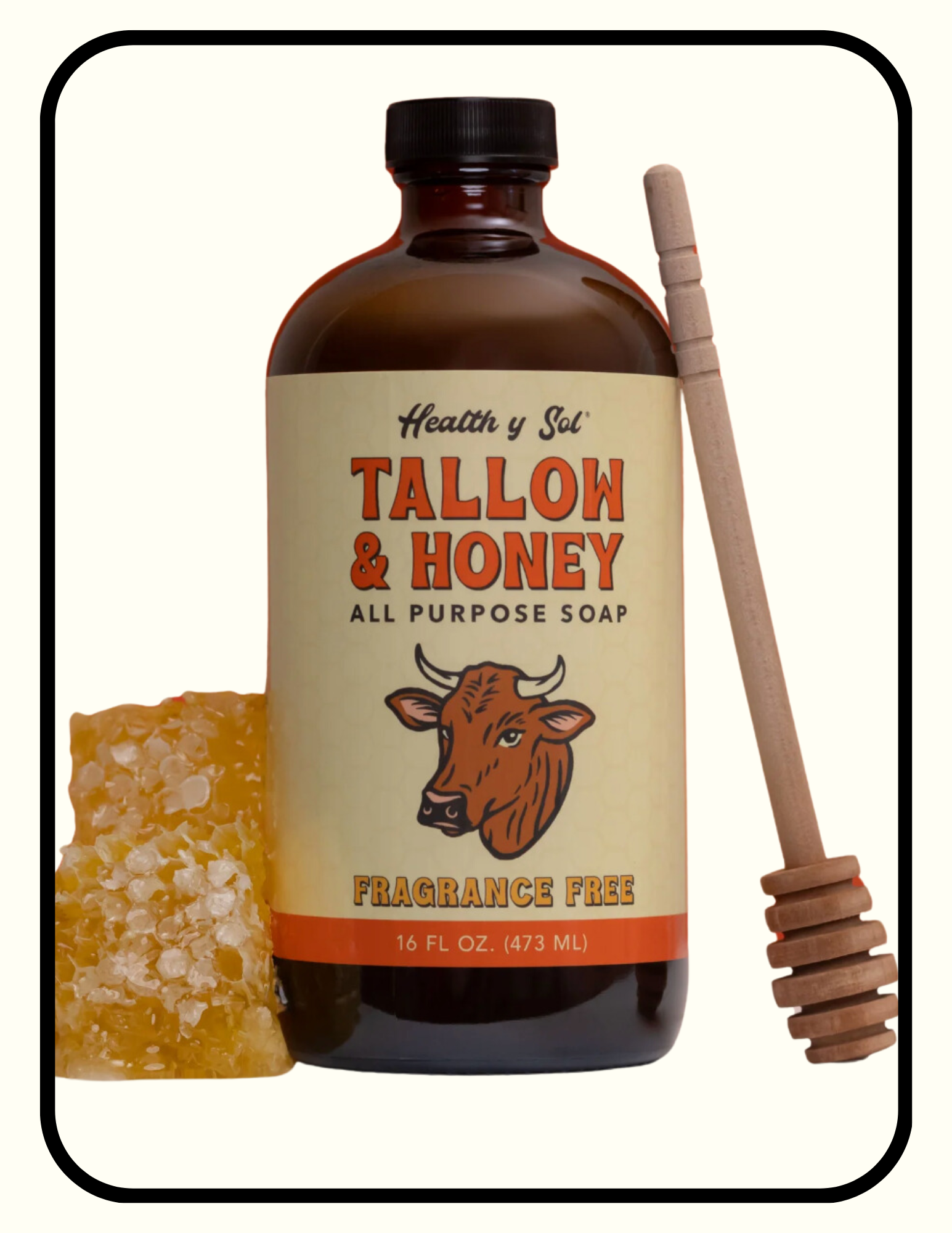
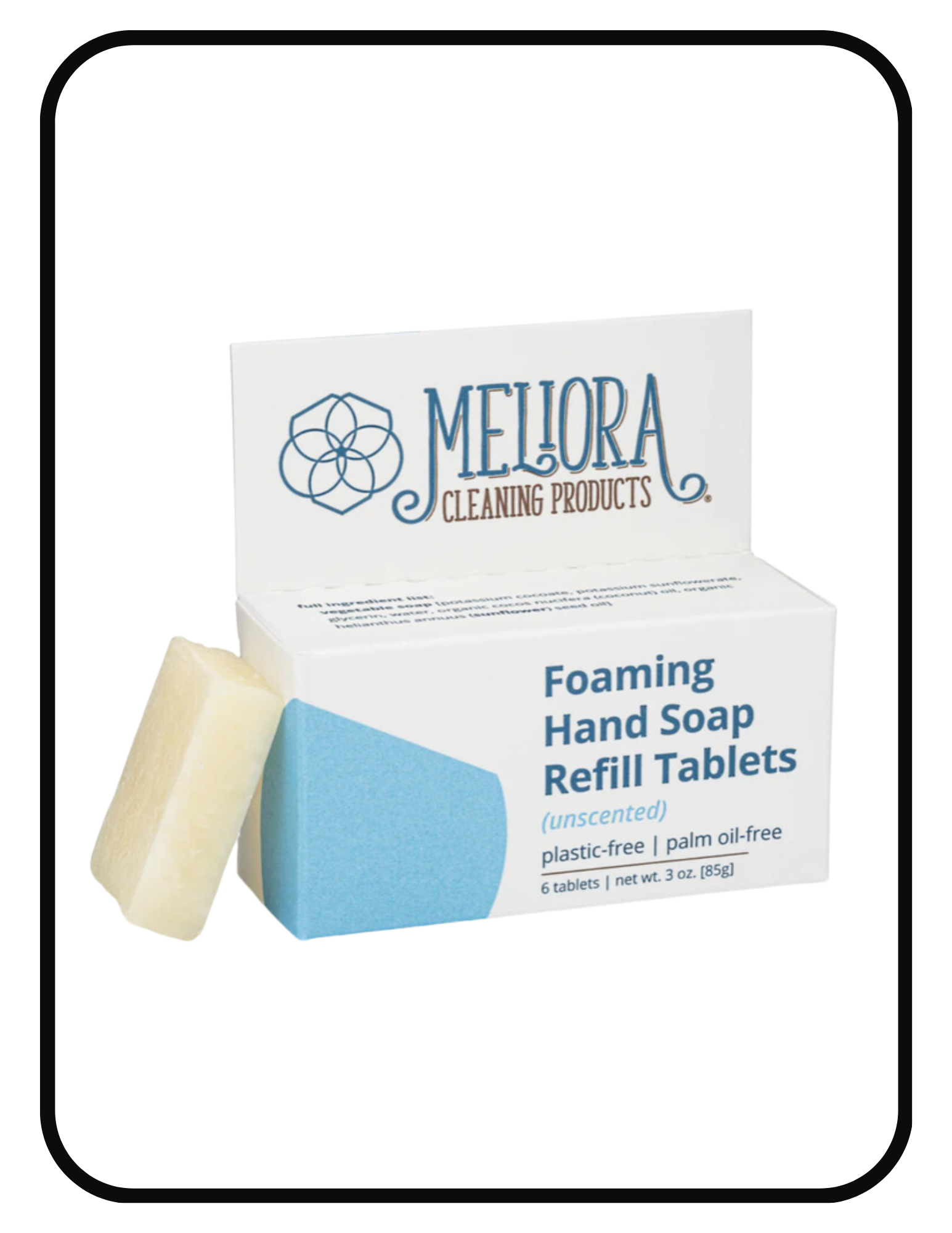
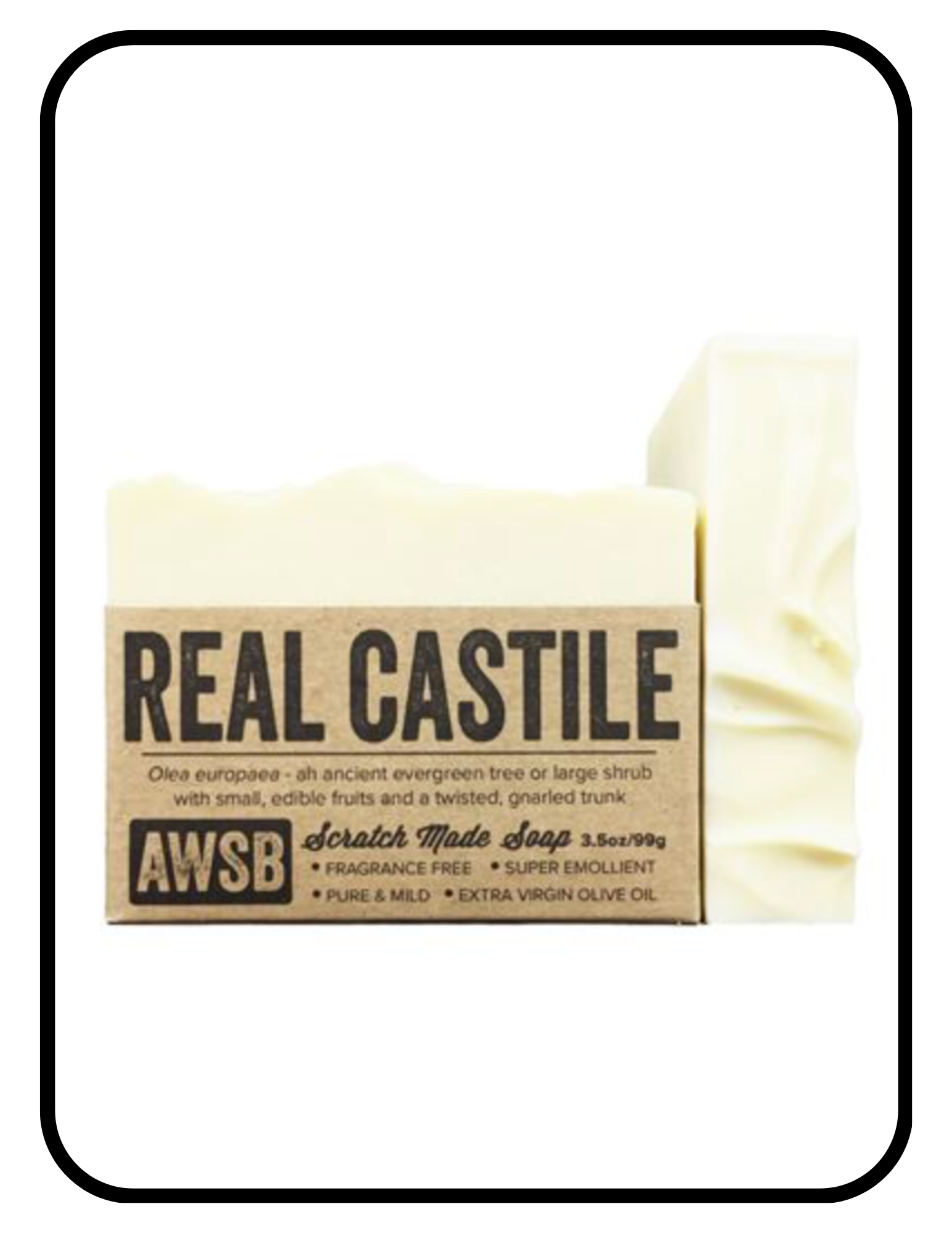
The best non toxic hand soap if you like bars. As minimal as you can get. This unscented bar of soap is made of 100% saponified olive oil. No additives whatsoever. Vegan, and great if you have a coconut allergy, since many soaps include coconut. Check their prices on their online shop here or on Amazon here.

Meliora offers foaming soap tabs for pump dispensers, shown above, as well as bars of soap, both made with the same simple ingredients lists: saponified vegetable oils and glycerin. Super transparent, and synthetics- and plastic- free.
Health Y Sol
Made with just honey and saponified tallow, olive, coconut, and castor oils, this can be used as a hand soap, or comes with instructions for dilution for laundry, hair and dishes. They offer glass foaming soap pump bottles, too.
Don’t see what you’re looking for? Request a review, or check it yourself in seconds with the Second Opinion Product Checker. Spot something outdated? Let me know and I’ll update it. Join the spam-free newsletter for interesting info and to hear when new reviews are up.
FYI, “non-toxic” has no official definition, so I rate every product with the same method. It’s built on third-party certifications and published test data, not brand claims. For a deeper dive, my free course walks you through it.
Everything on Interior Medicine is educational information, not medical advice. Read my full disclaimer.
More Healthy Design For You




FAQ: More About Organic Hand Soap
What is a saponified oil?
A saponified oil is soap. Saponification has been around for thousands of years (humans discovered soap-making around 2800 BC). Historically, animal fat was mixed with potassium hydroxide (lye) which came from the ash of burnt wood, and the reaction created an ultra-simple soap. We still use this process today, though more often with vegetable fats. Letting a bar of soap fully cure after saponification means letting it rest long enough to ensure all of the lye has reacted completely with the fat. This means no lye is left; the entire thing has been turned into a new substance: soap. Any remaining fat in the soap acts as a moisturizer. You can also make soap with non-solid fats, like olive oil (castile soap), coconut oil, or other vegetable oils.