
Product Reviews ➜ Air Quality Tools
Indoor Air Quality Tools: Your Complete Guide to Clean Air at Home
By Dr. Meg Christensen | Updated January 2026
Read the guide below, or click on a category to shop for the best indoor air quality tools.


Air Purifiers for PM 2.5 and VOCs
Indoor Air Quality Monitors


Most Accurate Radon Detectors
Healthiest Space Heaters

Mold-Free Humidifiers
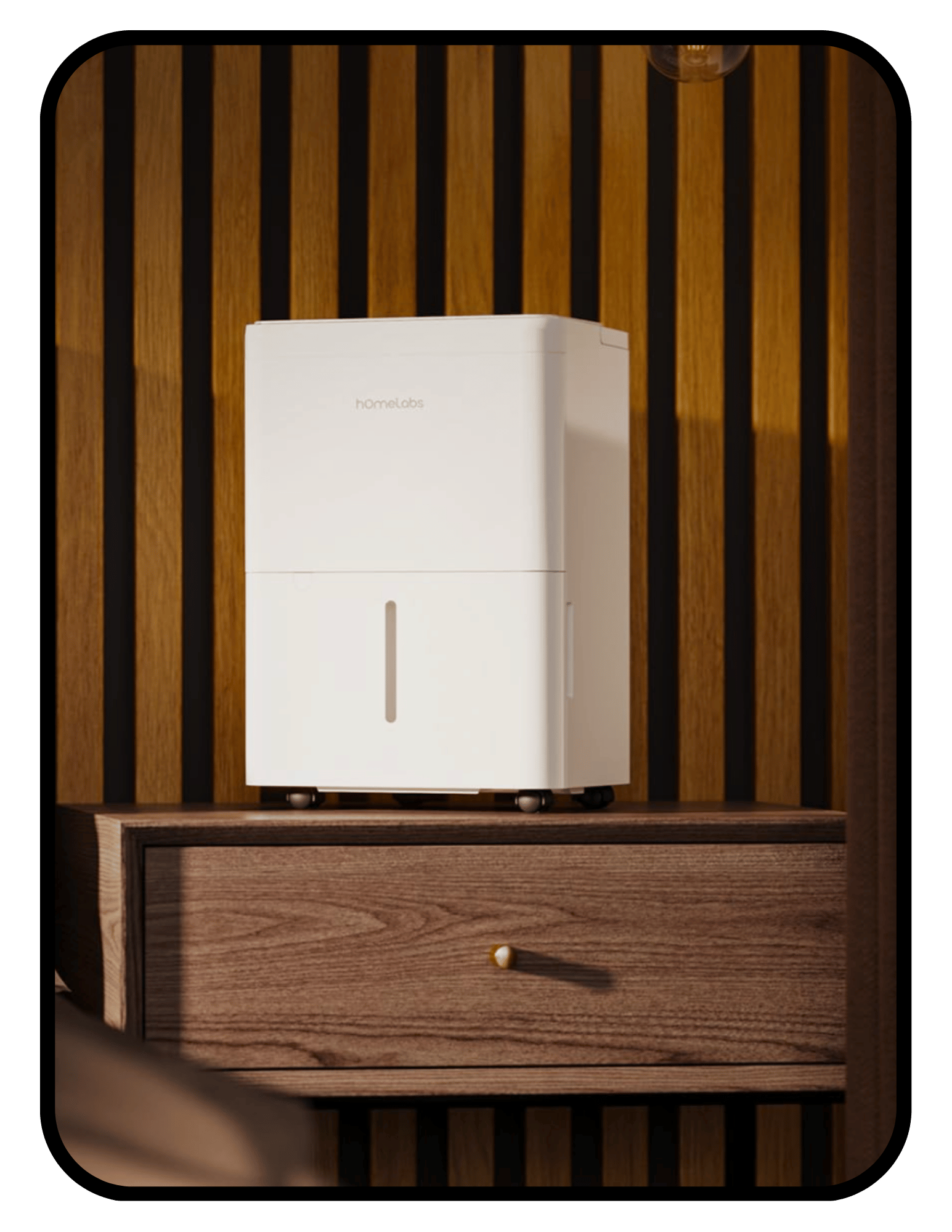
Dehumidifiers

Non-Toxic Home Fragrance
VOC-Absorbing Wall Paint

Furniture That Doesn’t Off-Gas
Coming Soon: Induction Stovetops
Why Your Indoor Air Quality Matters So Much
Always and forever at the top of my Top 5 list, your indoor air quality is the single-most important thing you can take care of for a healthier home.
You take 20,000 breaths you take daily, and if you’re like most people, you likely spend more than 90% of your time indoors, where air is two to five times more polluted than outdoor air on average— and up to 100 times more.
We often think our indoor air is clean, but even when it doesn’t feel stuffy or smelly, it’s still likely more polluted than you think. Although you can’t see it, indoor air contains particulate matter (PM 2.5) from cooking and gas combustion — the same PM 2.5 that wildfires create. It contains volatile organic compounds (VOCs) from furniture, building materials, and daily personal care products. It harbors allergens like dust mites and pet dander, mold spores in poorly ventilated or excessively humid environments, and radon gas seeping from soil beneath homes. Unlike outdoor pollution, which disperses across large areas, indoor contaminants accumulate in enclosed spaces where you sleep, work, and spend time with family.
The health effects of poor indoor air quality are both immediate and cumulative. Fine particulate matter (PM2.5) exposure increases heart disease risk and contributes to thousands (!) of premature deaths every year. Cooking on gas stoves releases nitrogen dioxide at levels that would be illegal outdoors, with children in homes using gas for cooking experiencing 42% higher lifetime asthma risk. Volatile organic compounds from furniture, flooring, and building materials contribute to the chemical burden, with formaldehyde classified as a known human carcinogen by the International Agency for Research on Cancer. Radon exposure remains the second leading cause of lung cancer after smoking. Short-term exposure causes headaches, fatigue, eye and throat irritation, and worsening of asthma or allergies, while chronic exposure compounds into serious disease over decades. Children, elderly adults, and people with existing respiratory conditions face heightened vulnerability, but everyone benefits from cleaner indoor air.
Improving indoor air quality requires a comprehensive approach. I recommend combining removal, monitoring, and prevention. Air purifiers remove particulates and some gaseous pollutants, air quality monitors reveal which contaminants are actually present in your home, radon monitors detect this invisible carcinogen, humidifiers and dehumidifiers maintain optimal moisture levels to prevent respiratory irritation and mold growth, heaters that don't off-gas or recirculate dust maintain warmth without compromising air quality, and thoughtful choices about fragrance, paint, furniture, and cooking appliances reduce the sources of harmful VOCs. The goal is measurable improvement in the air you breathe daily.
This guide focuses on tools that address indoor air quality directly—the equipment and products that remove pollutants, monitor air conditions, maintain healthy humidity levels, or prevent contamination. These complement other strategies like proper ventilation and source control to create genuinely healthier indoor environments.
Three Main Concerns for Indoor Air Quality
1. Particulate Matter and Gas Combustion (PM2.5, PM10, and Nitrogen Dioxide)
Particulate matter consists of tiny airborne particles. PM10 particles are 10 micrometers or smaller and are irritating— think of pollen or pet dander. PM2.5 particles (2.5 micrometers or smaller) are more dangerous because they cause inflammation and oxidative stress in lung tissue and are small enough to pass through the lining, enter your bloodstream, and cause issues throughout the body. Major indoor sources include cooking (especially frying and high-heat methods), gas stove combustion, candles and incense, fireplaces and wood stoves, outdoor pollution entering through windows and ventilation systems, pet dander, and household dust. Long-term regular PM2.5 exposure is linked to cardiovascular disease, stroke, respiratory infections, and premature death.
Gas stoves and other gas appliances create a secondary but equally serious threat through nitrogen dioxide (NO2) emissions. When natural gas burns, it releases NO2 at concentrations that frequently exceed EPA outdoor air quality standards—except there are no indoor standards to protect you. This combustion byproduct irritates airways, reduces lung function, and significantly increases asthma risk in children. Switching to electric or induction cooking eliminates NO2 from cooking, and dramatically reduces indoor levels overall, providing one of the most impactful indoor air quality improvements possible.
2. Volatile Organic Compounds (VOCs) and Indoor Air Pollution from Products
VOCs are gases emitted from solid or liquid materials throughout your home. Common sources include furniture made with composite wood, particle board, and conventional adhesives, new carpeting and flooring, paint and finishes, synthetic air fresheners and scented candles, cleaning products, personal care products, and building materials like insulation and sealants. Short-term VOC exposure causes headaches, dizziness, eye and throat irritation, and nausea. Long-term exposure to certain VOCs (like formaldehyde and benzene) increases cancer risk, impairs liver and kidney function, and damages the central nervous system. New homes and recently renovated spaces typically have the highest VOC concentrations, but off-gassing continues for months to years depending on the materials. Choosing furniture made with solid wood, zero-VOC finishes, and non-toxic adhesives prevents pollution at the source rather than trying to remove it after the fact.
3. Humidity Extremes and Mold Growth
Indoor humidity levels directly affect both comfort and health. Air that's too dry (below 30% relative humidity) irritates respiratory passages, dries out skin and mucous membranes, increases susceptibility to infections, and worsens conditions like asthma and eczema. Air that's too humid (above 60% relative humidity) promotes mold and dust mite proliferation, both of which trigger allergies and respiratory problems. The ideal range is 30-50% relative humidity year-round. Maintaining this range requires different strategies depending on climate and season—humidifiers add moisture in dry winter months or arid climates, while dehumidifiers remove excess moisture in humid summer months or damp basements. Proper humidity control is foundational to indoor air quality, as it prevents secondary problems like mold growth that create additional airborne contaminants.
How to Prioritize Indoor Air Quality Improvements
Check for radon first (at least once, if not continuously), then clean up your indoor air with daily removal methods, monitor progress, and over time, prevent by removing more of the sources.
1. Test for Radon (FIRST - Invisible Carcinogen)
Radon testing comes first because it's the only way to detect this invisible, odorless carcinogen—the second leading cause of lung cancer after smoking. You should test your home for radon regardless of location, age, or who owns it (even if you live in an apartment complex) as concentrations vary dramatically even between neighboring houses. Short-term tests (2-7 days) provide initial screening, while long-term tests (90+ days) give more accurate average levels. If elevated radon is detected, mitigation systems reduce levels by 90% or more. It can literally save your life. Here are the radon test kits and monitors I recommend, including information on accessing free ones, depending on what city or state you live in.
2. Add Air Purifiers in High-Use Spaces (Active Particulate and VOC Removal)
Air purifiers with true HEPA filters remove 99.97% of particles 0.3 micrometers in size, capturing PM2.5, allergens, mold spores, and pet dander. Units with substantial amounts of activated carbon also adsorb VOCs and odors. Prioritize purifiers in bedrooms (where you spend 7-9 hours nightly) and main living areas. Air purifiers address ongoing pollution from cooking, outdoor air infiltration, and off-gassing materials. I recommend air purifiers with the ability to remove both PM 2.5 and VOCs.
3. Monitor Your Actual Air Quality (Understand What You're Dealing With)
Air quality monitors reveal which pollutants are actually present and at what levels, preventing you from wasting money on solutions that don't address your specific problems. Look for monitors that measure PM2.5 (particulate matter), VOCs, CO2, temperature, and humidity. Real-time data shows how cooking, cleaning, ventilation, and outdoor air affect your indoor environment, allowing you to make targeted improvements rather than guessing. The issue is, many air quality monitors are not accurate at all— here are the ones that are, with testing to prove it.
4. Maintain Optimal Humidity Year-Round (Prevent Mold and Respiratory Irritation)
Humidifiers prevent overly dry air in winter or arid climates, reducing respiratory irritation, nosebleeds, dry skin, and static electricity. Aim for 30-50% relative humidity. Choose models that are easy to clean thoroughly to prevent mold and bacteria growth in the unit itself—dishwasher-safe components or filterless stainless steel designs work best. Dehumidifiers remove excess moisture in humid climates, damp basements, or during muggy summer months, preventing mold growth and dust mite proliferation. Proper humidity control is foundational to preventing secondary air quality problems.
5. Choose Low-VOC or Zero-VOC Products (Prevent Pollution at the Source)
Preventing VOC emissions from happening in the first place is more effective than trying to remove them after release. When painting, choose zero-VOC paints that don't off-gas formaldehyde, benzene, or other harmful compounds. For home fragrance, use 100% pure essential oils or nothing at all—synthetic fragrances and most scented candles release phthalates, aldehydes, and other VOCs. When selecting furniture, choose solid wood pieces with non-toxic finishes and adhesives rather than composite materials that off-gas formaldehyde for years. If you cook with gas, switching to electric or induction eliminates nitrogen dioxide and lowers particulate emissions from combustion. In short, source control eliminates the problem rather than managing it.
6. Heat Without Compromising Air Quality (Winter Comfort Without Dust or Off-Gassing)
Space heaters vary dramatically in how they affect indoor air. Radiant heaters and far-infrared panels warm objects and people directly without blowing dust around, making them ideal for people with allergies or asthma. They’re more expensive upfront but give you long-term energy savings, as well. Convection heaters circulate air, which can redistribute dust and allergens. If using a heater-purifier combo, verify it has legitimate CADR ratings for air cleaning, not just a filter as an afterthought.
Radon Monitors: Check for This Invisible Carcinogen First
Radon is a radioactive gas that you cannot see, smell, or taste, making testing the only way to detect it. Radon monitors range from short-term passive tests (charcoal canisters that sit for 2-7 days and get mailed to a lab) to long-term digital monitors that provide continuous readings. Long-term monitoring (90+ days) gives more accurate average radon levels since concentrations fluctuate with weather, ventilation, and seasonal changes.
All homes should be tested for radon regardless of geographic location or building age. If elevated radon is detected (above 4 pCi/L), professional mitigation systems reduce levels dramatically by venting radon from beneath the foundation before it enters living spaces. Continuous monitors provide ongoing verification that mitigation systems continue working effectively.
Air Purifiers: Remove Particulates, VOCs, and Allergens
Air purifiers actively clean indoor air by removing particulate matter, volatile organic compounds, allergens, and some gaseous pollutants. The most effective units combine true HEPA filtration for particles with activated carbon for VOCs and odors. Clean Air Delivery Rate (CADR) indicates how quickly and effectively a purifier cleans air in a specific room size—higher CADR means better performance. Run air purifiers continuously in bedrooms and high-use spaces for maximum benefit.
When choosing an air purifier, verify it has legitimate third-party testing rather than just marketing claims (there is sooooo much healthwashing in the air purifier industry, since air is invisible and claims are easy to make!) Match the unit's capacity to your room size for effective air exchange.
Air Quality Monitors: Measure PM2.5, VOCs, CO2, and Humidity
Air quality monitors provide real-time data on invisible pollutants, revealing which contaminants are actually present and at what concentrations. This prevents wasted effort on problems you don't have while highlighting issues you didn't know existed. Quality monitors measure PM2.5 (fine particulate matter), VOCs (volatile organic compounds), CO2 (carbon dioxide as a ventilation indicator), temperature, and humidity. Historical data tracking shows patterns over time and how activities like cooking or cleaning affect air quality. You might be surprised by what shows up! I use one in my kitchen and am amazed by how much activity cooking generates, as well as one in my home office to track CO2 levels for when I’m getting sleepy.
Look for monitors with calibrated sensors rather than generic detectors that provide relative readings without absolute accuracy. Third-party verification or detailed specifications about sensor types indicate more reliable devices, which is important when it comes to invisible measurements. There are very few validated monitors, but I list the most accurate ones available.
Humidifiers: Add Moisture to Prevent Dry Air Irritation
Humidifiers add moisture to indoor air when humidity drops below 30%, which commonly occurs during winter heating or in arid climates. Dry air irritates respiratory passages, dries nasal membranes (increasing infection susceptibility), worsens asthma and eczema, causes static electricity, and damages wood furniture and flooring. The ideal indoor humidity range is 30-50% relative humidity.
The main concern with humidifiers is preventing mold and bacterial growth inside the unit itself, which then becomes an air quality problem. Look for designs that are easy to clean thoroughly—dishwasher-safe components, filterless stainless steel construction, or other clever features that prevent water stagnation.
Dehumidifiers: Remove Excess Moisture to Prevent Mold (Coming Soon)
Dehumidifiers extract moisture from indoor air when humidity exceeds 50-60%, which promotes mold growth, dust mite proliferation, and general stuffiness. Excess humidity occurs in humid climates, in basements and crawl spaces, and in poorly ventilated bathrooms and kitchens. Chronic high humidity damages building materials, creates musty odors, and significantly worsens indoor air quality through mold spore release and dust mite allergen production.
Dehumidifiers are rated by the pints of moisture they remove per 24 hours and the square footage they can effectively dehumidify. Basement and whole-home models handle larger spaces and higher moisture loads than portable units. Built-in humidistats automatically maintain target humidity levels without constant manual adjustment, though since they’re sensing the air immediately around them, a separate air quality monitor across the room is helpful, too.
Space Heaters: Stay Warm Without Dust Circulation or Off-Gassing
Space heaters maintain thermal comfort in cold weather, but many designs negatively affect indoor air quality by circulating dust, releasing VOCs from heated synthetic coatings, or drying out air excessively. Radiant heaters warm objects and people directly through infrared radiation without moving air, making them ideal for people with allergies or asthma. Far-infrared panels mimic sauna-style gentle warmth and can be wall-mounted to save floor space. Oil-filled radiators provide even, silent heat without fan noise or air circulation.
When selecting a space heater, prioritize metal construction over plastic that may off-gas when heated. Most residential heaters are made with PTFE (Teflon) in the components inside, but don't reach temperatures high enough for PTFE breakdown, and you aren’t exposed to them, but if a manufacturer can verify it’s PFAS-free, that’s a bonus.

Induction Cooktops: Eliminate Combustion Pollution at the Source
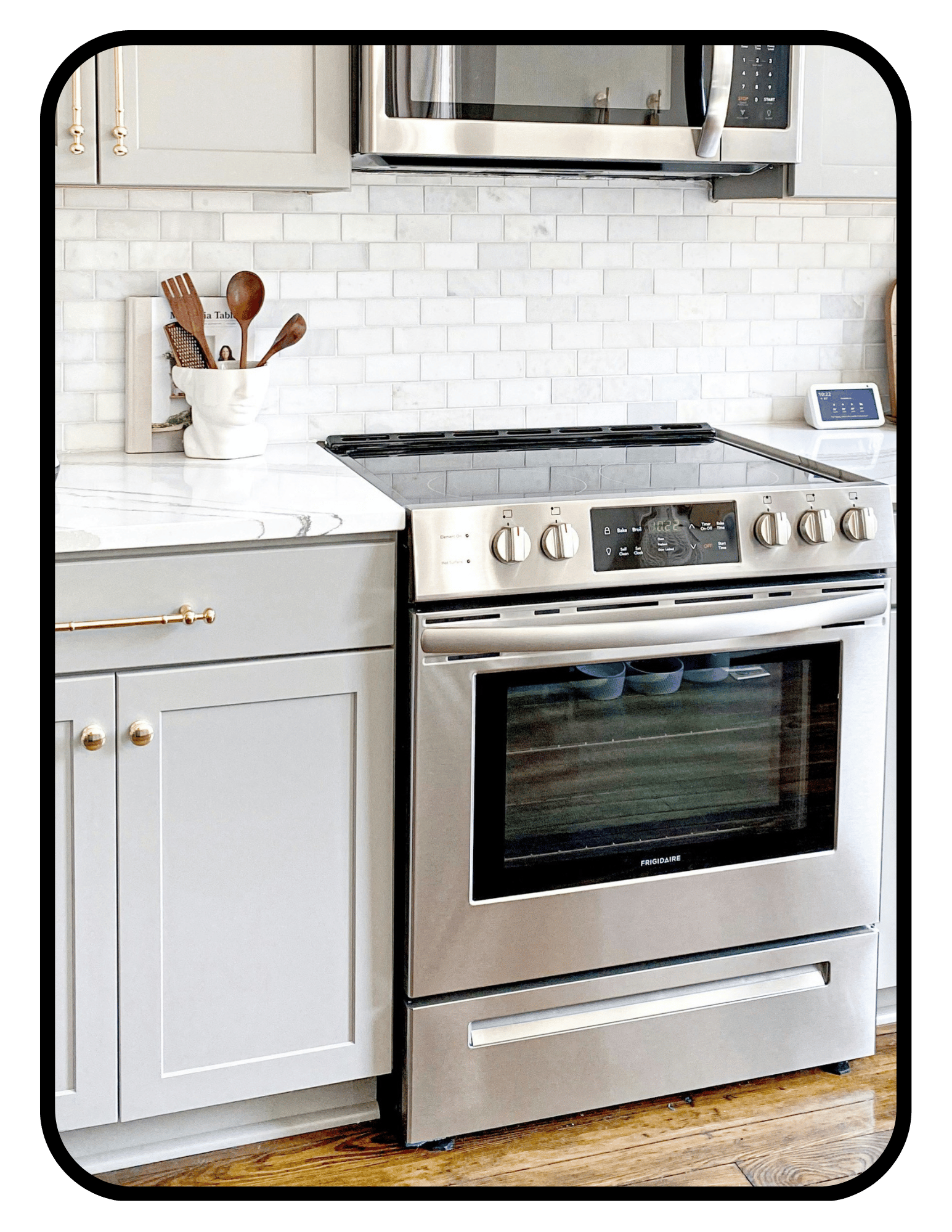
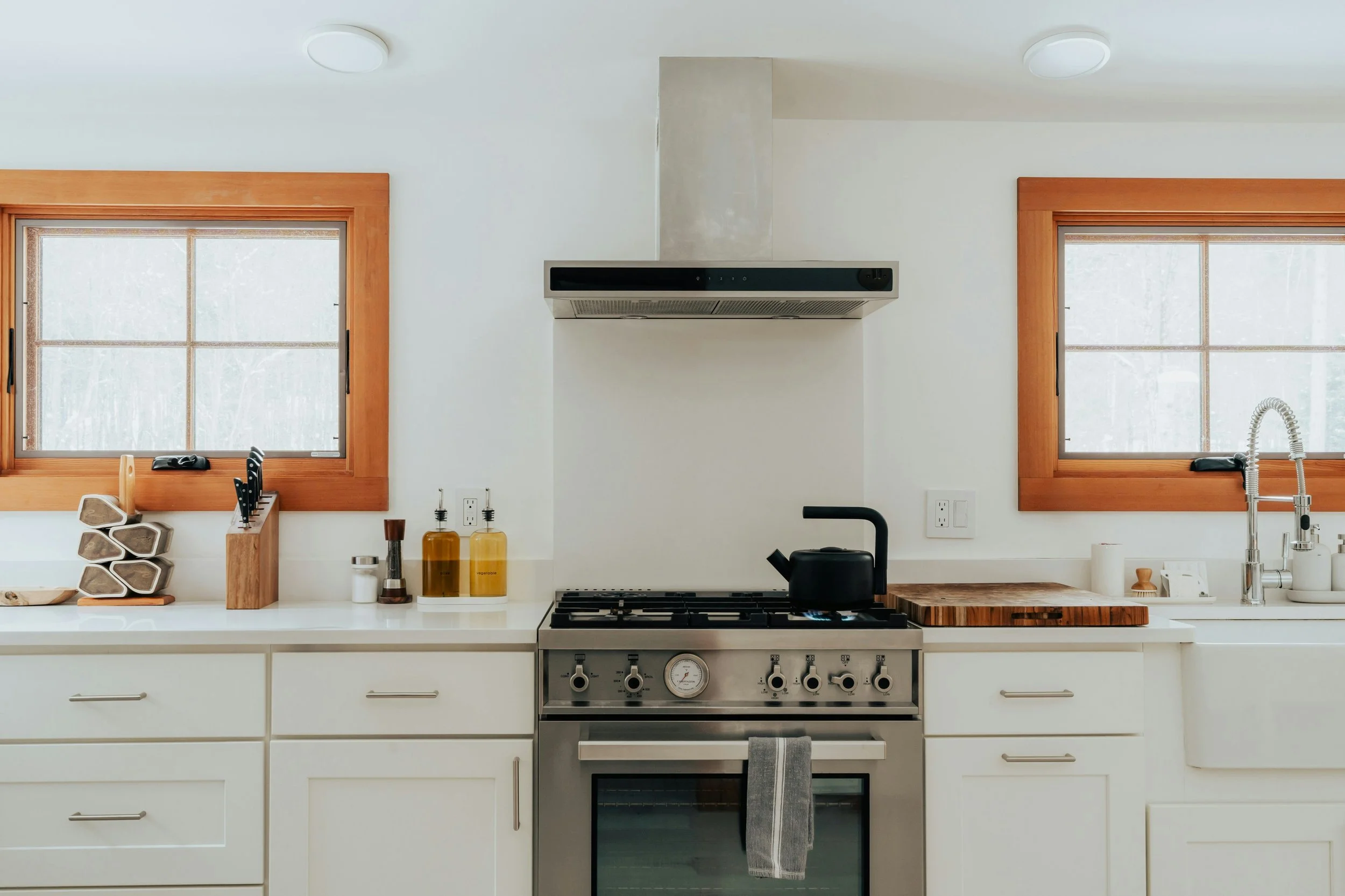
Gas stoves are one of the largest sources of indoor air pollution, releasing nitrogen dioxide, carbon monoxide, formaldehyde, and fine particulate matter every time you cook. These combustion byproducts reach concentrations that would violate EPA outdoor air quality standards, yet most people cook in enclosed kitchens without industrial-grade ventilation. The health effects are particularly severe for children, who experience significantly elevated asthma risk when exposed to gas stove emissions during critical developmental years.
Cooking with an induction cooktop eliminates all combustion pollution by heating cookware directly on the surface, rather than burning fuel. There are no flames, and no combustion byproducts. If you haven’t cooked on one before, induction cooktops are quite different than electric ones— they heat very quickly and very precisely. They’re more expensive upfront than electric, but offer a very nice cooking experience.
Like glass top electric, they also have the advantage of easier cleanup, and you can use either without compromising your respiratory health.
Switching from gas to induction is one of the single most effective indoor air quality improvements you can make, particularly if you cook frequently or have children in the home. The elimination of daily combustion exposure provides immediate and lasting health benefits.
View Induction Cooktops ➜ (Coming Soon)

Non-Toxic Furniture: Prevent VOC Off-Gassing from Composite Materials
Furniture is often overlooked as an indoor air quality concern, yet it represents one of the largest and longest-lasting sources of VOC emissions in homes. Conventional furniture made with particle board, MDF, and plywood releases formaldehyde continuously for months to years through off-gassing. The adhesives binding these composite materials together contain urea-formaldehyde resins that break down slowly at room temperature, releasing this known carcinogen into your indoor air. Synthetic finishes, stains containing heavy solvents, and polyurethane foam cushioning add additional VOCs including benzene, toluene, and various phthalates.
Non-toxic furniture eliminates these emission sources through material selection. Solid wood construction avoids composite materials entirely, while zero-VOC finishes made from plant oils provide protection without chemical off-gassing. Non-toxic adhesives—or better yet, traditional joinery techniques—hold furniture together without formaldehyde exposure. For upholstered furniture, natural latex foam and organic cotton or wool upholstery replace synthetic foams and polyester fabrics that release both microplastics and VOCs.
The difference in indoor air quality between conventional and non-toxic furniture is measurable and significant. Choosing solid wood or metal furniture with transparent material sourcing prevents years of cumulative VOC exposure. I rounded up a list of reliable brands that focus on truly healthier furniture, without healthwashing.
Low-VOC and Zero-VOC Paint: Prevent Off-Gassing at the Source
Paint is one of the largest sources of VOC emissions during home renovations and redecorating. Traditional paints release formaldehyde, benzene, toluene, and other volatile organic compounds that off-gas for weeks to months after application. Zero-VOC paints eliminate these emissions by using water-based formulations without toxic solvents, providing equivalent coverage and durability without the health risks or chemical smell.
Some paints go beyond zero-VOC to actively absorb and neutralize airborne VOCs from other sources like furniture and flooring. These air-purifying paints use minerals or activated carbon technology embedded in the paint film to trap VOCs, providing both passive and active air quality improvement. When repainting, choose certified zero-VOC products and ensure adequate ventilation during and after application even with low-VOC formulations.
Non-Toxic Home Fragrance: Scent Without Synthetic Chemicals
Most commercial air fresheners, scented candles, and fragrance products release phthalates, synthetic musks, and other VOCs that contribute significantly to indoor air pollution. "Fragrance" on ingredient lists can contain dozens of undisclosed chemicals, many of which are respiratory irritants or endocrine disruptors. These products create the perception of "clean" air while actually degrading air quality.
Non-toxic alternatives include 100% pure essential oils used in diffusers (not synthetic fragrance oils), natural beeswax or soy candles scented only with essential oils, and simply opening windows for fresh air circulation. You might find that improving actual air quality through purification and source control eliminates the need for artificial fragrance entirely. If you enjoy scent, ensure products disclose complete ingredient lists and contain only plant-derived essential oils without synthetic additives.
Creating Healthier Indoor Air Quality
Even if you don’t take any of my advice above, just opening your windows daily can improve your indoor air! Whatever combination you implement, you should notice fewer allergy symptoms, fewer headaches, better sleep, and generally improved wellbeing within weeks of implementing basic air quality strategies. The long-term health benefits—reduced cardiovascular risk, lower cancer incidence, and better respiratory function—compound over decades of reduced exposure to indoor air pollutants, too.



Product Reviews ➜ Air Quality Tools