
Non Toxic Laundry
Non toxic laundry detergents that actually work, bleach alternatives, accessories, and some history about laundry detergents at the bottom.
By Dr. Meg Christensen | Physician-founder of Interior Medicine, a non-toxic home resource built on her background in medicine, biochemistry, epidemiology, and clinical research.

Updated May 1, 2026

Non-Toxic Laundry Detergents
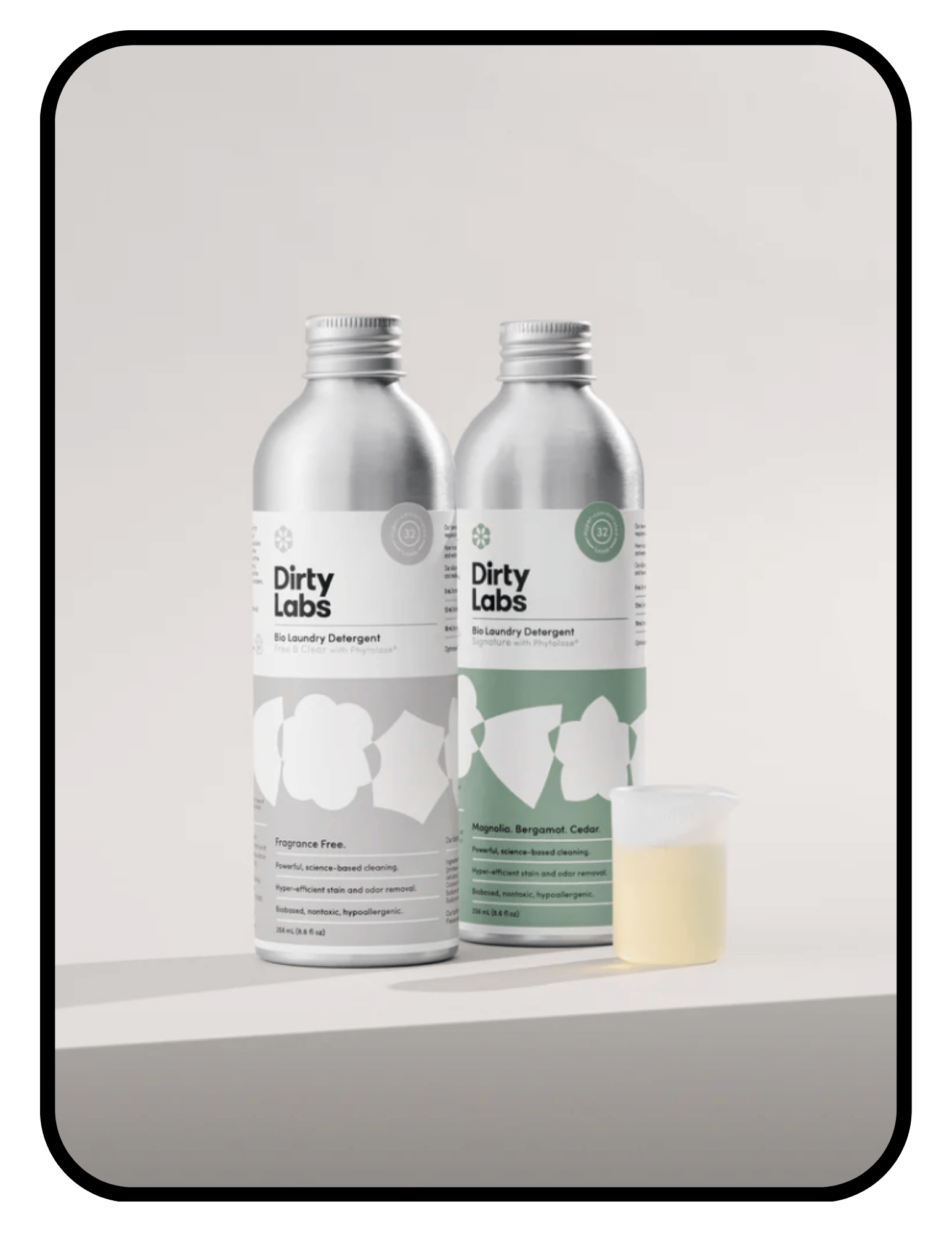
The free and clear version of Dirty Labs’ phytolase detergent has EWG verification, is good for sensitive skin, and has consistently good ratings for effectiveness. Their scented varieties are what made them popular — bergamot, cedar, yuzu— and while their scenting is imperfectly healthy, they are great about transparency, have a full list of ingredients for each one, and are free of Prop 65 and EU fragrance restricted substances. Far less mysterious than Mrs Meyers or Grove Co’s branded options, which I appreciate. Depending on your priorities, these can be a good balance between health and trendy scenting.
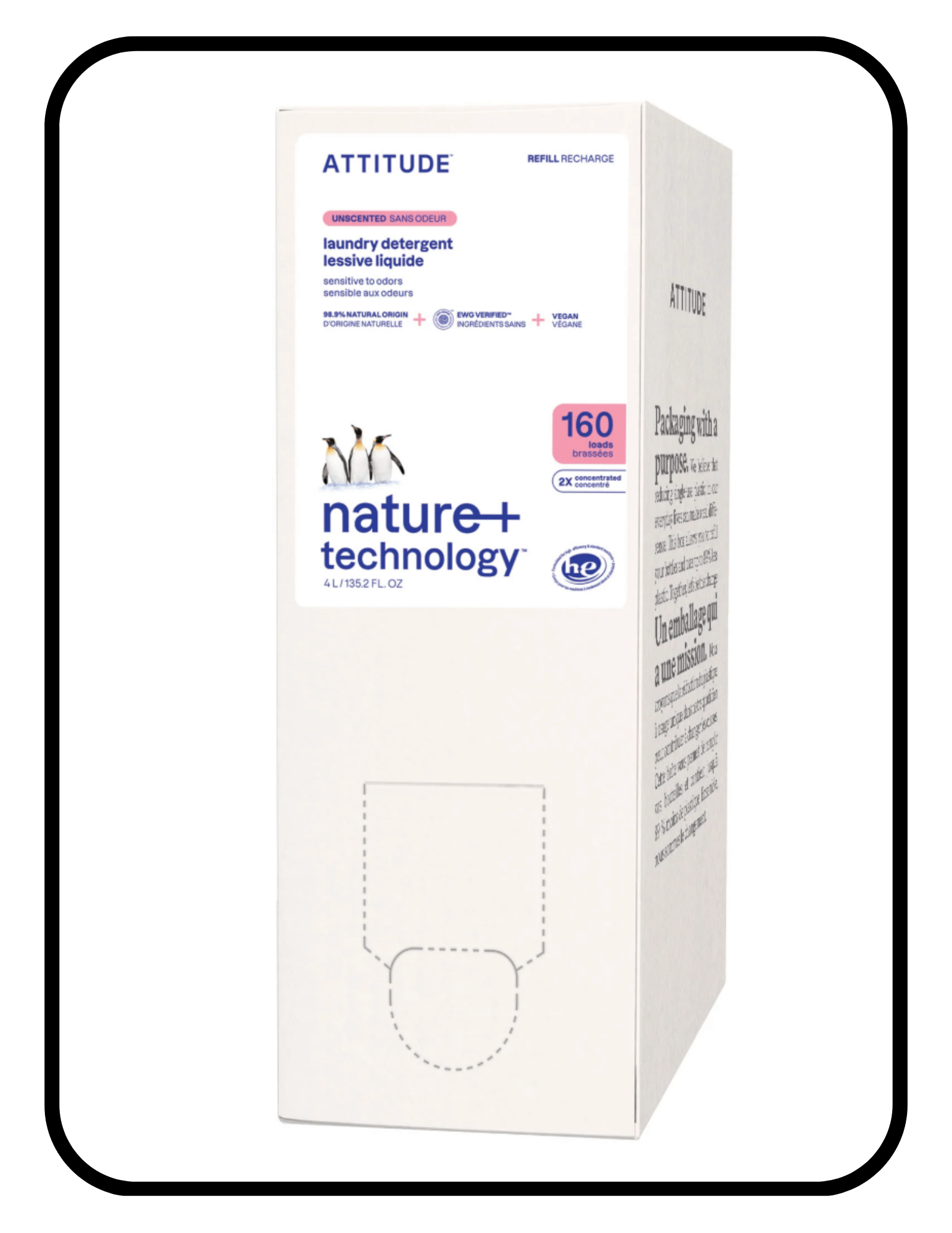
Attitude’s unscented laundry detergent is EWG Verified and consistently gets 5 star reviews across many platforms for how effective it is. They also have a sensitive baby detergent made with oatmeal that’s highly rated. It’s refill option comes in a cardboard box with a spigot so you can cut down on the huge amount of environmental waste that plastic laundry detergent bottles create. Both eco-friendly and human-friendly.
Organic Soap Nuts
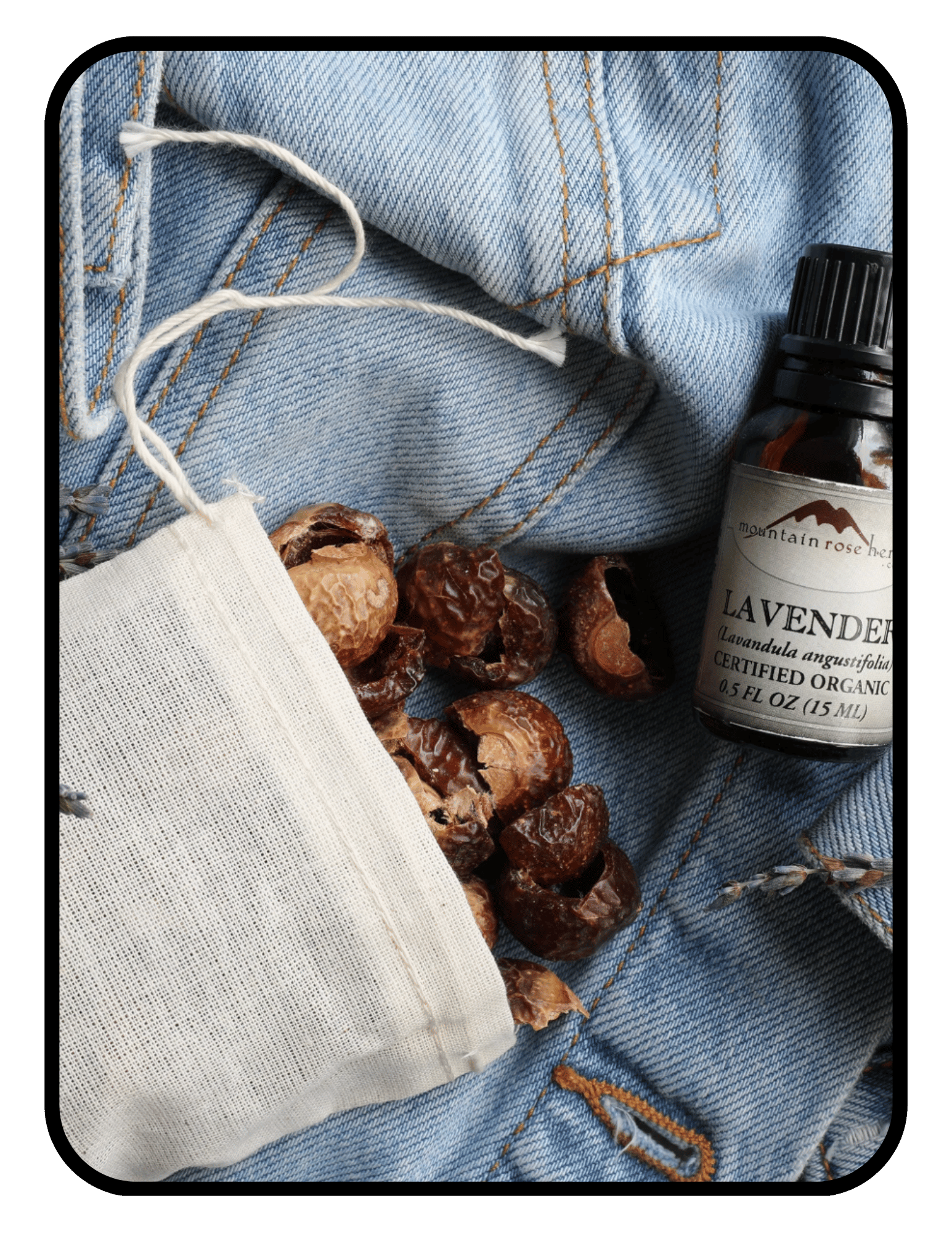
Also called soapberries or wash nuts, these dried berries are related to lychee, and naturally have saponin, a soapy layer, in their skin. When water is added, they create a gentle foam and can be used as a super mild detergent that doesn’t irritate eczema or other skin conditions. They’re capable of cleaning clothes, but over time will leave a film on them, as soap reacts with the minerals in water to create scum. Most people notice that they have less power than modern detergents—laundry chemistry actually advanced in the 1960s to prevent this exact issue (read more below.) That said, it doesn’t have to be all-or-nothing. You can use ultra-natural soap nuts most of the time, and do a more aggressive load occasionally, or whatever works for you. I think they can be a nice option to have in your healthy laundry rotation.
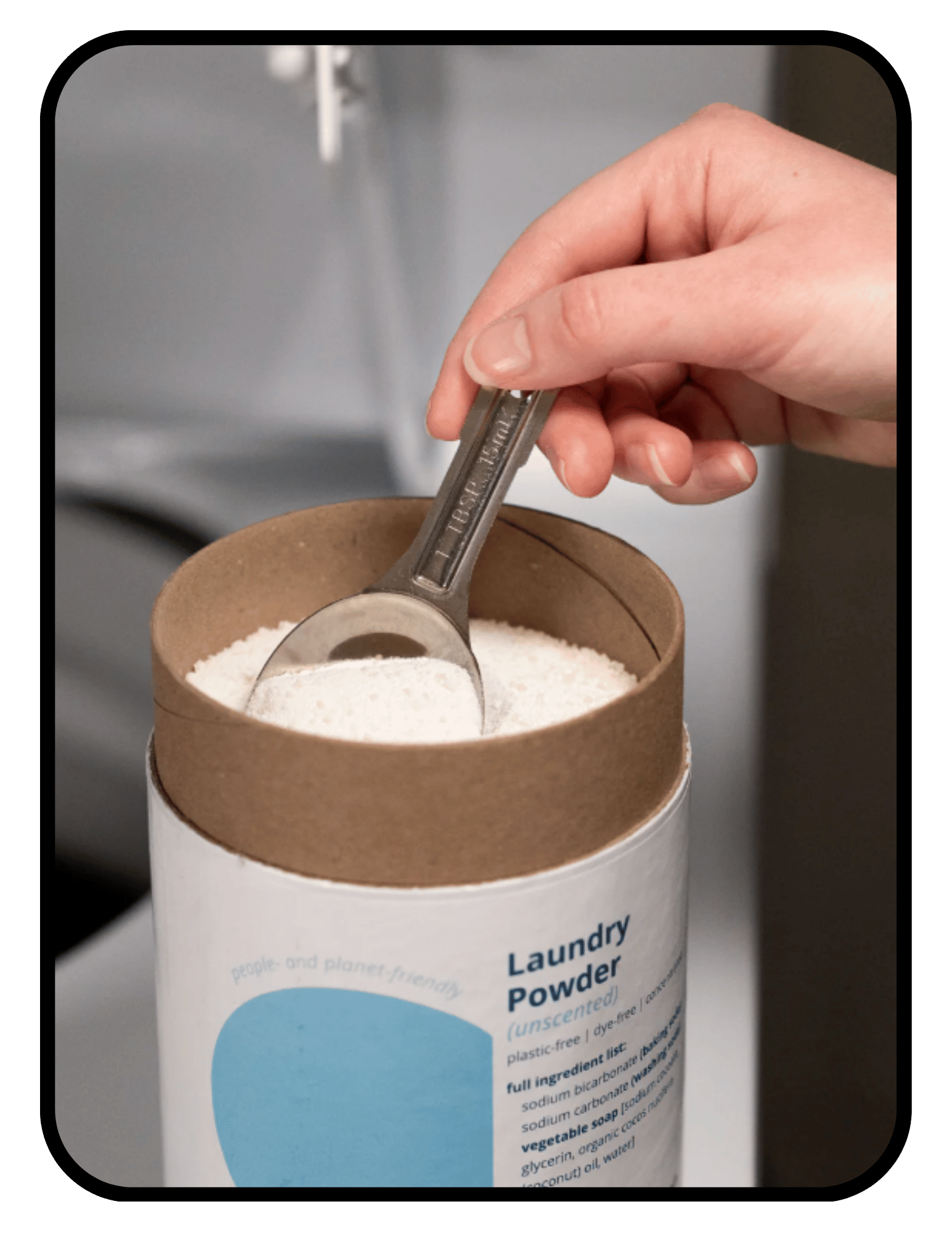
Laundry powder is a very healthy and sustainable option— it’s easily stored in a completely plastic-free containers, doesn’t require any preservatives because it’s shelf-stable, and works well in standard, HE, top load, and front load washers. It also tends to be more affordable— and it’s making a comeback in the US after being more popular abroad in the last few decades. Meliora’s is around 13 cents per load and it’s made with a super minimal ingredients list. All are rated A in EWG and come in unscented or lightly scented with essential oil varieties like lemon and lavender.
Pre-Wash Stain Removers
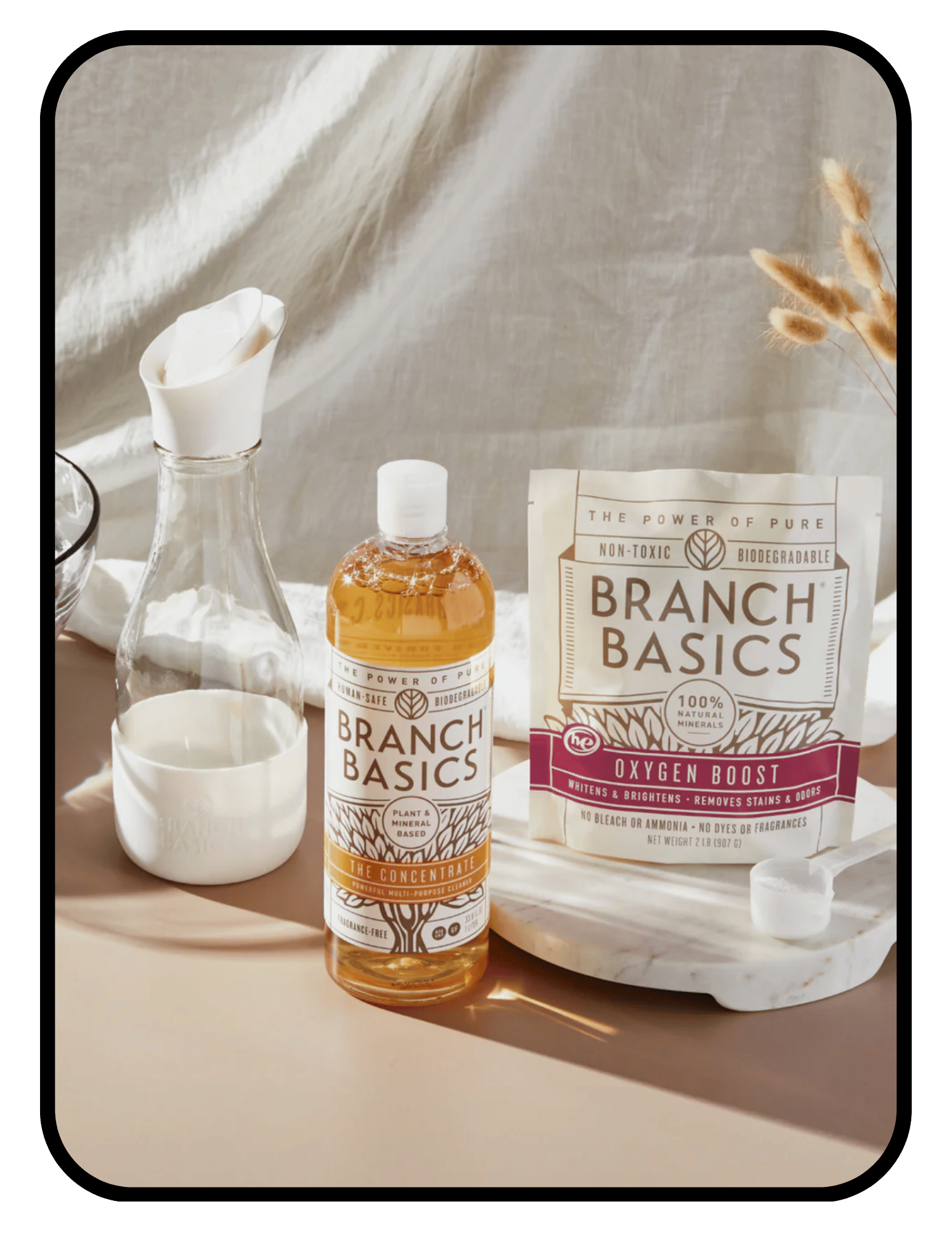
The BB Concentrate and Oxygen Boost have replaced bleach in my house, and this combination works amazingly well. One word of caution— patch test with the oxygen boost before you use it— it’s strong and I learned the hard way it can remove color sometimes. For those stains, I stick with just the concentrate. The oxygen boost is EWG Verified and the concentrate is grade A; both are fragrance free.
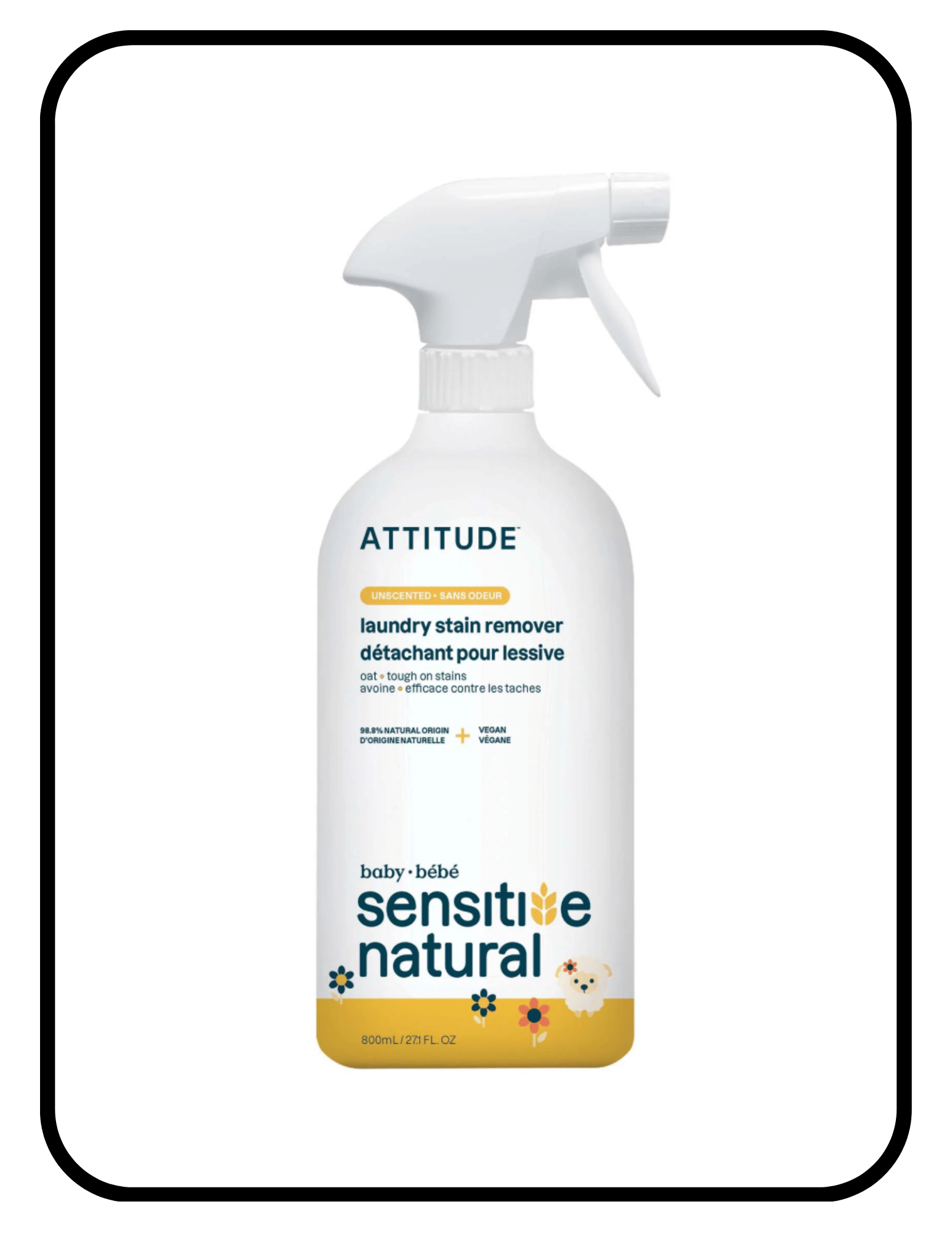
Color safe, gentle enough for babies and those with chemical sensitivities, Attitude’s laundry stain remover uses vegetable based surfactants. It’s dermatologically tested and highly rated across many platforms. EWG grade A.

Laundry Accessories
Most delicates bags are made from synthetic fibers, adding to the problem of microplastic pollution from the washing machine. Coyuchi’s aren’t! They’re made from undyed organic cotton and come in sizes from small to extra large.
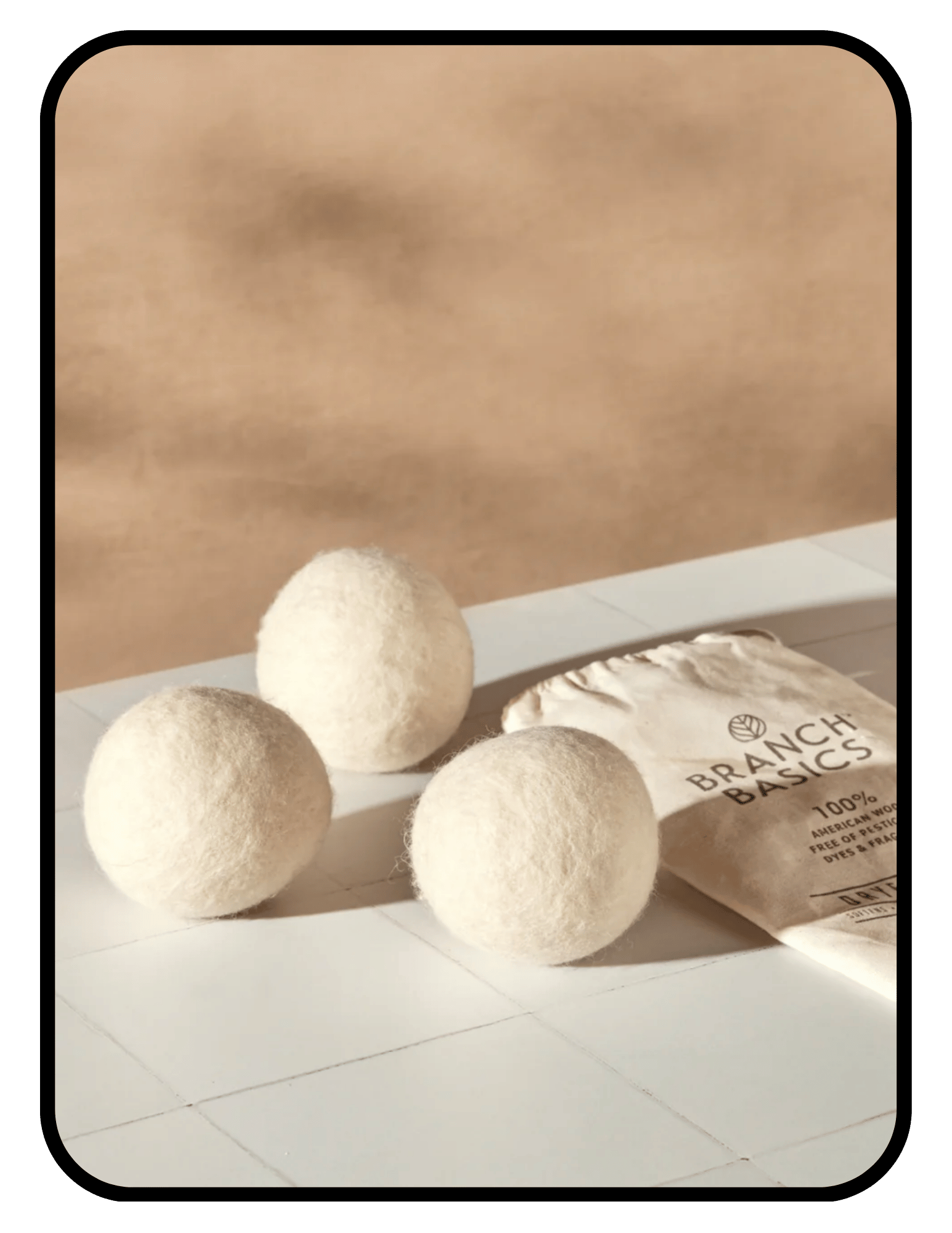
If you haven’t already switched from dryer sheets to wool balls, they’re great. Branch Basics makes ones with wool from an organic farm in North Carolina. I appreciate the transparency of their sourcing.
Looking for something specific? If you don't see the product or brand you're curious about, you can request a review here, or run it through the Second Opinion Product Checker to evaluate it yourself. Want to go deeper? My free course covers how to evaluate any product's materials yourself.
Join the Newsletter
Join the Newsletter
More Healthy Design For You
Cleaning Sprays
Non Toxic Bedding

Organic Pillows for Healthy Sleep
Pots and Pans

More About Non-Toxic Laundry
Why is laundry detergent chemistry more complicated than other cleaners?
For two reasons: first, because regular soap reacts with the minerals in water and creates scum, which gets left behind on clothes. And second, a soap and water mixture is generally not strong enough to remove stains that have settled into the fibers of clothing.
I think the history is helpful in understanding modern laundry detergents. I got it from Chemical and Engineering News: until World War I, people washed their clothes with regular soap (which is made by mixing potassium hydroxide, or lye, with fats or oils.) But, during the war, people weren’t able to obtain enough natural fats and oils to make laundry soap, so a German lab created a replacement— a synthetic surfactant. And, it worked really well — it didn’t leave a film (scum) on clothing washed in hard water like regular soap did. It caught on, and after the war, Proctor and Gamble in the US re-created the German surfactant, and sold it as Dreft powder starting in 1931. It was the first synthetic laundry detergent made and sold in the US. The next big step in innovation was how to clean heavily soiled laundry. Proctor and Gamble came up with a chemical called sodium tripolyphosphate, and together, the powdered mixture became Tide. That was in 1946, and Tide is still the leading detergent today, though it obviously now has even more ingredients.
Why choose a powder vs liquid laundry detergent?
Laundry powder is a very healthy and sustainable option— it’s easily stored in a completely plastic-free containers, doesn’t require any preservatives because it’s shelf-stable, and works well in standard, HE, top load, and front load washers. It also tends to be more affordable— and it’s making a comeback in the US after being more popular abroad in the last few decades.
Why are some of the ingredients lists on some of the detergents you recommend unpronounceable?
Sodium hypochlorite is one of the most toxic ingredients in cleaners, sodium oleate is one of the safest, dihydrogen oxide is the chemical term for water, and so on. When it comes to liquid products, the pronounceability of the ingredients doesn’t equate with how healthy they are.
Add in the complex chemistry of mixtures, and that ingredients list becomes incredibly nuanced, and I defer expertise on hazards to EWG and ECHA.
Is the EWG reliable?
I do not blindly trust the EWG, and I am very aware of the complaints that they apply hazard assessments inconsistently. I also know that they are doing hazard assessments, not risk assessments, and I know how different these things are. In fact, I wrote about it at length in my course, What “Non-Toxic” Actually Means!
I am using the EWG despite these issues, as a baseline for understanding safety because I am not a chemist. Pretending I understand complex liquid chemical combinations would be a misrepresentation of my knowledge, and it’s beyond my scope. While avoiding every hazard can be silly, since we have to consider exposure, dose, dose-response, and our individual susceptibility in a true risk assessment of how that spray will affect us, I fall back on the basic hazard data until better risk assessments are available.