
Light Quality: A Doctor’s Complete Guide to Using Circadian Rhythm Supportive Light at Home
Read the guide below, or click on a category to shop for healthier lighting for your home.


Bright Light Therapy
Full Spectrum Bulbs

Amber Light for Sleep
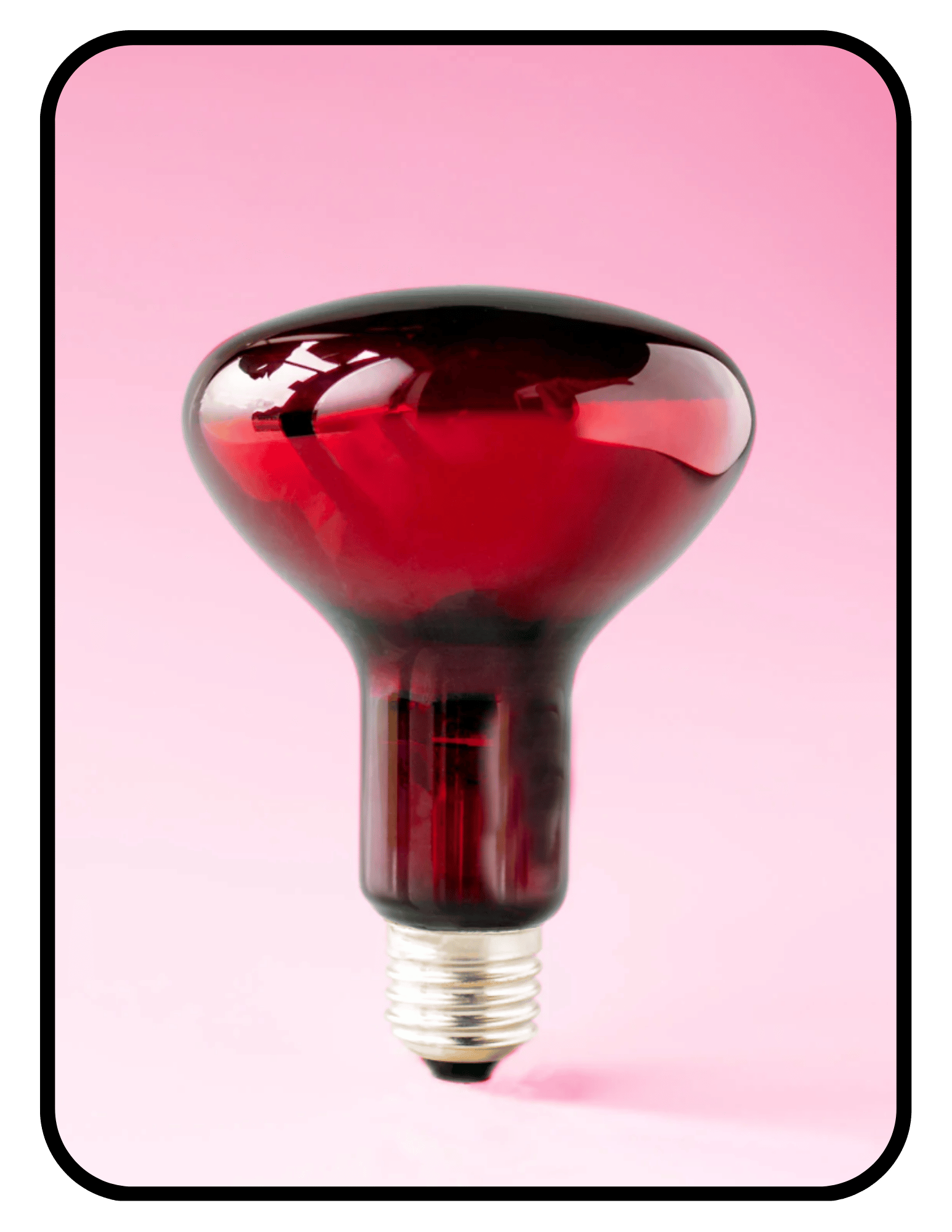
Red Light for Sleep
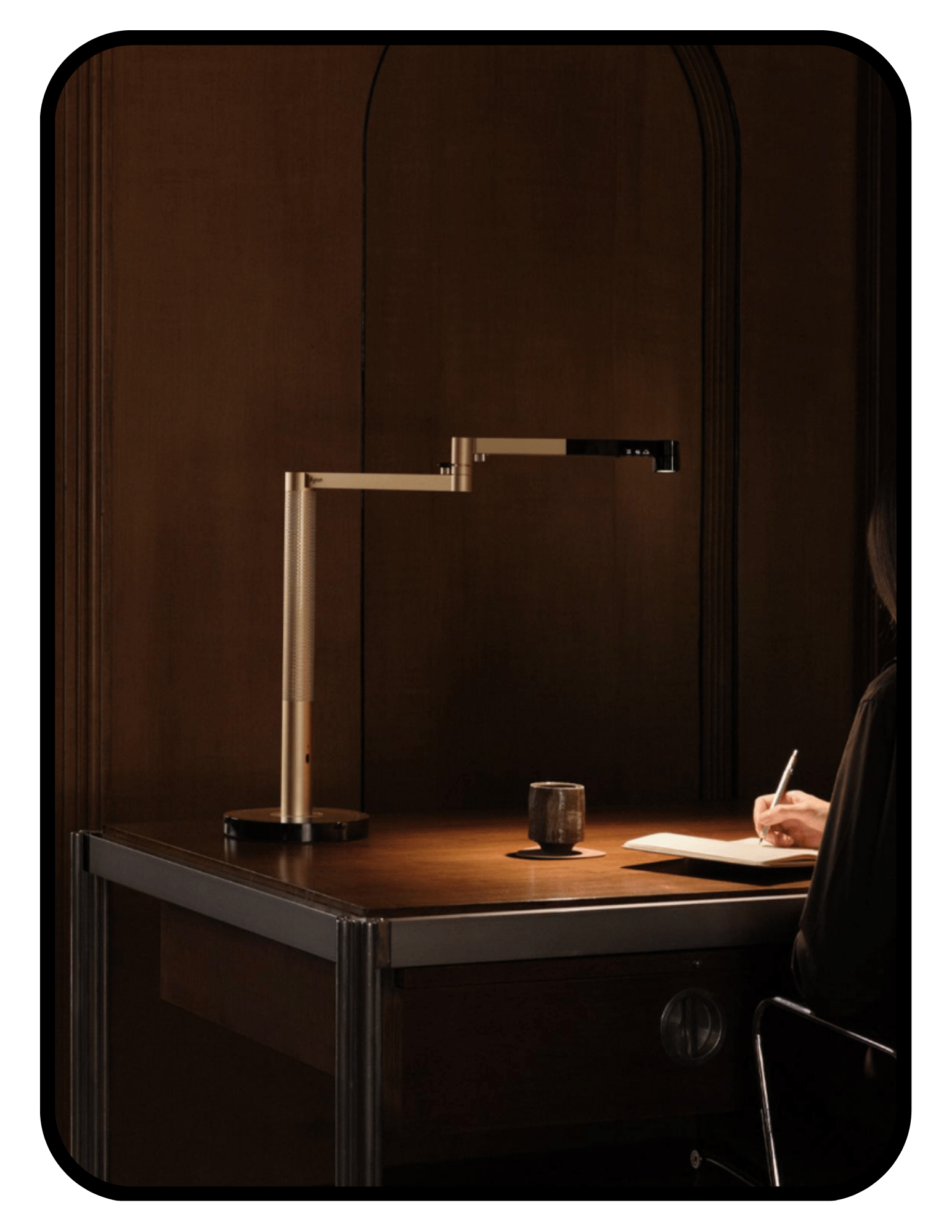
Smart Circadian Lighting
Sunrise Alarm Clocks


Blackout Curtains
Green Light Therapy
How Light Quality Affects Your Health
Light exposure controls your entire circadian rhythm—your body's internal 24-hour clock that regulates not just sleep, but also hormone production, blood pressure, body weight, metabolism, immune function, and cellular repair.
For hundreds of thousands of years, human biology evolved with dynamic light exposure: bright, full-spectrum sunlight during the day transitioning to dim, red-shifted light at sunset and complete darkness at night. Different wavelengths of light—blue, green, amber, red—affect your body in distinct ways depending on timing, intensity, and therapeutic application.
Your circadian rhythm is controlled primarily through specialized eye cells most sensitive to blue light wavelengths around 480 nanometers. Blue light is essential for health when encountered at the right time: morning blue light wakes you up, strengthens your circadian rhythm, improves mood and cognitive performance, and ensures proper melatonin release 12-16 hours later, making you feel sleepy at just the right time for a good night’s sleep. This is why bright morning light exposure—whether from sunlight or light therapy boxes—is therapeutically effective for seasonal affective disorder, delayed sleep disorders, and general circadian anchoring. The problem isn't blue light itself, but blue light at the wrong time. Evening blue light from LED bulbs and screens suppresses melatonin production, delays sleep onset, and disrupts the hormonal cascade that depends on circadian timing.
Beyond circadian management, different light wavelengths serve therapeutic purposes. Red and near-infrared light (630-850nm) penetrate deeply into tissues to support wound healing, reduce inflammation, and potentially aid muscle recovery. Green light wavelengths show promise for migraine relief and pain management in emerging research. The key is matching light wavelength, intensity, and timing to your specific health goals rather than viewing all artificial light as universally harmful or beneficial.
The consequences of poor light timing are both immediate and cumulative. Insufficient bright light during the day weakens circadian anchoring, contributing to seasonal depression, metabolic dysfunction, and sleep-wake instability. Evening light exposure—particularly blue and green wavelengths—delays melatonin onset by hours, causing difficulty falling asleep and reducing total sleep time. Even dim ambient light during sleep (just 5 lux) measurably disrupts clock gene expression, suppresses overnight melatonin, and alters metabolic function. Long-term circadian misalignment contributes to cardiovascular disease, obesity, diabetes, weakened immune function, and elevated cancer risk—particularly breast and prostate cancers strongly associated with nighttime light exposure.
Optimizing light quality at home means strategically using different wavelengths throughout the day to support your biology:
Use bright light therapy, full spectrum light bulbs, and blue-rich light during morning and daytime hours to anchor your circadian rhythm, improve alertness, and support mood
Transition to warmer, lower-blue light in late afternoon and early evening to mimic natural sunset
Switch to amber or red light bulbs 2-3 hours before bed to allow natural melatonin production while maintaining functional visibility
Create complete darkness during sleep with blackout curtains—ideally less than 5 lux—using only red lights for nighttime navigation if needed
Consider therapeutic light applications like red light therapy for skin health and tissue repair, or green light therapy for migraine management
This systematic approach to light exposure throughout the day supports healthy circadian function while leveraging light's therapeutic potential, improving your sleep, mood, alertness, and long-term health.
Background Info About Circadian Rhythm, Light, and Bulb Types
Before diving into changes you can make at home for healthier lighting, here is a lot of background information first, starting with this visual of the spectrum of wavelengths of light, in case it helps with the rest of this guide:
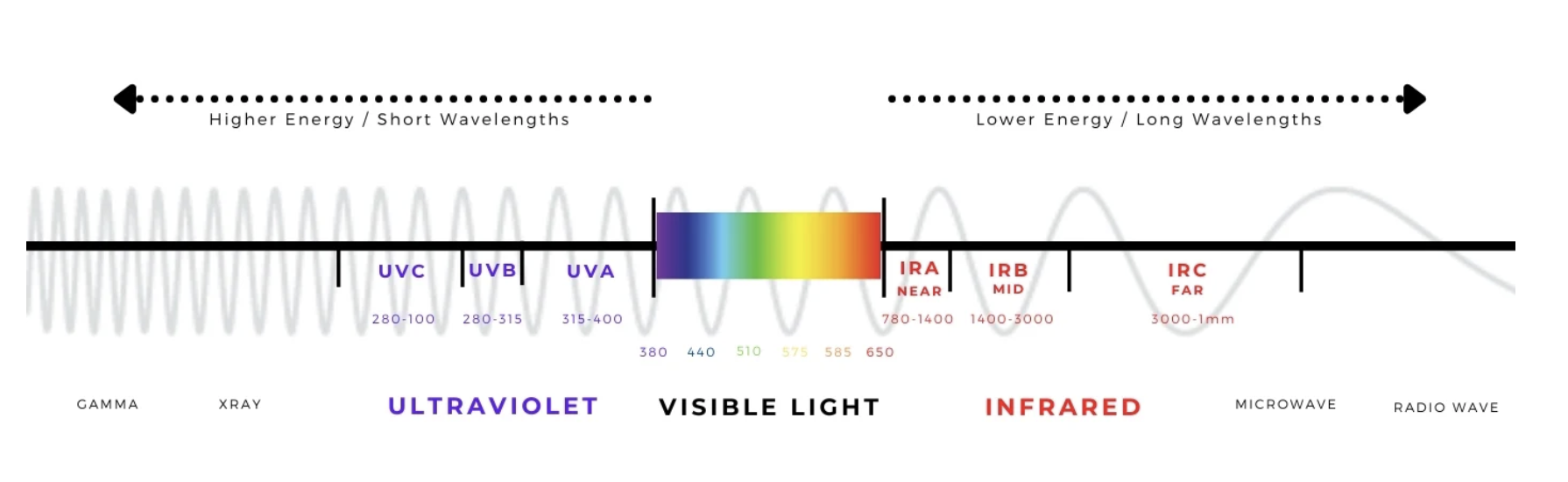
Source: HealthLighting.com
What is the circadian rhythm?
Your circadian rhythm is your body's internal 24-hour clock that regulates sleep-wake cycles, and much more. It is also responsible for the rhythms in hormone production, metabolism, immune function, cardiovascular activity, and cellular repair processes. This biological timing system evolved over hundreds of thousands of years to synchronize with the natural light-dark cycle created by Earth's rotation. Your circadian clock is controlled by a master pacemaker in your brain, which receives direct input from specialized light-detecting cells in your eyes.
What controls the circadian rhythm?
Light exposure, especially early morning blue light exposure from the sun, is the #1 controller of your circadian rhythm, with effects mediated through intrinsically photosensitive retinal ganglion cells (ipRGCs) in your eyes. These specialized photoreceptors contain melanopsin, which is a photopigment most sensitive to blue wavelengths around 480 nanometers. When blue light hits these cells, they send signals directly to the SCN in your brain, which then coordinates circadian timing throughout your entire body. This is why blue light exposure has such powerful effects on sleep and wakefulness—it's a direct, hardwired signal telling your brain what time of day it is.
Importantly, your circadian system responds to light intensity as well as wavelength. Very bright light (10,000+ lux) creates stronger circadian signals than dim light, even at the same color temperature. This is why morning sunlight exposure is so effective at anchoring your circadian rhythm—it provides both high intensity and appropriate spectral content. Other factors including meal timing, physical activity, social interaction, and temperature also influence circadian rhythm, but light exposure remains the most powerful and easily manipulated input.
What is the natural light spectrum throughout the day?
Natural sunlight changes dramatically in both intensity and spectral composition throughout the day. At noon, sunlight provides a smooth, balanced spectrum across all visible wavelengths from violet through red, with super strong intensity (50,000-100,000 lux). This midday light contains substantial blue wavelengths that suppress melatonin and signal peak daytime to your circadian system.
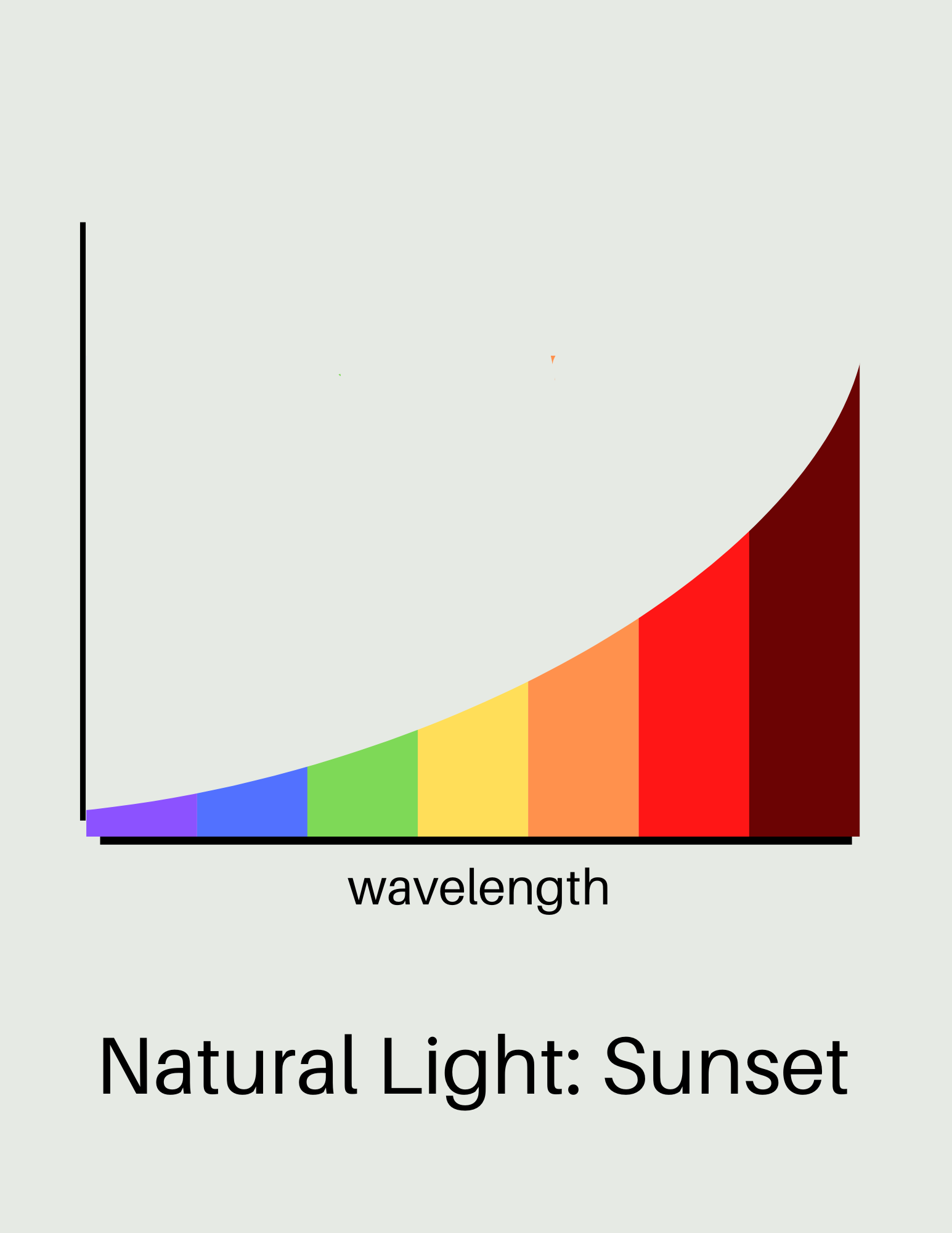
As the sun moves toward the horizon, both intensity and spectral composition change. Evening sunlight becomes much less intense (dropping to 1,000 lux or less) and shifts toward longer wavelengths, toward yellow and red and away from blue, as shorter blue wavelengths scatter in the atmosphere. Sunset provides predominantly red and orange wavelengths with very little blue, naturally permitting melatonin onset. After dark, the only potential natural light sources are fire and moonlight—fire provides primarily red wavelengths in a smooth spectrum, while moonlight (reflected sunlight) is quite dim and contains all wavelengths but at intensities too low to significantly suppress melatonin in most people. This natural pattern—bright blue-rich light during day, dim red-shifted light at evening, darkness at night—is what our circadian systems evolved to expect and function optimally within.
Is blue light bad for you?
No, not at the right time of day, and it is essential for your health to get blue light in the morning. Morning and daytime blue light exposure suppresses melatonin (keeping you alert), strengthens circadian amplitude (making the difference between day and night more distinct), improves mood and cognitive performance, and supports proper circadian timing. Sunlight contains a significant amount of blue wavelengths, and this natural exposure during daylight hours is necessary.
Blue light has the strongest impact on your circadian rhythm.
That also means that blue light is bad for you during evening and nighttime hours when your body should be preparing for sleep. Even relatively dim blue light in the evening suppresses melatonin production, delays sleep onset, reduces sleep quality, and shifts your entire circadian rhythm later. Chronic evening blue light exposure from screens, LED lights, and other modern sources contributes to insomnia, mood disorders, metabolic dysfunction, and increased disease risk. The solution is not to eliminate blue light entirely but to limit it to appropriate daytime hours while using blue-free amber or red light in the evening
Is blue light an endocrine disruptor?
Yes, if used excessively or at the wrong time. While the term endocrine disruptors usually refers to BPA, phthalates, PFAS, and other chemicals that interfere with your hormones, artificial blue light used at night also disturbs your hormone production, including melatonin and cortisol. The field of chronobiology is studying the impacts of blue light on our circadian rhythm and entire bodies, including hormone health.
Does blue light affect sex hormones?
Yes, your circadian rhythm is very closely intertwined with your endocrine system. Melatonin and cortisol (the hormones that blue light first impacts) are intimately linked with your reproductive hormones:
Low melatonin is linked with poor fertility in women. Melatonin is an antioxidant that improves egg quality, improves embryo implantation, and reduces risks of immune rejection and spontaneous pregnancy loss.
Blue light exposure at night is linked with a decline in sperm quality.
Blue light, especially bright blue light, raises cortisol, the stress hormone, and excess cortisol is linked with lower fertility and menstrual cycle changes.
What does an incandescent bulb's light spectrum look like?
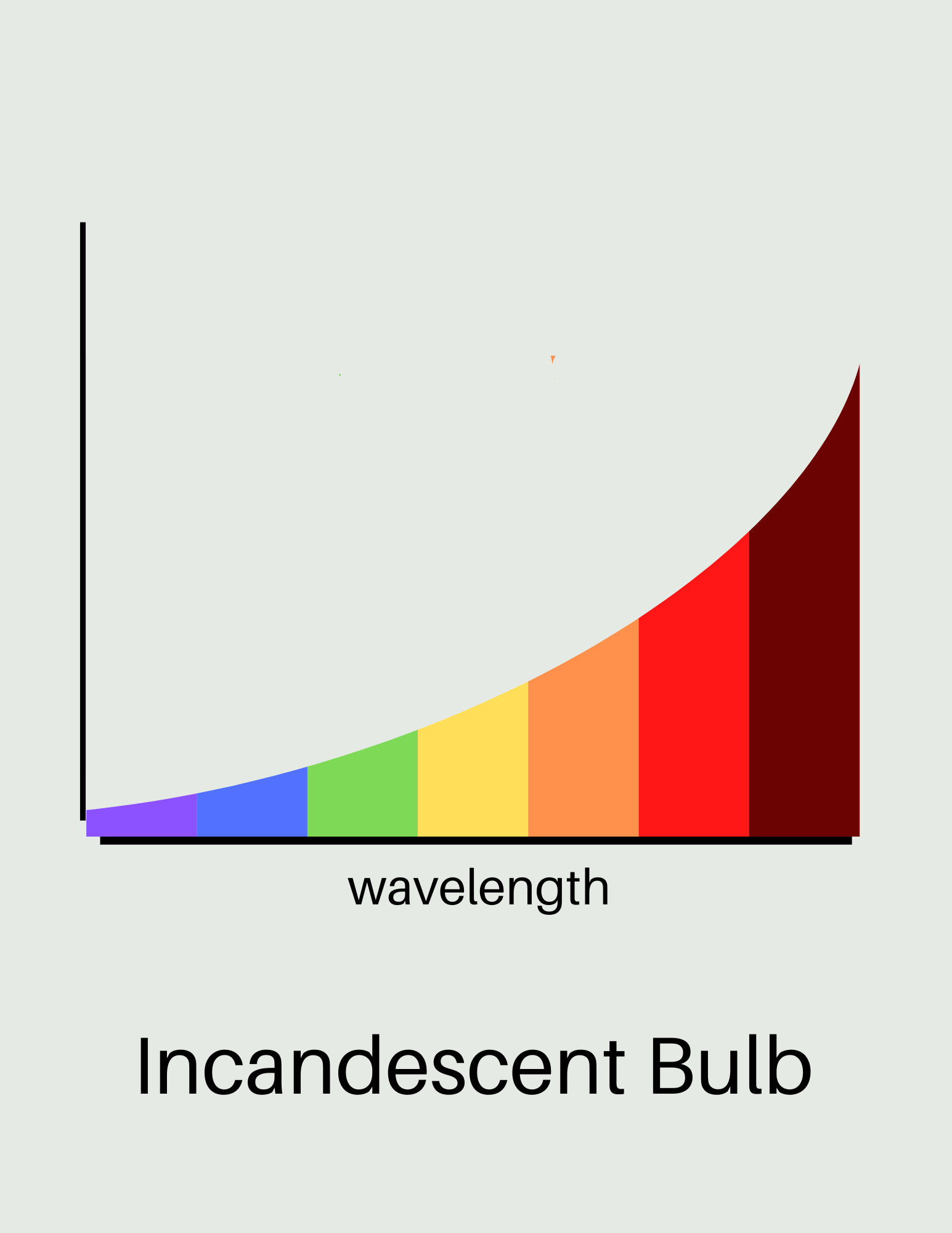
Incandescent bulbs produce a smooth, continuous spectrum similar to candlelight and fire, with energy distributed across all visible wavelengths but concentrated in the red and yellow portions of the spectrum. This gives incandescent light its characteristic warm appearance and makes it relatively circadian-friendly for evening use compared to LED and fluorescent sources. Because incandescent bulbs work by heating a filament until it glows (blackbody radiation), their spectrum naturally mimics other heated sources like the sun at sunset or flames from a fire.
The warm, continuous spectrum of incandescent bulbs contains some blue wavelengths, but far less than LEDs or fluorescents at equivalent color temperatures. This is why many people report that incandescent lighting feels more natural and is less disruptive to sleep when used in evening hours.
Why are incandescent bulbs banned in the US?
Incandescent bulbs were banned in August 2023 due to energy inefficiency. They convert only about 5% of their electrical energy into visible light, with the remaining 95% wasted as heat. This inefficiency consumes lots of electricity, contributes to greenhouse gas emissions from power generation, and costs you more in energy bills compared to LED alternatives.
The ban applies to manufacturing and sale of new, standard incandescent bulbs, but does not prohibit using existing stock or importing incandescent bulbs from countries where they remain legal. Specialty incandescent bulbs (such as appliance bulbs, colored bulbs, and certain decorative types) are exempt from the ban and can be sold legally.
While the energy efficiency arguments for the ban are sound, the circadian health implications have been overlooked. Standard LED bulbs have blue-heavy emissions that can disrupt sleep when used in evening hours, and no-blue, low-blue, and full spectrum LED bulbs aren’t always easily available at the hardware store. It takes extra effort to find health supporting LED lightbulbs (which is maybe why you’re here!)
Are LED lights toxic?
No, LED lights are not toxic in the chemical sense, but can be harmful to circadian health depending on their characteristics and when they're used.
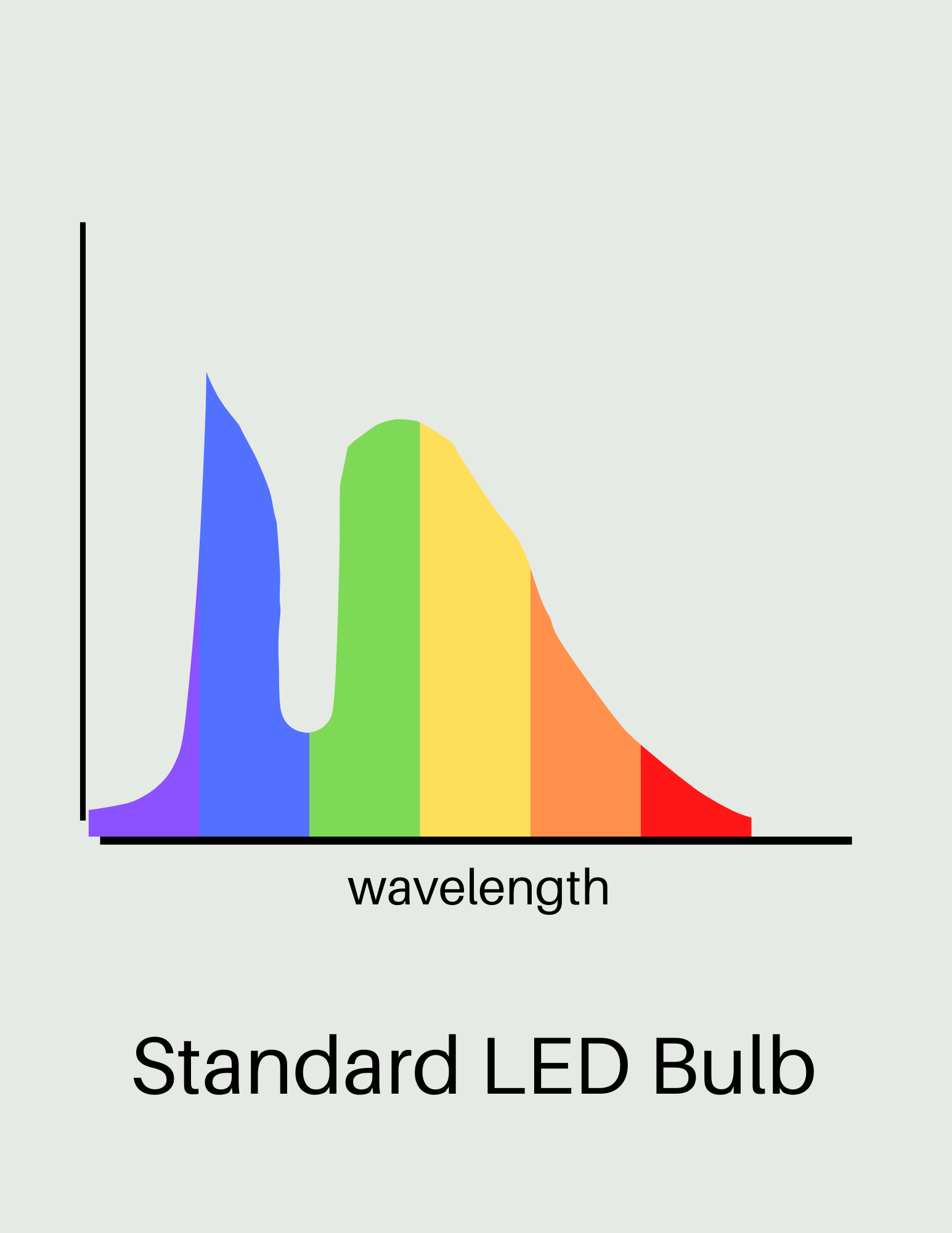
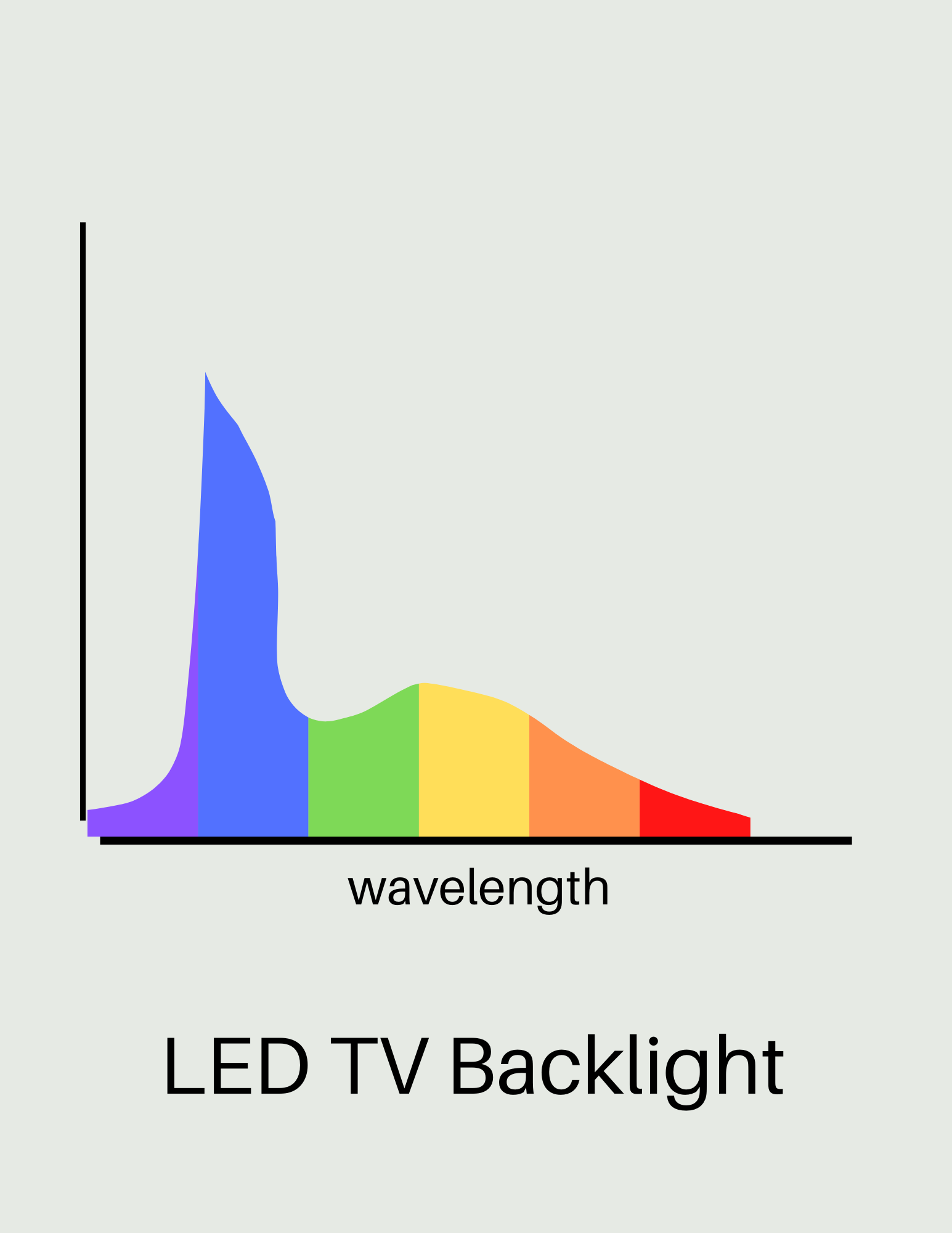
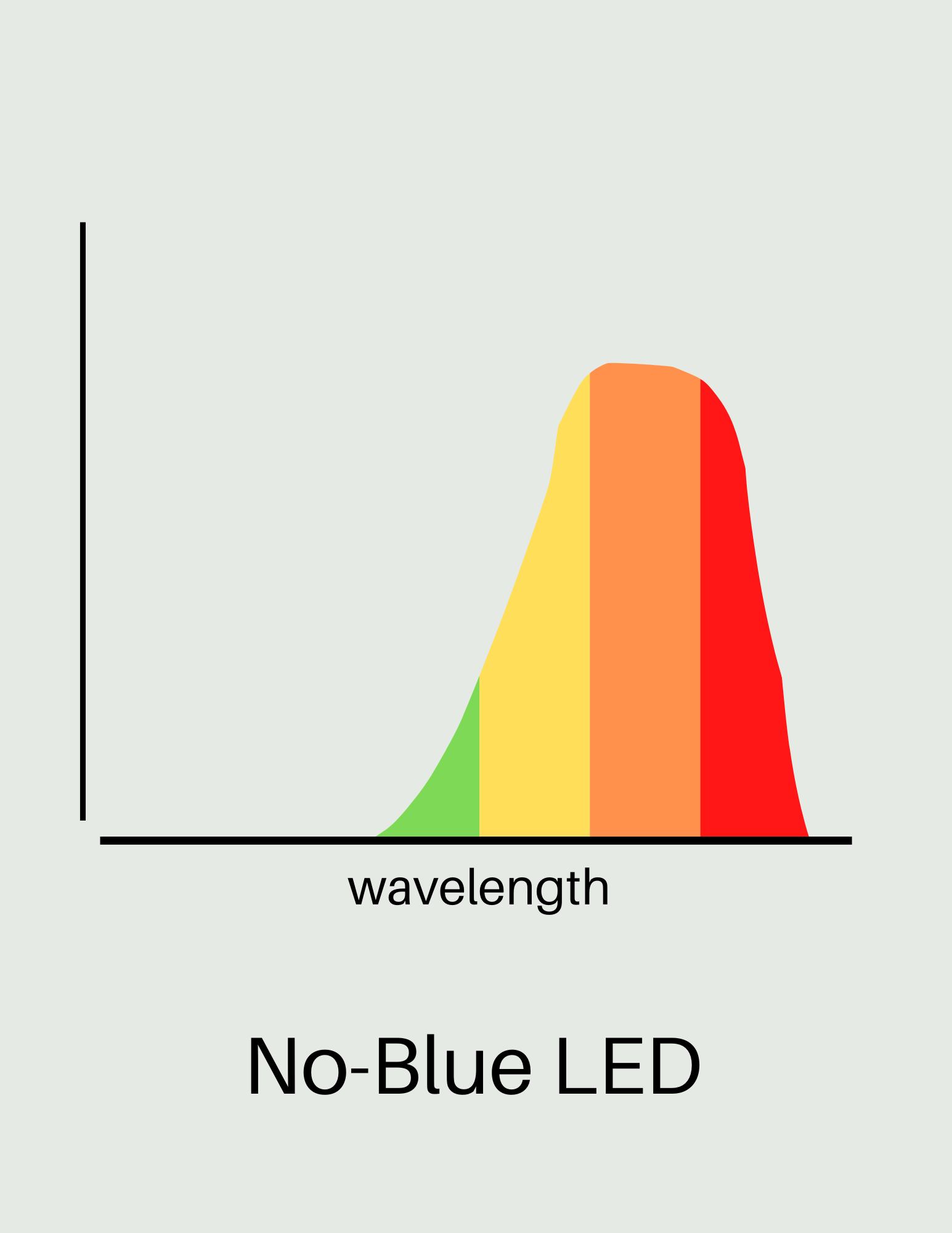
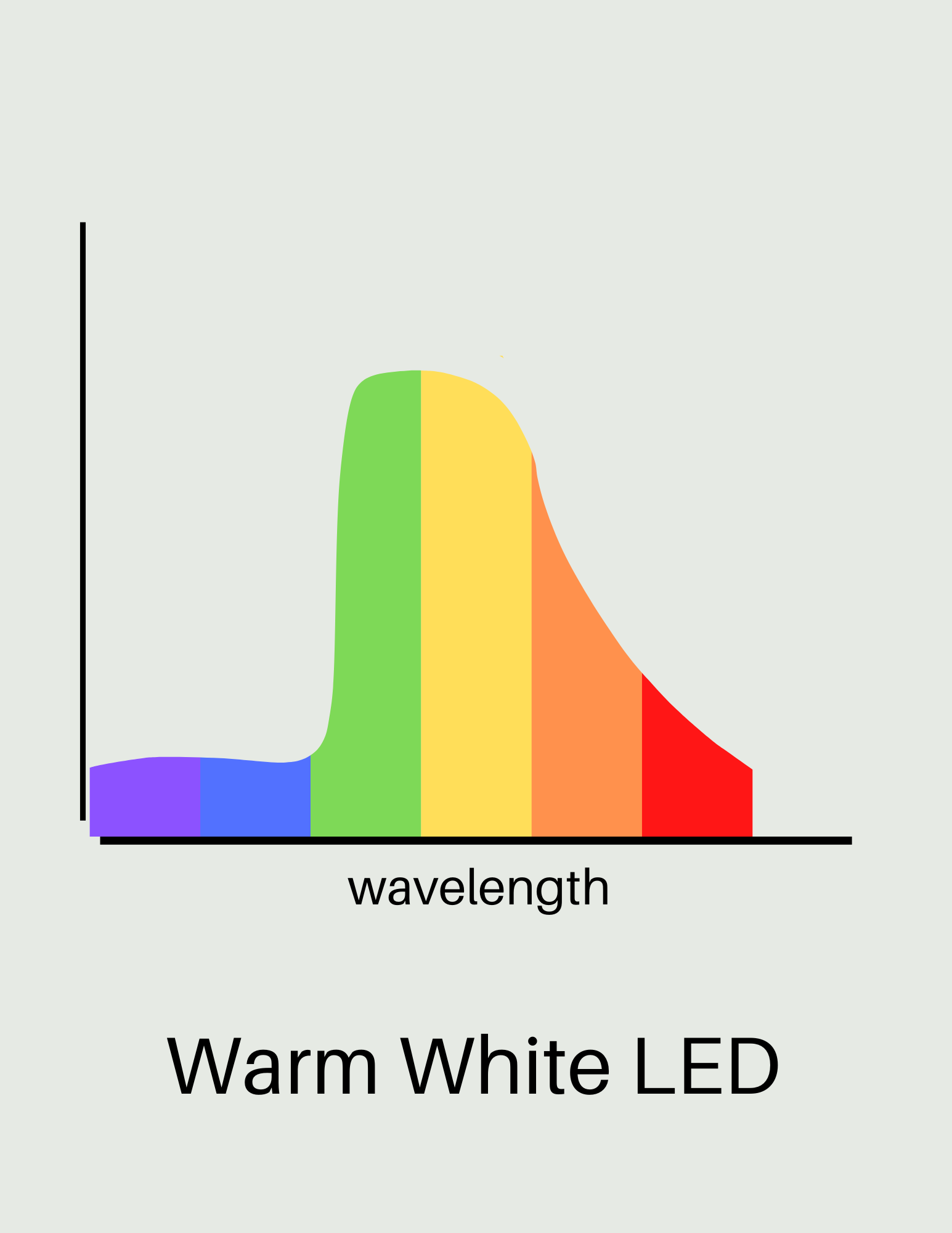
Standard LEDs produce light in a spectrum with a large spike in blue wavelengths (440-480nm) and relatively little red. This blue-heavy spectrum powerfully suppresses melatonin when encountered in evening hours, contributing to sleep disruption and circadian misalignment.
However, LED technology has improved substantially, especially in the last couple of years! "Warm white" LEDs (2700-3000K) reduce (but do not eliminate) blue content. "Low-blue" or "amber" LEDs filter blue wavelengths almost completely while providing functional illumination. These circadian-friendly LED options provide the energy efficiency benefits of LED technology without the sleep-disrupting blue emissions. Red LEDs emit only long wavelengths with zero blue or green content. The key is matching LED spectrum to time of use: blue-rich "daylight" LEDs work well for daytime spaces, warm white LEDs for general evening use, and amber or red LEDs for the hours before bed.
See the differences in wavelengths emitted by different types of LED bulbs here:
Are fluorescent lights bad for you?
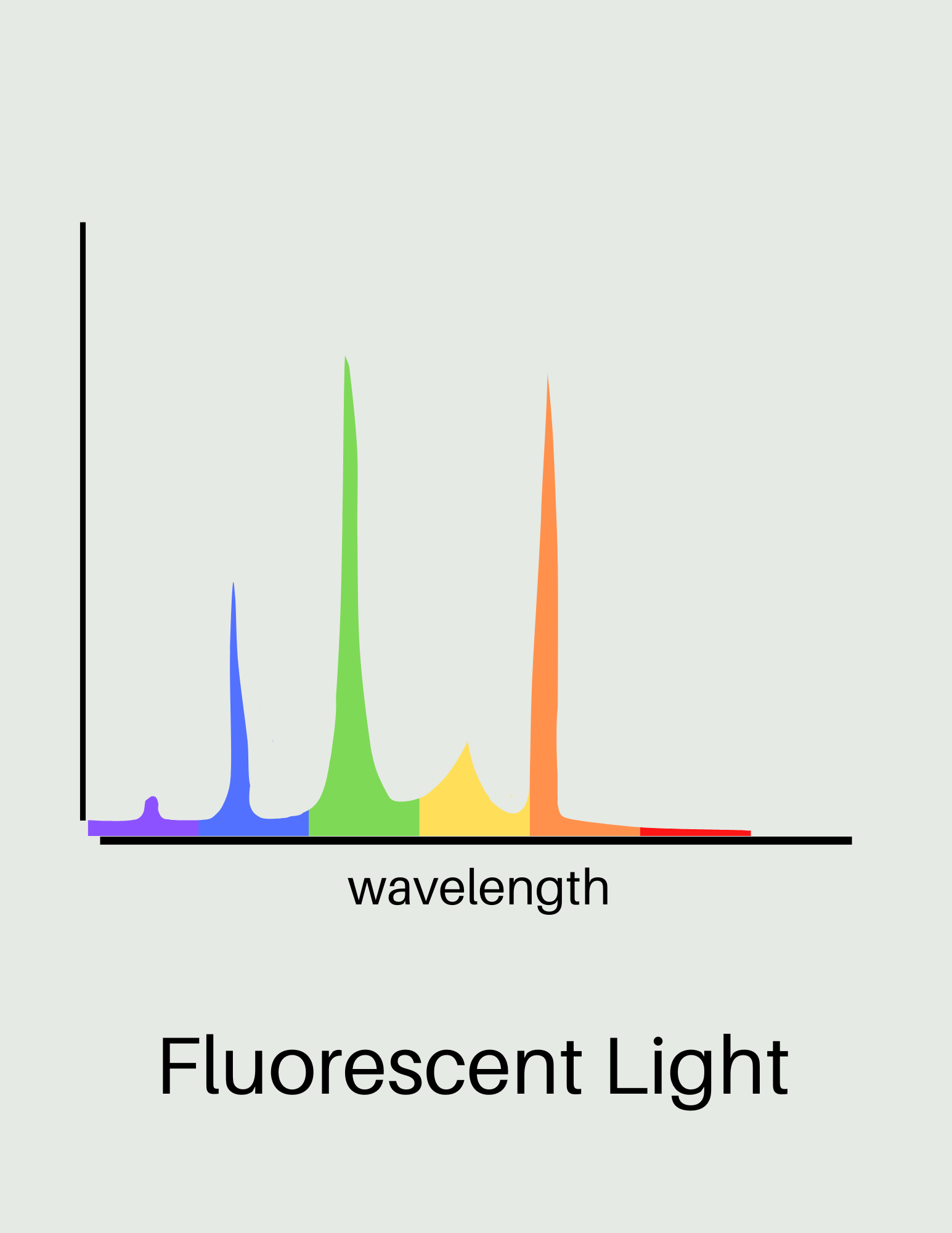
Standard fluorescent lights, including compact fluorescent lamps (CFLs), have four main features that make them less ideal for your health. The health effects are actually really interesting:
First, they cause a general sense of discomfort for many— fluorescent lights emit a very spiky, discontinuous spectrum with large gaps in certain wavelength ranges and excess energy in others, especially in the green range (see the diagram below.) This is why fluorescent lighting often appears harsh and unnatural. Because they emit so much green, some say fluorescent light subconsciously triggers the fear of an impending tornado or thunderstorm. Meteorologist Scott Bachmeier at UW Madison explains that thunderstorms typically happen later in the day, when the sun is starting to create a reddish tinge in the sky. Thunderclouds are blue, and when giant blue clouds are illuminated by red light, the sky appears green. Many people have seen the sky turn eerily greenish before a tornado strikes.
Second, the fluorescent spectrum was linked with increased inflammation and immune response in one pre-clinical study. Not enough to definitively say the same thing happens for people, but still worth considering.
Fluorescent lightbulbs also flicker at a high frequency. Many people report headaches and eye strain under fluorescent lighting. While the precise mechanism isn't entirely clear, the combination of spectral spikiness, and high-frequency flicker may contribute.
From a circadian perspective, the emission spectrum of fluorescent lights contains high amounts of blue and green wavelengths that suppress melatonin when used in evening hours.
Finally, fluorescent lights contain small amounts of mercury and emit very low levels of UV radiation, though the UV component is generally too minimal to cause significant health effects with normal residential use, and the mercury is mainly an issue if lights are broken in the house, and for the environment, after they’re disposed of.
However, fluorescent light energy has been studied for wound healing because the photons they emit are absorbed by some tissues even better than LED photons are. The difference is that only certain ranges of wavelengths are used, and they’re applied in a targeted fashion.
Fluorescent lighting is not all bad, but in the home setting, and especially during evening use, it is worth transitioning to healthy LED lighting whenever possible.
What do the K numbers mean on light bulbs (color temperature)?
The K refers to Kelvin, a measure of color temperature that describes the visual appearance of light. Lower Kelvin values (1800-3000K) indicate warm, yellow-orange light similar to candlelight or sunset, while higher values (5000-6500K) indicate cool, blue-white light similar to midday sunlight or overcast daylight.
Color temperature is a convenient shorthand but doesn't tell the complete story—two bulbs at the same Kelvin rating can have very different spectral compositions and therefore different effects on circadian rhythm. This is why a warm LED light still looks different than a warm incandescent light (scroll up to see the difference in wavelengths they emit.)
For circadian purposes, the actual wavelength content matters more than color temperature alone. A 2700K LED may appear warm and yellow but still contain significant blue wavelengths that suppress melatonin. In contrast, a 2700K incandescent or a purpose-designed "low-blue" LED at the same color temperature may have minimal blue content. When selecting bulbs for circadian health, look for actual spectral data or specific "low-blue" or "amber" designations rather than relying solely on Kelvin ratings.
What is circadian lighting and how does it work?
Circadian lighting uses artificial light sources that change in both intensity and spectral composition throughout the day to align with and support your natural circadian rhythm. These systems provide bright, blue-rich light during morning and daytime hours to suppress melatonin and promote alertness, then gradually transition to dimmer, warmer light as evening approaches, and finally eliminate blue wavelengths entirely in the hours before bed to allow natural melatonin onset. The goal is to recreate the natural light-dark cycle that existed before artificial lighting, using technology to support rather than disrupt circadian biology.
Circadian lighting can range from simple (manually switching from full-spectrum bulbs during day to amber bulbs in evening) to sophisticated (automated smart systems that adjust all home lighting based on time, location, and personal schedule). The most effective implementations combine several elements: morning bright light exposure (either natural sunlight or 10,000 lux light therapy), daytime full-spectrum lighting, gradual evening dimming and warm color shift starting 2-3 hours before bed, amber or red light for final pre-sleep hours, and complete darkness during sleep.
Research shows that comprehensive circadian lighting approaches improve sleep quality, mood, cognitive performance, and metabolic markers while reducing symptoms of seasonal affective disorder and other circadian rhythm disorders.
And now, on to how you can use circadian lighting in your home:
Three Main Concerns for Light Quality and Circadian Health
Throughout the day, there are three times when the quality of light affects your health the most:
1. Insufficient Daytime Bright Light Weakens Circadian Anchoring
Your circadian system requires bright blue light exposure during morning and early afternoon hours to maintain proper timing. Indoor lighting—even at its brightest—typically provides only 300-500 lux, while outdoor daylight ranges from 10,000 lux on an overcast day to 100,000 lux in direct sunlight. Most people spend the vast majority of their time indoors under inadequate lighting that fails to properly anchor their circadian rhythm. Without sufficient early bright blue light exposure, your internal clock drifts, melatonin timing becomes inconsistent, sleep-wake patterns destabilize, and the entire hormonal cascade that depends on circadian regulation becomes dysregulated. This contributes to seasonal affective disorder, general depression, poor sleep quality, and metabolic dysfunction. Bright morning blue light exposure—whether from sunlight or high-intensity artificial sources—is as important as avoiding evening blue light for maintaining circadian health. I recommend using a clinically effective Happy Lamp in the winter months, and Full Spectrum Light Bulbs in the morning hours.
2. Evening Blue Light Exposure Suppresses Melatonin and Delays Sleep
Blue wavelength light (400-500 nanometers) powerfully suppresses melatonin production, the hormone that initiates sleep and maintains your circadian rhythm. Standard LED lights, televisions, computer screens, and smartphones all emit concentrated blue light that keeps your brain in "daytime" mode regardless of the actual hour. Even two hours of evening screen time or bright indoor lighting can delay melatonin onset by 90 minutes or more, pushing your sleep schedule later and reducing total sleep time when you must wake for work or other commitments. This cumulative sleep debt impairs cognitive function, mood regulation, immune response, and metabolic health. Children and adolescents show particular vulnerability to evening light exposure, with lifelong implications for circadian health when poor light habits form during developmental years. Switch to Amber Lighting in the evening, or dim and switch a Full-Spectrum Light Bulb to evening mode.
3. Nighttime Light Pollution Disrupts Sleep Architecture and Hormonal Function
Complete darkness during sleep is essential for proper melatonin production, deep sleep stages, and the cellular repair processes that occur during nighttime hours. Even very low levels of ambient light—from street lights through curtains, electronics with standby indicators, alarm clocks, or hallway lights—can disrupt sleep architecture and suppress overnight melatonin secretion. Research shows that exposure to just 5 lux during sleep (roughly equivalent to a dim night light) measurably disrupts clock gene expression and metabolic function long term, as well as reduces sleep quality, increases nighttime awakenings, and decreases time spent in restorative deep sleep stages in the short term. Your bedroom should be as dark as possible during sleep hours—ideally less than 1 lux—to allow full melatonin production and proper sleep cycling.
How to Prioritize Light Quality Improvements
Start with evening routine changes, then address bedroom darkness, add strategic daytime bright light, and finally optimize your full-day lighting system.
1. Eliminate Blue Light 2-3 Hours Before Bed (FIRST - Immediate Sleep Impact)
The single most impactful change you can make is switching to amber light bulbs or red light bulbs for sleep in the evening hours. Replace standard LED bulbs in frequently-used evening spaces—bedrooms, living rooms, bathrooms—with no-blue amber LED bulbs. These circadian rhythm light bulbs provide functional lighting for reading, conversation, and household tasks while allowing natural melatonin production to begin. Red light bulbs for sleep (zero blue and zero green) are ideal for bedside lamps and nighttime bathroom use, providing enough visibility for safety without any melatonin suppression. This single change to blue light blocking bulbs typically improves sleep latency (time to fall asleep) within days and sleep quality within weeks.
2. Create Complete Bedroom Darkness (Essential for Deep Sleep and Melatonin)
Your bedroom should be totally dark during sleep hours. Install blackout curtains or blackout blinds that eliminate all light from street lamps and neighboring buildings. Cover or remove all electronics with LED indicators, illuminated alarm clocks, and any other light sources. If you need a night light for bathroom trips, use a red LED or amber night light positioned at floor level. The goal is less than 1-5 lux during sleep hours, which allows full melatonin secretion and proper progression through sleep cycles. Complete bedroom darkness is particularly important for children's development and for anyone with insomnia or sleep maintenance issues.
3. Get Bright Morning Light Within 30-60 Minutes of Waking (Anchors Your Clock)
Bright light exposure shortly after waking sets your circadian rhythm for the entire day, improving nighttime melatonin timing and sleep quality 12-16 hours later. Ideally, spend 10-30 minutes outdoors in morning sunlight, even if that means eating breakfast in an east-facing window. If outdoor light exposure isn't practical due to weather, schedule, or seasonal darkness, use a 10,000 lux light therapy box or SAD lamp for 20-30 minutes during breakfast or morning routine. This bright morning light signal improves mood, alertness, and cognitive performance immediately while strengthening your overall circadian rhythm over time. For people with seasonal affective disorder, delayed sleep phase syndrome, or general difficulty waking, bright morning light therapy is therapeutically effective.
4. Use Full-Spectrum Lighting During Daytime Hours (Maintain Alertness and Circadian Strength)
Your daytime indoor lighting should approximate natural daylight in both intensity and spectrum. Full-spectrum LED bulbs or incandescent full spectrum light bulbs provide the complete range of visible wavelengths including appropriate amounts of blue light that support alertness, focus, and circadian anchoring. These daylight bulbs work well in home offices, kitchens, and any space where you spend significant daytime hours. The goal is adequate brightness with a color temperature around 5000K during morning and early afternoon hours. This circadian lighting supports productivity and prevents the circadian drift that occurs when people spend entire days under dim, warm lighting.
5. Implement Gradual Dimming Transitions in Evening (Smooth Circadian Wind-Down)
Rather than abruptly switching from bright daytime lighting to evening amber light bulbs or red light bulbs, create a gradual transition that mimics sunset. Smart lighting systems or smart circadian lighting allow you to program automatic dimming and color temperature shifts throughout the evening, starting around 2-3 hours before your target bedtime. Even if you do it manually, begin with warmer white light (2700-3000K) at sunset, transition to amber lighting (1800-2200K) 2-3 hours before bed, and switch to red light for sleep for the final hour and any nighttime use. This gradual approach makes the transition less jarring while providing your circadian system with clear environmental cues that night is approaching.
Amber Evening Light: Allow Natural Melatonin Production
Amber light bulbs emit wavelengths primarily in the 550-630 nanometer range, providing warm yellow-orange illumination while filtering out sleep-disrupting blue and green wavelengths. These bulbs allow you to maintain functional lighting for reading, cooking, household tasks, and conversation during evening hours without suppressing melatonin production. Research shows that amber light exposure in the evening permits normal melatonin onset while standard white LED lighting delays it by 90+ minutes.
Quality amber bulbs specifically designed for circadian health have zero emissions below 530 nanometers—this complete blue and green filtration is essential for the therapeutic effect. Standard "warm white" LEDs (2700-3000K) still contain significant blue wavelengths despite their yellow appearance and do not provide the same circadian benefit. Look for bulbs marketed specifically as "low-blue," "amber," or "melatonin-friendly" with spectral data showing no emissions in the blue range. Use these bulbs in living rooms, bedrooms, and any evening-use spaces starting 2-3 hours before your target bedtime.
Red Light for Bedtime: Zero Melatonin Suppression
Red light bulbs emit only long wavelengths above 600 nanometers, providing visibility without any impact on melatonin production or circadian timing. Unlike amber light which filters blue and green most of the way, red light contains none of these wavelengths at all, making it the most conservative option for late evening and nighttime use. Research confirms that red light exposure even at high intensities causes no measurable melatonin suppression.
Red bulbs are ideal for bedside lamps, bathrooms used during nighttime hours, and anywhere you need lighting after your intended sleep time. They provide enough illumination for reading, using the bathroom safely, or tending to children during night wakings without resetting your circadian clock or making it difficult to return to sleep. You might find red light soothing and sleep-promoting, though the objective benefit is simply the absence of circadian disruption rather than any special therapeutic property of red wavelengths themselves.
Blackout Curtains: Essential Darkness for Melatonin Production and Deep Sleep
Blackout curtains aren’t just for nurseries, but for anyone sleeping in a city or a neighborhood with lights outside. Blackout curtains offer major benefits for your health because you are particularly sensitive to light pollution at night:
What is light pollution and how does it affect sleep?
Light pollution refers to excessive or inappropriate artificial light that disrupts natural darkness. Outdoor light pollution from street lamps, commercial lighting, and neighboring buildings easily penetrates homes through windows, creating ambient light in bedrooms that should be completely dark during sleep hours. Indoor light pollution includes bright overhead lighting used late into evening, blue-rich screens from televisions and devices, and even seemingly minor sources like LED indicator lights on electronics, illuminated alarm clocks, and hallway lights visible through door cracks.
Even very low levels of light pollution during sleep measurably disrupt circadian function and sleep quality. Research shows that just 5 lux of light exposure during sleep—roughly equivalent to a dim night light—disrupts clock gene expression, suppresses melatonin secretion, and alters metabolic function. Higher levels of nighttime light exposure correlate with increased rates of insomnia, depression, obesity, diabetes, and certain cancers. Children exposed to nighttime light pollution show increased rates of myopia development and disrupted sleep patterns. The solution requires both eliminating indoor light sources (covering or removing devices with LEDs, using blackout curtains) and preventing outdoor light intrusion through proper window treatments.
How dark should my bedroom be at night for optimal sleep?
Your bedroom should be less than 5 lux during sleep hours for optimal circadian function and sleep quality, with complete darkness (less than 1 lux) being ideal. For reference, a clear night with a full moon provides about 1 lux, while a single LED street light visible through a window can add 5-50 lux to your bedroom. Even these seemingly low light levels measurably suppress melatonin and disrupt sleep architecture. Research using continuous light monitoring shows that people sleeping in rooms with 5-10 lux have significantly worse sleep quality, reduced time in deep sleep stages, and altered metabolic markers compared to those sleeping in complete darkness.
Achieving this level of darkness typically requires blackout curtains or blinds to eliminate outdoor light intrusion, covering or removing all electronic devices with LED indicators, using red or amber night lights rather than white ones if any light is needed, and eliminating light leakage from hallways or adjacent rooms through door cracks. Your eyes adapt to darkness quickly—what seems impossibly dark when you first turn off lights becomes navigable within minutes as your pupils dilate and rod cells activate.
Finding Non-Toxic Blackout Curtains
The best blackout curtains will block at least 99% of external light, and be made with healthy materials. The healthiest options avoid PVC backing and instead use natural materials like multiple layers of tightly-woven organic cotton, OEKO TEX certified polyester, or a combination of safer materials. For maximum effectiveness, combine blackout curtains with attention to other bedroom light sources including electronic devices, alarm clocks, and any hallway light that might enter through door cracks.
Full-Spectrum Daytime Bulbs: Support Alertness and Circadian Anchoring
Full-spectrum light bulbs reproduce the complete range of visible wavelengths present in natural sunlight, including the blue wavelengths that support daytime alertness, mood, and circadian function. These bulbs typically have color temperatures between 5000-6500K and include appropriate amounts of blue light (450-495nm) that suppresses melatonin during early daytime hours, keeping you alert and focused.
Full spectrum builbs are different than standard "daylight" LEDs that have harsh, spiky spectral distributions. Quality full-spectrum bulbs provide smooth, even coverage across all wavelengths similar to natural sunlight.
Use full-spectrum bulbs in home offices and other spaces where you spend significant morning and daytime hours. They provide the strong circadian signal your body needs to maintain proper sleep-wake timing. These are the bulbs you want during the day—but should avoid entirely in the evening when blue light becomes counterproductive.

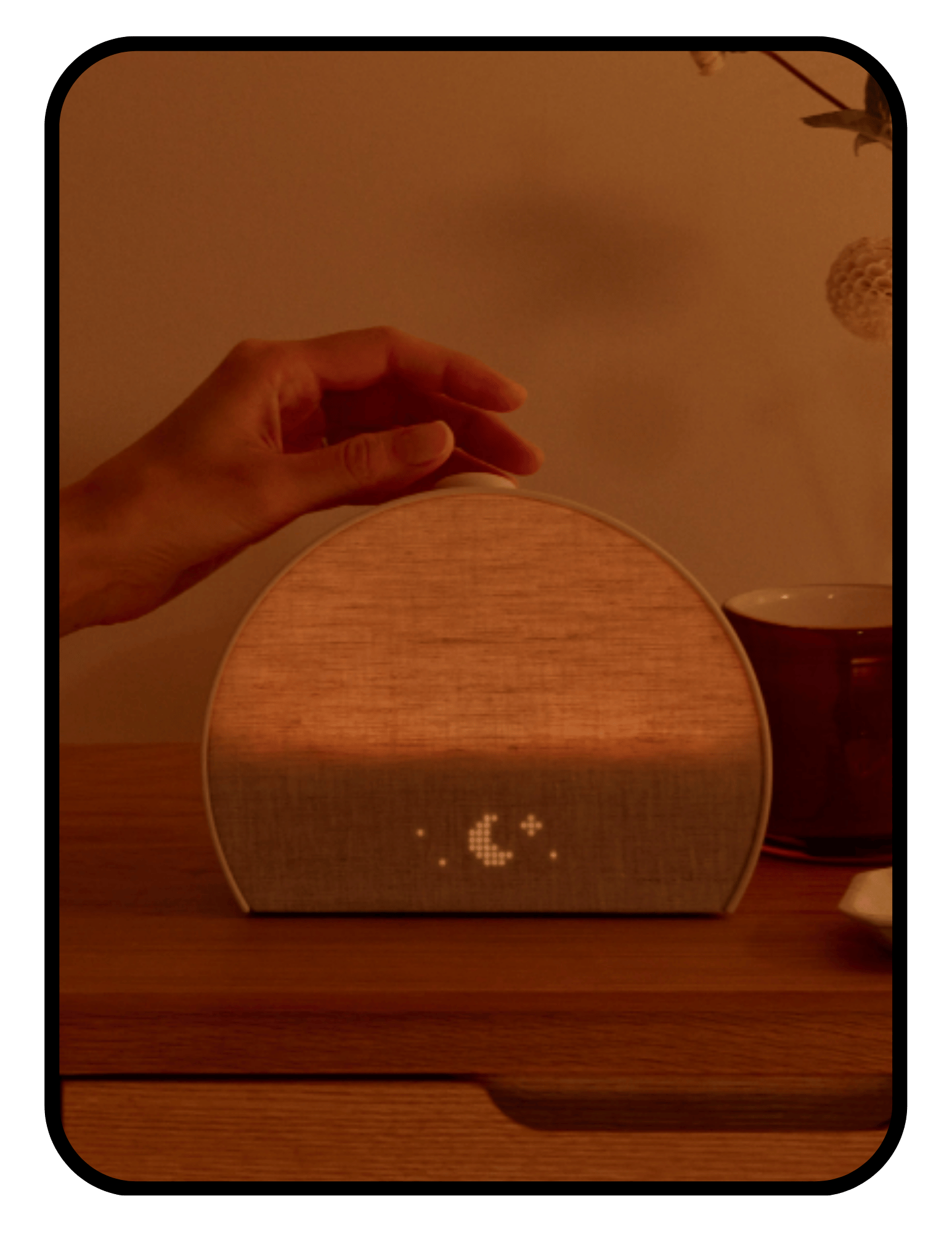
Sunrise Alarm Clocks: Gradual Light-Based Awakening
Sunrise alarm clocks gradually increase light intensity over 20-45 minutes before your set wake time, simulating natural dawn and allowing gentle awakening through your eyes' light receptors, rather than jarring beep-beep-beep that spikes cortisol to unnatural levels. This progressive light exposure suppresses melatonin naturally, increases cortisol (which naturally rises before waking), and allows smoother transition from sleep to wakefulness. Many people find sunrise alarms reduce morning grogginess, improve mood upon waking, and make early rising easier, particularly during winter months when natural sunrise might be happening long after you have to wake up.
The best sunrise alarms will ideally include color temperature progression from red through amber to white light mimicking actual dawn. Some models combine light with gradually increasing nature sounds or other gentle audio. The most effective placement is on a nightstand 12-18 inches from your face where the light can reach your eyes even through closed eyelids during the final sleep stage. Sunrise alarms work best when combined with evening amber/red light use and consistent sleep schedules.
Light Therapy Boxes (Happy Lamps): Clinical-Grade Bright Light for SAD and Sleep Disorders
Light therapy boxes—often called happy lamps or SAD lamps—provide bright light at therapeutic intensities (10,000 lux) to treat seasonal affective disorder, non-seasonal depression, delayed sleep phase syndrome, and other circadian rhythm disorders. They deliver light bright enough to meaningfully influence your circadian system, compensating for insufficient natural daylight exposure during winter months or due to indoor lifestyles. Clinical research demonstrates that 10,000 lux light exposure for 20-30 minutes each morning effectively treats seasonal depression with response rates comparable to antidepressant medications.
Quality light therapy boxes provide consistent 10,000 lux output at a comfortable viewing distance (typically 16-24 inches), filter UV wavelengths to prevent eye and skin damage, and emit white light with appropriate blue content to trigger circadian receptors. Some newer devices use narrower blue-enriched spectrums at lower overall intensity, though broad-spectrum white light remains the most-studied approach. Position the light therapy box at eye level or slightly above, and use it during breakfast, morning routine, or desk work rather than staring directly at the light. Timing matters: morning use (within 30-60 minutes of waking) anchors your circadian rhythm most effectively.
Three Free Methods for Healthier Indoor Lighting
Change your TV display settings to a warmer (more yellow or red) tone. It is barely noticeable, and can help reduce sleep-disruptive blue light exposure when it matters most.
Do your morning activities in rooms that get sunlight. Open the blinds!
Cover up any small blinking lights in your bedroom— you can use electrical tape or objects. Amazon even has inexpensive stickers just for this purpose.
Creating a Light-Supportive Home: Beyond Blue Light Management
Optimizing home lighting is one of the most accessible interventions for improving health, but it requires moving beyond the often-oversimplified narrative of "blue light bad, warm light good." Your circadian system needs strong, blue-rich light signals during appropriate daytime hours just as much as it needs protection from evening blue exposure. Different light wavelengths serve different purposes—some support circadian anchoring, others allow melatonin production, and still others provide direct therapeutic benefits to tissues and cellular function.
The most effective approach combines circadian timing with therapeutic application. Morning bright light therapy (whether from sunlight, light therapy boxes, or full-spectrum bulbs) sets your circadian rhythm for the entire 24-hour cycle ahead, improving not just nighttime sleep but daytime alertness, mood stability, and metabolic function. Adequate daytime light exposure prevents the circadian drift that occurs when people spend entire days under dim indoor lighting. Gradual evening transitions from blue-rich to warm to amber to red light mimic natural sunset and prepare your body for sleep without requiring abrupt changes that feel jarring or restrictive.
Beyond circadian management, therapeutic light applications offer targeted health benefits. Red and near-infrared wavelengths penetrate tissue to support wound healing and reduce inflammation—useful for skin health, muscle recovery, and potentially pain management. Emerging research on green light therapy shows promise for migraine relief. These therapeutic applications work alongside rather than replacing circadian-focused lighting, allowing you to leverage light's full spectrum of biological effects.
Practical implementation matters more than perfect execution. You don't need to replace every bulb in your home or invest in expensive automated systems to see benefits. Start with the highest-impact changes: eliminate bright evening lighting in bedrooms and living spaces by switching to amber or red bulbs, create genuine darkness during sleep with blackout curtains and elimination of electronic light sources, and add morning bright light exposure through sunlight or a light therapy box. These three interventions address the most critical aspects of circadian health and typically produce noticeable improvements in sleep quality and daytime function within days to weeks.
Build from this foundation based on your specific needs and living situation. If you work from home or spend significant time in artificially-lit spaces during the day, full-spectrum daytime bulbs support alertness and prevent circadian drift. If you experience seasonal mood changes, consistent morning light therapy during winter months provides clinically-proven benefits. If you're managing skin conditions or muscle recovery, targeted red light therapy offers therapeutic value beyond circadian support. The goal is strategic use of different wavelengths at appropriate times for your specific health context.
The cumulative effects of light-appropriate home extend well beyond sleep quality. Proper light exposure patterns support mood stability, cognitive performance, metabolic function, immune response, and cardiovascular health. For children and adolescents, establishing healthy light habits during developmental years creates patterns that support lifelong circadian health. Your home's light environment is entirely within your control and represents one of the most direct pathways to better health available through environmental modification—not by avoiding all modern lighting, but by using different wavelengths strategically to support your biology.
More Healthy Design for You


Low-Plastic Countertop Water Filters
Organic Mattress Toppers
Shower Purifier Heads
Non-Toxic Bed Frames