
Non Toxic Crib Mattresses
The safest crib mattress is made with GOLS certified organic latex or GOTS certified organic fabrics like wool and cotton. Second best are non-toxic crib mattresses with OEKO TEX certification, ensuring the final product was tested against standards for harmful chemicals. This is important if you’er looking for a waterproofing strategy because the crib mattress industry engages in lots of healthwashing, with DIY logos, vague material descriptions, “organic" claims with nothing behind them, and a bad history of PFAS lawsuits. For vulnerable babies, mattress safety matters even more than it does for adults with fully developed detox systems. I rate each layer of crib mattresses, including what the core is made of, the fabric surrounding it, and any treatments applied to it using consistent material health scales that hold brands accountable, all explained in my full methodology.
By Dr. Meg Christensen | Physician-founder of Interior Medicine, a non-toxic home resource built on her background in medicine, biochemistry, epidemiology, and clinical research.
Updated June 11, 2026

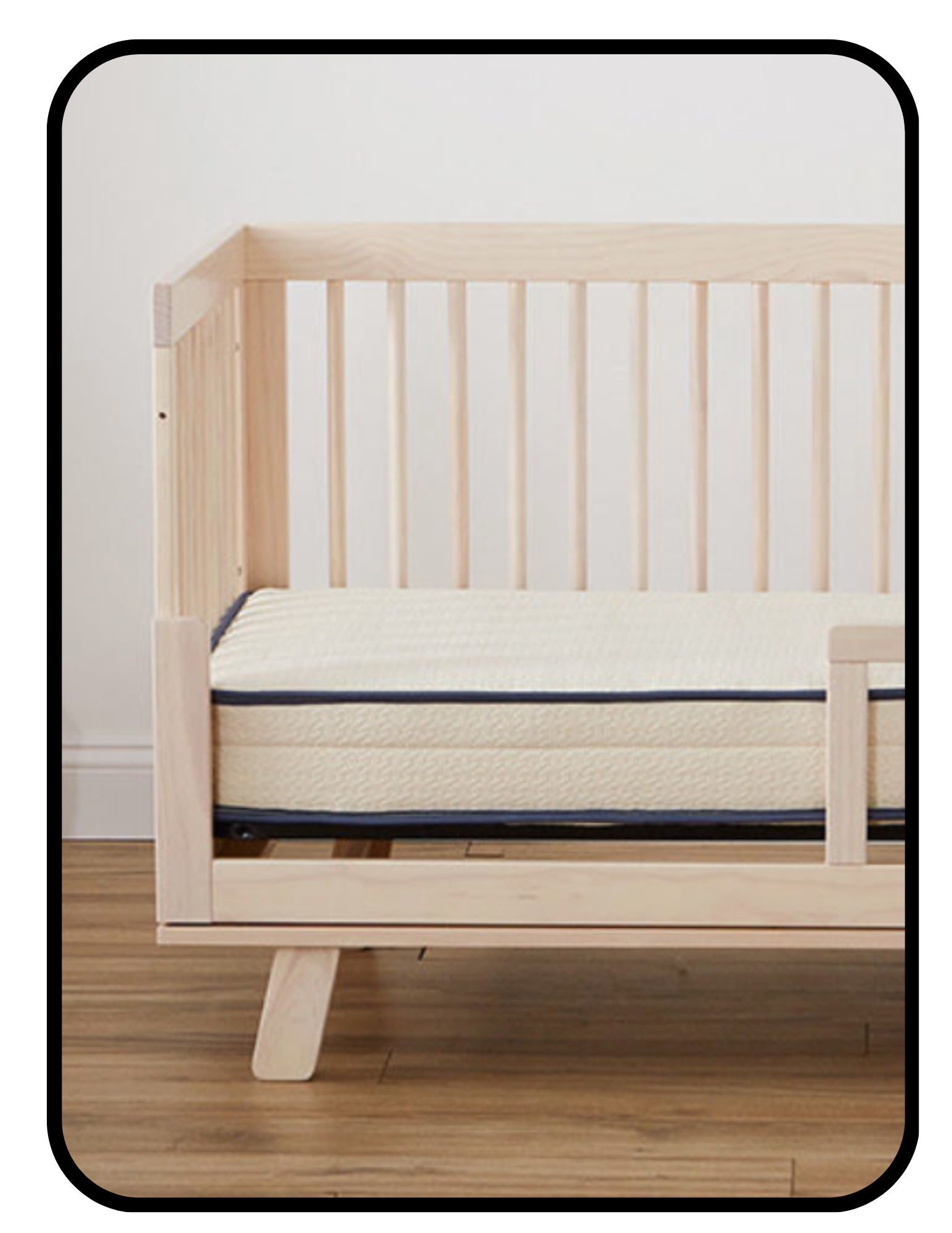
Avocado offers four organic crib mattress options: their classic dual-sided model, an eco-affordable version, a luxury option (all in standard crib size), plus a mini crib mattress for smaller nursery spaces. Their mattresses feature GOLS certified organic latex, GOTS certified organic wool, and GOTS certified organic cotton—with complete transparency about every material and certification. What sets Avocado apart is their third-party PFAS testing that confirms zero PFAS presence—a critical distinction in the organic crib mattress industry that has faced multiple PFAS lawsuits.
My Green Mattress Organic Crib Mattress
This non-toxic crib mattress features GOLS certified organic latex, GOTS certified organic cotton, and coconut coir. This is truly rare, and along with Avocado, is one of the only companies making 100% organic crib mattresses from start to finish. What sets this mattress apart from Avocado’s options is that its made with springs and a rigid border, so it’s firmer with exceptional air flow, and is easy to maneuver into the crib.



Savvy Rest Natural Crib Mattress
Savvy Rest offers two natural latex crib mattresses for different firmness preferences: a firmer Dunlop latex option (ecoINSTITUT certified) and a softer Talalay latex mattress (Cradle to Cradle certified) for babies who prefer gentler support. Both models are 5 inches thick with simple construction, wrapped in GOTS certified organic cotton mattress covers. I like that they offer a natural wool mattress protector, which adds breathability and water resistance. GOTS certified organic waterproof crib mattress protectors are great, and the PU layer is truly non-toxic, but this is just a nice, totally natural option.
KATU produces an organic dual-firmness crib mattress and I appreciate their material transparency so much. As a small business, they don't hold GOTS or GOLS certifications themselves, but purchase all materials from GOTS and GOLS certified suppliers— as they explained quickly and fully via email with me. The firmer infant side uses coconut coir, while the softer toddler side contains natural latex. Zero polyurethane foam or flame retardants anywhere in the construction. KATU accepts HSA/FSA payments for this crib mattress. I tried one of these out and they’re really lovely. No off-gassing, good construction, and comfortable to the touch.


Newton Crib Mattress
Newton's crib mattress features a 100% polyester cover (not made from recycled plastics that could contain concerning chemicals, though it lacks OEKO-TEX certification). The waterproof layer uses healthier TPU instead of PFAS, and their "Wovenaire" core is food-grade low-density polyethylene plastic —generally inert and cleaner than standard plastics due to its food-grade status. This affordable, fully waterproof option avoids polyurethane foam while providing good breathability for infant sleep safety. It’s certainly not organic, but it is affordable and safer than other options.
This waterproof crib mattress uses recycled polyester and polyethylene, making it an affordable hypoallergenic option for babies and toddlers with sensitivities to natural materials like cotton, latex, or wool. While it doesn't carry organic certifications, it is EWG Verified—a certification I consider comparable to MADE SAFE for evaluating chemical safety in products. Lullaby Earth is manufactured by the same parent company as Naturepedic.


Naturepedic's crib mattress combines natural and plant-based synthetic materials: food-grade polyethylene foam, a waterproof PLA layer derived from sugarcane, and GOTS certified organic cotton. The entire mattress holds MADE SAFE certification. This lightweight design eliminates the need for a separate waterproof mattress protector since the entire surface is inherently waterproof. It's not all-natural or all-organic, but is a healthier alternative to standard polyurethane foam mattresses and I love that they are UL tested PFAS free!
Green Cradle Natural Crib Mattress
Green Cradle makes a natural latex crib mattress wrapped in layers of natural wool and cotton. Like KATU, they source materials from GOTS and GOLS certified manufacturers but don't hold the certifications themselves as a smaller company. This still represents a significant upgrade from conventional crib mattresses made with polyurethane foam and synthetic materials. Green Cradle also manufactures some of the healthiest solid wood cribs available, offering both finished and unfinished options in non-toxic wood.
Organic Dream Crib Mattress Review
Why this is called Organic Dream, I do not know. The fabric is not organic— it’s possible it starts that way, but it has no real certifications to prove it— just a DIY logo with the words “Organic Cotton Best Choice.” This is healthwashing in my opinion, and nothing like GOTS which confirms that the fabric is truly organic and processed safely. They also have a fake OEKO TEX label and the core is made of “food grade polymer” with no other details. Likewise, their About Us photo looks like a stock photo, further raising my suspicion. The mattresses are around the same price as others here, so affordability isn’t even appealing. Their GreenGuard GOLD certification would mean it won’t off-gas excessively may be good, but my trust in them, based on all the other issues, is eroded. I don’t know why this would be included in any organic crib mattress roundup other than that maybe this brand has a generous affiliate program. (Can you tell how spiky this makes me!? Agh!)
Saatva Crib Mattress Review
Saatva faces an ongoing lawsuit filed by nonprofits Toxin Free USA and Beyond Pesticides alleging their crib mattress contain 8 PFAS chemicals. Independent lab testing for the lawsuit detected multiple PFAS chemicals in the mattress. While it’s advertised as made with certified organic materials, it also has an antimicrobial treatment and “eco-conscious” water-repellent finishing applied— I suspect this may be where the problem lies, but don’t know yet and the lawsuit is still ongoing as of late 2025. Because of this, and test results showing PFAS presence, I cannot recommend this mattress despite its organic certifications nor rate its materials. PFAS are forever chemicals linked to serious health concerns, particularly problematic for infants whose developing systems are most vulnerable to chemical exposures. And, considering other multiple other organic crib mattress PFAS lawsuits, this theme is just getting old!
Looking for something specific? If you don't see the product or brand you're curious about, you can request a review here, or run it through the Second Opinion Product Checker to evaluate it yourself. Want to go deeper? My free course covers how to evaluate any product's materials yourself.
Join the Newsletter
Join the Newsletter


Organic Crib Mattress Guide: Doctor's Complete FAQ on Non-Toxic Baby Mattresses
Is an organic crib mattress worth it?
Yes, organic crib mattresses are worth the investment, because babies are not only more vulnerable to the toxins in standard foam, but also spend so much time sleeping. Therefore, their crib mattress is huge source of exposure for them, especially in their first year of life. I recommend making an organic, or at least less toxic crib mattress as a priority— second-hand or on sale if you’re on a budget. I recommend the first eight I have listed above, and would avoid the last two, which I consider greenwashing, or healthwashing.
What chemicals are in crib mattresses?
A 2015 study revealed alarming findings about conventional crib mattresses: researchers detected phthalates, phthalate alternatives, unreacted isocyanates, and flame retardants in the majority of crib mattresses tested. These toxic chemicals off-gas and shed with friction over time. A 2025 study showed that crib mattresses are a source of sVOC exposure for young children.
Why Babies Are More Vulnerable to Crib Mattress Chemicals: Infants face higher chemical exposure risks than adults for a few reasons:
Thinner, more permeable skin that absorbs chemicals more readily through dermal contact, and greater skin surface area-to-body weight ratio, also increasing absorption potential
Faster respiratory rates that draw more off-gassing compounds (VOCs) into developing lungs
Increased hand-to-mouth contact, adding the ingestion exposure pathway for unhealthy mattress chemicals
Benefits of Non-Toxic Organic Crib Mattresses: Choosing a certified organic, non-toxic crib mattress eliminates exposure to:
Flame retardant chemicals
Phthalates and plasticizers
Polyurethane foam and adhesive off-gassing
Antimicrobial treatments
PFAS waterproofing treatments
When shopping for the safest crib mattress, look for GOTS (Global Organic Textile Standard), and GOLS (Global Organic Latex Standard) certifications to ensure they are genuinely organic. There is a crazy amount of greenwashing and healthwashing in the non-toxic crib mattress world.
Do flame retardants cause SIDS?
No! The rate of SIDS dropped after flame retardants were added to crib mattresses, and SIDS occurs at the same rate in countries that do and don’t use these in mattresses. This idea started in the 1980s, when we didn’t know how to prevent SIDS as well as we do now. It’s still a persistent rumor because people are (very reasonably!) wary of the various chemicals found in crib mattresses, and because the mystery of what causes SIDS is still not completely solved.
Are there any health effects from sleeping on a non-organic crib mattress?
We know that conventional crib mattresses can release sVOCs, flame retardants, UV filters, and phthalates into the baby’s environment. We know that high blood levels of certain flame retardants are linked with neurodevelopmental problems. But, flame retardants come from lots of places— the foam in car seats, the foam in the dentist’s office chair, curtains, pajamas, electronics. No one has ever specifically linked crib mattresses with standard chemical profiles to specific health outcomes. That doesn’t mean they’re not linked! But, as with so much of environmental health research, it’s very hard to pin down cause and effect. You can learn more in my free course about this. I hope very much we can study crib mattresses and their effect on health in more depth in the future.
Are CertiPUR crib mattresses actually non-toxic?
No, unfortunately CertiPUR still allows many known harmful chemicals in crib mattresses, though they are restricted to being under certain limits. You can see the full list here in the CertiPUR section of my Foam Guide. I don’t have any CertiPUR mattresses listed above because there are safer options that cost the same amount.
Do crib mattresses need flame retardants? How do organic crib mattresses meet fire safety standards?
All crib mattresses must meet flammability standards, but they don't require chemical flame retardants.
Organic crib mattresses use natural flame barriers like wool (which is naturally flame-resistant) and others, to meet safety regulations without toxic chemicals.
Avoid any crib mattress that uses chemical flame retardants—these are endocrine disruptors linked to developmental issues and are completely unnecessary with proper material selection.
What is PFAS and why should I avoid it in crib mattresses?
PFAS (per- and polyfluoroalkyl substances) are a group of 10,000+ kinds of "forever chemicals" used in stain-resistant and water-resistant treatments that persist in the environment and bioaccumulate in human tissue. PFAS exposure is linked to immune dysfunction, hormonal disruption, developmental delays, and reduced vaccine effectiveness in children. Some crib mattresses marketed as "organic" or "non-toxic" have tested positive for PFAS despite these claims. Look for mattresses with third-party PFAS testing verification. This is important because Saatva also uses a “eco-conscious” waterproofing treatment, maybe even plant based, but PFAS were detected in it. In short, be wary of special proprietary treatments added to otherwise organic materials.
What's the difference between organic cotton and GOTS certified organic cotton in crib mattresses?
GOTS certified organic cotton guarantees the cotton was grown organically AND processed without toxic chemicals throughout manufacturing—including dyeing, finishing, and fabric construction. Regular "organic cotton" may only refer to how the cotton was grown, but allows for conventional chemical processing afterward. For crib mattresses where your baby breathes near the fabric for hours daily, GOTS certification ensures the entire textile supply chain remained non-toxic, not just the raw fiber.
There is one crib mattress listed above that has a DIY logo that says “Organic Cotton Best Choice” on it. This is made up, not verifiable, and means basically nothing. Watch out for healthwashing like this!
You can read more about organic fabric and processing in my free Fabric Guide.
Are latex crib mattresses safe for babies with latex allergies?
Maybe, but always talk to your pediatrician first.
Natural latex mattresses from reputable brands are generally safe for adults because most of the proteins that trigger latex allergies are washed out or heated and inactivated during processing.
However, baby safety comes first, so if yours has a diagnosed latex allergy, choose latex-free options like polyethylene core mattresses (Newton, Lullaby Earth), wool, or coconut coir mattresses without latex layers.
Do organic crib mattresses off-gas? How long should I air out a new crib mattress?
Truly organic crib mattresses made with GOLS latex, GOTS cotton, and natural wool have minimal off-gassing—typically just a natural rubber or lanolin scent that dissipates within hours to a few days. Mattresses with polyurethane foam, even CertiPUR certified, can off-gas VOCs for weeks or months. Air out any new crib mattress in a well-ventilated room for at least 24-48 hours before use.
What's better for a crib mattress: innerspring or latex core?
Both innerspring and latex cores can be excellent choices depending on your priorities. Innerspring crib mattresses (with 150+ coils) provide firm, bouncy support, better edge support, and are easier to recycle. They're often lighter than solid latex cores. GOLS certified organic latex cores offer consistent firmness throughout, natural hypoallergenic properties, and no metal components. Latex is also more durable long-term, if you’re planning on having multiple babies.
Do I need a waterproof crib mattress protector, or should I buy a waterproof crib mattress?
This depends on your mattress type and priorities. Crib mattresses with built-in waterproofing (like Naturepedic, Newton, and Lullaby Earth) use food-grade polyethylene or PLA from sugarcane for waterproof surfaces—no separate protector required, though you might add one anyway for easier cleanup between sheet changes.
Organic crib mattresses without waterproofing (like Avocado, My Green Mattress, KATU, and Savvy Rest) absolutely need waterproof protectors to prevent moisture damage, mold growth, and dust mite proliferation in the mattress core. Babies produce significant moisture through diaper leaks, spit-up, and night sweats—without protection, organic materials like latex and wool can develop mold.
Healthiest waterproofing options for crib mattress protectors:
Natural wool protectors (like Savvy Rest's wool puddle pad) are the most natural choice—they’re also breathable, and naturally moisture-resistant without any synthetic waterproofing layer or added semi-synthetic finishes. Wool wicks moisture away from your baby's skin while preventing liquids from reaching the mattress. Best if you’re prioritizing pure materials, though note that it is water resistant and not completely waterproof.
GOTS organic cotton with TPU backing (thermoplastic polyurethane) offers true waterproofing with low toxicity. TPU is a thin plastic film that doesn't have the same harmful additives as polyurethane foam. Some newer TPUs are even biodegradable or bio-based using cornstarch. While not completely natural, TPU is far safer than PVC/vinyl and PFAS-treated fabrics commonly found in conventional crib mattress protectors.
OEKO-TEX certified polyester options provide affordable waterproofing with third-party testing to ensure harmful chemicals stay below safe limits—a practical middle-ground choice.
Least healthy waterproofing options for crib mattress protectors:
Avoid any crib mattress protector made with PVC or treated with PFAS "stain-resistant" coatings.
Proprietary (secret) waterproofing treatments, even if they have the word “botanical” or “eco-conscious” in their name: Saatva uses a proprietary “eco-conscious” waterproofing treatment on top of organic materials, but PFAS were detected in it and now there is a lawsuit! Contrast this to Naturepedic, which uses a sugarcane-based waterproofing treatment, but they sought out third party testing and are UL certified to be PFAS free. In short, if there is an unusual coating applied, make sure it has been tested to not contain PFAS.