
Creating a Non-Toxic Nursery and Kids Room: A Physician's Guide to Safer Sleep, Play & Development
Read the guide below, or click on a category to shop for healthier nursery and kids’ room products.
Organic Crib Mattresses
Organic Kids Mattresses


Non-Toxic Waterproof Mattress Protectors
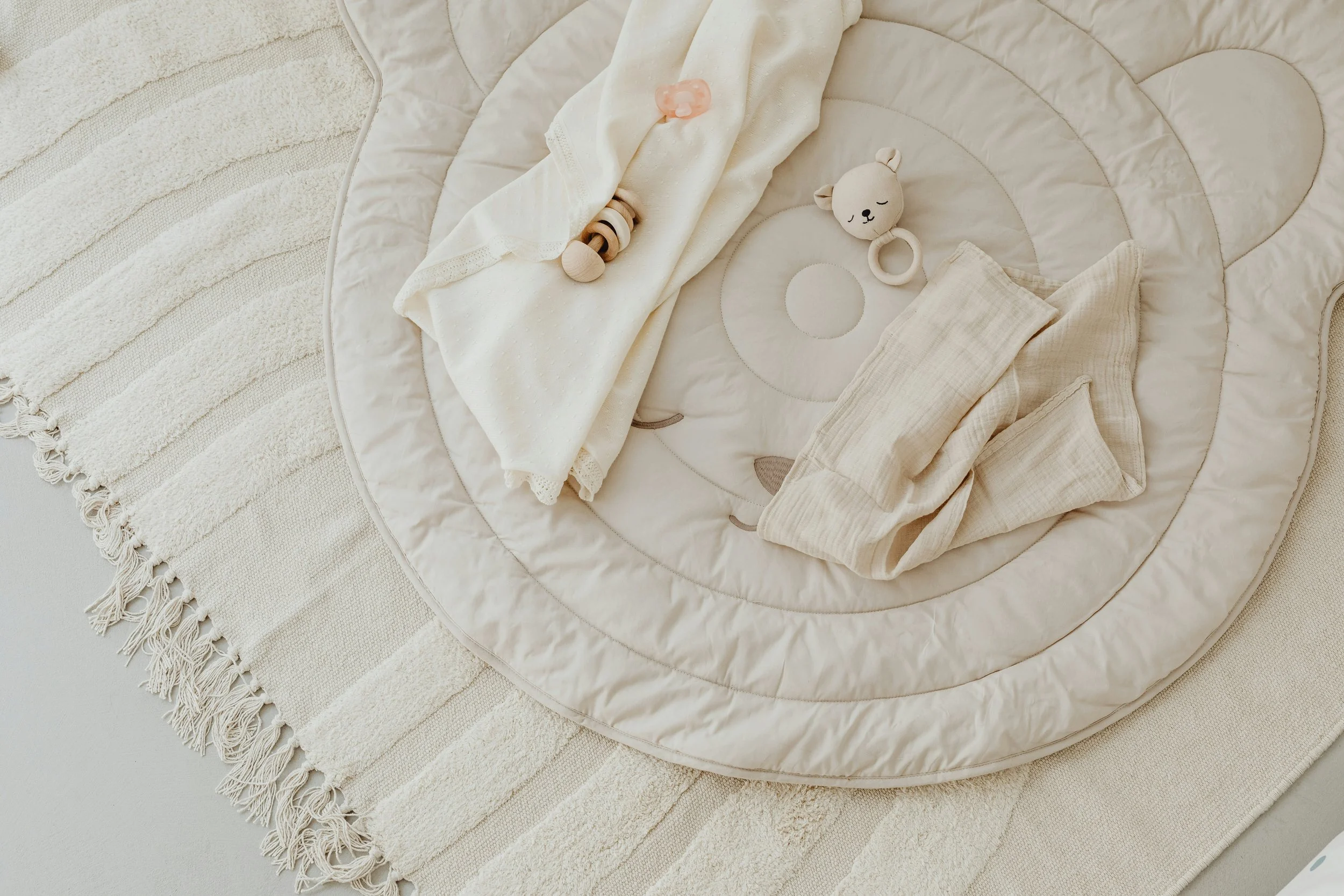
Safe Play Mats for Infants and Kids


Non-Toxic Cribs
Organic Nursery Rugs
Cute Blackout Curtains
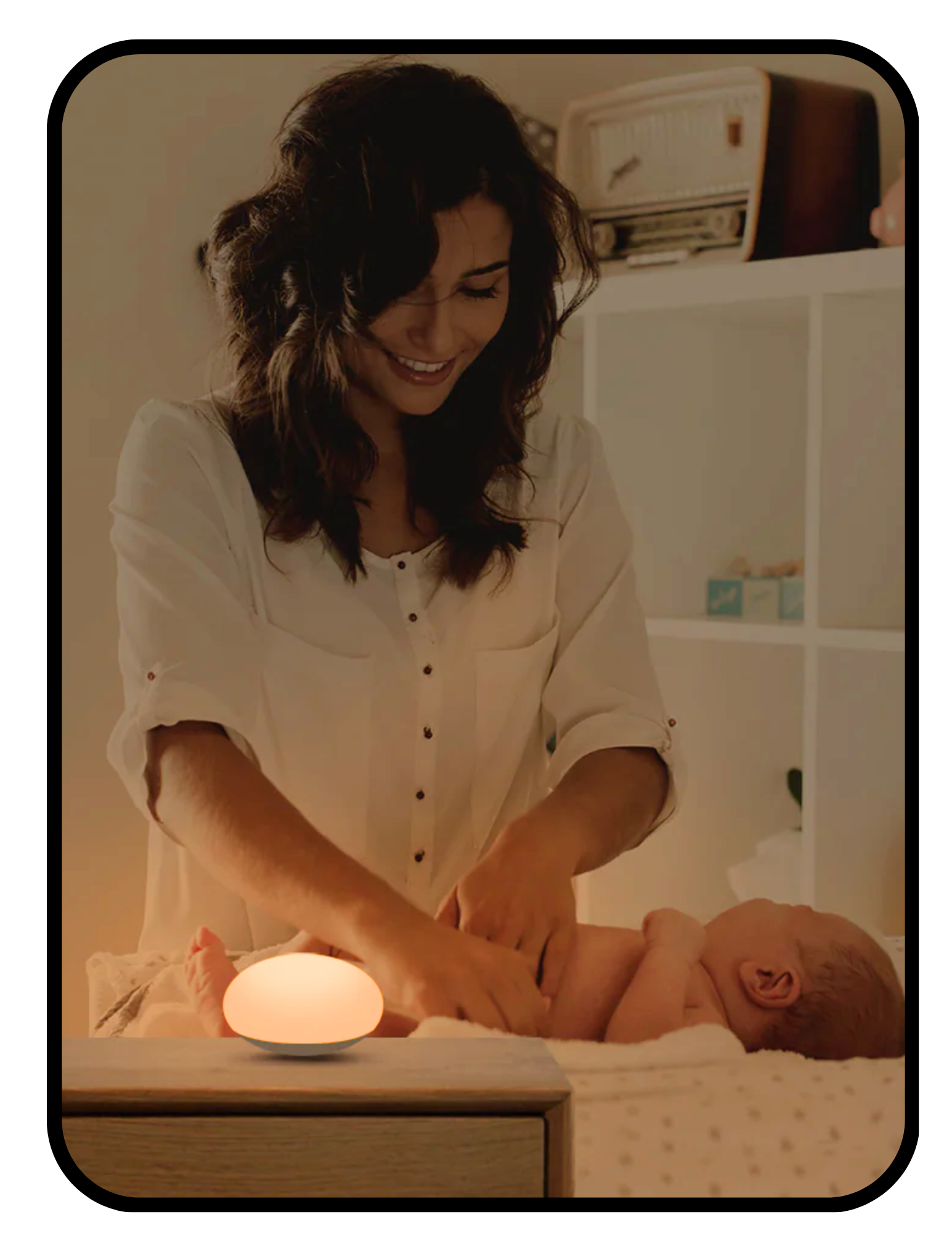
No-Blue Lights

Easy-Clean Humidifiers
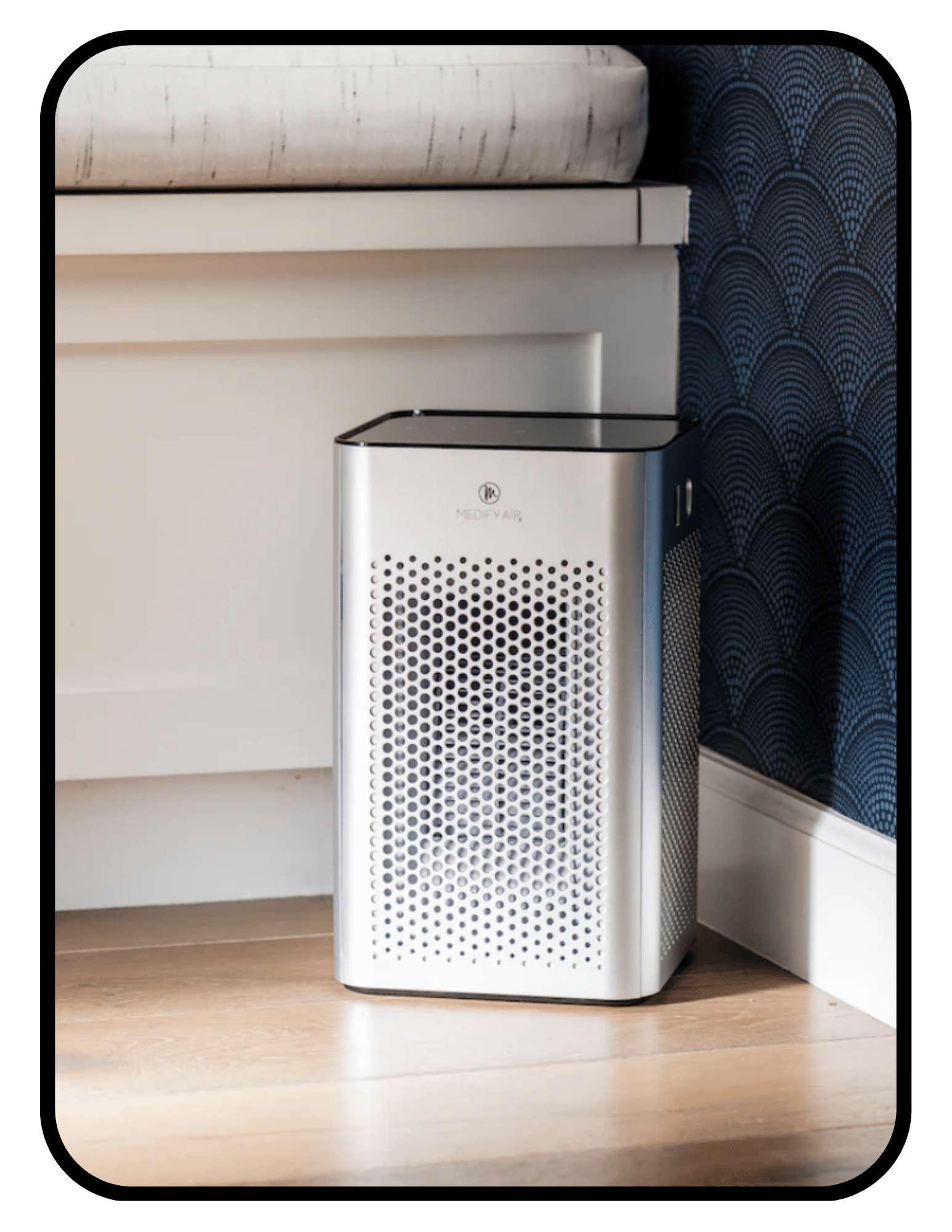
Nursery-Size Air Purifiers

Air Quality Monitors



Why Non-Toxic Nurseries and Kids Room Matter
Your nursery and kids rooms require careful attention to material safety because children face disproportionately higher chemical exposure during critical developmental windows. Infants and young children breathe faster than adults (20-30 breaths per minute vs. 12-20), have more permeable skin, and engage in constant hand-to-mouth behavior that creates direct ingestion pathways.
Beyond biological vulnerability, children's behavior creates higher exposure. Babies and toddlers spend substantial time on floors where dust accumulates, mouth everything they touch, and sleep 10-14 hours daily in direct facial contact with mattresses and bedding.
The same chemical exposure tolerable for adults can cause harm during brain development, and immune and endocrine system formation in babies and kids. Children's developing bodies are more vulnerable to disruption from flame retardants, phthalates, and other chemicals in conventional furniture and mattresses.
Beyond materials, sleep quality matters profoundly for new parents and child development. Nursery lighting, darkness, and air quality directly affect how easily children fall asleep, stay asleep, and develop healthy sleep patterns—impacting both infant development and family wellbeing during the exhausting early years.
Finally, as a doctor that has spent years analyzing home products for their potential impact on your health, I've seen how aggressively companies target new parents with healthwashing. It drives me crazy. You have overwhelming love for your child, and if you have any fear of making the wrong choice, it creates vulnerability for marketing exploitation. "Non-toxic," "natural," "eco-friendly," and "chemical-free" are unregulated buzzwords that flood baby product packaging, but I regularly find products with these claims contain the same flame retardants, vinyl, and undisclosed treatments as conventional options—they just have better marketing and higher prices. Parents, more than anyone else, deserve transparency, thorough analysis of actual materials, and third party certifications, not exploitative fear-based marketing.
The Main Health Concerns in Nurseries and Kids Rooms
Here’s a deeper dive for understanding how children's unique vulnerabilities create heightened risk, so you can prioritize effectively when creating a non-toxic nursery or kids room:
Developmental vulnerability amplifies chemical harm. Children's developing brains, endocrine systems, and immune systems are dramatically more susceptible to chemical disruption than adults. Flame retardants in crib mattresses and furniture interfere with thyroid and endocrine regulation during important early brain development windows. Phthalates in vinyl mattress protectors, blackout curtain linings, and plastic toys disrupt hormone signaling during reproductive system development. Lead in painted furniture affects developing brains at levels considered safe for adults. The same exposure produces magnified harm because it occurs when foundational systems are being built rather than maintained.
Higher exposure rates from children's behavior and physiology. Children breathe twice as much more air per pound of body weight than adults due to faster breathing rates and smaller body size, meaning they inhale more air pollution relative to their size. Constant hand-to-mouth and object-to-mouth behavior creates direct ingestion of chemicals from dust, toys, furniture edges, and any surface they touch then taste. Floor play means breathing dust-laden air at the exact level where particles settle and concentrate. Infants sleep 14-17 hours daily in direct facial contact with crib mattresses, toddlers 10-14 hours—far longer than adult sleep duration. These behavioral and physiological factors create exposure rates significantly higher than adults in the same environment.
Sleep disruption affects both development and family wellbeing. Poor sleep in infants and young children isn't just exhausting for parents—it affects critical developmental processes including brain formation, memory consolidation, and immune function. Nursery lighting (especially blue light during nighttime care), lack of darkness from inadequate blackout solutions, and poor air quality all disrupt the fragile sleep patterns parents work so hard to establish. Since sleep deprivation affects the entire family's functioning and since infant sleep is one of the most challenging aspects of new parenthood, creating an environment that supports healthy sleep becomes essential for both child development and family survival during the early years.
How to Prioritize Changes in Your Non-Toxic Nursery and Kids Room
Focus your efforts where you can make the biggest impact on both development and family wellbeing, starting with the most accessible changes.
Start with lighting and darkness if you can only change one thing. Creating complete darkness and using red light for nighttime care ranges from free to minimal cost—cover electronic lights with dark tape, use red bulbs in existing fixtures, and add blackout curtains. These changes profoundly affect circadian rhythm development, which is systemic and affects sleep quality, hormone regulation, immune function, and brain development. Since infant and toddler sleep affects the entire family's functioning and wellbeing, improving sleep through proper lighting provides immediate relief for exhausted parents while supporting critical developmental processes. This is the most cost-effective, high-impact intervention in the nursery.
Address the crib mattress or kids mattress second. Children spend 10-17 hours daily in direct facial contact with their mattress during the most rapid brain development period. Conventional crib mattresses contain flame retardants in foam, vinyl covers that off-gas phthalates, and waterproof layers with undisclosed treatments. Organic crib mattresses and natural kids mattresses with GOTS-certified cotton, GOLS-certified latex, and organic wool eliminate these exposures during the single longest contact period. This addresses the highest material exposure during vulnerable development.
Add play mats third for floor-level exposure and mouthing behavior. Play mats create extended contact during tummy time, crawling, and play when children are at floor level where dust concentrations are highest. Babies and toddlers mouth play mat edges, drool on surfaces, and press faces against mats during rest. Non-toxic play mats made from natural rubber, organic cotton, or OEKO-TEX certified materials eliminate foam flame retardants and phthalates during the 2-6 hours daily of floor time when mouthing creates ingestion exposure. Or, consider a nursery rug or area rug in lieu of a play mat: Natural fiber rugs and organic wool rugs eliminate synthetic backing, PFAS stain treatments, and microplastic-shedding synthetic fibers during floor play. Since children put hands in mouths after touching rugs, certified options reduce exposure during floor activities. Area rugs will last years, through the play mat development stages.
Cribs come fourth because of prolonged proximity and teething. Solid wood cribs with zero-VOC finishes eliminate formaldehyde off-gassing during the 10-14+ hours children spend sleeping nearby. Babies also mouth crib rails during teething, creating direct ingestion of whatever finish is applied to wood. Non-toxic cribs prevent both inhalation during sleep and ingestion during exploration. Adding fabric crib bumpers can help if budget is an issue.
Air purifiers support overall air quality anytime. HEPA air purifiers with activated carbon complement the changes above by removing particulates and VOCs from items you can't control (gifts, hand-me-downs). Consider using an indoor air quality monitor to track pollutants — including radon, particulate matter (PM 2.5), and humidity.
Supporting Healthy Sleep in Nurseries and Kids Rooms
Sleep is one of the biggest challenges new parents face, and the nursery environment plays a significant role in supporting—or disrupting—infant and child sleep patterns. Beyond the materials that make safe sleep surfaces, lighting and darkness directly affect how easily children fall asleep, stay asleep, and develop healthy circadian rhythms.
Blackout Curtains for Nursery Sleep
Complete darkness matters for infant and child sleep because even small amounts of light can suppress melatonin production and disrupt sleep cycles. Babies and young children are particularly sensitive to light during sleep—ambient light from streetlights, early morning sun, or hallway lights can cause early waking or difficulty staying asleep.
Blackout curtains for nurseries create the darkness needed for quality sleep during naps and nighttime. This is especially important for early morning light in summer months when sunrise happens before desired wake times, and for families who need flexibility with nap timing throughout the day.
However, conventional blackout curtains often use vinyl or PVC backing to block light, which off-gases in the enclosed nursery space. Non-toxic blackout curtains with OEKO-TEX certified fabrics and safer blackout layers (typically polyester backing rather than PVC) provide 100% light blocking capabilities without phthalate exposure during the extended hours children spend sleeping in the nursery. While a completely 100% organic blackout fabric hasn’t been developed yet, some natural and organic fabrics can block out significant amounts of light, even if it’s not quite 100%.
Whatever you choose, install them to cover the entire window and prevent light leaks around edges.
Since sleep quality directly affects infant development, parent sanity, and family wellbeing, creating complete darkness with safe materials supports one of the most critical aspects of early childhood health.
Shop non-toxic blackout curtains with certifications and my thorough material analysis, for nurseries and kids rooms.
Red Light and No-Blue Night Lights for Nighttime Care
Night lights matter because nighttime feedings, diaper changes, and comfort checks require some visibility, but blue light exposure during these interactions can disrupt the fragile sleep patterns you’re working so hard to establish.
Blue light suppresses melatonin production—the hormone that makes us feel sleepy. When babies or young children are exposed to blue light during night wakings (from overhead lights, phone screens, or blue-spectrum night lights), it signals their brains to wake up rather than return to sleep. This makes it harder for both children and parents to fall back asleep after nighttime care.
Red spectrum night lights or amber lights provide enough visibility for safe nighttime care without suppressing melatonin. These wavelengths don't trigger the alertness response that blue light causes, allowing melatonin to remain elevated and supporting the quick return to sleep that you desperately need.
For nursery room lighting during evening routines, use warm bulbs (2700K or lower) to create a wind-down environment that supports melatonin production before bedtime. Bright daylight-spectrum bulbs (5000-6500K) are appropriate for daytime play but actively work against sleep when used in evening hours.
Motion-activated red night lights offer hands-free convenience during nighttime care. Dimmable red lights allow you to adjust brightness based on what you're doing—brighter for diaper changes, dimmer for feeding.
Since infant sleep is one of the most challenging aspects of new parenthood, and since proper lighting can meaningfully improve both baby and parent sleep quality, choosing circadian-appropriate lighting is a simple intervention with significant impact on family wellbeing.
Shop red light night lights and no-blue lighting.
Safe Sleep Surfaces for Nurseries and Kids Rooms
Organic Crib Mattresses and Non-Toxic Crib Mattresses
Crib mattresses deserve top priority in nursery safety because infants spend 14-17 hours daily sleeping with faces pressed directly against mattress surfaces during the most rapid brain development period of their lives.
Conventional crib mattresses typically include polyurethane foam with flame retardants and undisclosed additives (products made before 2013 almost certainly contain flame retardants; newer products may or may not), vinyl or PVC covers that off-gas phthalates, and waterproofing treatments with undisclosed chemicals. Read more about what is in foam, fabric, and why it matters, in my Foam Guide and Fabric Guide.
Organic crib mattresses with GOTS-certified organic cotton covers, GOLS-certified organic latex cores, and organic wool as natural flame retardant eliminate harmful exposures. The certifications ensure materials remain safe throughout the entire supply chain, not just at harvest— certifications matter so much for kid’s products because there is so much greenwashing and healthwashing taking advantage of vulnerable parents that want the best for their kids! I am shocked by how many are advertised as natural or organic, when they’re actually made of plastic or foam.
Shop organic crib mattresses with certification details.
Organic Kids Mattresses and Natural Kids Mattresses
Kids mattresses matter for the same reasons as crib mattresses but with slightly different priorities as children transition from cribs to beds. Toddlers and young children spend 10-14 hours daily on their mattresses during continued brain development, hormone regulation establishment, and immune system formation.
Conventional kids mattresses contain the same concerning materials as adult mattresses—polyurethane foam with additives, potential flame retardants, synthetic covers, and conventional adhesives. The exposure is the same prolonged facial contact and deep breathing during sleep, but now during the developmental window when learning, memory formation, and behavioral regulation are being established.
Organic kids mattresses with GOTS-certified organic cotton, GOLS-certified organic latex, and organic wool provide safe support during these continued developmental years. As children transition to regular beds, choosing organic mattresses maintains the low-chemical sleep environment established in the crib through the years when brain development continues.
Browse organic kids mattresses that are actually as healthy as they claim.
Organic Waterproof Mattress Protectors
Waterproof mattress protectors are essential for protecting organic crib mattresses and kids mattresses from fluids that can cause mold growth and mattress deterioration. However, conventional waterproof protectors use vinyl or PVC with phthalates.
Organic waterproof mattress protectors with GOTS-certified organic cotton and food-grade polyurethane laminate (not PVC or vinyl) provide fluid barrier protection without phthalate exposure. The food-grade polyurethane is safer than polyurethane foam and prevents liquids from reaching the mattress. Organic wool mattress protectors provide natural moisture resistance and temperature regulation without any synthetic waterproofing layer, if you want to go the completely natural route.
Since mattress protectors sit between children and their organic mattresses during every sleep period, choosing certified organic options with safe waterproofing maintains the chemical-free sleep surface throughout the fluid accidents that inevitably occur during infancy and childhood.
Shop organic waterproof mattress protectors for cribs and kids beds.
Safe Play Surfaces and Floor Time
Non-Toxic Play Mats for Babies and Toddlers
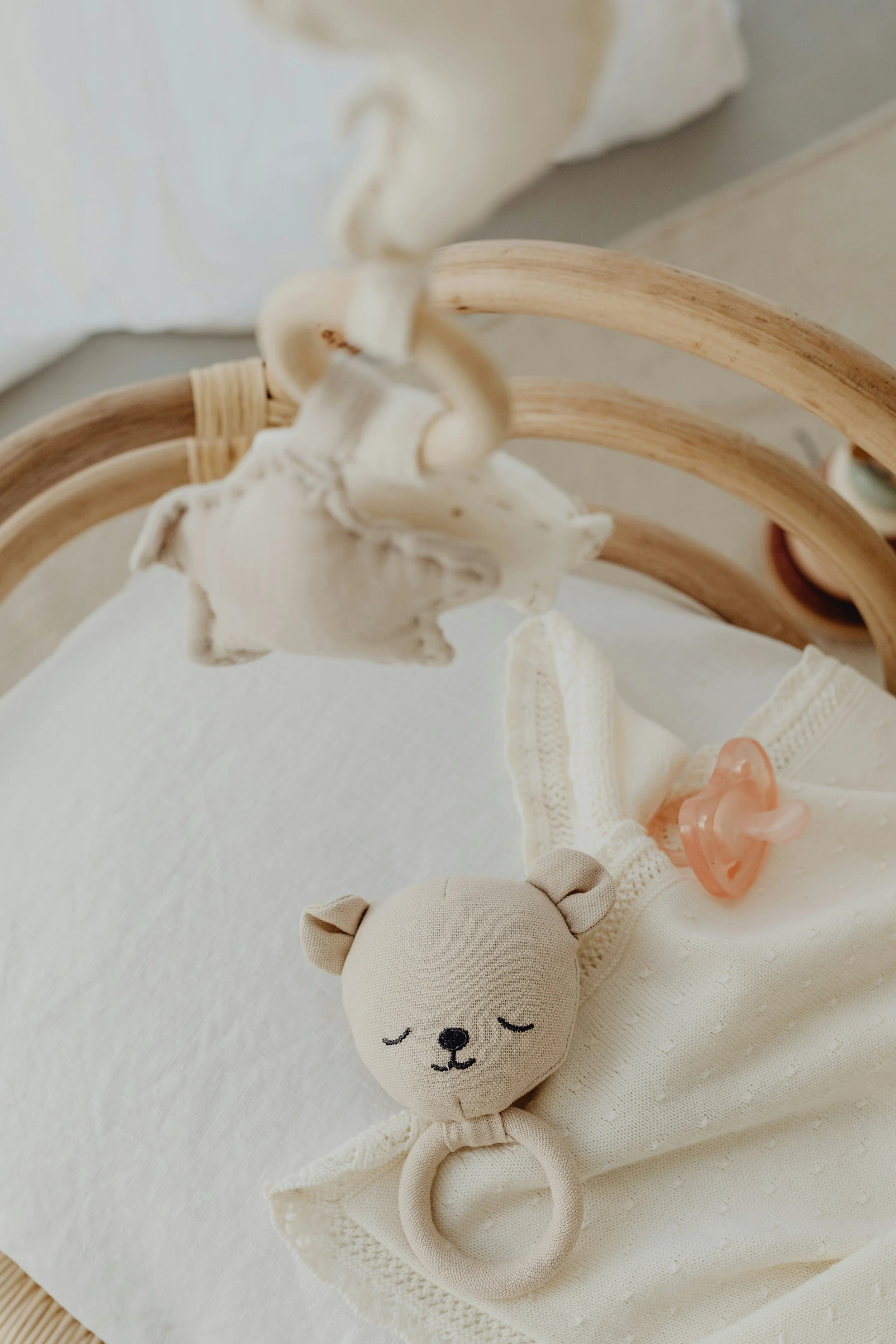
Play mats create the second-highest material exposure concern in nurseries because babies and toddlers spend 2-6 hours daily on these surfaces during tummy time, crawling, rolling, and play—all while at floor level where dust and chemical concentrations are highest.
Conventional foam play mats—including the popular interlocking foam tiles and padded foam mats—contain polyurethane foam or EVA foam often with flame retardants, VOCs, formamide, and undisclosed additives. The surface fabrics including “vegan leather” (which is plastic), coatings, and colors may contain additional chemicals. The direct contact combined with baby mouthing behavior creates both inhalation and ingestion exposure.
Non-toxic play mats made from natural rubber, organic cotton quilted mats, verified zero-formamide, or OEKO-TEX certified materials eliminate foam-related chemicals during floor time. Natural rubber play mats (made from tree sap, not synthetic rubber) provide cushioning without foam additives. Organic cotton quilted play mats offer washable, certified-safe surfaces for babies who aren't yet mobile and don't require heavy cushioning. OEKO-TEX certified mats test the finished product for harmful substances, making them safer than uncertified options when budget doesn’t allow for a fully organic one.
The mouthing behavior during play mat time—combined with the extended hours of facial contact and the floor-level position where dust concentrations are highest—makes play mat material safety critical for the developmental period when children explore everything through taste.
Shop non-toxic play mats with material comparisons and age recommendations.
Nursery Rugs and Kids Room Area Rugs
Area rugs in nurseries and kids rooms matter because children spend substantial time on floor surfaces during crawling, rolling, playing, and sitting. Conventional rugs contain synthetic backing that off-gases, stain treatments with PFAS, and synthetic fibers that shed microplastics—all at floor level where children's faces are during play.
Natural fiber rugs made from organic wool, organic cotton, or jute with natural backing eliminate synthetic chemicals and stain treatments during floor play. GOTS-certified organic wool rugs provide durability and natural stain resistance without chemical treatments. The certification ensures their entire production maintains safety standards, not just that the fibers start organic but are heavily processed.
Since children frequently put hands in mouths after touching rugs, and since crawling babies have faces directly against rug fibers for hours daily, choosing certified organic or natural fiber options reduces chemical exposure during the floor-level activities that dominate early childhood.
Browse nursery rugs and organic area rugs for kids rooms.
Safe Nursery Furniture and Decor
Non-Toxic Cribs and Solid Wood Cribs
Cribs matter because babies spend 10-14+ hours daily sleeping in close proximity to crib materials, plus babies mouth crib rails during teething and exploration. Conventional cribs made from particle board or MDF off-gas formaldehyde from adhesives during the extended hours when babies are breathing deeply in enclosed crib space.
Solid wood cribs made from hardwoods with zero-VOC water-based stains or natural oil finishes eliminate chemical exposures during sleep— otherwise, whatever finish is on the wood gets ingested directly during the developmental period when lead and other chemicals have outsized effects on developing brains. You can read more about woods, stains, and finishes in my Wood Guide.
GreenGuard Gold certified cribs verify that all components—wood, stains, finishes, and adhesives—meet strict emissions limits. This certification is valuable for cribs because it accounts for off-gassing in the small, enclosed space where babies spend most of their time, though it doesn’t mean the crib is completely healthy. It only considers air quality, not the heavier chemicals present in standard furniture paints and finishes.
Look for cribs with solid wood slats (not composite), zero-VOC finishes explicitly stated, and no painted surfaces that could contain lead (especially on vintage or imported cribs). Natural wood finishes or water-based stains are safest for the teething behavior that creates direct ingestion exposure.
Shop non-toxic cribs with finish details and safety certifications. For other nursery furniture like non-toxic dressers and changing set ups that your baby will spend less time direcly touching, I still recommend these Non-Toxic Furniture Brands.
Air Quality in Nurseries and Kids Rooms
HEPA Air Purifiers for Nursery Air Quality
Babies and kids breathe faster than adults (20-30 breaths per minute vs. 12-20), spend more time at floor level where dust concentrations are highest, and have developing respiratory systems more vulnerable to particulates like PM 2.5, and VOCs.
Even with organic mattresses and non-toxic furniture, nurseries accumulate dust from normal activities, particles that drift in from cooking in the kitchen or from wildfire smoke, and potential off-gassing from items you can't control (gifts, hand-me-downs, building materials). Kids are also susceptible to allergens like dust mites, mold spores, and pollen that can exacerbate childhood asthma.
HEPA air purifiers with true HEPA filtration remove 99.97% of airborne particles including dust, pollen, mold spores, particles and VOCs from any remaining off-gassing materials. For comprehensive nursery air quality, choose purifiers that also include activated carbon filtration to absorb VOCs and odors that HEPA alone can't capture.
Size the air purifier appropriately for your nursery square footage and choose models with low noise levels suitable for sleep environments. Many air purifiers designed for bedrooms operate quietly enough not to disturb infant sleep, and some parents find the white noise actually helps babies sleep better. I list completely dark, quiet air purifiers with HEPA filters and substantial carbon filters on my Air Purifiers Guide, including in small sizes for nurseries, affordable options, and medical grade ones.
Position the air purifier away from the crib but where it can circulate air effectively—typically a few feet from the crib and away from walls. Run it continuously, or at least during sleep hours when children spend extended time in the nursery.
Monitoring nursery air quality: Indoor air quality monitors track temperature, humidity, CO2, VOCs, and particulates in real-time—functioning like a baby monitor for the air your child breathes. These monitors show you when ventilation is needed, when humidity levels support mold growth, or when air quality has degraded. Since you can't see or smell most air quality issues, monitoring provides the data needed to maintain healthy nursery conditions. I have the most accurate indoor air quality monitors listed here.
Humidifiers for dry air: Humidifiers add necessary moisture during dry winter months or in arid climates, supporting respiratory comfort and preventing dry skin irritation. Maintain humidity between 30-50%—below 30% causes respiratory irritation, above 50% promotes mold growth. Choose humidifiers with easy-to-clean tanks (wide openings) to prevent bacterial and mold buildup, and clean them at least weekly since children are breathing the mist directly. Easy-to-clean humidifiers and purifier-humidifier combo options are listed here.
Open windows regularly when outdoor air quality is good to prevent CO2 buildup and allow fresh air circulation. Air purifiers handle particulates and VOCs but cannot remove the CO2 that accumulates in closed rooms.
Since children breathe more air per pound of body weight and spend substantial time in nurseries during the critical developmental period when respiratory systems are forming, HEPA air purification with activated carbon provides comprehensive protection for the air they breathe during sleep and play.
Moving Forward With Your Non-Toxic Nursery and Kids Room
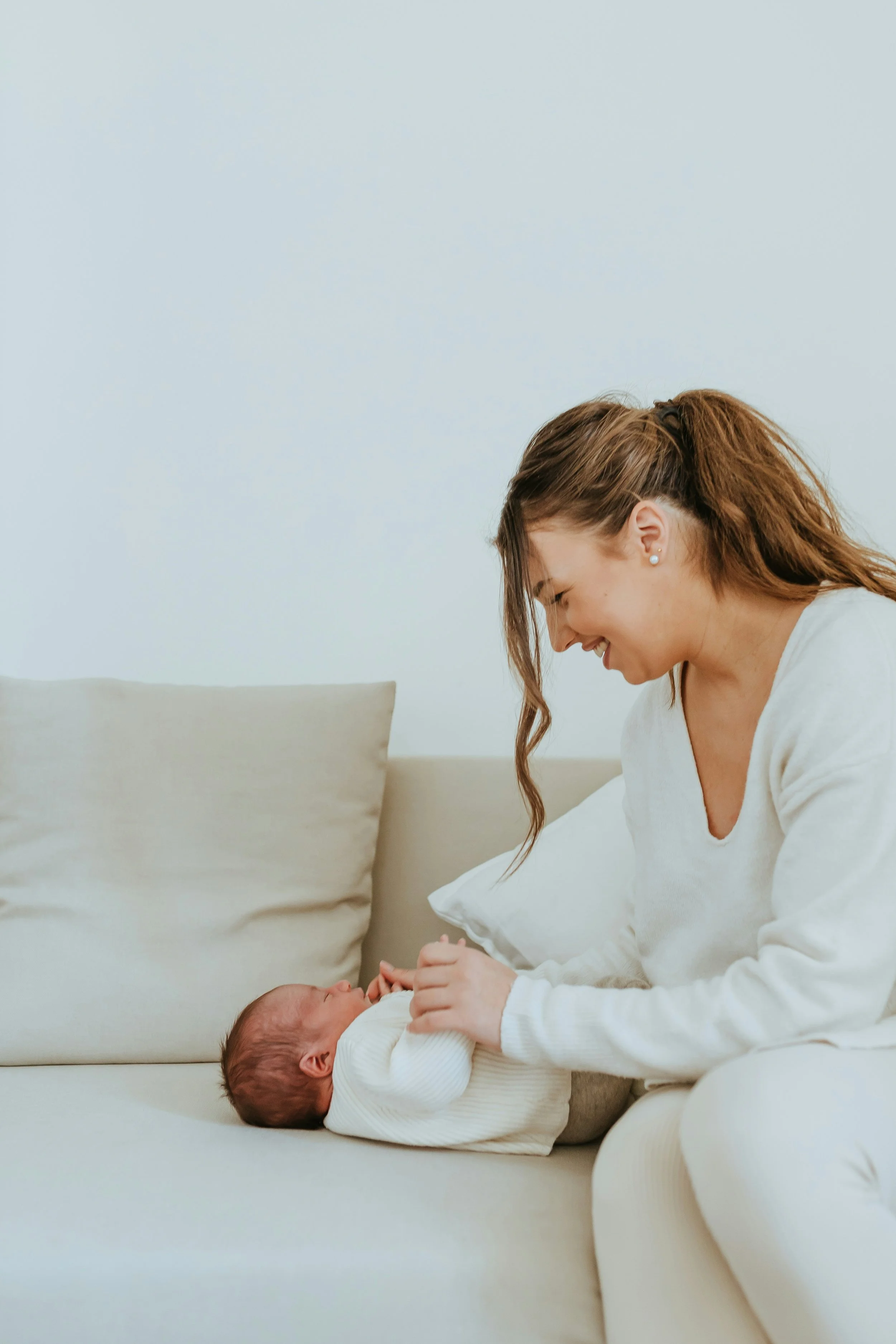
Creating a healthier nursery and kids room means addressing children's unique vulnerabilities—their developing systems are more susceptible to chemical harm, their behavior creates higher exposure rates, and their prolonged contact during sleep and play happens during critical developmental windows. You now understand why material choices matter more for children than adults, where developmental vulnerability creates heightened risk, and how to prioritize changes for maximum protective benefit.
Whether you're preparing a nursery before baby arrives or upgrading an existing kids room, start with the items that create the longest, most intimate contact during vulnerable developmental periods. The crib mattress or kids mattress provides the foundation for safe sleep during the 10-17 hours daily when brain development and detoxification occur. Play mats create safe floor surfaces for the exploration and learning that happens through touch and taste.
After getting your lightness and darkness patterns taken care of, the most important step is choosing organic crib mattresses or kids mattresses with GOTS and GOLS certification, since this addresses the single longest exposure period during the most vulnerable developmental stage. From there, add non-toxic play mats, solid wood cribs with safe finishes, and organic mattress protectors in order of contact duration and exposure intensity.
For detailed buying guides with specific certifications, safety testing data, firmness recommendations, and product comparisons for organic crib mattresses, non-toxic play mats, safe cribs, and all nursery essentials, explore the product pages linked throughout this guide.

More Healthy Design for You


Blackout Curtains
Solid Wood Bed Frames
Couches, Rated and Ranked From Healthiest to Least Healthy
Bath Filters That Actually Work